Français (France)
  Nederlands (nl-NL)
 Hinduism is an ancient religious tradition that originated in the Indian subcontinent. Unlike religions founded by a single prophet or teacher, it developed gradually from the 2nd millennium BCE through the Vedic culture. Hinduism encompasses a wide range of beliefs and practices but shares core ideas such as dharma (moral order), karma (cause and effect), and reincarnation.
It has no centralized doctrine, yet it profoundly shaped South Asian societies and worldviews. Historically, Hinduism spread to Nepal, Sri Lanka, Bali, and parts of Southeast Asia. Its influence is evident in literature, ritual practices, and especially sacred architecture, including temples, gopurams, and mandapas. Today, Hinduism remains the dominant religion in India and continues to play a central role in its cultural and historical identity.

Thillai Nataraja temple, Chidambaram (India)

Parsurameswara,temple Bhubaneswar (India)

Karni Mata temple , Deshnoke (India)
Hinduism: Origins, Beliefs, and Cultural Dimensions
Historical Context of Emergence
Hinduism is one of the world’s oldest religious traditions, emerging over several centuries in the Indian subcontinent. Unlike religions founded by a single prophet or text, Hinduism evolved gradually, shaped by a range of ritual, philosophical, and cultural practices.
Its earliest roots are linked to the Vedic culture, developed between the 15th and 6th centuries BCE by Indo-Aryan populations. The Vedas, composed in Sanskrit, constitute the foundational texts of this period and define the liturgical framework of the early tradition. However, many practices predate the Vedic corpus and were likely inherited from older cultures, including the urbanized Indus Valley Civilization (c. 2600–1900 BCE), whose religion remains unknown but may have influenced later beliefs.
Over time, Vedic rituals merged with local devotional cults, ascetic traditions, and philosophical schools, resulting in a religious system that took a more defined shape during the so-called “classical” period of Hinduism, around the beginning of the Common Era.
Geographic Distribution
Historically, Hinduism developed and remained primarily within South Asia. It became the dominant religion across most of the Indian subcontinent, including modern-day India and Nepal. It also spread, to varying degrees, into present-day Bangladesh, Sri Lanka, and the Maldives.
From the early centuries CE, Hindu influence reached Southeast Asia through trade and cultural exchanges, particularly in Indonesia (notably Bali), Cambodia, Thailand, and parts of Vietnam. Temples and inscriptions attest to the presence of Hindu rulers and cults in these regions.
In more recent centuries, especially during colonial times, indentured labor migrations led to the establishment of Hindu communities in Africa (Mauritius, South Africa), the Caribbean (Trinidad, Guyana), and the Pacific (Fiji). In the 20th and 21st centuries, substantial Hindu diasporas formed in the United Kingdom, North America, and other parts of Europe and Oceania, often organized around temples and cultural associations.
Major Currents and Schools
Hinduism encompasses a wide spectrum of beliefs and devotional traditions, generally grouped into three main currents:
- Vaishnavism, centered on the worship of Vishnu and his avatars (notably Rama and Krishna), emphasizing grace, devotion (bhakti), and moral order.
- Shaivism, devoted to Shiva as the cosmic destroyer and transformer, often associated with asceticism and metaphysical inquiry.
- Shaktism, which venerates the divine feminine principle (Shakti), especially in forms like Durga, Kali, and Parvati.
These traditions may overlap in practice, and many Hindus revere deities from multiple pantheons. Additionally, philosophical schools (darshanas) provide different interpretations of the universe and liberation (moksha), such as Advaita Vedanta (non-dualism), Dvaita Vedanta (dualism), and Samkhya (dualistic cosmology).
The variety of rituals, myths, and theological perspectives reflects Hinduism’s plural and evolving nature, which resists doctrinal rigidity.
Core Beliefs and Practices
Despite its diversity, Hinduism is structured around several core concepts:
- Dharma: a set of duties and moral obligations that guide individual and social conduct, varying according to age, caste, and life stage.
- Karma: the principle that every action has consequences that influence future rebirths.
- Samsara: the continuous cycle of birth, death, and rebirth.
- Moksha: the ultimate goal of liberation from samsara, attained through knowledge, ethical living, devotion, or ascetic discipline.
Common religious practices include puja (ritual worship), both at home and in temples; pilgrimages to sacred sites like Varanasi or Rameswaram; festivals such as Diwali, Holi, and Navaratri; and rites of passage (samskaras) marking key life stages.
The oral transmission of sacred texts, recitation of mantras, adherence to dietary codes, and engagement with spiritual teachers (gurus) form part of the religious rhythm for many Hindus.
Political Implications and Religious Identity
Historically, Hinduism has been closely tied to political authority in India, particularly from the Gupta period onward (4th–6th centuries CE), when rulers supported temple construction and Brahmanical orthodoxy as a means of legitimizing power.
Although Hinduism lacks a central institutional authority, it has often been used as a source of social order and cultural cohesion. The varna system, which categorizes society into four broad classes (Brahmins, Kshatriyas, Vaishyas, and Shudras), was historically codified in texts like the Manusmriti and supported by state structures.
In modern times, Hinduism has continued to play a political role, particularly in India. While the country is constitutionally secular, some political movements have promoted a vision of Hindu nationalism (Hindutva), seeking to align Indian identity with Hindu values. This instrumentalization has led to controversies around pluralism, secularism, and minority rights.
Outside India, Hinduism has also served as a cultural marker among diaspora communities, providing a sense of identity and continuity, often through temples, festivals, and language preservation.
Death, Afterlife, and Commemorative Practices
In Hindu belief, death is not an end but a transition within the cycle of reincarnation (samsara). The quality of one’s rebirth is determined by karma, and liberation from the cycle (moksha) is the spiritual ideal.
The most common funerary practice is cremation, seen as a way to release the soul (atman) from the physical body. Ashes are typically scattered in sacred rivers, particularly the Ganges, whose waters are believed to purify the soul.
After death, families observe mourning rituals and perform shraddha ceremonies, offering food and prayers to assist the soul’s journey. These may be repeated annually as acts of filial piety.
Although Hinduism does not emphasize the construction of tombs, certain individuals—especially saints, gurus, or renounced ascetics—may be honored with samadhi shrines, marking the place of their cremation or death in meditation. These sites often become centers of local pilgrimage.
The Architectural Influence of Hinduism: Forms, Functions, Symbolism, and Funerary Expressions
Origins and Religious Foundations of Architectural Forms
Hindu architecture finds its roots in the religious and philosophical framework of Hinduism, a tradition that evolved over millennia without a single founder or centralized doctrine. Emerging from the ritual practices of the Vedic period (c. 1500–500 BCE), Hindu architecture developed as a physical extension of cosmological and metaphysical beliefs. Ancient treatises known as Shilpa Shastras codified construction techniques, proportions, spatial layouts, and symbolic associations of sacred spaces. These texts formed the basis for religious architecture, where buildings are not merely functional enclosures but cosmic diagrams intended to align earthly structures with divine order.
Architecture is therefore conceived as an expression of dharma (cosmic law), where every component—from layout to sculptural program—reflects broader metaphysical principles. These foundations continue to influence the design and orientation of Hindu religious and funerary buildings.
Typologies and Ritual Functions
Hindu architectural forms are numerous and varied, responding to different ritual, pedagogical, commemorative, and social needs. Broadly, they can be grouped into three categories: sacred spaces for worship, ritual environments, and structures related to death and memory.
Places of worship, primarily temples (mandir), are constructed to house the divine presence in the form of images (murti) of gods and goddesses. These temples are often arranged in hierarchical sequences: an entrance porch, a pillared hall, a vestibule, and an inner sanctum (garbhagriha) beneath a rising tower (shikhara or vimana). Each component plays a role in the spiritual progression of the devotee from the outer world to divine communion.
Ritual or ceremonial spaces can include open-air platforms for sacrifices, covered pavilions for scriptural recitation, stages for sacred drama or music, and educational spaces for instruction by spiritual teachers. Many temple complexes incorporate tanks or ponds for ablutions, signifying purification before entering the sacred space.
Funerary structures, though less prominent due to the Hindu preference for cremation, are nonetheless significant. While most Hindus are cremated and their ashes dispersed in sacred rivers, memorial structures such as samadhi shrines or cenotaphs are occasionally erected to honor saints, spiritual leaders, or notable individuals. These are not tombs in the Western sense, but commemorative monuments designed to mark spiritual legacy rather than physical remains.
Integrated Symbolism: Orientation, Form, and Decoration
Hindu architecture is profoundly symbolic. Building plans often follow the vastu-purusha mandala, a geometric grid representing the cosmic man, with specific deities and elemental forces assigned to each direction and quadrant. The central sanctum represents the axis mundi—the point of connection between the earthly and the divine.
Orientation is typically aligned with cardinal directions, most often eastward, to receive the first rays of the rising sun. Vertical elements such as the tower rising above the sanctum symbolize Mount Meru, the mythological axis of the universe.
Decorative programs are extensive and iconographically rich. Walls, pillars, and ceilings are adorned with scenes from mythology, depictions of deities, guardians, floral patterns, and cosmic motifs. These elements serve didactic and meditative functions, guiding the worshipper’s spiritual journey and reinforcing the sacredness of the site. In funerary structures, symbolism may focus more on themes of transcendence, renunciation, or remembrance.
Construction Materials and Techniques
Hindu architecture employs a variety of materials, depending on regional availability and ritual requirements. Stone is the most prevalent in monumental religious architecture, valued for its durability and sculptural qualities. Techniques include corbelled arches, post-and-lintel construction, and intricately carved surfaces executed without mortar in many cases.
Brick and wood are also used, especially in humid or alluvial regions. Wood, though less durable, allows for expressive joinery and detailed ornamentation in smaller temples. Clay, stucco, and metals such as bronze or copper are employed for finer decorative or ritual elements.
Ritual purity considerations often determine materials and processes. For example, specific woods or stones are prescribed for certain deities or temple components, and construction may follow elaborate consecration rites involving recitations, offerings, and astrological calculations.
Geographic Spread and Regional Adaptations
While Hindu architecture is deeply rooted in the Indian subcontinent, its influence extended across Asia, particularly during the first millennium CE. Through trade, migration, and cultural exchange, architectural forms inspired by Hinduism reached regions such as Nepal, Sri Lanka, Cambodia, Indonesia (notably Bali), and Thailand.
In these contexts, the core symbolic principles were often retained, while materials, styles, and spatial layouts were adapted to local climates, cultures, and aesthetic preferences. For instance, roof forms, sculptural styles, and decorative motifs show considerable regional variation, even when sharing the same religious function.
In contemporary diaspora communities, Hindu temples have been constructed in Europe, North America, Africa, and Australia. These often integrate traditional architectural elements—such as shikharas, sanctums, and ritual halls—within modern materials and urban settings, balancing heritage with functionality.
Intercultural Interactions
Over the centuries, Hindu architecture has interacted with other religious traditions and architectural systems, producing periods of hybridization and innovation. Early Buddhist architecture adopted and modified Hindu forms, while later periods saw mutual influence with Jain, Islamic, and colonial European architecture.
These interactions are visible in shared spatial conventions, the use of decorative motifs across traditions, and the reappropriation or transformation of religious sites. In multicultural environments, architectural syncretism may involve shared platforms, domed structures, or columnar forms that blur sectarian boundaries while maintaining core religious identities.
Funerary architecture, in particular, reveals these exchanges. In regions where Hinduism coexists with other religions, hybrid memorials may draw on both indigenous symbolism and external structural conventions. However, the Hindu emphasis on cremation and ephemeral rites often results in more symbolic than monumental commemorative architecture.
The Role of Hinduism in the History of Indian Dynasties
Hinduism, rooted in Vedic traditions and local practices, gradually became the dominant religion across much of the Indian subcontinent. Hindu dynasties often used this faith as a source of political legitimacy, relying on priestly support, royal rituals, and the protection of temples to reinforce their authority. The ruler, sometimes regarded as a divine figure or guardian of dharma, embodied cosmic and social order.
Although Hinduism remained predominant, several dynasties also sponsored other religions such as Buddhism or Jainism, whether out of personal conviction or as a gesture of tolerance to promote political stability and trade. In some cases, these relationships were harmonious, with cross-funding of sanctuaries, while in others they led to tensions, marginalising or assimilating competing cults.
Armed conflicts between Hindu dynasties or against non-Hindu powers could take on a religious dimension, yet they were often driven by territorial and economic motives. Victories could result in the destruction or conversion of religious sites, but also in the incorporation of foreign deities and rituals into the local pantheon. In this way, Hinduism maintained its role as the dominant cultural and religious framework while adapting to dynastic change and external influences.
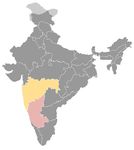
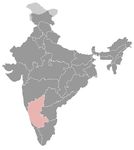
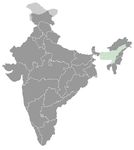
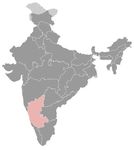
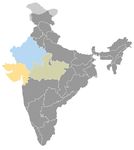
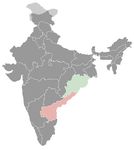
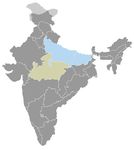
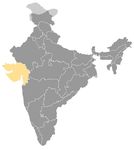
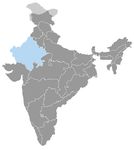
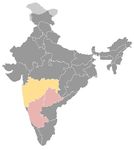
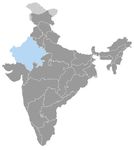
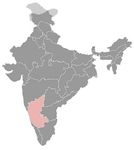
This page organises the dynasties related to Hindu religion, according to a chronological structure based on millennia and centuries. The associated maps indicate the present-day location of the relevant states and link to the detailed pages.
1st millennium BCE
6th century BCE
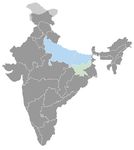
Dominant religion: Hinduism
Supported or encouraged religion: Buddhism.
( Bihar, Uttar Pradesh and Jharkand )
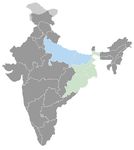
Dominant religion: Hinduism
Supported or encouraged religions, depending on the period: Buddhism, Jainism.
( Bihar, Odisha, Uttar Pradesh, West Bengal and Jharkand )
5th century BCE
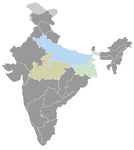
Dominant religion: Hinduism
Supported or encouraged religion: Buddhism.
( Bihar, Delhi (NTC), Madhya Pradesh, Punjab, Uttar Pradesh, West Bengal, Haryana and Jharkand )
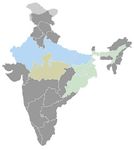
Dominant religion: Hinduism
Supported or encouraged religions, depending on the period: Buddhism, Jainism.
( Assam, Bihar, Madhya Pradesh, Odisha, Rajasthan, Uttar Pradesh and Jharkand )
4th century BCE
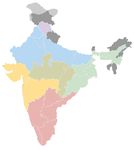
Dominant religions, depending on the period: Hinduism, Buddhism
Supported or encouraged religion: Jainism.
( Assam, Bihar, Delhi (NTC), Goa, Gujarat, Himachal Pradesh, Karnataka, Kerala, Madhya Pradesh, Maharashtra, Odisha, Punjab, Rajasthan, Tamil Nadu, Telangana, Uttar Pradesh, Andhra Pradesh, Chhattisgarh, Haryana, Jharkand, Manipur, Meghalaya and Uttarakhand )
3rd century BCE
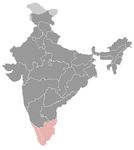
Dominant religion: Hinduism
Supported or encouraged religions, depending on the period: Buddhism, Jainism, Christianity.
( Kerala, Madhya Pradesh and Tamil Nadu )
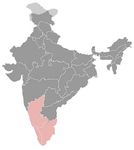
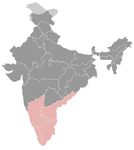
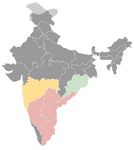
Dominant religion: Hinduism
Supported or encouraged religion: Buddhism.
( Goa, Karnataka, Maharashtra, Odisha, Tamil Nadu, Telangana and Andhra Pradesh )
2nd century BCE
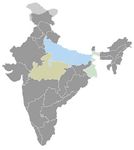
Dominant religion: Hinduism
Supported or encouraged religion: Buddhism.
( Bihar, Madhya Pradesh, Uttar Pradesh and West Bengal )
1st century BCE
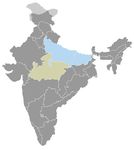
Dominant religion: Hinduism
Supported or encouraged religion: Buddhism.
( Bihar, Madhya Pradesh and Uttar Pradesh )
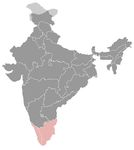
Dominant religion: Hinduism
Supported or encouraged religion: Christianity.
( Kerala and Tamil Nadu )
1st millennium
3rd century
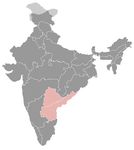
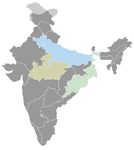
Dominant religion: Hinduism
Supported or encouraged religions, depending on the period: Buddhism, Jainism.
( Bihar, Delhi (NTC), Madhya Pradesh, Odisha, Uttar Pradesh and West Bengal )
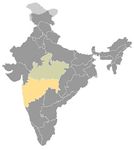
Dominant religion: Hinduism
Supported or encouraged religion: Buddhism.
( Madhya Pradesh and Maharashtra )
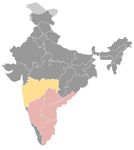
Dominant religion: Hinduism
Supported or encouraged religion: Jainism.
( Karnataka, Maharashtra, Tamil Nadu, Telangana and Andhra Pradesh )
4th century
5th century
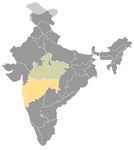
Dominant religion: Hinduism
Supported or encouraged religion: Buddhism.
( Madhya Pradesh and Maharashtra )
6th century
Dominant religion: Hinduism
Supported or encouraged religion: Buddhism.
( Bihar, Madhya Pradesh and Uttar Pradesh )
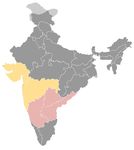
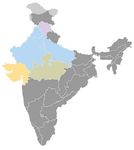
Dominant religion: Hinduism
Supported or encouraged religion: Jainism.
( Delhi (NTC), Gujarat, Himachal Pradesh, Madhya Pradesh, Punjab, Rajasthan, Uttar Pradesh and Haryana )
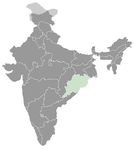
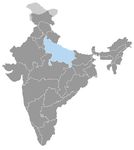
Dominant religion: Hinduism
Supported or encouraged religion: Jainism.
( Delhi (NTC) and Uttar Pradesh )
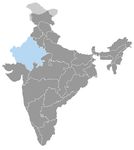
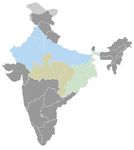
Dominant religions, depending on the period: Hinduism, Buddhism
Supported or encouraged religions, depending on the period: Hinduism, Buddhism, Jainism.
( Bihar, Madhya Pradesh, Odisha, Punjab, Rajasthan, Uttar Pradesh, West Bengal, Chhattisgarh, Haryana and Jharkand )
7th century
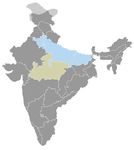
Dominant religion: Hinduism
Supported or encouraged religion: Buddhism.
( Bihar, Delhi (NTC), Madhya Pradesh, Uttar Pradesh and Haryana )
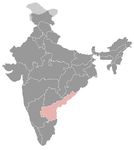
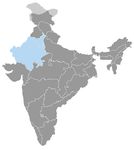
Dominant religion: Hinduism
Supported or encouraged religion: Jainism.
( Delhi (NTC), Rajasthan and Haryana )
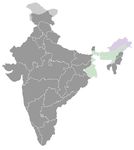
Dominant religion: Hinduism
Supported or encouraged religion: Buddhism.
( Assam, West Bengal and Meghalaya )
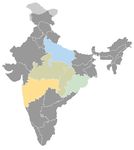
Dominant religion: Hinduism
Supported or encouraged religions, depending on the period: Buddhism, Jainism.
( Madhya Pradesh, Maharashtra, Odisha, Uttar Pradesh and Chhattisgarh )
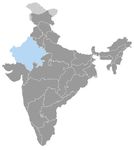
8th century
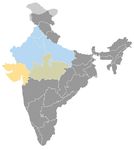
Dominant religion: Hinduism
Supported or encouraged religions, depending on the period: Buddhism, Jainism.
( Delhi (NTC), Gujarat, Madhya Pradesh, Punjab, Rajasthan, Uttar Pradesh and Haryana )
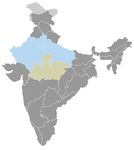
Dominant religion: Hinduism
Supported or encouraged religion: Jainism.
( Delhi (NTC), Madhya Pradesh, Rajasthan, Uttar Pradesh and Haryana )
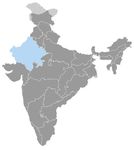
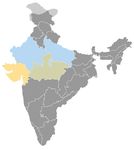
Dominant religion: Hinduism
Supported or encouraged religions, depending on the period: Buddhism, Jainism.
( Gujarat, Madhya Pradesh, Rajasthan and Uttar Pradesh )
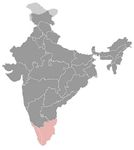
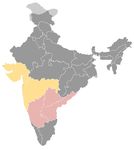
Dominant religion: Hinduism
Supported or encouraged religions, depending on the period: Islam, Christianity.
( Kerala and Tamil Nadu )
9th century
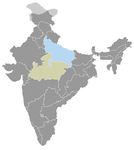
Dominant religion: Hinduism
Supported or encouraged religion: Jainism.
( Madhya Pradesh and Uttar Pradesh )
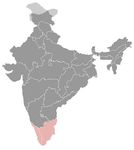
Dominant religion: Hinduism
Supported or encouraged religions, depending on the period: Buddhism, Christianity.
( Kerala, Madhya Pradesh and Tamil Nadu )
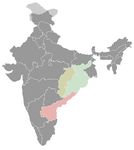
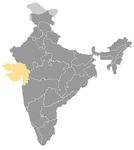
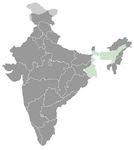
Dominant religion: Hinduism
Supported or encouraged religion: Buddhism.
( Assam, West Bengal and Meghalaya )
10th century
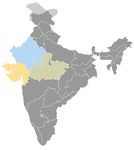
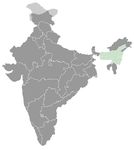
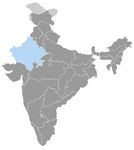
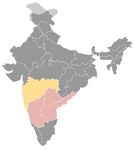
Dominant religion: Hinduism
Supported or encouraged religions, depending on the period: Buddhism, Jainism.
( Goa, Karnataka, Madhya Pradesh, Maharashtra, Telangana and Andhra Pradesh )
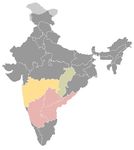
Dominant religion: Hinduism
Supported or encouraged religions, depending on the period: Buddhism, Jainism.
( Karnataka, Madhya Pradesh, Maharashtra, Telangana, Andhra Pradesh and Chhattisgarh )
2nd millennium
11th century
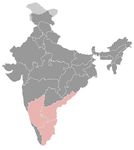
Dominant religion: Hinduism
Supported or encouraged religion: Jainism.
( Karnataka, Tamil Nadu and Andhra Pradesh )
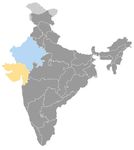
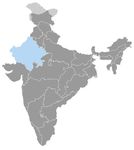
12th century
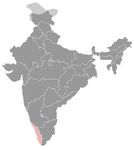
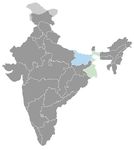
Dominant religion: Hinduism
Supported or encouraged religions, depending on the period: Islam, Christianity.
( Kerala )
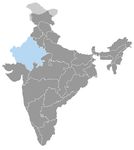
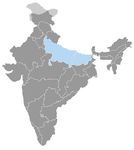
Dominant religion: Hinduism
Supported or encouraged religion: Jainism.
( Karnataka, Maharashtra and Telangana )
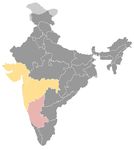
13th century
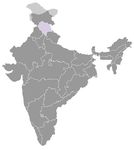
Dominant religion: Hinduism
( Himachal Pradesh )
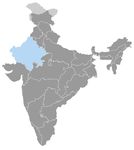
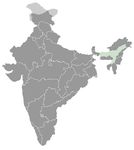
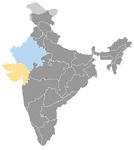
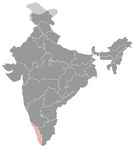
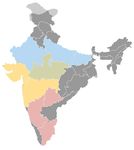
Dominant religion: Hinduism
( Bihar, Delhi (NTC), Gujarat, Karnataka, Madhya Pradesh, Maharashtra, Rajasthan, Tamil Nadu, Telangana and Uttar Pradesh )
14th century
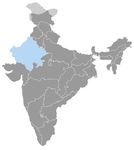
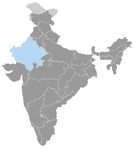
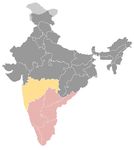
Dominant religion: Hinduism
( Goa, Karnataka, Kerala, Maharashtra, Tamil Nadu and Andhra Pradesh )
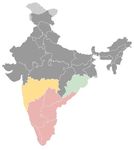
Dominant religion: Hinduism
Supported or encouraged religion: Jainism.
( Goa, Karnataka, Kerala, Maharashtra, Odisha, Tamil Nadu, Telangana and Andhra Pradesh )
15th century
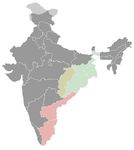
Dominant religion: Hinduism
( Odisha, Tamil Nadu, West Bengal, Andhra Pradesh, Chhattisgarh and Jharkand )
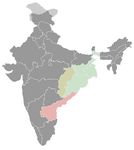
Dominant religion: Hinduism
Supported or encouraged religions, depending on the period: Buddhism, Jainism.
( Odisha, West Bengal, Andhra Pradesh, Chhattisgarh and Jharkand )
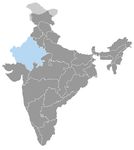
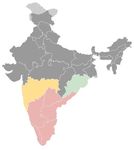
Dominant religion: Hinduism
Supported or encouraged religion: Jainism.
( Goa, Karnataka, Kerala, Maharashtra, Odisha, Tamil Nadu, Telangana and Andhra Pradesh )
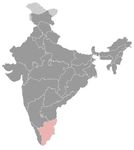
Dominant religion: Hinduism
( Tamil Nadu )
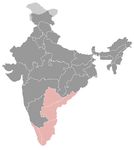
Dominant religion: Hinduism
Supported or encouraged religions, depending on the period: Islam, Christianity.
( Kerala, Tamil Nadu, Telangana and Andhra Pradesh )
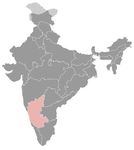
16th century
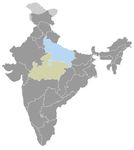
Dominant religion: Hinduism
( Madhya Pradesh and Uttar Pradesh )
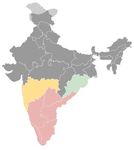
Dominant religion: Hinduism
Supported or encouraged religion: Jainism.
( Goa, Karnataka, Kerala, Maharashtra, Odisha, Tamil Nadu, Telangana and Andhra Pradesh )
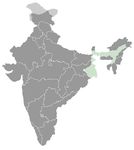
Dominant religion: Hinduism
( Assam, West Bengal and Meghalaya )
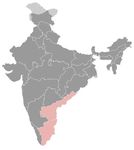
Dominant religion: Hinduism
( Tamil Nadu and Andhra Pradesh )
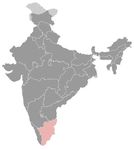
Dominant religion: Hinduism
( Tamil Nadu )
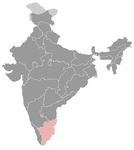
Dominant religion: Hinduism
( Tamil Nadu )
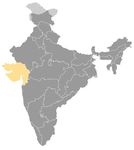
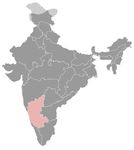
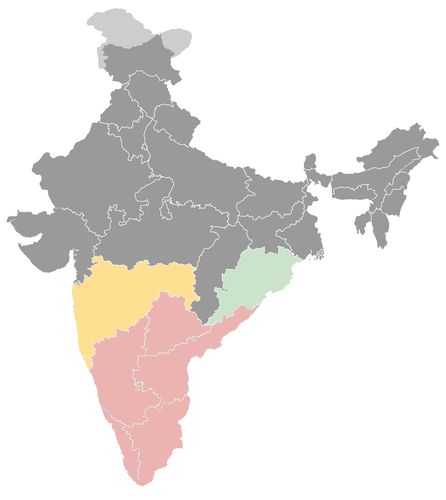
Dominant religion: Hinduism
Supported or encouraged religion: Jainism.
( Goa, Karnataka, Kerala, Maharashtra, Odisha, Tamil Nadu, Telangana and Andhra Pradesh )
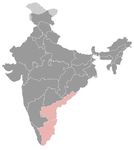
Dominant religion: Hinduism
( Tamil Nadu and Andhra Pradesh )
17th century
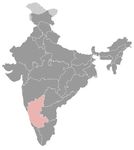
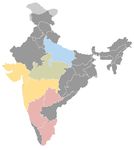
Dominant religion: Hinduism
Supported or encouraged religion: Islam.
( Gujarat, Karnataka, Madhya Pradesh, Maharashtra, Tamil Nadu, Telangana and Uttar Pradesh )
18th century
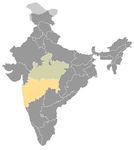
Dominant religions, depending on the period: Hinduism, Islam
( Madhya Pradesh and Maharashtra )
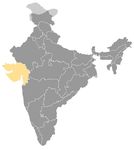
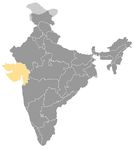
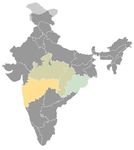
Dominant religion: Hinduism
Supported or encouraged religion: Islam.
( Maharashtra, Odisha and Chhattisgarh )
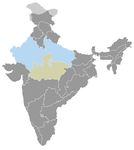
Dominant religion: Hinduism
Supported or encouraged religion: Islam.
( Madhya Pradesh, Rajasthan and Uttar Pradesh )
 Links to the main sections of the site