Français (France)
  Nederlands (nl-NL)
 Each section – monuments, natural sites, traditions, history – offers a different entry point into this richness. The pages combine detailed descriptions, contextual analyses, and original photography to provide visitors with an approach that is both accessible and well-documented. The aim is to place each discovery within a broader perspective and to give travel a depth that goes beyond immediate observation.
Monuments
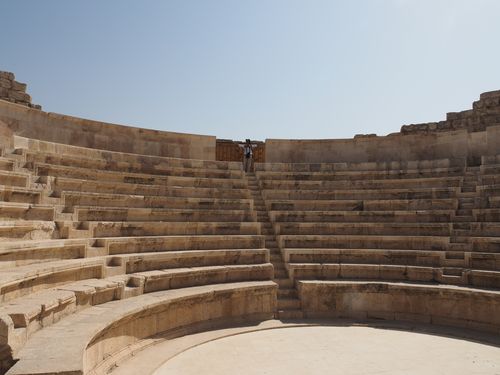
Monuments are tangible witnesses of history and human creativity. Temples, palaces, sanctuaries, or fortresses reflect the beliefs, skills, and societies that built them. On this site, each monument is introduced with special attention to its historical context, architecture, and cultural role. Photographs and analyses help situate these structures within their original framework and highlight their heritage value, beyond their visual appeal.
Traditions
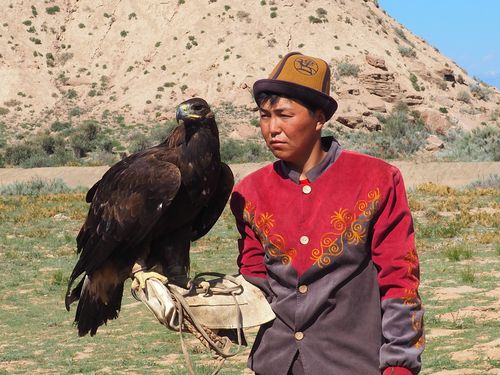
Traditions are the living expression of history and local identities. They encompass customs, cultural practices, and festivities that shape daily life and strengthen the sense of belonging within communities. On this site, each tradition is introduced through its origin, development, and meaning, highlighting how it has been transmitted and adapted over time. The descriptions also emphasize the social, religious, or symbolic role of these practices, offering visitors an immersion into the intangible heritage of the regions explored.
Nature
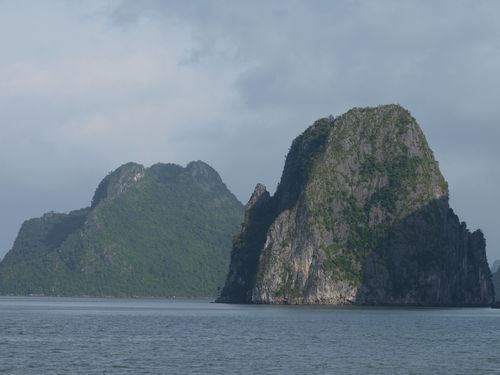
Natural sites form an essential part of heritage. They reflect the ecological diversity and scenic richness of the regions explored. Parks, reserves, and outstanding landscapes are introduced through their geographical features, flora and fauna, as well as the conservation challenges they face. On this site, each natural area is described to highlight both its beauty and its vulnerability, reminding us of the importance of preservation and the role these environments play in the lives of local communities.
History
History is present throughout the Heritage pages, where monuments, traditions and natural sites are placed in their context. Two areas, however, receive particular attention because of their universal significance: Ancient Egypt, whose civilization profoundly influenced the history of both the Orient and the Occident, and India, the cradle of major religions and philosophies that continue to shape entire societies.
India
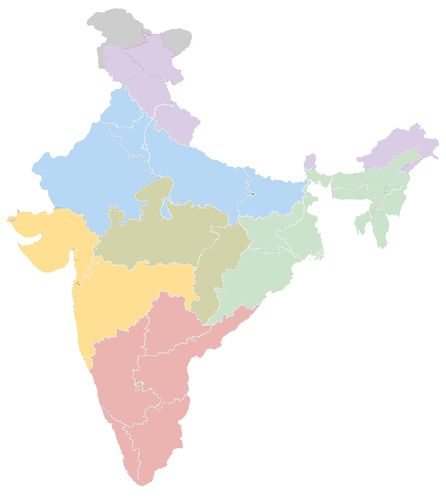
India holds a special place for the continuity and diversity of its history. Great civilizations and dynasties emerged here, shaping the architecture, arts and political organization of the subcontinent. As the cradle of major religions—Hinduism, Buddhism, Jainism and Sikhism—India also fostered philosophies that influenced much of Asia. This wealth is presented through dynasties, their territories and beliefs. To navigate, use the buttons below: alphabetical, chronological, duration, region, religion.
Ancient Egypt
Ancient Egypt stands out for the considerable influence it exerted on the history of the Near East and the Mediterranean world. Its civilization, structured around the Nile and the pharaonic dynasties, left behind monuments and written records that continue to shed light on the political, religious and cultural development of Antiquity. On this site, the approach is mainly archaeological: the dynasties are presented in a concise form to highlight the main stages of this vanished civilization.
Themes
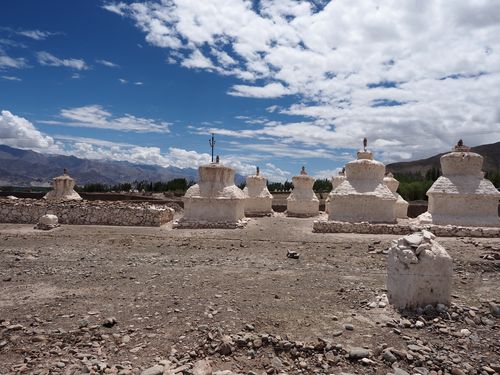
Themes provide cross-cutting entry points that connect the site’s content by ideas, periods, or cultural areas. They offer another way to explore heritage by bringing together monuments, traditions, natural sites, and historical references around a single question (Buddhist architecture, mausoleums, trade routes, etc.). Each theme delivers a concise overview, links to the relevant pages, and, when useful, chronological markers—helping visitors navigate the diversity of topics with coherence.
Understanding Travel VIdeo
Travel-Video was created as an editorial project: to present heritage and traditions in a different way, by placing them in their historical and cultural context.
Behind each video there are choices: to explain, to compare, to connect monuments and practices rather than treat them in isolation.
This section invites visitors to discover the site’s guiding principles, its editorial approach and its practical use, offering a deeper understanding that goes beyond the images.
 Links to the main sections of the site