

 Français (France)
  Nederlands (nl-NL)
 North India – Geographical and Historical Introduction
North India comprises the states of Uttar Pradesh, Bihar, Haryana, Punjab, Rajasthan, and the National Capital Territory of Delhi. The region stretches across the fertile plains of the Ganges, the western Himalayan foothills, and the semi-arid zones of Rajasthan, bordering the eastern edge of the Thar Desert. Major rivers such as the Ganges, Yamuna, and Ghaghara irrigate this densely populated area.
Historically, North India was a cradle of early civilizations, from the Vedic culture to the Mughal Empire. It witnessed the rise of Aryan kingdoms, key religious centres of Hinduism, Buddhism, and Jainism, and powerful imperial capitals. Its strategic location made it a central hub for commercial, military, and cultural exchanges over more than three millennia.
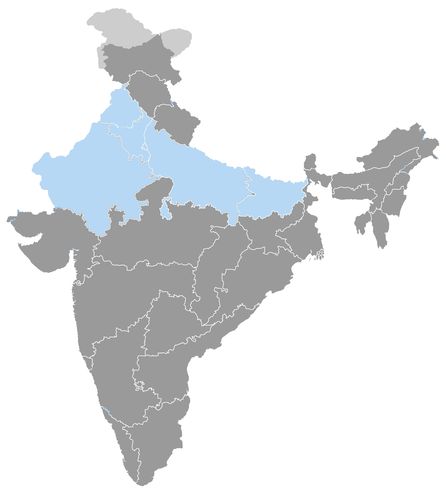
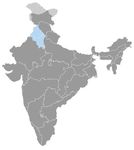
Bihar, Delhi (NTC), Haryana, Punjab, Rajasthan and Uttar Pradesh
Power and Religion in Northern India
In the history of Northern India, religion often served as a tool for political authority. Dynasties generally embraced the dominant faith—Hinduism, Buddhism, or Islam—to strengthen their legitimacy and unify territories that were often vast and culturally diverse. This official identification enabled rulers to rely on the clergy, religious institutions, and traditions to structure society and consolidate royal authority.
At the same time, some dynasties sponsored non-official religions. Such patronage could serve strategic goals: attracting foreign merchants, appeasing influential minorities, or enhancing cultural prestige. Hindu rulers, for instance, funded Buddhist monasteries, and Muslim rulers sometimes protected Hindu temples.
Unlike medieval Europe, India did not experience large-scale religious wars. However, tensions did arise when certain cults were deemed politically undesirable or doctrinally incompatible. These situations could lead to closures, destruction, or conversion of places of worship, often in the context of political rivalries rather than purely theological disputes. This complex interplay between power and religion reflects the cultural mosaic of Northern India and the necessity for rulers to navigate a plurality of beliefs.
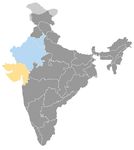
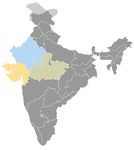
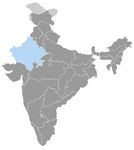
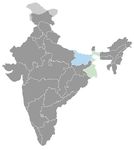
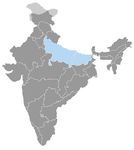
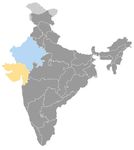
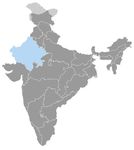
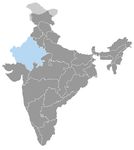
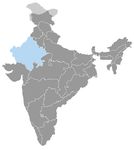
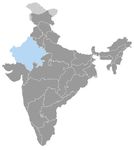
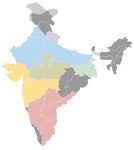
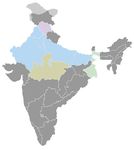
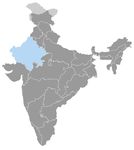
This page organises the dynasties of North India, according to a chronological structure based on millennia and centuries. The associated maps indicate the present-day location of the relevant states and link to the detailed pages.
4th millennium BCE
33rd century BCE
1st millennium BCE
6th century BCE
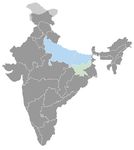
Dominant religion: Hinduism
Supported or encouraged religion: Buddhism.
( Bihar, Uttar Pradesh and Jharkand )
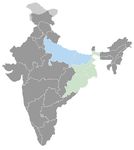
Dominant religion: Hinduism
Supported or encouraged religions, depending on the period: Buddhism, Jainism.
( Bihar, Odisha, Uttar Pradesh, West Bengal and Jharkand )
5th century BCE
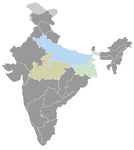
Dominant religion: Hinduism
Supported or encouraged religion: Buddhism.
( Bihar, Delhi (NTC), Madhya Pradesh, Punjab, Uttar Pradesh, West Bengal, Haryana and Jharkand )
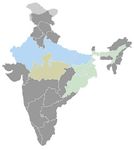
Dominant religion: Hinduism
Supported or encouraged religions, depending on the period: Buddhism, Jainism.
( Assam, Bihar, Madhya Pradesh, Odisha, Rajasthan, Uttar Pradesh and Jharkand )
4th century BCE
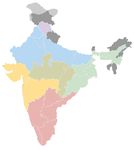
Dominant religions, depending on the period: Hinduism, Buddhism
Supported or encouraged religion: Jainism.
( Assam, Bihar, Delhi (NTC), Goa, Gujarat, Himachal Pradesh, Karnataka, Kerala, Madhya Pradesh, Maharashtra, Odisha, Punjab, Rajasthan, Tamil Nadu, Telangana, Uttar Pradesh, Andhra Pradesh, Chhattisgarh, Haryana, Jharkand, Manipur, Meghalaya and Uttarakhand )
2nd century BCE
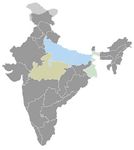
Dominant religion: Hinduism
Supported or encouraged religion: Buddhism.
( Bihar, Madhya Pradesh, Uttar Pradesh and West Bengal )
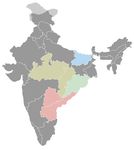
1st century BCE
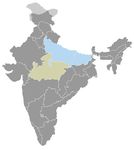
Dominant religion: Hinduism
Supported or encouraged religion: Buddhism.
( Bihar, Madhya Pradesh and Uttar Pradesh )
1st millennium
1st century
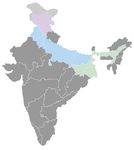
Dominant religion: Buddhism
Supported or encouraged religions, depending on the period: Hinduism, zoroastrianism.
( Bihar, Delhi (NTC), Himachal Pradesh, Punjab, Uttar Pradesh, West Bengal, Haryana, Jammu & Kashmir and Jharkand )
3rd century
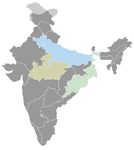
Dominant religion: Hinduism
Supported or encouraged religions, depending on the period: Buddhism, Jainism.
( Bihar, Delhi (NTC), Madhya Pradesh, Odisha, Uttar Pradesh and West Bengal )
5th century
6th century
Dominant religion: Hinduism
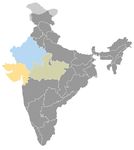
Supported or encouraged religion: Buddhism.
( Bihar, Madhya Pradesh and Uttar Pradesh )
Dominant religion: Hinduism
Supported or encouraged religion: Jainism.
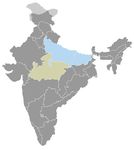
( Delhi (NTC), Gujarat, Himachal Pradesh, Madhya Pradesh, Punjab, Rajasthan, Uttar Pradesh and Haryana )
Dominant religion: Hinduism
Supported or encouraged religion: Jainism.
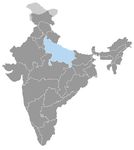
( Delhi (NTC) and Uttar Pradesh )
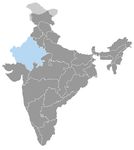
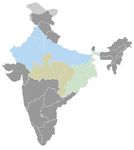
Dominant religions, depending on the period: Hinduism, Buddhism
Supported or encouraged religions, depending on the period: Hinduism, Buddhism, Jainism.
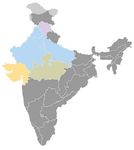
( Bihar, Madhya Pradesh, Odisha, Punjab, Rajasthan, Uttar Pradesh, West Bengal, Chhattisgarh, Haryana and Jharkand )
7th century
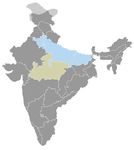
Dominant religion: Hinduism
Supported or encouraged religion: Buddhism.
( Bihar, Delhi (NTC), Madhya Pradesh, Uttar Pradesh and Haryana )
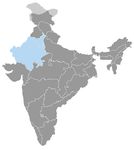
Dominant religion: Hinduism
Supported or encouraged religion: Jainism.
( Delhi (NTC), Rajasthan and Haryana )
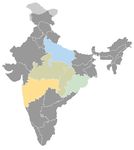
Dominant religion: Hinduism
Supported or encouraged religions, depending on the period: Buddhism, Jainism.
( Madhya Pradesh, Maharashtra, Odisha, Uttar Pradesh and Chhattisgarh )
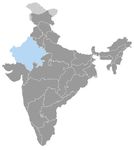
8th century
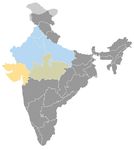
Dominant religion: Hinduism
Supported or encouraged religions, depending on the period: Buddhism, Jainism.
( Delhi (NTC), Gujarat, Madhya Pradesh, Punjab, Rajasthan, Uttar Pradesh and Haryana )
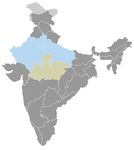
Dominant religion: Hinduism
Supported or encouraged religion: Jainism.
( Delhi (NTC), Madhya Pradesh, Rajasthan, Uttar Pradesh and Haryana )
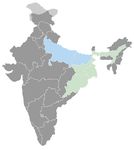
Dominant religion: Buddhism
Supported or encouraged religions, depending on the period: Hinduism, Jainism.
( Assam, Bihar, Odisha, Uttar Pradesh, West Bengal and Jharkand )
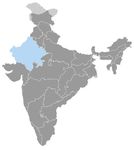
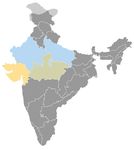
Dominant religion: Hinduism
Supported or encouraged religions, depending on the period: Buddhism, Jainism.
( Gujarat, Madhya Pradesh, Rajasthan and Uttar Pradesh )
9th century
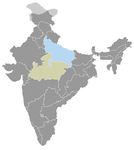
Dominant religion: Hinduism
Supported or encouraged religion: Jainism.
( Madhya Pradesh and Uttar Pradesh )
2nd millennium
11th century
12th century
13th century
Dominant religion: Islam
Supported or encouraged religions, depending on the period: Hinduism, Buddhism, Jainism.
( Bihar, Delhi (NTC), Gujarat, Karnataka, Madhya Pradesh, Maharashtra, Punjab, Rajasthan, Tamil Nadu, Telangana, Uttar Pradesh, West Bengal, Haryana, Jharkand and Uttarakhand )
Dominant religion: Islam
( Bihar, Delhi (NTC), Himachal Pradesh, Madhya Pradesh, Punjab, Rajasthan, Uttar Pradesh, West Bengal and Haryana )
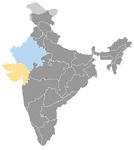
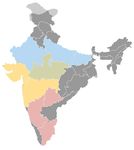
Dominant religion: Hinduism
( Bihar, Delhi (NTC), Gujarat, Karnataka, Madhya Pradesh, Maharashtra, Rajasthan, Tamil Nadu, Telangana and Uttar Pradesh )
14th century
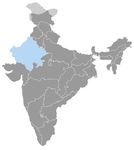
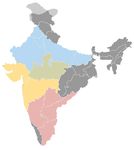
Dominant religion: Islam
( Bihar, Delhi (NTC), Goa, Gujarat, Karnataka, Madhya Pradesh, Maharashtra, Odisha, Punjab, Rajasthan, Tamil Nadu, Telangana, Uttar Pradesh, West Bengal, Andhra Pradesh, Chhattisgarh and Haryana )
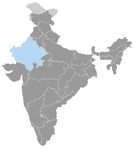
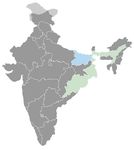
15th century
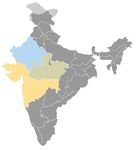
Dominant religion: Islam
Supported or encouraged religion: Hinduism.
( Gujarat, Madhya Pradesh, Maharashtra and Rajasthan )
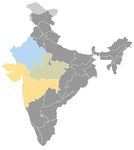
Dominant religion: Islam
Supported or encouraged religions, depending on the period: Hinduism, Jainism.
( Gujarat, Madhya Pradesh, Maharashtra and Rajasthan )
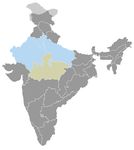
Dominant religion: Islam
Supported or encouraged religion: Hinduism.
( Delhi (NTC), Madhya Pradesh, Punjab, Rajasthan, Uttar Pradesh and Haryana )
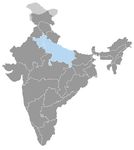
Dominant religion: Islam
( Delhi (NTC), Uttar Pradesh and Haryana )
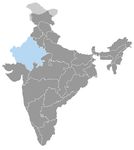
16th century
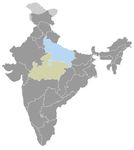
Dominant religion: Hinduism
( Madhya Pradesh and Uttar Pradesh )
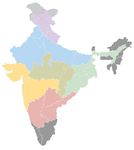
Dominant religion: Islam
Supported or encouraged religions, depending on the period: Hinduism, Jainism, Christianity, zoroastrianism.
( Assam, Bihar, Delhi (NTC), Gujarat, Himachal Pradesh, Karnataka, Ladakh, Madhya Pradesh, Maharashtra, Odisha, Punjab, Rajasthan, Telangana, Uttar Pradesh, West Bengal, Andhra Pradesh, Chhattisgarh, Haryana, Jammu & Kashmir, Jharkand and Uttarakhand )
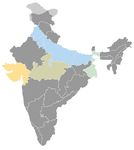
Dominant religion: Islam
Supported or encouraged religion: Hinduism.
( Bihar, Delhi (NTC), Gujarat, Madhya Pradesh, Punjab, Uttar Pradesh, West Bengal and Haryana )
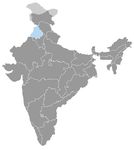
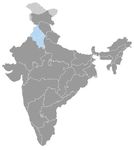
17th century
Dominant religion: Hinduism
Supported or encouraged religion: Islam.
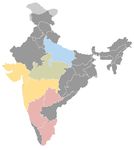
( Gujarat, Karnataka, Madhya Pradesh, Maharashtra, Tamil Nadu, Telangana and Uttar Pradesh )
18th century
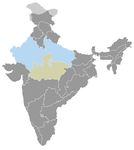
Dominant religion: Hinduism
Supported or encouraged religion: Islam.
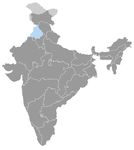
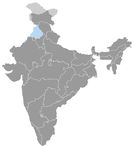
( Madhya Pradesh, Rajasthan and Uttar Pradesh )
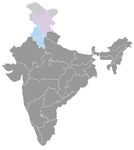
19th century
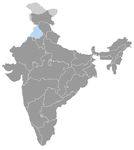

( Assam, Bihar, Delhi (NTC), Gujarat, Himachal Pradesh, Karnataka, Kerala, Madhya Pradesh, Maharashtra, Odisha, Punjab, Rajasthan, Tamil Nadu, Telangana, Uttar Pradesh, West Bengal, Andhra Pradesh, Chhattisgarh, Haryana, Jharkand, Meghalaya, Mizoram, Nagaland, Tripura and Uttarakhand )
20th century
( Assam, Bihar, Delhi (NTC), Goa, Gujarat, Himachal Pradesh, Karnataka, Kerala, Madhya Pradesh, Maharashtra, Odisha, Punjab, Rajasthan, Sikkim, Tamil Nadu, Telangana, Uttar Pradesh, West Bengal, Andhra Pradesh, Chhattisgarh, Haryana, Jharkand, Meghalaya, Mizoram, Tripura and Uttarakhand )