

 Français (France)
  Nederlands (nl-NL)
 • Use the markers to explore the content •

Ladakh, India • on a street in the old town of Leh

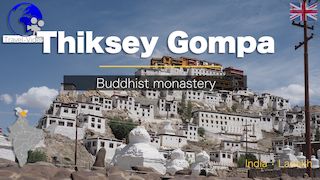
Ladakh, India • Thiksey gompa, Tibetan monastery in Thiksey

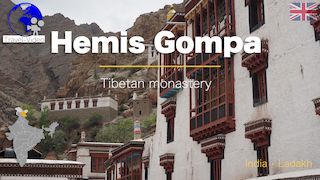
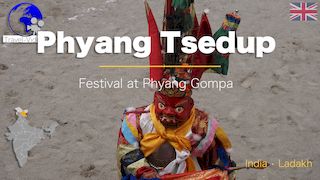
Ladakh, India • Cham festival, Phyang Tsedup at Phyang monastery
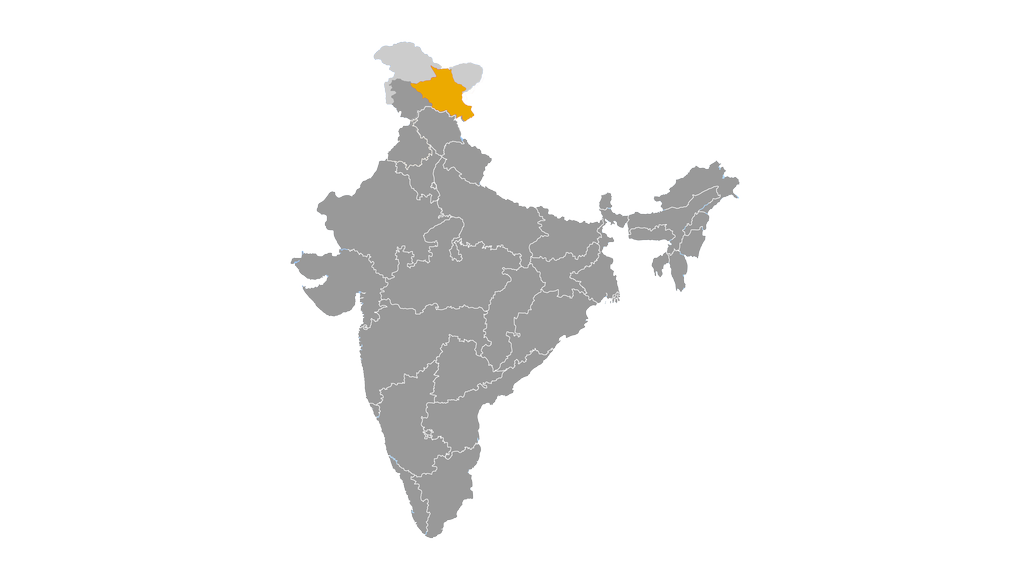
From Himalayan Trade Crossroads to Union Territory: The Historical Evolution of Ladakh
A High-Altitude Region at the Crossroads of Asia
Situated between the Karakoram and the Himalayas, Ladakh occupies one of the most strategic and geographically isolated regions of Asia. For centuries, its mountain passes connected the Indian subcontinent with Central Asia, Tibet and western China, making the region an important centre for trade, cultural exchange and political competition. The history of Ladakh reflects its position at the intersection of Indian, Tibetan, Central Asian and later British influences, while its harsh environment shaped a distinct society adapted to life at extreme altitudes.
Early Human Settlement and Archaeological Evidence
Human occupation in Ladakh dates back several millennia. Archaeological discoveries indicate that hunter-gatherer communities were already present in the region during prehistoric times. Rock engravings and petroglyphs found along the valleys of the Indus River provide valuable information about these early inhabitants. Many of these carvings depict hunting scenes, wild animals and symbols associated with Central Asian cultures.
The Indus Valley offered the most favourable conditions for settlement, providing access to water and relatively fertile land in an otherwise arid landscape. Although Ladakh lay beyond the core area of the Indus Valley Civilization, contacts with neighbouring regions appear likely through early trade routes crossing the mountains.
Over time, populations speaking languages related to the Tibeto-Burman family settled in the area, while Indo-Iranian cultural influences also reached the region from the west. The resulting mixture contributed to the distinctive ethnic and cultural identity that characterises Ladakh today.
The Arrival of Buddhism and Tibetan Influence
The most significant cultural transformation in Ladakh's early history came with the spread of Buddhism. Buddhist traditions reached the region between the first millennium BCE and the early centuries of the Common Era through trade routes linking India with Central Asia and Tibet.
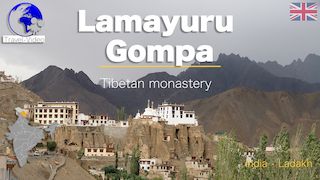
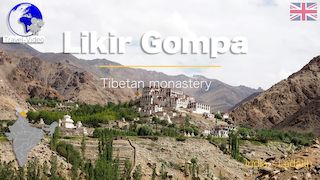
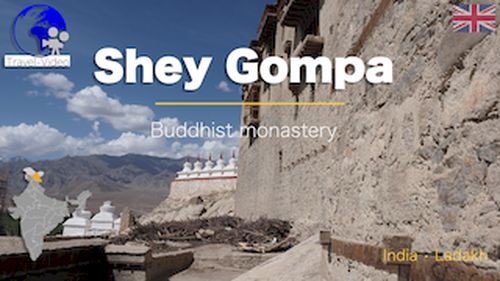
The expansion of the Tibetan Empire during the seventh and eighth centuries brought Ladakh increasingly into the Tibetan cultural sphere. Tibetan administration, language and religious practices became dominant throughout much of the region. Buddhism flourished under royal patronage, leading to the construction of monasteries that would later become among Ladakh's most recognisable landmarks.
The collapse of the Tibetan Empire in the ninth century fragmented political authority across the western Himalayas. Local rulers emerged in various valleys, while Tibetan cultural traditions remained deeply rooted in society.
The Formation of the Kingdom of Ladakh
The political foundations of medieval Ladakh were established in the tenth century by descendants of the old Tibetan royal line who migrated westward after political turmoil in Tibet. These rulers created an independent kingdom centred on the Indus Valley, often referred to as the Kingdom of Maryul, meaning "the lowland kingdom" in Tibetan sources.
Over subsequent centuries, the kingdom expanded its influence over neighbouring regions, including parts of present-day western Tibet and areas near modern Kashmir. Its rulers encouraged the revival of Buddhism and sponsored major religious institutions.
During this period, Ladakh benefited enormously from its role in trans-Himalayan commerce. Caravans carrying silk, wool, tea, precious stones and spices passed through its territory on routes linking Kashmir, Tibet, Yarkand and Central Asia. Trade revenues became a major source of wealth for the kingdom and contributed to the development of urban centres such as Leh.
The Namgyal Dynasty and Regional Expansion
A major turning point occurred in the fifteenth century with the rise of the Namgyal dynasty, which unified much of Ladakh under a stronger central authority. The dynasty ruled the region for several centuries and oversaw one of the most prosperous periods in Ladakhi history.
Under rulers such as Sengge Namgyal during the early seventeenth century, the kingdom expanded territorially and strengthened its political institutions. Sengge Namgyal is often regarded as one of Ladakh's greatest rulers. He promoted trade, encouraged religious patronage and commissioned important architectural projects, including the construction of the famous Leh Palace and numerous monasteries.
The Namgyal rulers maintained close ties with Tibetan Buddhist traditions while simultaneously developing diplomatic relations with neighbouring Muslim states in Kashmir and Central Asia. This combination of religious continuity and commercial pragmatism contributed to political stability.
Conflicts with Tibet and Relations with the Mughal Empire
The strategic position of Ladakh inevitably drew it into regional conflicts. During the late seventeenth century, tensions between Ladakh and Tibet escalated into war. Tibetan forces, supported by Mongol allies, invaded the kingdom and threatened its independence.
Facing military pressure, the Ladakhi rulers sought assistance from the Mughal Empire, which at that time controlled Kashmir under the reign of Aurangzeb. Mughal intervention helped repel the Tibetan advance and preserved the existence of the Ladakhi kingdom.
The resulting Treaty of Tingmosgang in 1684 established new political arrangements between Ladakh and Tibet and regulated trade relations between the two regions. The agreement significantly reduced Ladakh's territorial influence but ensured its survival as an autonomous kingdom.
Unlike many other regions of India, Ladakh experienced only limited direct involvement from the major Indian Sultanates, the Mughal administrative system or the later Maratha expansion. Its mountainous geography and orientation toward Central Asia and Tibet created a distinct historical trajectory.
Dogra Conquest and Incorporation into Jammu and Kashmir
The independence of the Namgyal kingdom ended in the nineteenth century. In 1834, forces led by the Dogra general Zorawar Singh invaded Ladakh on behalf of the expanding Dogra rulers of Jammu.
After a series of military campaigns, Ladakh was incorporated into the Dogra kingdom of Jammu. Subsequent campaigns extended Dogra influence into Baltistan and other neighbouring territories.
Following the First Anglo-Sikh War, the British recognised the Dogra ruler as Maharaja of the princely state of Jammu and Kashmir under British paramountcy. Ladakh consequently became part of this large and strategically important princely state.
British interest in Ladakh stemmed primarily from its location near Central Asia during the geopolitical rivalry known as the Great Game. Trade routes through Leh remained active, although changing political conditions and new transportation networks gradually reduced their economic importance.
Partition, Independence and the First Indo-Pakistani Conflict
The partition of British India in 1947 transformed the political future of Ladakh. When the princely state of Jammu and Kashmir acceded to India, the region became involved in the first conflict between India and Pakistan.
Military operations in the mountainous areas of Ladakh were particularly difficult because of extreme weather conditions and limited infrastructure. Indian forces succeeded in maintaining control over Leh and much of eastern Ladakh, while areas further west became part of territories administered by Pakistan.
The conflict highlighted Ladakh's strategic importance and permanently altered its security environment.
Border Disputes and Strategic Importance after 1947
The decades following independence saw Ladakh become one of India's most sensitive border regions. The construction of roads by China in areas claimed by India contributed to growing tensions that culminated in the Sino-Indian War.
Following the war, China retained control over the high-altitude plateau of Aksai Chin, which India continues to regard as part of Ladakh. Subsequent military confrontations and periodic tensions along the Line of Actual Control reinforced the region's strategic significance.
The wars between India and Pakistan in 1965 and 1971, as well as the Kargil War, further demonstrated the military importance of the surrounding mountain ranges and passes.
At the same time, improvements in transportation and communications gradually integrated Ladakh more closely with the rest of India. Tourism emerged as a major economic activity, while the preservation of Buddhist heritage became an important cultural priority.
The Creation of the Union Territory of Ladakh
For decades, many political organisations in Ladakh argued that the region's cultural identity and geographic isolation required a separate administrative structure from the rest of Jammu and Kashmir.
In August 2019, the Government of India reorganised the former state of Jammu and Kashmir. On 31 October 2019, Ladakh officially became a separate Union Territory without a legislative assembly, consisting primarily of the districts of Leh and Kargil.
The reorganisation represented the most significant political change in Ladakh since the nineteenth century. Supporters argued that direct administration from the central government would improve infrastructure and development, while critics expressed concerns regarding political representation and local autonomy.
Historical Legacy and Contemporary Identity
The history of Ladakh is defined by adaptation to a demanding environment and by its role as a meeting point between civilizations. Successive waves of Tibetan, Central Asian, Indian and British influence produced a society with a distinctive cultural character and remarkable religious diversity.
Today, monasteries overlooking the Indus Valley, ancient caravan routes and historic palaces continue to testify to Ladakh's centuries-old role as a bridge between South Asia and the wider world. Its strategic location ensures that the region remains central to India's geopolitical considerations, while its cultural heritage preserves the memory of a unique Himalayan civilisation.


Ladakh in Contemporary India: Life, Economy and Society on the Roof of the Himalayas
A Strategic Himalayan Territory at the Crossroads of Asia
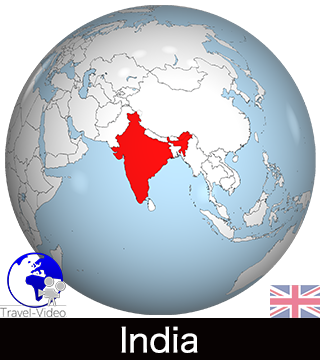
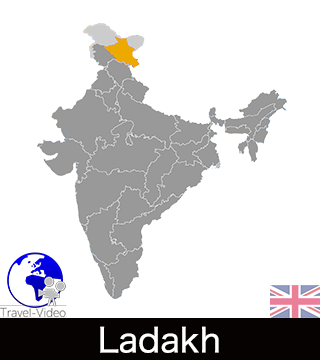
Ladakh is India's northernmost administrative division and one of the highest inhabited regions in the world. Since 31 October 2019, it has formed a separate Union Territory administered directly by the Government of India following the reorganisation of the former state of Jammu and Kashmir. Although often described as the "Land of High Passes", Ladakh is far more than a remote mountain region. Its strategic location at the intersection of South Asia, Central Asia and the Tibetan Plateau has made it an important geopolitical, cultural and economic crossroads.
The Union Territory consists primarily of the districts of Leh and Kargil and covers more than 59,000 square kilometres, making it one of the largest administrative territories in India by area despite having one of the country's lowest population densities.
Geography and Natural Environment
Ladakh lies between the Karakoram Range to the north and the Himalayas to the south. To the east it borders the Tibetan Autonomous Region of China, while Pakistan-administered territories lie to the west and north-west. The region's position near several disputed frontiers gives it considerable strategic significance for India.
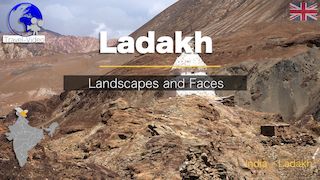
The landscape is dominated by high mountains, deep valleys and extensive plateaus. Much of the territory lies at elevations exceeding 3,000 metres, while numerous mountain passes rise above 5,000 metres. Some of the world's highest motorable roads are located in Ladakh, connecting remote settlements across difficult terrain.
The Indus River is the principal watercourse and forms the backbone of human settlement throughout central Ladakh. Several important tributaries, including the Zanskar, Shyok and Nubra rivers, sustain agricultural communities in otherwise arid environments. The region also contains several high-altitude lakes, among them Pangong Tso, Tso Moriri and Tso Kar, which are internationally recognised for their ecological importance and scenic beauty.
Large parts of Ladakh are protected under environmental conservation programmes. High-altitude ecosystems support species such as the snow leopard, Tibetan wild ass, Himalayan ibex and black-necked crane. Protected areas including Hemis National Park play an important role in wildlife conservation and eco-tourism.
Climate and Environmental Conditions
Ladakh possesses one of the harshest climates in India. Shielded from the monsoon by the Himalayan ranges, it receives very little rainfall and is often described as a cold desert. Annual precipitation in many areas is lower than that of several major deserts elsewhere in the world.
Winters are long and severe, with temperatures in some regions falling below minus 20 degrees Celsius and occasionally much lower in high-altitude settlements. Summers are short but relatively mild, especially in the valleys surrounding Leh and Kargil.
Climate change has become an increasingly important concern. Retreating glaciers threaten traditional water supplies, while changes in snowfall patterns affect agriculture and local ecosystems. The region has become a significant centre for research into high-altitude environmental adaptation and sustainable water management.
Population, Communities and Languages
Ladakh has a population of fewer than 300,000 inhabitants, making it one of India's least populated territories. Most inhabitants live in valleys where agriculture is possible, while vast mountainous areas remain almost uninhabited.
The population is ethnically and culturally diverse. In eastern and central Ladakh, particularly around Leh, communities are predominantly of Tibetan origin and maintain strong cultural links with Tibetan traditions. In western Ladakh, especially around Kargil, populations include groups with historical and cultural connections to Kashmir, Baltistan and Central Asia.
The principal languages spoken include Ladakhi, Balti, Purgi, Shina and Hindi, while English is widely used in administration, education and tourism. Ladakhi belongs to the Tibetic language family and remains an important marker of regional identity.
Religious life reflects this diversity. Tibetan Buddhism is dominant in many parts of Leh district, while Islam, particularly Shia Islam, forms the majority religion in Kargil district. Smaller communities of Sunni Muslims, Hindus, Sikhs and Christians are also present. Relations between communities have generally remained peaceful despite cultural and religious differences.
Cities and Administrative Organisation
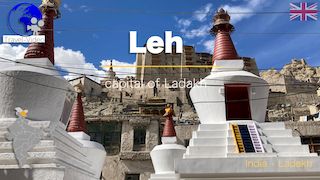
Leh is the largest urban centre and serves as the administrative capital of the Union Territory. It functions as the principal centre for government administration, tourism, commerce and education. The town also acts as the main gateway for visitors arriving by air or road.
Kargil is the second-largest urban centre and serves as the administrative headquarters of Kargil district. It occupies a strategic position on the route linking Kashmir with Leh and plays an important role in regional trade and transportation.
Unlike Indian states, Ladakh does not possess a legislative assembly. The territory is administered by a Lieutenant Governor appointed by the central government. Local administration is supported by autonomous hill development councils in Leh and Kargil, which exercise important responsibilities in local governance and development planning.
Transportation and Connectivity
Geographical isolation remains one of Ladakh's defining characteristics. For many decades, mountain barriers limited communication with the rest of India for several months each year.
Today, road infrastructure has improved considerably. The Srinagar-Leh Highway connects Ladakh with the Kashmir Valley through the Zoji La pass, while the Manali-Leh Highway links the region with Himachal Pradesh through several high-altitude passes. These roads remain vulnerable to snow closures during winter, although tunnel construction projects aim to improve year-round access.
Air transport plays a crucial role in maintaining connectivity. Leh Airport provides regular flights to major Indian cities including Delhi, Chandigarh and Srinagar. Military aviation infrastructure is also highly developed because of the region's strategic importance.
Ladakh currently has no railway network. However, proposals for future rail links connecting the region with northern India continue to be studied due to their potential economic and strategic value.
Economy in a High-Altitude Environment
Ladakh's economy has undergone significant transformation during recent decades. Traditional agriculture and animal husbandry remain important in rural communities, but tourism and services have become major sources of income.
Agriculture is constrained by altitude and limited water resources. Farmers cultivate barley, wheat, peas and vegetables during the short growing season. Irrigation systems based on glacial meltwater continue to support cultivation in many villages.
Livestock breeding remains economically important, particularly the raising of yaks, sheep and goats. The production of pashmina wool from Changthangi goats represents one of Ladakh's most famous and valuable products. This fine wool is exported to other parts of India, especially Kashmir, where it is transformed into luxury textiles and shawls.
Tourism has emerged as one of the leading sectors of the economy. Visitors are attracted by mountain landscapes, Buddhist monasteries, trekking routes and adventure sports. Cultural tourism, wildlife tourism and motorcycle tourism have all expanded rapidly during the twenty-first century.
The public sector and military presence also contribute substantially to employment and infrastructure development.
Education, Research and Scientific Importance
Ladakh has become an important centre for research into high-altitude environments, climate adaptation and mountain ecology. Educational institutions and research centres study glaciology, renewable energy and sustainable development under extreme conditions.
The region has attracted international attention for innovative approaches to architecture and environmental management adapted to cold desert conditions. Solar energy projects and passive heating techniques have become increasingly important in reducing dependence on imported fuels.
Educational opportunities have expanded significantly since independence, although providing services to scattered mountain communities remains a considerable challenge.
Cultural Life and Living Traditions
Despite rapid modernisation, Ladakh has retained a strong cultural identity. Monasteries continue to play a central role in social and religious life, particularly in Buddhist communities.
Festivals remain among the most visible expressions of local culture. Celebrations featuring masked dances, music and religious ceremonies attract both local residents and visitors. Traditional forms of architecture, wood carving, metalwork and thangka painting continue to be practised, although many artisans face competition from industrial products and imported goods.
Cuisine reflects the region's climatic conditions and historical trade connections. Barley-based foods, butter tea and dishes influenced by Tibetan and Central Asian traditions remain common throughout the territory.
Contemporary Challenges and Future Prospects
Modern Ladakh faces a complex combination of opportunities and challenges. Economic development and tourism have improved living standards and expanded employment opportunities, yet they also place pressure on fragile ecosystems and limited water resources.
Population growth, urban expansion around Leh and increasing numbers of visitors have raised concerns regarding waste management and environmental sustainability. At the same time, climate change threatens glaciers that provide water for agriculture and daily life.
The region's location along sensitive international borders ensures that security considerations remain central to infrastructure planning and economic policy. Balancing strategic requirements, environmental protection and local aspirations for political representation will remain among Ladakh's principal challenges in the coming decades.
Contemporary Ladakh therefore stands at the intersection of tradition and modernity, combining ancient cultural landscapes with increasing integration into the economic and political life of modern India while preserving a distinctive identity shaped by centuries of life in the high Himalayas.