

 Français (France)
  Nederlands (nl-NL)
 Map of places or practices featured in a video published on this site
• Use the markers to explore the content •
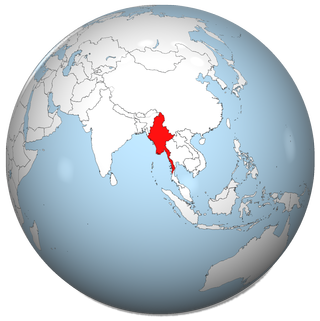
The Historical Evolution of Myanmar from Ancient River Civilizations to the Modern State
Early Human Settlement and Prehistoric Cultures
The history of Myanmar, formerly known internationally as Burma, extends back many thousands of years and reflects the country's position at the crossroads of South Asia, China and mainland Southeast Asia. Situated between the Indian subcontinent and southern China, the territory that now forms Myanmar has long served as a corridor for migration, trade and cultural exchange.
Archaeological evidence suggests that humans inhabited parts of present-day Myanmar as early as several hundred thousand years ago. Stone tools discovered in the valleys of the Ayeyarwady, Chindwin and Thanlwin rivers indicate the presence of prehistoric hunter-gatherer communities during the Paleolithic period.
By the Neolithic era, beginning around 4000 BCE, agriculture gradually emerged in various regions of the country. Communities began cultivating crops, domesticating animals and producing pottery. Fertile river valleys encouraged the development of permanent settlements, while trade networks connected local populations with neighbouring regions of China and mainland Southeast Asia.
Bronze Age and Iron Age archaeological sites discovered in the Samon Valley and central Myanmar reveal societies that practiced metallurgy, irrigation and long-distance trade. These early cultures laid the foundations for later urban civilizations and political organization.
The Pyu City-States and the Arrival of Indian Influences
The first historically documented political entities in Myanmar appeared during the early centuries of the Common Era with the emergence of the Pyu city-states.
The Pyu were Tibeto-Burman-speaking peoples who established prosperous urban centres in the central plains of the Ayeyarwady basin. Major cities included Beikthano, Halin and Sri Ksetra, which flourished between approximately the second and ninth centuries.
The strategic position of these cities along trade routes linking India and China contributed significantly to their prosperity. Merchants travelling between the two great civilizations crossed Upper Myanmar, bringing not only goods but also ideas, religions and technologies.
Indian cultural influence became increasingly important during this period. Sanskrit inscriptions, Indian scripts and Hindu political concepts were adopted by local elites. Buddhism and Hinduism spread through commercial and diplomatic contacts rather than military conquest.
Chinese chronicles described the Pyu kingdoms as peaceful and prosperous societies where Buddhism played a prominent role in daily life. Monasteries became centres of learning and cultural transmission, while urban planning reflected both local traditions and Indian influences.
The Pyu legacy profoundly shaped the future cultural development of Myanmar, particularly in administration, urban organization and religion.
The Mon Kingdoms and Maritime Connections
While the Pyu dominated central Myanmar, Mon-speaking populations established powerful kingdoms in the southern coastal regions.
The Mon settlements benefited from access to maritime trade routes across the Bay of Bengal and the Andaman Sea. Ports such as Thaton became important centres of exchange linking India, Sri Lanka and Southeast Asia.
The Mon played a decisive role in the transmission of Theravāda Buddhism into mainland Southeast Asia. Religious texts, artistic traditions and architectural styles originating from Sri Lanka and India spread through Mon territories before influencing later Burmese kingdoms.
Mon writing systems, literature and religious institutions exerted considerable influence over the emerging Burmese civilization of the central plains.
The interaction between inland Pyu states and coastal Mon kingdoms created a cultural synthesis that would later characterize much of Myanmar's historical development.
The Migration of the Bamar and the Rise of Pagan
During the ninth century, Bamar-speaking populations migrated southward from the region of present-day Yunnan in southwestern China into the upper Ayeyarwady basin.
These groups gradually established political control over central Myanmar and founded the city of Pagan, known today as Bagan. Over time, Pagan developed into the first great Burmese kingdom and the political foundation of later Myanmar.
The Unification of Central Myanmar
The transformation of Pagan into a major regional power occurred under King Anawrahta, who ruled during the eleventh century.
Anawrahta unified much of Upper Myanmar and expanded his influence into surrounding regions. His conquest of the Mon kingdom of Thaton in 1057 proved particularly significant because it brought Mon scholars, religious texts and artistic traditions to Pagan.
The king officially embraced Theravāda Buddhism and promoted it as the principal religion of the kingdom. This decision had enduring consequences, as Theravāda Buddhism remains the dominant religion of Myanmar today.
Large-scale irrigation projects transformed the dry central plains into productive agricultural lands capable of supporting a growing population and a powerful state.
The Golden Age of Bagan
Between the eleventh and thirteenth centuries, Pagan experienced a remarkable cultural and architectural flourishing.
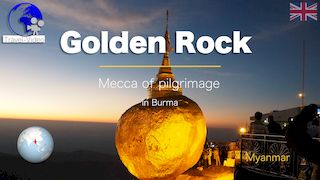
Thousands of temples, monasteries and stupas were constructed across the plains surrounding the capital. These monuments reflected not only religious devotion but also the wealth generated by agriculture and trade.
Bagan became one of the most important centres of Buddhist scholarship in Southeast Asia, attracting monks and pilgrims from neighbouring regions.
At the same time, older animist traditions were not abandoned. The worship of spirits known as nats continued alongside Buddhism, producing a religious syncretism that remains characteristic of Myanmar today.
The Bagan period also saw the consolidation of the Burmese language and script, which gradually became central elements of political and cultural identity.
Mongol Invasions and Political Fragmentation
The prosperity of Pagan eventually attracted the attention of the expanding Mongol Empire under Kublai Khan.
During the late thirteenth century, Mongol forces launched several campaigns against the kingdom. Although the military impact of these invasions remains debated, the political consequences were substantial.
The authority of the central monarchy weakened considerably, and Pagan collapsed in 1287. Myanmar subsequently entered a prolonged period of political fragmentation.
Numerous regional powers emerged, including Shan principalities in the northern and eastern highlands, Burmese kingdoms in Upper Myanmar and Mon states in the south.
This fragmentation did not halt cultural development. Trade continued, and religious institutions remained important centres of continuity throughout periods of political instability.
Rival Kingdoms and Regional Competition
From the fourteenth to the sixteenth centuries, Myanmar was dominated by competition between several major states.
The Kingdom of Ava became the principal Burmese power in Upper Myanmar, while the Mon Kingdom of Hanthawaddy controlled much of Lower Myanmar and the coast.
The prosperity of Hanthawaddy was based largely on maritime trade with India, Sri Lanka and the Islamic world. Ava, by contrast, depended more heavily on agriculture and control over the central plains.
Meanwhile, numerous Shan states exercised varying degrees of autonomy in the mountainous frontier regions.
These competing centres of power produced a complex political landscape characterized by shifting alliances, warfare and cultural interaction.
The Toungoo Dynasty and Imperial Expansion
A new era of political unity began in the sixteenth century with the rise of the Toungoo Dynasty.
King Tabinshwehti initiated the reunification of Burmese territories, but it was his successor Bayinnaung who transformed Toungoo into one of the largest empires in Southeast Asian history.
The Empire of Bayinnaung
Under Bayinnaung, Myanmar expanded far beyond its modern borders. The empire extended into territories corresponding to present-day Thailand, Laos, parts of southern China and northeastern India.
This expansion facilitated the spread of Burmese administrative practices and strengthened the regional influence of Theravāda Buddhism.
Trade flourished across the empire, connecting inland regions with maritime commercial networks stretching from India to China.
Despite its impressive scale, the empire faced serious administrative difficulties. Following Bayinnaung's death in 1581, regional revolts and succession disputes led to its gradual fragmentation.
The Konbaung Dynasty and the Last Burmese Kingdom
In the mid-eighteenth century, Alaungpaya established the Konbaung Dynasty and reunified much of Myanmar.
Konbaung rulers pursued aggressive military expansion and fought numerous wars against Siam, the Qing Empire and neighbouring states.
Several large-scale Chinese invasions between 1765 and 1769 were successfully repelled, strengthening Burmese prestige and regional influence.
However, continued territorial expansion eventually brought the kingdom into direct conflict with the British Empire, which was simultaneously expanding across the Indian subcontinent.
British Conquest and Colonial Transformation
The nineteenth century witnessed the gradual incorporation of Myanmar into the British Empire through a series of military conflicts known as the Anglo-Burmese Wars.
The First Anglo-Burmese War between 1824 and 1826 resulted in the loss of several peripheral territories. The Second Anglo-Burmese War in 1852 brought Lower Burma under British control.
The Third Anglo-Burmese War in 1885 ended with the annexation of Upper Burma and the exile of King Thibaw, the last Burmese monarch.
Myanmar became part of British India before being administered as a separate colony from 1937 onward.
Economic and Social Change
Colonial rule transformed Myanmar's economy and society.
The Ayeyarwady Delta became one of the world's leading rice-exporting regions. Railways, ports and roads were constructed to facilitate agricultural exports and resource extraction.
Large numbers of migrants from British India arrived to work in administration, trade and labour-intensive industries. Chinese communities also expanded their economic influence in urban centres.
These demographic changes contributed to economic growth but also created social tensions that would later influence nationalist politics.
Western education produced a new generation of Burmese intellectuals and political activists who increasingly questioned colonial rule.
Nationalism and the Second World War
During the early twentieth century, nationalist movements gained strength among students, monks and educated elites.
The most influential nationalist figure was Aung San, who became the leading advocate for Burmese independence.
During the Second World War, Japan invaded Myanmar in 1942 and expelled British forces from much of the country.
Initially, many Burmese nationalists cooperated with Japan in the hope of achieving independence. However, disillusionment with Japanese occupation policies eventually led Aung San and his supporters to switch sides and cooperate with the Allied forces.
Myanmar became one of the principal battlefields of the Southeast Asian theatre of war.
Independence and Ethnic Challenges
Myanmar achieved independence on 4 January 1948 under the leadership of Prime Minister U Nu.
The assassination of Aung San in 1947 deprived the new nation of its most important unifying figure at a critical moment in its development.
The post-independence government faced numerous challenges, including communist insurgencies and armed movements representing various ethnic minorities seeking greater autonomy or independence.
These conflicts contributed to chronic instability and weakened democratic institutions.
Military Rule and the Burmese Way to Socialism
In 1962, General Ne Win seized power in a military coup and established an authoritarian regime based on the so-called Burmese Way to Socialism.
The government nationalized major sectors of the economy and pursued policies of political isolation.
Economic stagnation, declining living standards and international isolation characterized much of the following decades.
Military authorities maintained strict control over political life, the media and civil society while suppressing opposition movements.
Democratic Aspirations and Political Reform
Mass protests erupted in 1988 in response to economic hardship and political repression.
Although the demonstrations were violently suppressed, they marked the emergence of a new democratic movement led by Aung San Suu Kyi, daughter of Aung San.
Her party won a landslide victory in the 1990 elections, but the military refused to transfer power.
International pressure and domestic demands eventually encouraged gradual reforms beginning in 2011. Political liberalization led to elections in 2015 and the formation of a civilian-led government.
Contemporary Challenges and the Return of Military Rule
The democratic transition faced significant challenges, including continuing ethnic conflicts and international criticism regarding the treatment of the Rohingya population in Rakhine State.
In February 2021, the military seized power once again, overthrowing the elected government and ending a decade of political liberalization.
The coup triggered widespread protests, armed resistance and renewed conflict across much of the country.
Historical Legacies in Modern Myanmar
The history of Myanmar is shaped by its position between India, China and Southeast Asia and by the interactions of numerous ethnic and cultural communities.
Theravāda Buddhism, monarchy, river-based agriculture and long-distance trade have all contributed to the formation of Burmese civilization.
At the same time, ethnic diversity and regional identities have remained central features of the country's historical experience.
Modern Myanmar therefore represents both the legacy of centuries of cultural exchange and the continuing challenge of building political unity within one of Asia's most diverse societies.
















Myanmar in the Twenty-First Century: Geography, Society and Change in a Diverse Southeast Asian Nation
A Strategic Country Between South and Southeast Asia
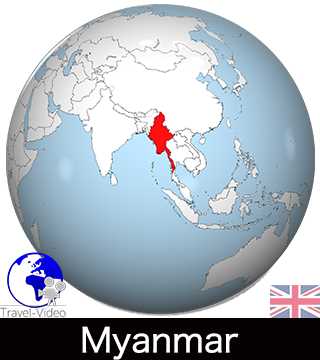
Myanmar occupies a strategic position at the crossroads of South Asia, China and mainland Southeast Asia. Covering more than 676,000 square kilometres, it is the largest country on the Southeast Asian mainland. It shares borders with India and Bangladesh to the west, China to the north and northeast, and Laos and Thailand to the east. Its southern coastline stretches along the Bay of Bengal and the Andaman Sea for almost 2,000 kilometres.
This geographical location has historically made Myanmar an important bridge between major Asian civilizations and trade routes. Today, it continues to occupy a significant geopolitical position between the rapidly growing economies of China, India and the Association of Southeast Asian Nations.
Mountains, River Valleys and Natural Landscapes
Myanmar's geography is dominated by mountain ranges surrounding a central lowland corridor formed by the Ayeyarwady River and its tributaries. The Arakan Mountains run parallel to the western coast, separating the coastal regions from the interior plains, while the Shan Plateau occupies much of the eastern part of the country.
In the far north rise the southern extensions of the Himalayan mountain system, including Hkakabo Razi, the highest peak in Myanmar and Southeast Asia at 5,881 metres.
The Ayeyarwady River serves as the country's principal waterway and historical heartland. Flowing from north to south across the country, it supports agriculture, transportation and settlement before reaching the sea through a vast delta that remains one of Myanmar's most productive agricultural regions.
Other important rivers include the Chindwin, the Ayeyarwady's largest tributary, and the Thanlwin, internationally known as the Salween, which flows through eastern Myanmar before reaching the Andaman Sea.
Myanmar possesses extensive forests, wetlands, mangroves and mountainous ecosystems that support remarkable biodiversity. Asian elephants, clouded leopards, gibbons and numerous endemic bird species remain part of the country's natural heritage.
Climate and Environmental Conditions
Myanmar experiences a tropical monsoon climate characterized by three broad seasons: a cool dry season, a hot dry season and a rainy season dominated by the southwest monsoon.
Rainfall varies considerably across the country. Coastal regions and mountainous areas receive abundant precipitation, while central Myanmar contains a relatively dry zone around Mandalay and Bagan where annual rainfall is significantly lower.
Agriculture remains highly dependent on seasonal rainfall patterns, making climatic variations economically important.
The country also faces growing environmental challenges, including deforestation, soil erosion, flooding and the impacts of climate change. Cyclones originating in the Bay of Bengal periodically cause severe damage, as demonstrated by Cyclone Nargis in 2008, one of the deadliest natural disasters in the country's history.
Population and Ethnic Diversity
Myanmar's population is estimated at approximately fifty-five million inhabitants. One of its defining characteristics is its extraordinary ethnic diversity.
The Bamar, or Burmans, constitute the largest ethnic group and account for the majority of the population. They are concentrated mainly in the central plains and have traditionally dominated political institutions and state administration.
Alongside them live numerous ethnic minorities, including the Shan, Karen, Rakhine, Mon, Kachin, Chin, Kayah and Wa peoples, among many others. Several of these communities inhabit border regions and maintain strong cultural identities linked to their own languages, traditions and historical territories.
This ethnic diversity represents both a major cultural asset and one of the country's most significant political challenges, as demands for greater autonomy have contributed to decades of internal conflict.
Languages and Cultural Identity
The official language of Myanmar is Burmese, which serves as the language of government, education and national media. Written using a script derived from ancient Indian alphabets, Burmese plays a central role in national cohesion.
However, dozens of other languages continue to be spoken throughout the country. Shan, Karen, Kachin, Chin and Mon languages remain important components of regional identity and cultural heritage.
English also retains a certain presence in higher education, tourism and international business due to the legacy of British colonial rule.
Multilingualism is therefore common in many regions, especially among ethnic minority populations living in border areas.
Religion and Contemporary Society
Religion occupies a central place in Myanmar's social and cultural life. Theravāda Buddhism is practiced by the large majority of the population and strongly influences education, community life and national traditions.
Monasteries play an important social role and often serve as centres of learning and local community activities. Buddhist monks continue to hold significant moral authority and occasionally participate in political debates.
Myanmar also contains important Christian communities, particularly among the Chin, Kachin and Karen populations. Muslim, Hindu and animist communities contribute to the country's religious diversity as well.
Many traditional beliefs coexist with Buddhism, including the worship of spirits known as nats, which remain part of popular religious practice.
Major festivals continue to shape public life, particularly Thingyan, the Burmese New Year water festival, and numerous celebrations linked to the Buddhist calendar.
Major Cities and Urban Development
Naypyidaw has served as the administrative capital since 2005. Purpose-built in central Myanmar, it houses government ministries, administrative institutions and military headquarters.
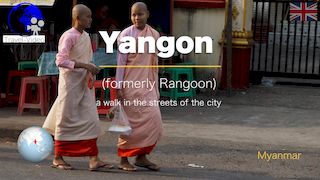
Yangon remains the country's largest city and economic centre. Formerly known as Rangoon, it functions as Myanmar's principal commercial hub and hosts the country's largest port, financial institutions and industrial zones.
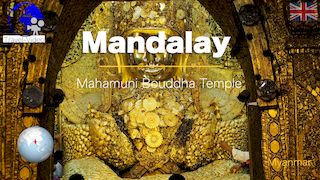
Mandalay serves as the country's cultural and religious centre. As the last royal capital of independent Burma, it remains important for traditional crafts, Buddhist scholarship and regional trade.
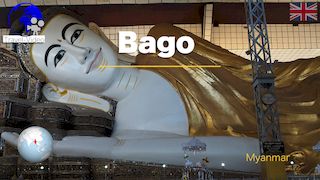
Other significant cities include Mawlamyine, Taunggyi, Bago and Sittwe, each playing important regional economic and administrative roles.
Administrative Organization and Political Structure
Myanmar is officially divided into regions and states. Regions correspond primarily to areas inhabited predominantly by the Bamar majority, while states are associated with major ethnic minority populations.
The country is officially a republic, but political developments since 2021 have significantly altered the institutional landscape. Following the military takeover of February 2021, the armed forces regained direct political control and suspended many aspects of the previous democratic transition.
Several ethnic armed organizations continue to operate in border regions, and political authority remains contested in parts of the country.
This situation has contributed to one of the most complex political and humanitarian crises in contemporary Southeast Asia.
Transportation and Infrastructure
Myanmar's transportation infrastructure reflects both its colonial heritage and recent modernization efforts.
The Ayeyarwady River remains an important transportation corridor for passengers and freight, particularly in regions where road access is limited.
Railways built during the British colonial period continue to connect major cities, although many sections require modernization. Road infrastructure has improved considerably in recent decades, particularly around major urban centres.
Yangon International Airport serves as the country's primary international gateway, while Mandalay and Naypyidaw also possess important airports.
Myanmar's location between China and the Indian Ocean has increased its importance in regional infrastructure projects, including transport corridors linking southwestern China to maritime trade routes.
An Economy Based on Agriculture and Natural Resources
Agriculture remains the backbone of Myanmar's economy and employs a substantial portion of the workforce. Rice is the country's principal crop and staple food, particularly in the fertile Ayeyarwady Delta.
Other important agricultural products include beans, pulses, sesame, sugarcane, maize and tea.
Myanmar possesses significant natural resources, including natural gas, petroleum, copper, tin, tungsten and rare earth minerals. The country is also internationally known for its jade deposits and precious stones, particularly rubies and sapphires.
Forestry has historically played an important economic role, especially through the export of teak timber, although environmental concerns have led to increased regulation.
Manufacturing industries remain relatively limited and focus mainly on food processing, textiles and resource extraction.
Culture, Traditions and Living Heritage
Myanmar possesses a rich cultural heritage shaped by centuries of Buddhist civilization and ethnic diversity.
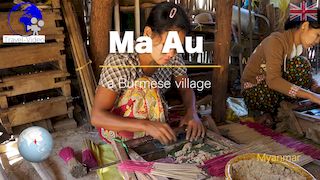
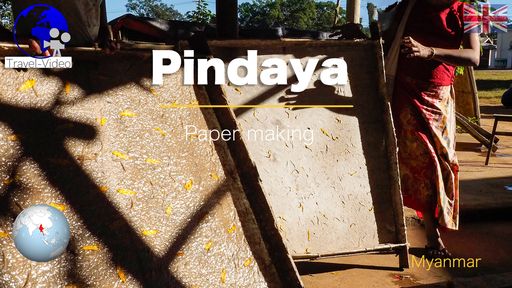
Traditional crafts remain important in many regions. Lacquerware production in Bagan, wood carving in Mandalay, weaving in Shan areas and gold leaf manufacturing continue to support local economies and preserve traditional skills.
Traditional music, dance and puppet theatre remain integral parts of cultural festivals and religious celebrations.
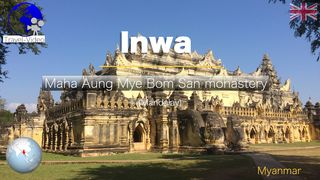
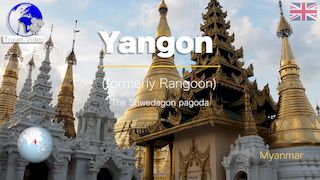
The country's architectural heritage includes some of Southeast Asia's most significant monuments, including the temples of Bagan, the Shwedagon Pagoda in Yangon and the royal heritage of Mandalay.
Tourism has traditionally represented an important source of income, although political instability has significantly affected visitor numbers in recent years.
Contemporary Challenges and Regional Relations
Myanmar faces numerous challenges in the twenty-first century, including political instability, armed conflict, economic uncertainty and humanitarian concerns.
Balancing national unity with ethnic diversity remains one of the country's most difficult political questions. At the same time, improving infrastructure, education and economic opportunities continues to be essential for long-term development.
Myanmar maintains important relationships with neighbouring countries, particularly China, India and Thailand, while also playing a role within the Association of Southeast Asian Nations.
Its strategic location between South Asia and East Asia gives the country considerable geopolitical importance despite its internal difficulties.
The future of Myanmar will depend largely on its ability to reconcile political stability, economic modernization and the aspirations of its diverse communities while preserving the rich cultural heritage that has shaped the country for centuries.