Français (France)
  Nederlands (nl-NL)
 The meal for monks at Kya Khat Waing Monastery in Bago, Myanmar, is a daily ritual reflecting the Buddhist monastic lifestyle. Monks receive food offerings from devotees, symbolizing the spiritual connection between the lay community and the monastic order. This practice emphasizes material detachment and gratitude towards donors, while reinforcing the sense of spiritual interdependence.

Bago • Meal of the Monks at Kya Khat Waing Monastery
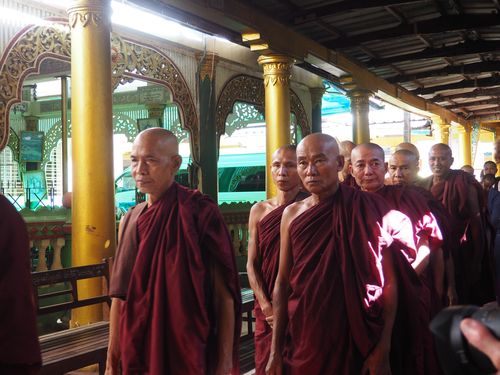
Bago • Meal of the Monks at Kya Khat Waing Monastery
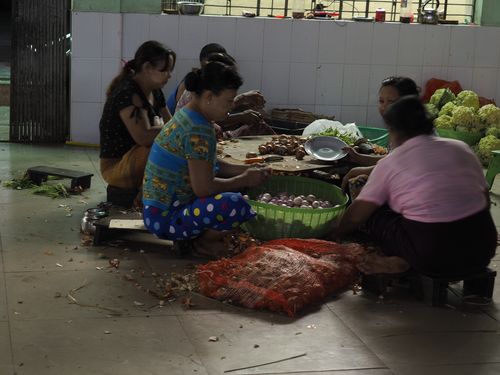
Bago • Meal of the Monks at Kya Khat Waing Monastery
Tradition profile
Meal of the Monks at Kya Khat Waing Monastery
Tradition category: Ritual meal
Tradition family: Religious traditions
Tradition genre: Religious Festivals and Celebrations
Cultural heritage: Buddhist
Geographic location: Bago • Myanmar
• Links to •
• List of videos about Bago on this site •
Bago (Pegu), monks and Buddhas • Myanmar
Monastic Meal Tradition at Kya Khat Waing Monastery: Spiritual Resilience and Cultural Evolution
Social and Political Motivations Behind the Emergence
The tradition of the monastic meal at Kya Khat Waing Monastery in Bago, Myanmar, finds its roots in the 11th century, a period marked by the consolidation of Theravāda Buddhism under King Anawrahta. This era was characterized by a deliberate effort to integrate Buddhist principles into the daily life of the populace, reinforcing the king’s legitimacy while uniting the region under a shared spiritual and cultural identity.
The practice of monks receiving meals from lay devotees emerged as a social and political strategy to strengthen the bond between the monastic order and the wider community. By encouraging the population to donate food to the monks, the ruling elite emphasized generosity (dāna) as a spiritual duty, while subtly reinforcing the social hierarchy where monks were revered as conduits of spiritual merit.
During the British colonial period (1824-1948), the monastic meal gained additional political significance. As Burmese identity became increasingly intertwined with Buddhism, the act of donating food to monks became a symbol of resistance against colonial rule. Monasteries, including Kya Khat Waing, became centers for preserving Burmese culture, with the daily meal serving as a reminder of the enduring power of Buddhist traditions amidst foreign domination.
Historical Milestones and Cultural Impact
- Establishment and Early Expansion (11th-16th century): The tradition of monks receiving daily meals was formalized under King Anawrahta, who established Theravāda Buddhism as the state religion. This practice emphasized renunciation and the interdependence between monks and laypeople, fostering a collective sense of spiritual responsibility.
- Colonial Era and National Identity (1824-1948): The British occupation brought significant cultural and economic upheaval. Monasteries became havens for preserving Burmese traditions, with the monastic meal ritual evolving into a symbol of national identity. The act of offering food to monks was not only a religious obligation but also a subtle act of defiance against colonial forces, who sought to suppress traditional customs.
- Post-Independence and Military Rule (1948-2011):Following independence, the monastic meal continued to serve as a unifying tradition, symbolizing the enduring connection between the monastic order and the broader community. However, under the military regime, monasteries were closely monitored, and the monastic meal ritual became a vehicle for political dissent.
- During the 1988 uprisings and the 2007 Saffron Revolution, monks leveraged the daily meal procession to mobilize public support, transforming a spiritual ritual into a form of peaceful protest against military oppression.
- Modern Era and Tourism (2011-present): Today, the monastic meal tradition at Kya Khat Waing has gained global recognition as a unique cultural practice. The sight of hundreds of monks in saffron robes silently receiving offerings has become a tourist spectacle, attracting visitors seeking to witness an authentic Buddhist ritual.
However, this transformation has sparked debates regarding the commodification of a sacred practice, raising concerns about maintaining the spiritual integrity of the ritual amidst commercial pressures.
Rituals, Symbols, and Their Cultural Significance
- Morning Procession of Monks: Each morning, hundreds of monks line up in silent procession, carrying alms bowls to receive food offerings. This ritual signifies detachment from material possessions and serves as a reminder of the monks’ spiritual commitment to renunciation.
The alms bowl, typically made of blackened metal, symbolizes emptiness and the rejection of material attachments. It also represents the Buddhist concept of impermanence, as each meal received is consumed with gratitude and mindfulness. - The Act of Offering:Lay devotees offer simple, vegetarian meals prepared with care and reverence. The act of giving is considered a meritorious deed, reinforcing the interconnectedness between the monastic community and laypeople.
Devotees often recite prayers or blessings while placing food in the alms bowls, a gesture that underscores the spiritual significance of the act. - Silent Consumption of the Meal:Once the food is collected, monks eat in silence, fostering mindfulness and gratitude. This moment of stillness not only cultivates inner reflection but also serves as a powerful reminder of the monks’ reliance on the laity for sustenance, emphasizing the principle of interdependence in Buddhist philosophy.
Global Context and Comparisons
The monastic meal tradition at Kya Khat Waing shares similarities with other Buddhist and monastic practices worldwide:
- Thailand – Tak Bat: Monks walk through villages each morning, receiving food offerings from laypeople. This ritual reinforces the principles of humility, gratitude, and spiritual merit.
- Sri Lanka – Pindapata: Monks collect alms as a daily practice, symbolizing the reciprocal relationship between monastics and lay devotees.
- Japan – Takuhatsu: Zen monks walk silently through the streets, accepting food while chanting sutras, emphasizing both spiritual detachment and community connection.
Unlike in some regions where the practice has remained strictly monastic, the monastic meal tradition at Kya Khat Waing has evolved into a public spectacle, attracting tourists and photographers. This transformation raises questions about the preservation of spiritual intent amidst commercial interests.
Current Challenges and Preservation Efforts
Today, the monastic meal tradition at Kya Khat Waing faces several challenges:
- Tourism and Commercialization: The influx of tourists has turned the morning procession into a spectacle, disrupting the monks’ meditative focus. Some visitors fail to observe proper etiquette, treating the ritual as a photo opportunity rather than a spiritual practice.
Local vendors have begun selling pre-packaged offerings to tourists, further diluting the ritual’s spiritual significance and shifting focus from genuine merit-making to commercial gain. - Modernization and Media Exposure: With the rise of social media, images of the procession are widely shared, raising concerns about the potential commodification of a sacred ritual.
- Some monks express concern that the ritual’s spiritual essence is being overshadowed by its visual appeal to tourists, leading to a loss of authenticity.
- Cultural and Spiritual Preservation: Efforts are underway to educate visitors about the significance of the ritual, emphasizing respect for monastic customs and proper behavior during the procession.
Monastery authorities have considered restricting access to certain areas to maintain a contemplative atmosphere for the monks, balancing the need for cultural preservation with the pressures of tourism.
UNESCO Recognition and Global Significance
While the monastic meal tradition at Kya Khat Waing has not yet been inscribed on UNESCO’s Intangible Cultural Heritage list, such recognition could provide vital support in preserving its spiritual integrity.
Potential Benefits of UNESCO Recognition:
Increased Awareness: Highlighting the cultural and spiritual significance of the ritual, encouraging respectful behavior from visitors.
Funding and Resources: Access to financial and logistical support for conservation efforts and infrastructure development.
Cultural Education: Initiatives to educate both locals and tourists about the deeper meaning behind the ritual, fostering a more authentic understanding of its spiritual purpose.
Conclusion: A Ritual Under Pressure
The monastic meal tradition at Kya Khat Waing Monastery stands as a living testament to the enduring principles of Theravāda Buddhism — humility, detachment, and spiritual interdependence. From its origins as a simple act of sustenance to its modern iteration as a tourist attraction, the ritual has undergone significant transformations, reflecting broader social and cultural shifts in Myanmar.
However, the growing popularity of the ritual as a tourist spectacle presents a dual-edged sword: while attracting global attention to a centuries-old tradition, it risks overshadowing the spiritual intent with commercial interests. To safeguard its authenticity, stakeholders must strike a delicate balance between welcoming visitors and preserving the sanctity of the practice, ensuring that the monastic meal at Kya Khat Waing remains a symbol of spiritual resilience rather than a mere tourist attraction.
The Monastic Meal Tradition at Kya Khat Waing Monastery: Cultural Significance and Global Perspective
Social and Cultural Innovation at the Time of Emergence
The monastic meal tradition at Kya Khat Waing Monastery in Bago, Myanmar, reflects a profound cultural and social innovation rooted in Theravāda Buddhism. Established in the 19th century, the monastery became a prominent center for Buddhist learning and practice, attracting monks from across the country.
During this period, the tradition of receiving alms evolved as a structured, ritualistic practice that emphasized the Buddhist principles of detachment and interdependence. By relying on lay devotees for their daily sustenance, monks embodied the teachings of the Buddha, reinforcing the reciprocal bond between the monastic order and the laity.
The daily meal ritual served not only as a means of subsistence but also as a symbol of moral and spiritual responsibility. Devotees were encouraged to offer food as a meritorious act, fostering a sense of community and reinforcing social cohesion. This practice was particularly significant during times of political upheaval, when monasteries emerged as sanctuaries for cultural preservation and social stability.
Rituals, Objects, and Symbols: Reflection of Societal Values
- The Morning Procession: Each morning, hundreds of monks at Kya Khat Waing line up in a silent procession to receive alms. This ritual, known as Pindapata, symbolizes humility and detachment from material possessions. The procession is conducted in complete silence, reinforcing the monks’ spiritual focus and serving as a reminder of the impermanence of worldly desires.
- Alms Bowls and Their Symbolism: Monks carry black metal alms bowls, a key element in the ritual. These bowls, given to novices during their ordination, symbolize emptiness and non-attachment. The act of carrying an empty bowl serves as a metaphor for the monks’ renunciation of personal wealth and their dependence on the generosity of the community.
- The Act of Offering Food: Lay devotees prepare simple vegetarian meals, often consisting of rice, vegetables, and fruits. The act of offering food is considered a spiritual act that generates merit (kamma) for both the giver and the receiver.
This exchange underscores the Buddhist belief in interconnectedness, where the laity’s support enables the monks to continue their spiritual practice, while the monks provide spiritual guidance and blessings in return.
Collective Consumption of the Meal:
After receiving the offerings, the monks return to the monastery and consume the meal in silence. This practice fosters mindfulness, emphasizing gratitude and the impermanence of material possessions.
The shared meal also serves as a symbolic representation of equality within the monastic community, as all monks, regardless of rank or seniority, partake in the same simple fare.
Fusion of Regional Customs and External Influences
The monastic meal tradition at Kya Khat Waing is a product of cultural syncretism, blending local Burmese customs with influences from neighboring Theravāda Buddhist countries:
- Indian Buddhist Roots: The practice of alms-giving originated in India during the time of the Buddha, where monks relied on daily alms for sustenance. This tradition was later formalized in Myanmar as part of the Theravāda canon.
- Thai and Sri Lankan Influence: Similar alms-giving rituals, such as Tak Bat in Thailand and Pindapata in Sri Lanka, emphasize humility and spiritual interdependence. The ritualized procession at Kya Khat Waing mirrors these practices, demonstrating the regional exchange of monastic customs.
- Local Burmese Adaptations: In Myanmar, the act of offering food to monks is also associated with auspicious occasions, such as ordination ceremonies and religious festivals. The inclusion of specific local foods, such as sticky rice and tropical fruits, reflects the cultural integration of regional culinary traditions into the monastic meal.
Anecdotes and Notable Statistics
Number of Monks: Kya Khat Waing Monastery is home to approximately 1,500 monks, making it one of the largest monastic communities in Myanmar.
Daily Alms Procession: Every morning, more than 1,000 monks participate in the alms-giving procession, attracting both local devotees and foreign visitors.
Tourist Attraction: The spectacle of hundreds of monks receiving alms has become a major tourist draw, with visitors flocking to witness the ritual and participate in the offering of food.
COVID-19 Impact: During the pandemic, the number of offerings significantly declined, highlighting the monks’ dependence on the lay community for sustenance and underscoring the fragility of the tradition in times of crisis.
Transformation and Contemporary Challenges
- Tourism and Commodification: The morning alms procession at Kya Khat Waing has gained international attention, with tourists eager to photograph the ritual. While this influx of visitors has raised awareness of the tradition, it has also led to concerns over the ritual’s commodification.
- Some monks express unease about the growing tendency to treat the procession as a spectacle rather than a spiritual practice, fearing that the ritual’s profound meaning is being overshadowed by its visual appeal.
- Commercialization of Offerings: Local vendors have begun selling pre-packaged food baskets to tourists, effectively monetizing a practice that was originally rooted in voluntary generosity.
This shift has altered the nature of the ritual, reducing it to a transactional exchange and potentially diluting its spiritual significance.
Maintaining Spiritual Integrity:
- Efforts to preserve the sanctity of the ritual include educational programs for visitors, emphasizing appropriate behavior during the alms procession and the importance of maintaining silence.
- Monastery leaders are also considering measures to limit tourist access to certain areas, ensuring that the ritual space remains a place of spiritual reflection rather than a tourist attraction.
Potential UNESCO Recognition and Global Implications
While the monastic meal tradition at Kya Khat Waing is not yet listed as UNESCO Intangible Cultural Heritage, its inclusion could significantly impact its preservation and international recognition.
Benefits of UNESCO Inscription:
Cultural Awareness: Highlighting the tradition as a living example of Theravāda Buddhist practices, fostering global respect for monastic customs.
Financial Support: Access to funding for educational initiatives aimed at educating tourists about the ritual’s deeper significance.
Preservation Efforts: Resources to develop guidelines that balance tourism with the preservation of spiritual integrity, preventing the ritual from becoming a mere performance.
Conclusion: Balancing Tradition and Modernity
The monastic meal tradition at Kya Khat Waing Monastery stands as a powerful symbol of Buddhist values — humility, generosity, and spiritual interdependence. Over the centuries, it has evolved from a simple act of sustenance into a complex ritual that intertwines religious devotion, social cohesion, and cultural identity.
However, as the ritual gains popularity as a tourist attraction, the challenge lies in maintaining its spiritual essence amidst commercial pressures. Efforts to preserve the tradition must focus on educating visitors about its deeper significance, encouraging respectful participation, and protecting the ritual space from exploitation.
A potential UNESCO inscription could serve as a vital mechanism for safeguarding the tradition, reinforcing its cultural importance while ensuring that its spiritual core remains intact. In an era where cultural practices are increasingly commodified, the monastic meal at Kya Khat Waing remains a compelling reminder of the enduring connection between faith and community in Myanmar.
 Links to the main sections of the site