Français (France)
  Nederlands (nl-NL)
 Central India – Geographic and Historical Overview
Central India lies at the geographical heart of the subcontinent and includes mainly the states of Madhya Pradesh and Chhattisgarh. The region features extensive plateaus, dense forests, and hill ranges such as the Vindhya and Satpura. It is crossed by important rivers like the Narmada, Son, and Mahanadi, and serves as a transitional zone between northern and southern India.
Historically, Central India functioned as a strategic and cultural crossroads. Various regional powers settled there, influenced by Dravidian cultures, the Gangetic plain, and the Deccan plateau. Its central position encouraged the diffusion of religious movements, especially Hinduism, Buddhism, and Jainism, within a landscape marked by cultural coexistence. The region was also a key area for military routes and commercial exchanges linking major zones of ancient India.

Chhattisgarh and Madhya Pradesh
Power and Religion in Central India
Throughout the history of Central India, religion often acted as a cornerstone of political authority. Ruling dynasties typically embraced the dominant faith of their time—Hinduism, Buddhism, or Islam—to affirm their legitimacy and strengthen territorial unity. Official alignment with a major religion allowed rulers to rely on clergy and religious institutions to structure society and consolidate their rule.
Nevertheless, even when a religion held official status, other faiths could receive patronage. This support often had strategic purposes: attracting merchants, appeasing influential minorities, or fostering cultural prestige. Jain temples, for example, were built under Hindu rulers, and Buddhist monasteries were maintained by Muslim patrons.
Unlike medieval Europe, India did not experience large-scale wars of religion. However, certain cults deemed unacceptable or politically undesirable faced occasional tensions. These could result in the closure, destruction, or conversion of places of worship, usually driven more by political rivalry than theological dispute. This complex relationship between power and religion illustrates the region’s cultural diversity and the need for rulers to navigate a mosaic of beliefs.
This page organises the dynasties of Central India, according to a chronological structure based on millennia and centuries. The associated maps indicate the present-day location of the relevant states and link to the detailed pages.
1st millennium BCE
5th century BCE
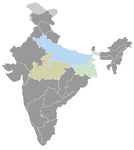
Dominant religion: Hinduism
Supported or encouraged religion: Buddhism.
( Bihar, Delhi (NTC), Madhya Pradesh, Punjab, Uttar Pradesh, West Bengal, Haryana and Jharkand )
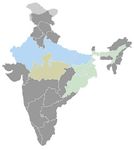
Dominant religion: Hinduism
Supported or encouraged religions, depending on the period: Buddhism, Jainism.
( Assam, Bihar, Madhya Pradesh, Odisha, Rajasthan, Uttar Pradesh and Jharkand )
4th century BCE
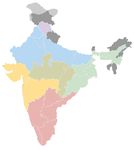
Dominant religions, depending on the period: Hinduism, Buddhism
Supported or encouraged religion: Jainism.
( Assam, Bihar, Delhi (NTC), Goa, Gujarat, Himachal Pradesh, Karnataka, Kerala, Madhya Pradesh, Maharashtra, Odisha, Punjab, Rajasthan, Tamil Nadu, Telangana, Uttar Pradesh, Andhra Pradesh, Chhattisgarh, Haryana, Jharkand, Manipur, Meghalaya and Uttarakhand )
2nd century BCE
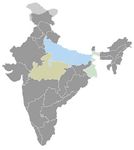
Dominant religion: Hinduism
Supported or encouraged religion: Buddhism.
( Bihar, Madhya Pradesh, Uttar Pradesh and West Bengal )
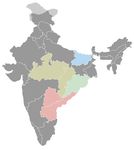
1st century BCE
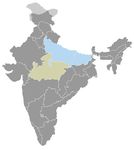
Dominant religion: Hinduism
Supported or encouraged religion: Buddhism.
( Bihar, Madhya Pradesh and Uttar Pradesh )
1st millennium
3rd century
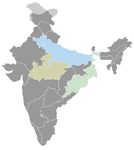
Dominant religion: Hinduism
Supported or encouraged religions, depending on the period: Buddhism, Jainism.
( Bihar, Delhi (NTC), Madhya Pradesh, Odisha, Uttar Pradesh and West Bengal )
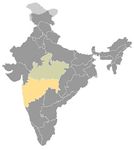
Dominant religion: Hinduism
Supported or encouraged religion: Buddhism.
( Madhya Pradesh and Maharashtra )
5th century
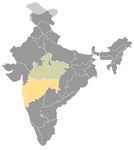
Dominant religion: Hinduism
Supported or encouraged religion: Buddhism.
( Madhya Pradesh and Maharashtra )
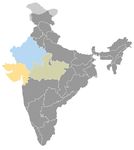
6th century
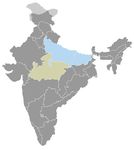
Dominant religion: Hinduism
Supported or encouraged religion: Buddhism.
( Bihar, Madhya Pradesh and Uttar Pradesh )
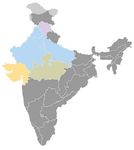
Dominant religion: Hinduism
Supported or encouraged religion: Jainism.
( Delhi (NTC), Gujarat, Himachal Pradesh, Madhya Pradesh, Punjab, Rajasthan, Uttar Pradesh and Haryana )
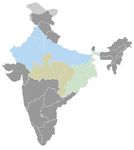
Dominant religions, depending on the period: Hinduism, Buddhism
Supported or encouraged religions, depending on the period: Hinduism, Buddhism, Jainism.
( Bihar, Madhya Pradesh, Odisha, Punjab, Rajasthan, Uttar Pradesh, West Bengal, Chhattisgarh, Haryana and Jharkand )
7th century
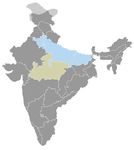
Dominant religion: Hinduism
Supported or encouraged religion: Buddhism.
( Bihar, Delhi (NTC), Madhya Pradesh, Uttar Pradesh and Haryana )
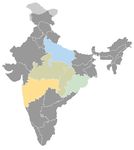
Dominant religion: Hinduism
Supported or encouraged religions, depending on the period: Buddhism, Jainism.
( Madhya Pradesh, Maharashtra, Odisha, Uttar Pradesh and Chhattisgarh )
8th century
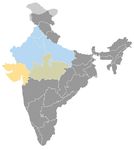
Dominant religion: Hinduism
Supported or encouraged religions, depending on the period: Buddhism, Jainism.
( Delhi (NTC), Gujarat, Madhya Pradesh, Punjab, Rajasthan, Uttar Pradesh and Haryana )
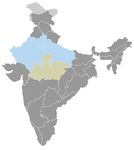
Dominant religion: Hinduism
Supported or encouraged religion: Jainism.
( Delhi (NTC), Madhya Pradesh, Rajasthan, Uttar Pradesh and Haryana )
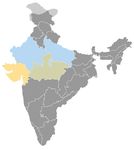
Dominant religion: Hinduism
Supported or encouraged religions, depending on the period: Buddhism, Jainism.
( Gujarat, Madhya Pradesh, Rajasthan and Uttar Pradesh )
9th century
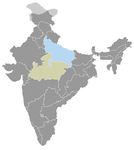
Dominant religion: Hinduism
Supported or encouraged religion: Jainism.
( Madhya Pradesh and Uttar Pradesh )
10th century
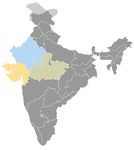
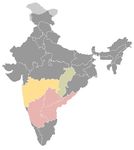
Dominant religion: Hinduism
Supported or encouraged religions, depending on the period: Buddhism, Jainism.
( Karnataka, Madhya Pradesh, Maharashtra, Telangana, Andhra Pradesh and Chhattisgarh )
2nd millennium
13th century
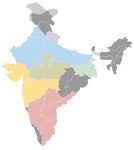
Dominant religion: Islam
Supported or encouraged religions, depending on the period: Hinduism, Buddhism, Jainism.
( Bihar, Delhi (NTC), Gujarat, Karnataka, Madhya Pradesh, Maharashtra, Punjab, Rajasthan, Tamil Nadu, Telangana, Uttar Pradesh, West Bengal, Haryana, Jharkand and Uttarakhand )
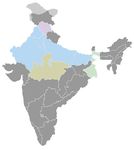
Dominant religion: Islam
( Bihar, Delhi (NTC), Himachal Pradesh, Madhya Pradesh, Punjab, Rajasthan, Uttar Pradesh, West Bengal and Haryana )
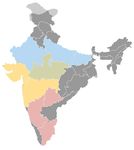
Dominant religion: Hinduism
( Bihar, Delhi (NTC), Gujarat, Karnataka, Madhya Pradesh, Maharashtra, Rajasthan, Tamil Nadu, Telangana and Uttar Pradesh )
14th century
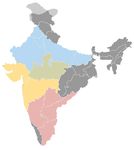
Dominant religion: Islam
( Bihar, Delhi (NTC), Goa, Gujarat, Karnataka, Madhya Pradesh, Maharashtra, Odisha, Punjab, Rajasthan, Tamil Nadu, Telangana, Uttar Pradesh, West Bengal, Andhra Pradesh, Chhattisgarh and Haryana )
15th century
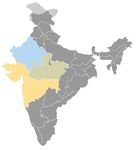
Dominant religion: Islam
Supported or encouraged religion: Hinduism.
( Gujarat, Madhya Pradesh, Maharashtra and Rajasthan )
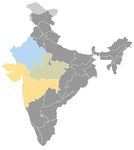
Dominant religion: Islam
Supported or encouraged religions, depending on the period: Hinduism, Jainism.
( Gujarat, Madhya Pradesh, Maharashtra and Rajasthan )
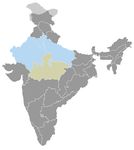
Dominant religion: Islam
Supported or encouraged religion: Hinduism.
( Delhi (NTC), Madhya Pradesh, Punjab, Rajasthan, Uttar Pradesh and Haryana )
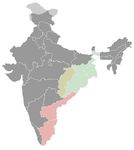
Dominant religion: Hinduism
( Odisha, Tamil Nadu, West Bengal, Andhra Pradesh, Chhattisgarh and Jharkand )
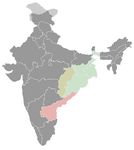
Dominant religion: Hinduism
Supported or encouraged religions, depending on the period: Buddhism, Jainism.
( Odisha, West Bengal, Andhra Pradesh, Chhattisgarh and Jharkand )
16th century
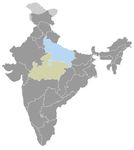
Dominant religion: Hinduism
( Madhya Pradesh and Uttar Pradesh )
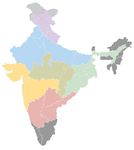
Dominant religion: Islam
Supported or encouraged religions, depending on the period: Hinduism, Jainism, Christianity, zoroastrianism.
( Assam, Bihar, Delhi (NTC), Gujarat, Himachal Pradesh, Karnataka, Ladakh, Madhya Pradesh, Maharashtra, Odisha, Punjab, Rajasthan, Telangana, Uttar Pradesh, West Bengal, Andhra Pradesh, Chhattisgarh, Haryana, Jammu & Kashmir, Jharkand and Uttarakhand )
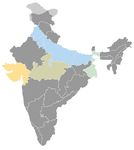
Dominant religion: Islam
Supported or encouraged religion: Hinduism.
( Bihar, Delhi (NTC), Gujarat, Madhya Pradesh, Punjab, Uttar Pradesh, West Bengal and Haryana )
17th century
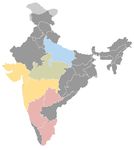
Dominant religion: Hinduism
Supported or encouraged religion: Islam.
( Gujarat, Karnataka, Madhya Pradesh, Maharashtra, Tamil Nadu, Telangana and Uttar Pradesh )
18th century
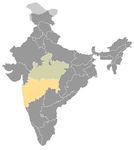
Dominant religions, depending on the period: Hinduism, Islam
( Madhya Pradesh and Maharashtra )
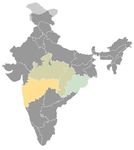
Dominant religion: Hinduism
Supported or encouraged religion: Islam.
( Maharashtra, Odisha and Chhattisgarh )
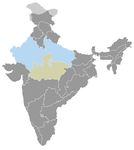
Dominant religion: Hinduism
Supported or encouraged religion: Islam.
( Madhya Pradesh, Rajasthan and Uttar Pradesh )
20th century

( Assam, Bihar, Delhi (NTC), Goa, Gujarat, Himachal Pradesh, Karnataka, Kerala, Madhya Pradesh, Maharashtra, Odisha, Punjab, Rajasthan, Sikkim, Tamil Nadu, Telangana, Uttar Pradesh, West Bengal, Andhra Pradesh, Chhattisgarh, Haryana, Jharkand, Meghalaya, Mizoram, Tripura and Uttarakhand )
 Links to the main sections of the site