Français (France)
  Nederlands (nl-NL)
 00:00 • intro | 00:08 • the city | 03:10 • pottery square | 06:57 • temples and palaces of Bhaktapur | 07:40 • Dattatreya temple | 08:38 • Kedaranatha temple | 09:18 • Nyatapola temple | 10:35 • Bhairavnath temple | 12:03 • royal palace's golden gate | 12:33 • golden fontain of royal palace | 13:10 • the palace of 55 windows | 14:07 • Siddhi Lakshmi temple | 14:40 • bell of Taleju | 15:15 • Vatsala Devi temple | 16:00 • Jaganath temple
Personal creation from visual material collected during my trip Nepal (2024)
• Use the markers to explore the content •
Bhaktapur, Royal City and Living Heritage of Nepal
A historic city in the Kathmandu Valley
Bhaktapur is one of Nepal’s most remarkable historic cities. Located in the Kathmandu Valley, it preserves an exceptional urban landscape where temples, royal courtyards, public squares, traditional houses and active craft districts still form a coherent whole. Once the capital of an independent kingdom and a major centre of Newar culture, Bhaktapur remains one of the finest places to understand the historical development of urban Nepal.
The video offers a journey through streets, ceremonial spaces, shrines and palatial complexes. It reveals a city where daily life continues within a setting shaped over centuries. Bhaktapur is not a museum detached from the present. Worship, commerce, craftsmanship and community life still unfold among monuments of great historical importance.
Its atmosphere differs from many modern cities. Brick-paved lanes, carved timber façades, open squares and temple silhouettes create a strong visual identity. The surrounding valley setting also helps explain why Bhaktapur became an important political and cultural centre for so long.
Major monuments and spaces shown in the video
The first sequences devoted to the city itself highlight the continuity of the historic fabric. Houses built of brick and wood, courtyards and narrow streets show the characteristic architecture of the Kathmandu Valley. The potters’ quarter adds another essential dimension. Clay vessels drying in the open air and workshops integrated into the neighbourhood illustrate how traditional skills remain part of the urban economy.
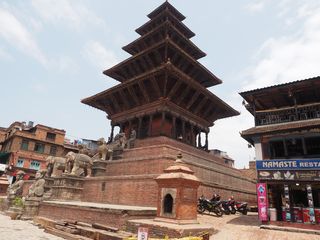
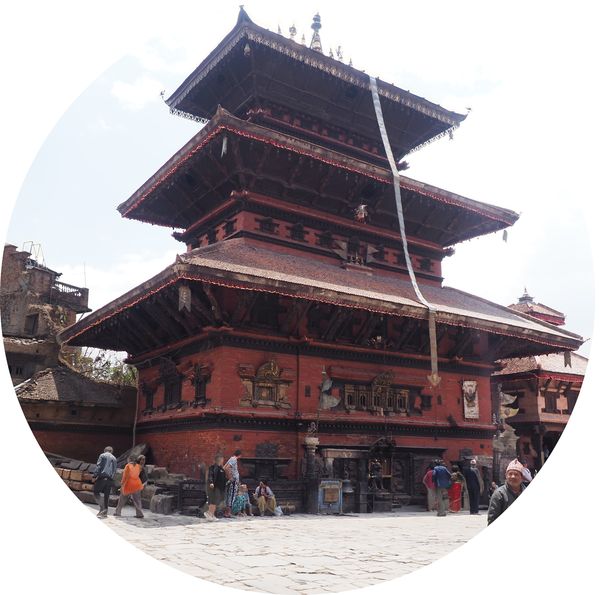
The temples and palaces of Bhaktapur form the central focus of the visit. Nyatapola Temple, with its five rising roofs and monumental stairway, is one of the city’s best-known landmarks and one of Nepal’s most impressive pagoda-style structures. Nearby Bhairavnath Temple contributes to the ceremonial life of the square and reflects the importance of protective deities in local traditions.
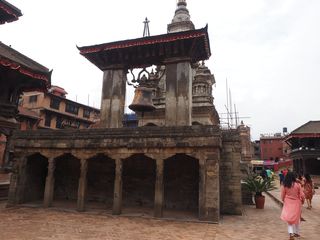
Dattatreya Temple, in another historic quarter, is associated with some of the oldest sacred spaces in the city. Kedaranatha Temple introduces a different architectural expression, showing the diversity of styles found within Bhaktapur. Temples such as Siddhi Lakshmi, Vatsala Devi and Jagannath further demonstrate the density of sacred monuments woven into the urban landscape.
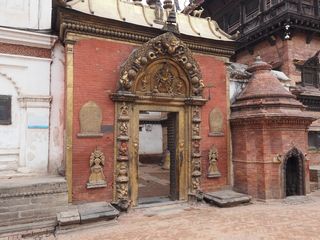
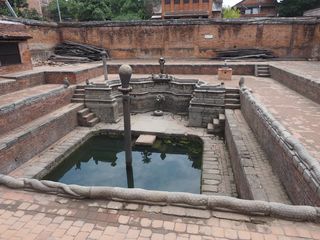
The former royal palace complex is another major highlight. The Golden Gate is celebrated for its refined metalwork and decorative richness. The Palace of 55 Windows displays the elegance of court architecture through rhythm, proportion and carved detail. The Golden Fountain recalls the ceremonial and practical role of water in palace life. The Taleju Bell evokes the former link between monarchy, ritual and public authority.
Historical, architectural and cultural background
Bhaktapur flourished especially during the Malla period, roughly from the late medieval era to the eighteenth century. During these centuries, the city became a major royal capital competing in prestige with Kathmandu and Patan. Rulers invested heavily in temples, public squares, palaces and artistic patronage, leaving a dense concentration of monuments that still defines the city today.
Newar artisans played a decisive role in this achievement. Their mastery of wood carving, brick construction, metal casting and stonework gave Bhaktapur a distinctive architectural language. Intricately carved windows, roof struts, gateways and shrines reveal a high level of technical and artistic sophistication.
Religion also shaped the city profoundly. Hindu and Buddhist traditions coexisted closely, often sharing spaces, festivals and artistic forms. This cultural interaction is visible in iconography, rituals and the urban placement of sacred structures.
Like much of Nepal, Bhaktapur has faced earthquakes across its history, including severe modern events that damaged important monuments. Restoration and reconstruction therefore remain essential aspects of the city’s present reality. Even so, Bhaktapur has retained an exceptional sense of continuity, making it one of South Asia’s most valuable historic urban centres.
What the video makes especially clear
Videos created from carefully selected and animated photographs are particularly effective for a place as detailed as Bhaktapur. They allow viewers to observe façades, timber carvings, stairways, rooflines and sculptural elements without the distraction of hurried movement.
Gradual transitions between images also help explain spatial relationships. A palace façade can be understood in relation to the square before it, while a temple can be seen as both an isolated monument and part of a larger urban composition. This is especially useful in Bhaktapur, where architecture is closely tied to plazas, streets and neighbourhood life.
The format is equally valuable for changes of scale. Wide views show the silhouette of Nyatapola or the structure of Durbar Square, while closer views reveal carved doors, bronze details or decorative stonework. Such progression makes a complex heritage site easier to read.
The inclusion of workshops, streets and inhabited spaces also reminds viewers that Bhaktapur is not only about monuments. It is a living city where craft traditions and everyday routines continue within a historic environment.
A royal city of enduring cultural richness
Bhaktapur brings together royal memory, sacred architecture, artisanal skill and urban continuity in a rare and compelling way. Few cities offer such a concentration of monuments within a setting that remains active and inhabited. The video provides a clear introduction to this remarkable city, while the related detailed pages invite further exploration of its temples, palace complex and enduring cultural heritage.


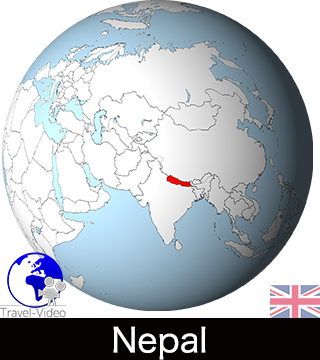
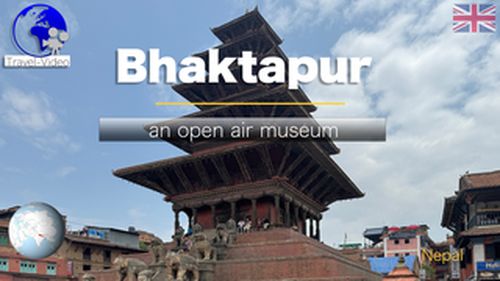
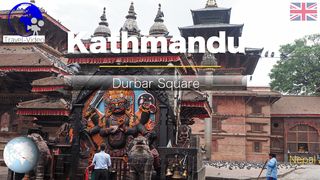
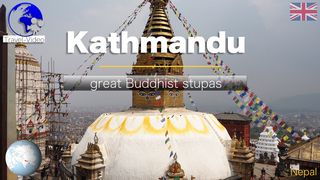
Audio Commentary Transcript
Bhaktapur, the ancient royal city of Nepal, is a true gem of Newar heritage. Known for its majestic temples and stone-paved squares, it embodies the cultural and spiritual legacy of the Kathmandu Valley. Despite the scars left by the 2015 earthquake, which severely damaged its monuments, the city is slowly rising again, balancing tradition and restoration. Exploring Bhaktapur means diving into the living history of an authentic and artisanal Nepal.
In Bhaktapur, pottery is a living heritage, deeply rooted in daily life. In Pottery Square, artisans shape clay by hand before leaving their creations to dry in the open air. Jars, oil lamps, and ritual objects take form, preserving a craft passed down for generations. Despite the challenges of modernity, this traditional art continues to sustain the city, drawing visitors and curious onlookers eager to witness these ancestral techniques. Here, history is shaped in clay and molded by the hands of potters.
Bhaktapur, one of the three royal capitals of Nepal, is famed for its temples and palaces built in a distinctive style blending Indian and local influences. This historic city was one of the three centers of power established following the division of the kingdom upon King Yaksha Malla's death in 1482, shared among his three sons. Each building in Bhaktapur offers a glimpse into the city's cultural and historical significance, reflecting the evolution of Nepalese art and architecture that continues to influence current generations.
Bhaktapur is filled with remarkable monuments that reflect its rich architectural and historical heritage. However, only those within the Durbar Square perimeter are officially listed as UNESCO World Heritage sites. This does not diminish the value of the many temples and palaces spread throughout the city, but it highlights the central importance of this square in Bhaktapur’s international recognition.
Bhaktapur Durbar Square, one of the three great royal squares of the Kathmandu Valley alongside Patan and Kathmandu, reflects the golden age of the Malla dynasty (12th–18th century). Its main monument, the Palace of 55 Windows, embodies Newar refinement. It is accessed through the magnificent Golden Gate, leading to the Taleju Temple, a royal sanctuary. Nearby, the Golden Fountain showcases traditional hydraulic expertise. Despite earthquakes, the square retains its unique historical atmosphere, a testament to Bhaktapur’s former grandeur.
Music :
- - YouTube video library - City Walk - John Patitucci
- - YouTube video library - Martian Outback - John Patitucci
- - YouTube video library - On the Delta - John Patitucci
- - YouTube video library - Soothsayer - John Patitucci
- - YouTube video library - Spaghetti Eastern - John Patitucci
Disclaimer: Despite its appropriateness, copyright issues prevent the use of nepalese traditional music in "Bhaktapur • A Journey Through Nepal’s Historic Wonder", hence the use of royalty-free music. Despite our careful selection, some might regret this decision, which is necessary to avoid potential lawsuits. Although difficult, this decision is the only viable solution.