

 Français (France)
  Nederlands (nl-NL)
 Located in Bhaktapur, Nepal, the Kedaranatha Temple is an iconic Hindu structure, rebuilt in the 17th century. Known for its resilience, it has been restored after being destroyed by earthquakes in 1934 and 2015. The temple showcases traditional Nepalese architecture with its intricate sculptural details and pagoda roofs, serving as a major site for Hindu rituals and local festivities.

Bhaktapur • Kedaranatha temple

Bhaktapur • Kedaranatha temple
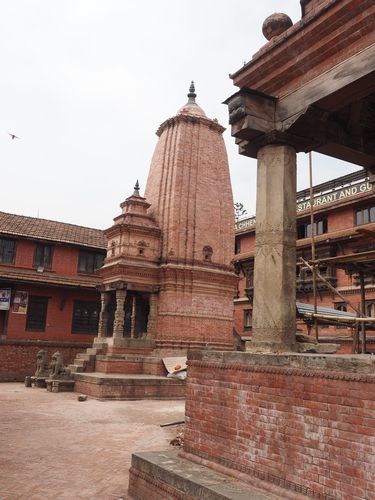
Bhaktapur • Kedaranatha temple
Monument profile
Kedaranatha temple
Monument category: Hindu Temple
Monument family: Temple
Monument genre: Religious
Cultural heritage: Hindu
Geographic location: Bhaktapur • Nepal
Construction period: 17th century AD
• Links to •
• Dynasties that contributed to the construction of the monument •

• List of videos about Bhaktapur on this site •
Bhaktapur • A Journey Through Nepal’s Historic Wonder
Historical Analysis of the Kedaranatha Temple in Bhaktapur, Nepal
Political and Social Context of Construction
The Kedaranatha Temple, nestled in the historic city of Bhaktapur, Nepal, was constructed during the prosperous era of the Malla Dynasty in the 17th century. This period was marked by significant political and social developments as the Malla kings aimed to demonstrate their piety and power through monumental architecture. The construction of the Kedaranatha Temple served not only religious purposes but also as a statement of sovereignty and cultural supremacy over rival city-states within the Kathmandu Valley, namely Kathmandu and Patan.
Major Historical Events Impacting the Site
Throughout its history, the Kedaranatha Temple has witnessed several major events that have shaped its current state. The temple was severely damaged by the devastating earthquake of 1934 and again in the 2015 earthquake, leading to significant restoration efforts that have aimed to preserve its original architectural integrity. These restorations have been crucial in maintaining the temple's historical and cultural significance.
Global Context at the Time of Construction
The 17th century was a time of architectural innovation worldwide, with comparable developments occurring in Europe, such as the completion of St. Peter's Basilica in Vatican City. The Kedaranatha Temple reflects the global movement towards creating enduring religious monuments that not only serve spiritual needs but also demonstrate architectural prowess and innovation.
Transformations of the Monument
Over the centuries, the Kedaranatha Temple has undergone various transformations. Initially designed to withstand the region’s frequent seismic activity, the temple has seen enhancements in its structural stability and architectural details. The Malla kings, known for their patronage of the arts, incorporated elaborate wood carvings and stone sculptures that depict scenes from Hindu mythology, adding both aesthetic and educational value to the temple.
Current Role and Cultural Significance
Today, the Kedaranatha Temple stands as a pivotal element of Bhaktapur’s cultural and religious life. It continues to function as a vibrant center of worship and a tourist attraction, drawing visitors from around the world. The temple’s architecture and ongoing religious practices play a significant role in maintaining the cultural heritage of Bhaktapur, making it a crucial element of the city’s identity.
Conservation Challenges and Modern-Day Preservation
The conservation of Kedaranatha Temple faces challenges typical of historic structures in urban settings, including environmental degradation, urbanization pressures, and the impact of tourism. Efforts to preserve the temple are supported by local and international groups who recognize its importance to global heritage. The temple's location within the UNESCO World Heritage site of Bhaktapur Durbar Square underscores its international significance and the need for ongoing preservation efforts.
This detailed analysis highlights the Kedaranatha Temple’s enduring legacy as a masterpiece of Nepalese architecture, reflecting the historical, cultural, and spiritual aspirations of its creators and its role in the contemporary cultural landscape of Nepal.
Architectural Analysis of the Kedaranatha Temple in Bhaktapur, Nepal
Technological and Architectural Innovations
The Kedaranatha Temple, located in the historic city of Bhaktapur, Nepal, is a landmark of religious significance and architectural mastery. Constructed in the 17th century during the Malla dynasty, the temple showcases several architectural innovations and techniques that were advanced for its time. The builders employed seismic-resistant construction techniques, anticipating the earthquake-prone nature of the region. This includes the use of flexible materials like wood in the structure's core to absorb and dissipate seismic energy, an early example of earthquake-resistant architecture.
Materials and Construction Methods
The choice of materials in the Kedaranatha Temple reflects both the aesthetic and functional considerations of the era. Stone and brick were predominantly used, providing durability and strength. The stones were intricately carved, not just for decoration but also to interlock in a way that enhances the structural integrity of the building. The use of lime mortar, which is flexible compared to modern cement, allowed the structure slight movements during earthquakes without significant damage.
Architectural and Artistic Influences
The architectural style of the Kedaranatha Temple is a fusion of local Newari architectural traditions and broader Indian subcontinental influences, which can be seen in the temple's tiered structure and the use of the shikhara (spire) that is typical of North Indian temples. The carvings and frescoes within the temple include a blend of local deities and motifs from Hindu mythology, showcasing the cultural interchanges between the local traditions and external influences.
Layout and Structure
The spatial organization of the Kedaranatha Temple is complex and was designed to accommodate both the ritualistic needs and the daily influx of devotees. The temple's ground plan is based on a mandala, symbolizing a microcosm of the universe. Notable architectural features include multiple courtyards, each ascending to a sanctum sanctorum where the deity resides. This layered approach not only creates a journey for the worshipper but also integrates the structure harmoniously with its surroundings, adhering to both aesthetic and spiritual tenets.
Notable Statistics and Anecdotes
The Kedaranatha Temple's dimensions are indicative of its grandeur, with the main structure rising to an impressive height that dominates the local skyline. An interesting anecdote related to the temple is its legendary resilience. Despite suffering damage in several earthquakes, it has always been restored to its original form, symbolizing the enduring nature of faith and community in Bhaktapur.
International Recognition and Conservation Issues
Today, the Kedaranatha Temple is recognized not just as a national treasure but also as part of the global cultural heritage, contributing to the historical tapestry of Nepal. Conservation efforts are continually underway to preserve its architectural integrity and artistic value. The challenges include mitigating the wear and tear caused by environmental factors and human interaction, especially in light of increasing tourist traffic which brings both economic benefit and conservation challenges.
The Kedaranatha Temple stands as a testament to the architectural ingenuity and cultural depth of Bhaktapur, reflecting centuries of historical evolution and the spiritual life of its people. Its architecture not only serves as a place of worship but also as a beacon of the historical and cultural ethos of the region.