Français (France)
  Nederlands (nl-NL)
 00:00 • intro | 00:52 • The Nile and the Aswan dams | 02:46 • The Temple of Philae
Personal creation from visual material collected during my trip Egypt (2024)
Map of places or practices in Aswan on this site
• Use the markers to explore the content •
Aswan Between Control of the Nile and the Legacy of the Pharaohs
A strategic city of Upper Egypt
Located in southern Egypt near the historic frontier with Nubia, Aswan has long held a strategic position on the Nile. It served as a commercial gateway, a military outpost, and a major source of granite used in temples, obelisks and royal monuments across ancient Egypt. Today, the city combines dramatic river landscapes, twentieth-century hydraulic engineering and rescued archaeological treasures.
This video highlights two defining aspects of the region. On one side are the Nile and the dams of Aswan, symbols of modern Egypt’s efforts to regulate water, expand agriculture and generate electricity. On the other stands the Temple of Philae, one of the most elegant sanctuaries of the ancient world, dismantled and rebuilt after rising waters threatened its survival.
Aswan is therefore more than a stop on an archaeological itinerary. It is a place where ancient religion, modern state planning and the environmental power of the Nile can all be understood within a single landscape.
The Nile, the dams and the Temple of Philae
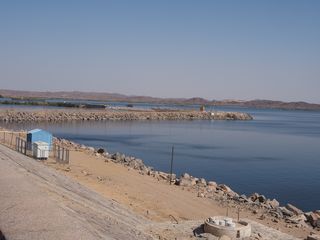
The sequences devoted to the Nile immediately show why the river has always determined life in Egypt. Around Aswan, the channel narrows between granite outcrops, islands and desert shores, creating some of the country’s most memorable scenery. For centuries, this zone controlled movement toward Nubia and central Africa.
The dams of Aswan represent a turning point in that long relationship between people and river. The earlier Aswan Low Dam, first completed under British rule in the early twentieth century and later raised several times, was designed to improve irrigation and regulate seasonal floods. Far more ambitious was the Aswan High Dam, completed in the 1960s, which created Lake Nasser, one of the world’s largest artificial reservoirs.
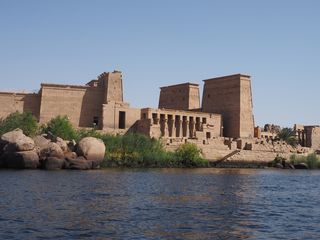
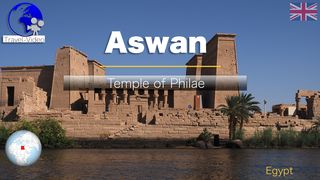
The Temple of Philae forms the second major focus of the video. Dedicated principally to the goddess Isis, the sanctuary became one of the last important religious centres of ancient Egypt to remain active into the Greco-Roman era. When modern dams endangered the island complex, an international rescue campaign carefully relocated the monuments to nearby Agilkia Island.
Few places present such a clear contrast between ancient sacred architecture and modern engineering on a monumental scale.
Historical, architectural and cultural context
Ancient Aswan was known as Syene. Its frontier position made it economically and militarily significant, while its granite quarries supplied stone for statues, columns and obelisks throughout the Nile valley. Egyptian, Nubian, Greek and Roman influences all shaped the region over time.
Philae was developed mainly during the Ptolemaic period after the conquest of Alexander the Great, with additions under Roman rule. The cult of Isis spread far beyond Egypt, reaching the Mediterranean world. Because of this importance, Philae became one of the final centres where traditional Egyptian religion continued after many older temples had declined.
In the twentieth century, control of Nile water became central to Egypt’s economic future. The Aswan High Dam was intended to secure irrigation, reduce destructive flooding and generate hydroelectric power for national development. It also became a political symbol of sovereignty and modernisation during the era of Gamal Abdel Nasser.
These achievements came with major consequences: the relocation of Nubian communities, ecological changes linked to sediment retention, and new patterns of agriculture and water management. Aswan therefore illustrates the balance between progress, heritage and environmental change.
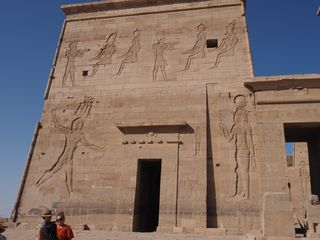
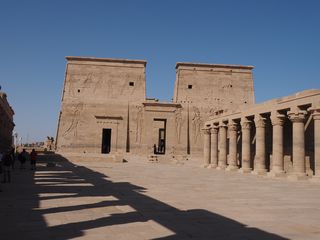
Architecturally, Philae is known for its monumental pylons, elegant colonnades, chapels and finely carved reliefs. The High Dam expresses a very different monumentality, based on mass, geometry and engineering efficiency rather than symbolic decoration.
What the videos on this site make especially clear
Videos created from carefully selected and animated photographs are especially effective for a place like Aswan, where understanding depends on relationships between river, monuments and landscape.
Successive views of the Nile help viewers grasp the width of the waterway, the role of islands and the stark beauty of the desert setting. A sequence of images often explains spatial relationships more clearly than isolated photographs.
For the dams, changing viewpoints reveal the true scale of the structures. Their massive forms, straight lines and immense water retention systems become easier to understand when seen in connection with the surrounding terrain.
At Philae, visual transitions also highlight the importance of arrival by water, an essential part of the site’s historical experience. They show how the temple rises from its island setting and how architecture and river scenery were designed to complement one another.
Closer images bring carved reliefs, columns, inscriptions and decorative details into focus. These elements are often overlooked during a rapid visit but become fully legible through a slower visual presentation.
Most importantly, the contrast between modern hydraulic works and ancient sacred buildings becomes immediately understandable. In Aswan, different eras are not separated—they coexist around the same river.
A region where the Nile connects centuries
Aswan brings together natural grandeur, technological ambition and monumental heritage in an exceptional way. Few regions show so clearly how one river could sustain an ancient civilisation and later shape a modern national project.
The detailed pages linked to this video offer the opportunity to explore further the Aswan High Dam, the Temple of Philae and the enduring historical importance of Aswan in the story of Egypt.




Audio Commentary Transcript
Less known than the famous temples of Abu Simbel, the Temple of Philae was also among the twenty temples relocated during the construction of the Aswan High Dam. This monumental move, orchestrated under the auspices of UNESCO, was not just a technical feat but also a necessity to save these cultural treasures from submersion. Originally located on Philae Island, which was submerged due to the rising waters of the Nile, the temple was meticulously dismantled and rebuilt on Agilkia Island. This exemplary project illustrates the international effort to preserve global heritage in the face of economic demands and major development projects.
In Egypt, 96% of the population lives along a narrow strip of land that extends on either side of the Nile, spanning 1200 km. This historic river is a vital source of fertility but also an agent of destruction, which justified the construction of the Aswan Dam and later the High Aswan Dam to control its floods and generate hydroelectric power. However, these dams have also had significant ecological and social impacts, including altering the Nile’s ecosystems and displacing populations, thus highlighting the Nile’s complex role as both benefactor and destroyer in Egyptian history.
On one side of the Aswan High Dam lies the majestic Lake Nasser, a vast freshwater reservoir covering 5,250 km² and stretching over 550 kilometers through the desert. On the other side, the calmed Nile flows northward, its once devastating floods now controlled by this imposing structure.
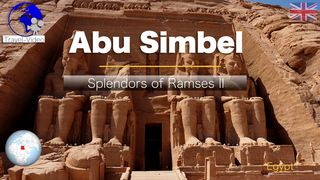
The temples of Philae and Abu Simbel, both rescued from the waters of Lake Nasser, capture the diversity of Egyptian history. Abu Simbel, built about 3000 years ago during the New Kingdom, remains almost intact in its desert isolation. Philae, constructed 1000 years later by the Ptolemaic pharaohs, reflects cultural and religious evolutions. Subject to both influences and deliberate Christian destructions to erase its pagan past, Philae illustrates the profound transformations of ancient Egypt.
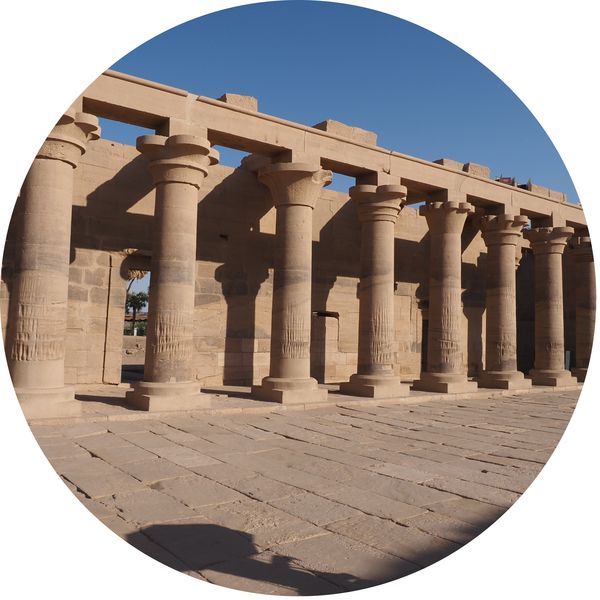
The Temple of Philae, erected by the Ptolemies after Alexander the Great's conquest of Egypt, stands out for its architecture that showcases a deep cultural syncretism. This Greek dynasty skillfully integrated Greek design elements with Egyptian architectural traditions. The columns in the entrance courtyard, adorned with Egyptian motifs and Hellenistic capitals, along with the remarkably fine bas-reliefs that decorate the walls, illustrate this fusion. These elements not only demonstrate the Ptolemies' artistic adaptation but also their desire to align with the lineage of Egyptian pharaohs, thereby asserting their legitimacy and respect for the local culture.
After the era of the Greek pharaohs, the Romans took control of Egypt, eventually adopting Christianity as the state religion in the early 4th century. In this context, the Edict of Theodosius, issued in the late 4th century, led to the looting of pagan temples across the empire, including the temple at Philae. This edict marked the beginning of a systematic destruction of ancient artworks, with the bas-reliefs at the temple of Philae particularly suffering. However, this destruction was not always thorough, as evidenced by the many bas-reliefs that remain intact, revealing a sometimes sporadic application of the decrees of destruction. From this period also date the few crosses engraved at Philae, silent witnesses to the transition towards Christianity. This historical transformation underscores a significant turning point in the temple's history, testifying to the gradual disappearance of the old world in favor of new beliefs, while still preserving fragments of the past that continue to enchant and educate.
Music:
- - YouTube video library - Argonne - Zachariah Hickman
- - YouTube video library - Dissappointment, (© Dissappointment by Kevin MacLeod is licensed under a Creative Commons Attribution 4.0 license. https://creativecommons.org/licenses/by/4.0/
- Source: http://incompetech.com/music/royalty-free/index.html?isrc=USUAN1100481
- Artist: http://incompetech.com/)
Disclaimer: Despite its appropriateness, copyright issues prevent the use of egyptian traditional music in "Aswan, High Dam and Philae Temple • Egypt", hence the use of royalty-free music. Despite our careful selection, some might regret this decision, which is necessary to avoid potential lawsuits. Although difficult, this decision is the only viable solution.