Français (France)
  Nederlands (nl-NL)
 00:00 • intro | 00:45 • Tibetan temple | 03:42 • Shechen Tennyi Dargyeling Monastery (Tibetan) | 04:38 • Chinese temple | 06:12 • Wat Thai Buddhagaya (Thai) | 07:07 • Karma Temple (Tibetan) | 08:19 • Great Buddha | 08:56 • Sujata Stupa | 09:09 • Bakraur village | 09:35 • the school | 11:13 • the village
Personal creation from visual material collected during my trip Buddhist India • Sikkim • Bihar • West Bengal (2017)
Map of places or practices in Bodhgaya on this site
• Use the markers to explore the content •
Bodhgaya, City Temples and Village Life in Bihar
A Sacred Centre with a Living Human Landscape
Bodhgaya, in the Indian state of Bihar, is one of the most important pilgrimage centres in the Buddhist world. According to tradition, it was here that Siddhartha Gautama attained Enlightenment and became the Buddha. For centuries, monks, pilgrims and travellers have come to this place, giving it an importance that reaches far beyond India.
Yet Bodhgaya is more than a single sacred monument. It is also a town shaped by international Buddhist communities, local residents, schools, markets and nearby villages. The video reflects this wider reality by combining religious architecture with scenes of everyday life. Temples from different countries stand not far from rural streets and inhabited neighbourhoods, creating a landscape where global spirituality and local life meet.
International Temples and Nearby Village Spaces
One of the most striking features of Bodhgaya is the variety of monasteries and temples established by Buddhist communities from across Asia. Each one brings architectural forms, decorative traditions and spiritual practices linked to its country or lineage.
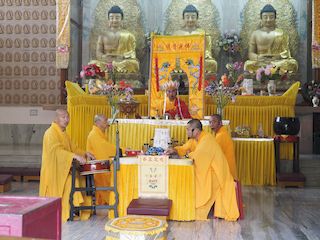
The Tibetan temple and the Shechen Tennyi Dargyeling Monastery reflect Himalayan Buddhist traditions through colourful façades, symbolic ornament, prayer elements and monastic layouts. These buildings connect Bodhgaya with Tibet, Nepal and the wider Tibetan Buddhist world.
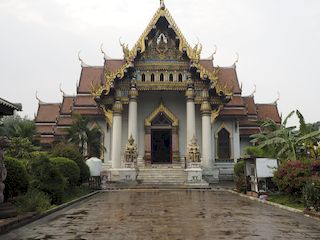
The Chinese temple introduces a different visual language, with balanced rooflines, calmer proportions and design references associated with East Asian Buddhist architecture. Nearby, Wat Thai Buddhagaya presents the elegance of Thai religious design, often recognised through layered roofs, refined ornament and carefully ordered ceremonial spaces.
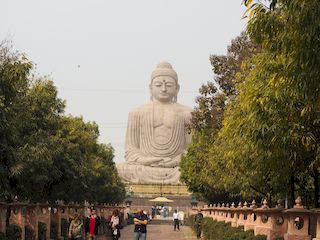
The Karma Temple represents another Tibetan Buddhist presence linked to the Karma Kagyu tradition. The Great Buddha Statue, a modern monumental landmark, has become one of the city’s most visible symbols.
The video also includes the Sujata Stupa, associated with the memory of Sujata, whose offering appears in traditions connected with the Buddha’s path to Enlightenment. Views of Bakraur village, the school and local streets broaden the perspective, reminding viewers that this sacred centre is also part of an inhabited rural and urban environment.
Historical and Cultural Background
Bodhgaya has been revered since the earliest centuries of Buddhism. Pilgrims visited the site from ancient times, and rulers such as Ashoka are linked with the development and protection of Buddhist places of worship. Over time, the site experienced periods of prosperity, decline and renewal.
In the modern era, Bodhgaya regained a central international role. Buddhist nations and communities established monasteries here, transforming the town into a rare architectural gathering place where multiple traditions coexist within a relatively small area. Few places allow visitors to compare so many Buddhist styles in one destination.
This diversity gives Bodhgaya a special identity. It is both an ancient place of memory and a contemporary crossroads of global Buddhism.
Sacred Architecture and Everyday Life
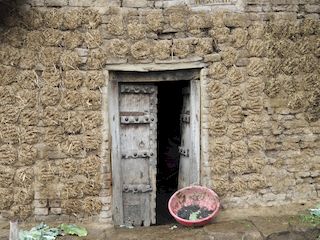
The inclusion of Bakraur village and school scenes adds an important dimension. Around major pilgrimage centres live communities whose daily routines continue beyond ceremonial calendars. Education, local housing, transport and village activity form part of the real setting of Bodhgaya.
Rather than diminishing the sacred atmosphere, these ordinary scenes make the place more complete and human. They show how international pilgrimage is rooted in the social landscape of present-day Bihar.
What These Videos Make Especially Clear
Videos built from carefully selected and animated photographs are particularly effective for a destination like Bodhgaya. They allow viewers to compare architectural styles without haste, noticing roofs, colours, proportions and decorative details that might be missed during a brief visit.
They also make transitions easier to understand. The viewer moves gradually from temple compounds to village roads, from monumental statues to classrooms and homes. This creates a fuller sense of place than a simple sequence of isolated monuments.
Changes of scale are especially readable in this format, from close decorative details to wider urban and rural views. The relationship between sacred sites and surrounding communities becomes clearer step by step.
A Place of Memory and Encounters
Bodhgaya brings together ancient spiritual history, international Buddhist architecture and the daily life of Bihar. The video offers a balanced portrait of this unique destination, attentive both to monuments and to people. For deeper exploration, the related detailed pages provide further insight into the temples, traditions and historic sites connected with one of India’s great sacred centres.


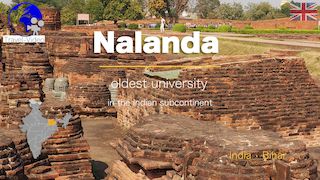
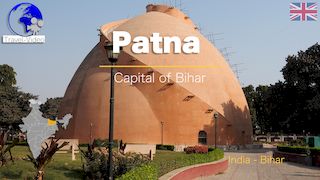
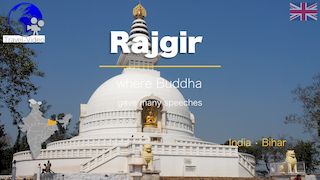
Audio Commentary Transcript
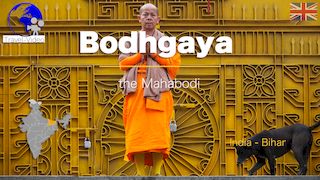
The city of Bodhgaya in the state of Bihar, India is primarily a pilgrimage city associated with the Mahabodi temple complex. The Mahabodi is the subject of another video in this series. Bodhgaya is the city of Bihar (happiness of India) where Buddha reached nirvana and is full of temples.
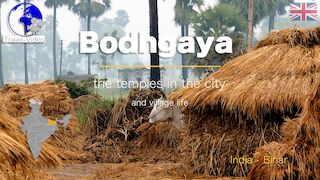
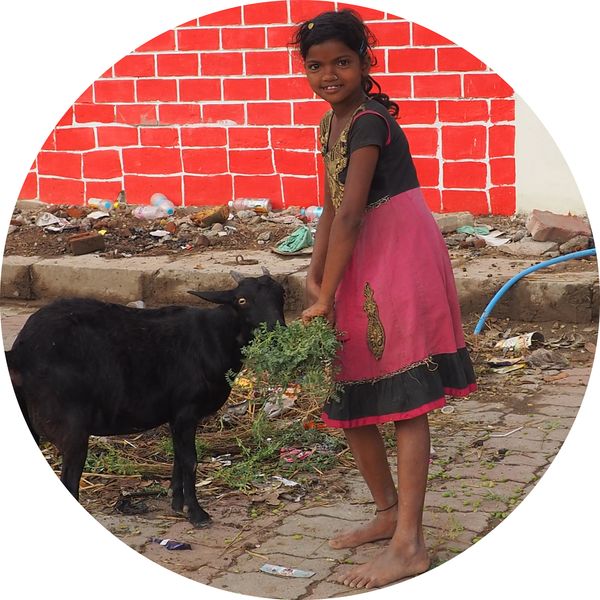
This film shows some of the other temples in the city as well as life in a village in Bihar, a village located on the other side of the Nerandjana river.
Music:
- - YouTube video library - People Watching
- - YouTube video library - Spying in the 60's
- - YouTube video library - The Long Voyage to Outer Space
- - YouTube video library - Vanity reprise
Disclaimer: Despite its appropriateness, copyright issues prevent the use of indian traditional music in "Bodhgaya, temples in town and life in a village • Bihar, India", hence the use of royalty-free music. Despite our careful selection, some might regret this decision, which is necessary to avoid potential lawsuits. Although difficult, this decision is the only viable solution.