

 Français (France)
  Nederlands (nl-NL)
 Map of places or practices featured in a video published on this site
• Use the markers to explore the content •
Réunion Island Today: A French Creole Society in the Heart of the Indian Ocean
A French Territory in the Southwestern Indian Ocean
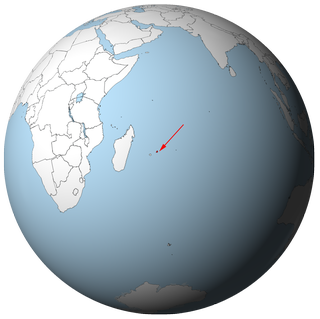
Réunion Island is a French island territory located in the southwestern Indian Ocean, approximately 700 kilometres east of Madagascar and about 170 kilometres southwest of Mauritius. It belongs to the Mascarene Islands, an archipelago that also includes Mauritius and Rodrigues.
The island is both an overseas department and an overseas region of the French Republic. It is also classified as an outermost region of the European Union, meaning that European legislation and institutions apply despite its location thousands of kilometres away from continental Europe.
This dual identity as both a French and European territory situated within the Indian Ocean gives Réunion a unique geopolitical and economic position. The island acts as an important French and European presence in the region while maintaining close economic and cultural ties with neighbouring islands and countries.
A Volcanic Island with Exceptional Landscapes
Réunion is entirely volcanic in origin and possesses one of the most spectacular landscapes in the Indian Ocean.
The island is dominated by the Piton des Neiges, an extinct volcano rising to 3,070 metres above sea level and representing the highest point in the Indian Ocean region. Surrounding this ancient volcano are the three famous natural cirques of Mafate, Salazie and Cilaos, enormous amphitheatre-like depressions created by volcanic collapse and erosion.
In the southeast lies the Piton de la Fournaise, one of the most active volcanoes in the world. Its regular eruptions attract scientists and visitors from around the globe while continuously reshaping parts of the island's landscape.
Numerous rivers descend rapidly from the central mountains toward the coast. Among the most important are the Rivière des Galets, the Rivière Saint-Étienne and the Rivière de l'Est. Although relatively short, these rivers play a crucial role in freshwater supply and hydroelectric production.
Réunion's landscapes include volcanic peaks, tropical forests, waterfalls, deep ravines, coastal cliffs, coral reefs and beaches of both black volcanic sand and white coral sand.
A Unique Natural Environment
The island possesses remarkable biodiversity and a large number of endemic species.
Réunion National Park covers more than 40 percent of the territory and protects much of the island's mountainous interior. In 2010, the Pitons, Cirques and Ramparts of Réunion Island were inscribed on the UNESCO World Heritage List because of their exceptional geological and ecological value.
The island's ecosystems range from tropical rainforests to high-altitude heathlands and coastal marine environments.
However, this natural heritage faces several threats, including invasive species introduced during the colonial period, urban development along the coast and the effects of climate change.
Climate and Environmental Conditions
Réunion enjoys a tropical climate strongly influenced by trade winds and altitude differences.
The western coast, protected from prevailing winds, tends to be sunnier and drier, while the eastern coast receives considerably higher rainfall and ranks among the wettest inhabited regions in the world.
The year is generally divided into a warm and humid season from November to April and a cooler and drier season from May to October.
Like much of the southwestern Indian Ocean, Réunion is exposed to tropical cyclones that can cause severe damage to infrastructure, agriculture and transportation networks.
Climate change, coastal erosion and changes in rainfall patterns are becoming increasingly important environmental concerns for local authorities.
A Population Shaped by Centuries of Migration
Réunion has a population approaching 900,000 inhabitants and is one of the most densely populated overseas territories of France.
The island's population emerged through successive waves of migration over several centuries. Its inhabitants descend from French settlers, African and Malagasy slaves, Indian indentured labourers and migrants from China, the Comoros and other parts of the Indian Ocean region.
This history has created a highly mixed and multicultural society in which ethnic identities are generally less sharply defined than in many neighbouring countries.
Although the population remains younger than that of metropolitan France, demographic ageing is becoming increasingly visible.
Languages and Cultural Identity
French is the official language of administration, education and public institutions.
At the same time, Réunion Creole occupies a central place in everyday life and serves as the first language or preferred means of communication for a large part of the population.
For many years Creole was regarded as an informal spoken language, but it has gradually gained greater recognition in literature, music, media and education.
Most inhabitants are bilingual and move naturally between French and Creole depending on context and social setting.
This linguistic duality represents one of the defining features of contemporary Réunion identity.
Religious Diversity and Social Cohesion
Roman Catholicism remains the largest religion and continues to play an important role in social and cultural life.
Hinduism, introduced by Indian labourers during the nineteenth century, is also highly visible across the island. Colourful Tamil temples are among the most distinctive elements of Réunion's cultural landscape.
Islam is practiced primarily among populations of Indian and Comorian origin, while Buddhism remains present within sections of the Chinese community.
Religious coexistence is generally peaceful, and cultural exchanges between communities have contributed to the development of unique forms of religious and cultural syncretism.
Urban Centres and Administrative Organization
Saint-Denis, located in the north of the island, serves as the administrative capital and largest city of Réunion. It hosts the prefecture, regional institutions, the University of La Réunion and many major public services.
Saint-Pierre is the main urban centre of the south and an important economic hub, while Saint-Paul is one of the largest municipalities by area and population.
Other significant towns include Le Tampon, Saint-André, Saint-Benoît and Le Port.
As an integral part of France, Réunion follows the standard French administrative structure with municipalities, intermunicipal authorities, a departmental council and a regional council.
Transport Infrastructure and Accessibility
The island's mountainous terrain makes transportation infrastructure particularly challenging and expensive to develop.
Road transport forms the backbone of internal mobility. The coastal road linking Saint-Denis to the western coast has long represented a major engineering challenge due to rockfalls and difficult weather conditions.
The New Coastal Road, constructed partly on viaducts and offshore structures, is one of the largest infrastructure projects ever undertaken in overseas France.
Roland Garros Airport near Saint-Denis provides international connections with mainland France, Europe, Africa and neighbouring Indian Ocean islands, while Pierrefonds Airport mainly serves regional destinations.
The commercial port at Le Port remains essential for imports and exports and supports much of the island's economy.
An Economy Dominated by Services
Réunion's economy relies heavily on the service sector, public administration and financial transfers from metropolitan France.
Tourism is one of the island's most dynamic industries, attracting visitors interested in hiking, volcanoes, canyoning, diving and coastal leisure activities.
Agriculture nevertheless retains an important place in certain regions. Sugar cane remains the principal commercial crop and supports a significant sugar industry.
Rum production, vanilla cultivation, lychees and tropical fruits also contribute to the local economy.
Industrial activities remain relatively limited and focus mainly on food processing, construction materials and local manufacturing.
Culture, Music and Traditions
Réunion's culture reflects centuries of interaction between European, African, Malagasy, Indian and Asian influences.
Maloya, originally developed among enslaved populations, has become one of the strongest symbols of local identity. In 2009, UNESCO recognized maloya as part of the Intangible Cultural Heritage of Humanity.
Sega music also occupies an important place in local traditions and festivities.
Cuisine reflects the same cultural diversity, combining French, Indian, Chinese, Malagasy and African influences in a distinctive culinary tradition.
Religious celebrations from Catholic, Hindu, Muslim and Chinese traditions form part of the island's annual calendar and illustrate the multicultural nature of Réunion society.
Contemporary Challenges and Regional Role
Despite enjoying a high standard of living compared with many neighbouring territories, Réunion faces several important challenges.
Unemployment remains significantly higher than in mainland France, particularly among younger people. Economic dependence on public spending and imported goods also represents a structural challenge.
Urban growth, housing shortages, environmental protection and adaptation to climate change are becoming increasingly important issues.
At the same time, Réunion benefits from modern infrastructure, political stability and strong institutional support from both France and the European Union.
Today, the island occupies a unique position in the Indian Ocean as a meeting point between Europe, Africa and Asia, where centuries of migration and cultural exchange have produced one of the most distinctive Creole societies in the world.
Réunion Island Today: A French Creole Society in the Heart of the Indian Ocean
A French Territory in the Southwestern Indian Ocean
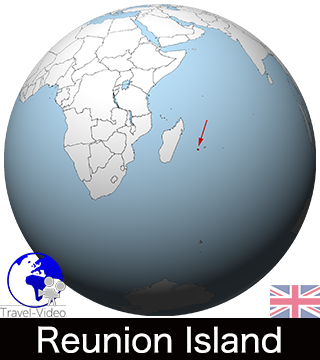
Réunion Island is a French island territory located in the southwestern Indian Ocean, approximately 700 kilometres east of Madagascar and around 170 kilometres southwest of Mauritius. It forms part of the Mascarene Islands, together with Mauritius and Rodrigues.
The island is both an overseas department and an overseas region of the French Republic. It is also one of the outermost regions of the European Union, meaning that European legislation, institutions and policies apply despite its location thousands of kilometres from continental Europe.
This dual identity as both a French and European territory located in the Indian Ocean gives Réunion a unique geopolitical and economic position. The island serves as an important French and European presence in the region while maintaining close relationships with neighbouring countries and islands.
A Volcanic Island with Spectacular Landscapes
Réunion is entirely volcanic in origin and possesses one of the most dramatic landscapes in the Indian Ocean region.
The island is dominated by the Piton des Neiges, an extinct volcano rising to 3,070 metres above sea level and representing the highest point in the Indian Ocean. Around this ancient volcano lie the three famous natural cirques of Mafate, Salazie and Cilaos, enormous amphitheatre-shaped valleys formed by erosion and volcanic collapse.
In the southeast stands the Piton de la Fournaise, one of the world's most active volcanoes. Its frequent eruptions attract scientists and tourists alike and continue to shape the island's geography.
Numerous rivers descend rapidly from the central mountains toward the coast. Among the most important are the Rivière des Galets, the Rivière Saint-Étienne and the Rivière de l'Est. Although relatively short, these rivers are important for freshwater supplies and hydroelectric production.
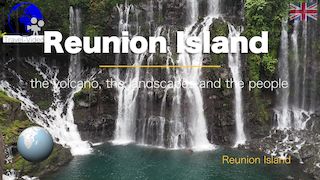
Réunion's landscapes combine volcanic peaks, waterfalls, tropical forests, deep ravines, coastal cliffs, coral reefs and beaches of both black volcanic sand and white coral sand.
Exceptional Natural Heritage
The island possesses remarkable biodiversity and a significant number of endemic species.
Réunion National Park covers more than 40 percent of the island's territory and protects much of its mountainous interior. In 2010, the Pitons, Cirques and Ramparts of Réunion Island were added to the UNESCO World Heritage List because of their outstanding geological and ecological value.
The island's ecosystems range from humid tropical forests and mountain heathlands to coastal wetlands and marine environments protected by coral reefs.
This natural heritage nevertheless faces several threats, including invasive species introduced during previous centuries, urban development along the coast and the effects of climate change.
Climate and Environmental Conditions
Réunion experiences a tropical climate strongly influenced by trade winds and by significant differences in altitude.
The western coast is generally sunnier and drier because it is protected from prevailing winds, while the eastern coast receives abundant rainfall and ranks among the wettest inhabited areas on Earth.
The year is usually divided into a warm and humid season from November to April and a cooler and drier season from May to October.
Like much of the southwestern Indian Ocean, Réunion is exposed to tropical cyclones that can severely affect infrastructure, agriculture and transportation systems.
Climate change, coastal erosion and changing rainfall patterns are becoming increasingly important concerns for local authorities and environmental organisations.
A Population Created by Migration
Réunion has a population approaching 900,000 inhabitants and is one of the most densely populated overseas territories of France.
Unlike many territories, Réunion has no indigenous population. Its inhabitants descend from successive waves of migration that began during the colonial period.
The population includes descendants of French settlers, African and Malagasy slaves, Indian indentured labourers and migrants from China, the Comoros and other parts of the Indian Ocean region.
This history has produced a highly mixed and multicultural society in which ethnic identities are generally less sharply defined than in many neighbouring countries.
Although the population remains younger than that of mainland France, demographic ageing is becoming increasingly visible.
Languages and Cultural Identity
French is the official language used in administration, education and public institutions.
At the same time, Réunion Creole occupies a central place in everyday life and serves as the preferred language of communication for a large proportion of the population.
For many decades Creole was regarded mainly as an informal spoken language, but it has progressively gained recognition in literature, media, music and education.
Most inhabitants are bilingual and move naturally between French and Creole depending on social context and personal preference.
This linguistic duality remains one of the defining characteristics of contemporary Réunion identity.
Religious Diversity
Roman Catholicism remains the largest religion and continues to play an important role in social and cultural life.
Hinduism, introduced by Indian workers during the nineteenth century, is also highly visible throughout the island. Colourful Tamil temples are among the most distinctive elements of Réunion's cultural landscape.
Islam is practiced mainly by communities of Indian and Comorian origin, while Buddhism remains present within parts of the Chinese community.
Religious coexistence is generally peaceful and has contributed to the development of cultural exchanges and forms of religious syncretism unique to the island.
Cities and Administrative Organisation
Saint-Denis, located in the north of the island, serves as the administrative capital and largest city of Réunion. It hosts the prefecture, regional institutions, the University of La Réunion and many public services.
Saint-Pierre is the principal urban centre of the south and one of the island's main economic hubs. Saint-Paul, meanwhile, is among the largest municipalities in terms of both area and population.
Other important towns include Le Tampon, Saint-André, Saint-Benoît and Le Port.
As an integral part of France, Réunion follows the standard French administrative structure based on municipalities, intermunicipal authorities, a departmental council and a regional council.
Transportation and Infrastructure
The mountainous landscape makes transportation infrastructure particularly challenging and expensive to develop.
Road transport forms the backbone of internal mobility. The coastal road connecting Saint-Denis with the western part of the island has long represented a major engineering challenge because of landslides and difficult weather conditions.
The New Coastal Road, built partly on viaducts extending over the ocean, is one of the largest infrastructure projects ever undertaken in overseas France.
Roland Garros Airport near Saint-Denis provides international connections with mainland France, Europe, Africa and neighbouring islands, while Pierrefonds Airport mainly serves regional destinations.
The commercial harbour of Le Port remains essential for imports, exports and maritime trade.
An Economy Dominated by Services
Réunion's economy relies heavily on services, public administration and financial transfers from mainland France.
Tourism is one of the island's most dynamic sectors, attracting visitors interested in hiking, volcanoes, canyoning, diving and coastal activities.
Agriculture nevertheless remains important in several regions. Sugar cane continues to be the main commercial crop and supports a significant sugar industry.
Rum production, vanilla cultivation, lychees and tropical fruits also contribute to local economic activity.
Industrial production remains relatively limited and focuses mainly on food processing, construction materials and local manufacturing.
Culture and Traditions
Réunion's culture reflects centuries of interaction between European, African, Malagasy, Indian and Asian influences.
Maloya, a musical tradition that originated among enslaved populations, has become one of the strongest symbols of local identity. In 2009, UNESCO included maloya on its Representative List of the Intangible Cultural Heritage of Humanity.
Sega music also occupies an important place in local festivities and traditions.
The island's cuisine similarly reflects its multicultural heritage, combining French, Indian, Chinese, Malagasy and African influences.
Religious celebrations from Catholic, Hindu, Muslim and Chinese traditions all form part of the annual cultural calendar and illustrate the multicultural nature of Réunion society.
Contemporary Challenges and Regional Role
Despite enjoying a relatively high standard of living compared with neighbouring territories, Réunion faces several important challenges.
Unemployment remains considerably higher than in mainland France, particularly among younger generations. Economic dependence on public expenditure and imported goods also represents a structural issue.
Urban growth, housing shortages, environmental protection and adaptation to climate change are becoming increasingly important policy priorities.
At the same time, Réunion benefits from modern infrastructure, political stability and strong institutional support from both France and the European Union.
Today, the island occupies a unique position in the Indian Ocean as a meeting point between Europe, Africa and Asia, where centuries of migration and cultural exchange have created one of the most distinctive Creole societies in the world.