

 Français (France)
  Nederlands (nl-NL)
 Maison Folio, located in Hell-Bourg on Réunion Island, is a remarkable residence showcasing the elegance and charm of Creole heritage. The site is celebrated for its characteristic architecture and meticulously designed gardens. The house provides a captivating glimpse into local traditions and cultural influences that have shaped the region. It is a popular destination for visitors, appreciated for its authenticity and the richness of its details. Maison Folio stands as a testament to a bygone way of life while remaining a well-preserved and vibrant space that attracts history and culture enthusiasts.

Reunion Island • Folio House
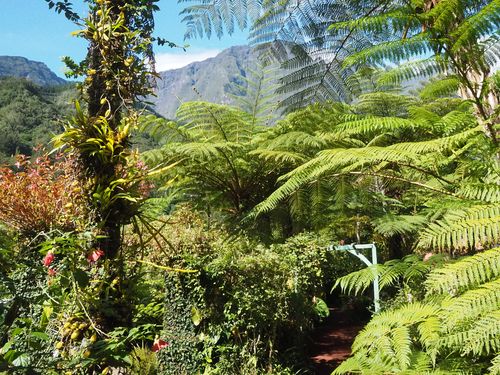
Reunion Island • Folio House

Reunion Island • Folio House
Monument profile
Folio House
Monument categories: Historic house, Museum
Monument families: Historic or traditional habitat • Museum, remarkable architecture or group of buildings
Monument genres: Residential, Cultural or scientific
Geographic location: Hell Bourg • Reunion Island
Construction period: 19th century AD
• Links to •
• List of videos about on this site •
Reunion: the volcano, the landscapes and the people • Reunion Island
Maison Folio: A Symbol of Political and Social Dynamics in Hell-Bourg, Réunion Island
Motivations Behind Its Construction and Historical Context
Maison Folio, built during the 19th century in Hell-Bourg, Réunion Island, reflects the political and social aspirations of the local elite during the colonial era. The construction of such a residence was driven by a desire to assert status and influence in a society undergoing profound transformations. Following the abolition of slavery in 1848, the region witnessed shifts in labor systems and the rise of plantation-based economies, particularly centered on sugar production. The house embodies the ambition to create a visible legacy of wealth, cultural refinement, and adaptation to new socio-economic realities.
Major Historical Events and Their Influence
Hell-Bourg became renowned during the 19th century as a thriving spa town, attracting affluent visitors seeking therapeutic benefits from its hot springs. This influx of wealth and cultural exchange influenced the architectural style and prominence of Maison Folio. However, the decline of thermal tourism in the early 20th century marked a turning point, mirroring broader economic shifts in Réunion's development. These transitions highlight the house’s resilience as a cultural and historical monument, adapting to the ebb and flow of regional priorities.
Global Context and Comparisons
During the 19th century, the world experienced significant transformations, including industrial revolutions in Europe, colonial expansions, and the gradual abolition of slavery across various empires. Comparatively, regions like the Caribbean and Southeast Asia faced similar challenges in redefining labor systems and integrating diverse cultural influences. Maison Folio’s construction and evolution reflect these global dynamics, blending European architectural traditions with local materials and techniques, much like plantation houses in the Caribbean or colonial residences in British India.
Transformations Over the Centuries
Maison Folio has undergone notable transformations in response to changing times and cultural influences. Initially built as a grand residence for a prominent family, it incorporated traditional Creole elements, such as wide verandas, intricate wooden decorations, and vibrant gardens. Over the years, renovations have integrated new materials and styles, reflecting external influences from Asia, Africa, and Europe. These changes underscore the island's role as a cultural crossroads in the Indian Ocean.
Cultural Importance and Current Condition
Today, Maison Folio stands as a testament to the rich heritage of Réunion Island. It has become a cultural landmark, showcasing the ingenuity of Creole architecture and the history of Hell-Bourg. Despite not being listed as a UNESCO World Heritage Site, the house enjoys national and regional recognition, attracting visitors from around the globe. Efforts to preserve its structure and gardens have maintained its charm and authenticity, ensuring it remains a source of pride and education for the local community.
Challenges in Preservation
Preserving Maison Folio faces modern challenges, including climate-related threats like cyclones, humidity, and the effects of global warming. Urbanization and limited funding for restoration also pose risks to its historical integrity. Balancing the need for modernization with respect for traditional techniques requires careful planning and collaboration between conservation experts, government agencies, and local stakeholders.
Conclusion
Maison Folio is more than just a historical residence; it is a living symbol of Réunion Island’s cultural and social evolution. Its architecture, shaped by global influences and local ingenuity, tells a story of resilience and adaptation. Protecting this monument ensures the preservation of a unique legacy that connects the island’s past to its future while fostering global appreciation for Creole heritage.
Architectural Innovation and Cultural Synthesis: The Maison Folio in Hell-Bourg, Réunion Island
Technological Advancements and Innovation in Architecture
Maison Folio, constructed in the 19th century, exemplifies the integration of technological advancements and innovative architectural techniques of its time. The design emphasizes adaptation to the tropical climate of Réunion Island, employing features like wide verandas, high ceilings, and large windows to optimize natural ventilation. Lightweight yet durable materials such as tamarind wood for structural elements and corrugated iron for roofing were chosen to withstand the region's climatic challenges, including cyclones. These choices reflect the ingenuity of local craftsmanship and the incorporation of modern construction practices of the colonial period.
Materials and Techniques Highlighting Grandeur
The construction of Maison Folio utilized a combination of locally sourced and imported materials. The wooden latticework and intricate lambrequins decorating the eaves demonstrate exceptional craftsmanship, blending functional elements with aesthetic refinement. Techniques such as tongue-and-groove paneling for walls ensured durability and ease of assembly. The use of brightly painted finishes on wood added both protection against the humid climate and visual appeal, symbolizing the wealth and status of its original occupants.
Unique Blend of Regional and Foreign Artistic Traditions
Maison Folio is a vivid illustration of cultural fusion, with its architectural elements drawing from diverse influences. The varangue, a hallmark of Creole architecture, serves as a transitional space between the interior and exterior, reflecting the adaptability of local designs. European influences are evident in the symmetrical layout, refined ornamentation, and Victorian-inspired motifs, while Asian aesthetics are subtly integrated into the garden design and decorative patterns. This synthesis of traditions mirrors the multicultural exchanges inherent to Réunion Island's history as a colonial hub.
Notable Structure and Layout
The house features a distinctive "U-shaped" layout, which frames a central courtyard and promotes airflow throughout the residence. This design not only provided practical benefits but also created a space for social interaction and connection to the lush surrounding gardens. The expansive gardens themselves, featuring endemic and exotic plants, were integral to the overall aesthetic, showcasing the owners' engagement with horticultural trends of the era.
Anecdotes and Historical Significance
An intriguing anecdote linked to Maison Folio is its role as a status symbol during the heyday of Hell-Bourg as a spa destination. Wealthy visitors to the thermal baths often admired the house's elegant design, reinforcing its reputation as a model of sophistication. While exact statistics on its construction remain sparse, the quality and preservation of its materials attest to the skill and resources invested in its creation.
Contribution to International Recognition
Although Maison Folio has not been inscribed as a UNESCO World Heritage Site, it enjoys significant regional and national acclaim as a cultural landmark. Its architectural uniqueness and historical significance make it a centerpiece of tourism in Hell-Bourg, which is listed among the "Most Beautiful Villages of France." This recognition has bolstered efforts to preserve the house, ensuring its story continues to captivate visitors.
Challenges in Conservation
Preserving Maison Folio faces several challenges, including exposure to extreme weather conditions and the need for periodic restoration of its wooden structures. Urban development and climate change pose additional risks. Conservation efforts must balance the use of traditional methods with modern protective measures, supported by local and governmental initiatives.
Conclusion
Maison Folio is a remarkable testament to the architectural innovation and cultural synthesis that define Réunion Island's heritage. Its enduring charm lies in its ability to bridge the past and present, showcasing the ingenuity of its creators and the island’s multicultural legacy. By preserving this historic treasure, Réunion Island continues to celebrate its unique identity while inviting global appreciation for its Creole heritage.