Français (France)
  Nederlands (nl-NL)
 The Maison Morange, located in Hell-Bourg on Réunion Island, is a restored Creole house now serving as a museum. It showcases the island’s traditional architecture, blending European influences with local adaptations to the tropical environment. Currently, it houses a museum dedicated to Réunion’s history and culture, providing visitors with an insight into the island’s unique heritage.
Reunion Island • House Morange

Reunion Island • House Morange
Reunion Island • House Morange
Monument profile
House Morange
Monument categories: Historic house, Museum
Monument families: Historic or traditional habitat • Museum, remarkable architecture or group of buildings
Monument genres: Residential, Cultural or scientific
Geographic location: Hell Bourg • Reunion Island
Construction period: 19th century AD
• Links to •
• List of videos about on this site •
Reunion: the volcano, the landscapes and the people • Reunion Island
The Maison Morange in Hell-Bourg: Political Ambitions, Historical Transformations, and Cultural Heritage
The Maison Morange, located in the village of Hell-Bourg in La Réunion’s Salazie cirque, stands as a testament to the island’s colonial past and its rich cultural history. Built in the 19th century, this Creole house reflects the political and social dynamics of the era, serving as both a symbol of economic prosperity and a space adapted to the unique environment of La Réunion. Its history, transformations, and current role as a cultural institution highlight its significance as part of the island’s heritage.
Political and Social Motivations for Construction
The Maison Morange was constructed during a period when Hell-Bourg was a thriving destination for the colonial elite, thanks to its reputation as a spa town with therapeutic hot springs. Built as a residence for a wealthy family, the house embodied the social aspirations and economic status of its owners, reflecting the broader colonial hierarchy of 19th-century La Réunion.
At the time, Creole houses like Maison Morange were architectural expressions of status and cultural identity, blending European influences with local adaptations. The construction also served a practical purpose: Hell-Bourg’s altitude and cooler climate offered relief from the heat of the coast, making it an ideal retreat for affluent families.
Key Historical Events and Regional Impact
Several historical events have shaped the legacy of Maison Morange. In the 19th century, the economic prosperity of La Réunion was tied to the sugarcane industry, which financed the construction of such homes. However, the abolition of slavery in 1848 had profound social and economic consequences, disrupting the plantation economy and reshaping the labor force.
In the early 20th century, the decline of Hell-Bourg’s spa industry, coupled with the abandonment of the thermal baths, led to reduced economic activity in the village. The house, like others in the area, fell into disuse for a time. Its eventual restoration as a museum underscores a shift in focus from economic utility to cultural preservation, reflecting changing attitudes toward heritage and identity.
Global Context and Comparisons
The construction of Maison Morange occurred during a period of colonial expansion and cultural exchange. Similar Creole houses can be found in other French colonies, such as the Caribbean and Southeast Asia, where European architectural styles were adapted to tropical climates.
Maison Morange stands out for its location in the mountainous Salazie cirque, which influenced its design and construction materials. Its elevated position and integration into the lush natural environment set it apart from urban Creole houses in Saint-Denis or coastal areas.
Globally, the 19th century was a time of industrialization and empire-building, with architecture reflecting both technological advancements and cultural shifts. Maison Morange, with its blend of local craftsmanship and colonial influences, aligns with these broader trends.
Transformations Over the Centuries
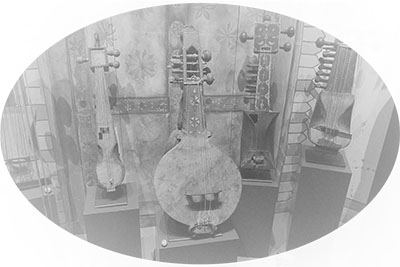
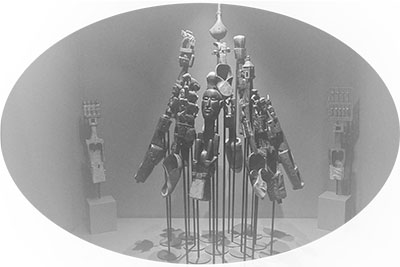
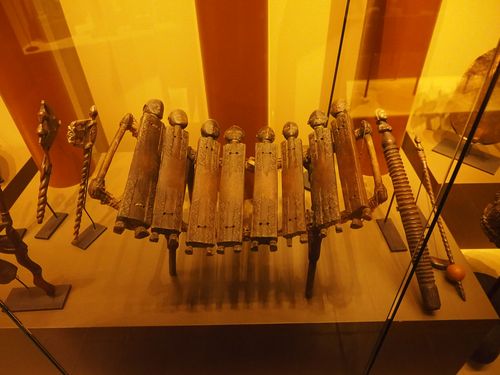
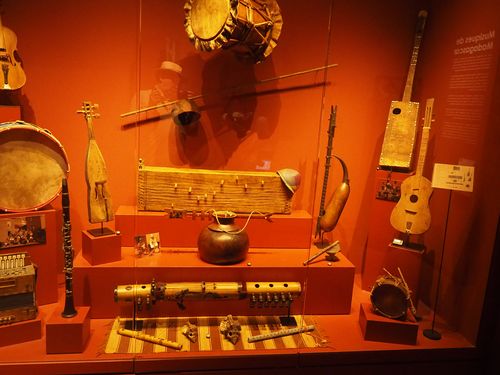
Maison Morange has undergone significant transformations. Originally a private residence, it eventually became a cultural institution. The house was restored in the late 20th century to preserve its architectural integrity and now functions as the Museum of Music and Instruments of the Indian Ocean, showcasing the region’s rich musical heritage.
These changes reflect broader societal shifts, including the growing recognition of cultural heritage as a resource for education and tourism. The house’s conversion into a museum has revitalized its role in the community, making it a focal point for both local residents and visitors.
Cultural Importance and Current Condition
Maison Morange is a key example of Creole architecture, with features such as its elevated structure, wooden shutters, and expansive verandas designed to suit the island’s tropical climate. It is celebrated for its historical and cultural significance, serving as a tangible link to La Réunion’s colonial past and its evolution into a diverse, multicultural society.
The house is in excellent condition thanks to meticulous restoration efforts. These efforts have preserved both the physical structure and the intangible cultural narratives associated with the site, ensuring its longevity as a cultural landmark.
Challenges to Preservation
Despite its current state, Maison Morange faces several challenges. The island’s tropical climate, including high humidity, heavy rains, and cyclones, poses a constant threat to the wooden structure. Termite infestations are another concern for heritage buildings in La Réunion. Additionally, the growing number of visitors requires careful management to prevent wear and tear on the property.
Efforts to address these challenges include regular maintenance, the use of traditional restoration techniques, and the application of modern conservation technologies. Community involvement and awareness campaigns also play a crucial role in ensuring the house’s preservation.
Conclusion
Maison Morange is a remarkable representation of La Réunion’s architectural and cultural heritage. Its history reflects the political, social, and economic dynamics of the colonial period, while its restoration and transformation into a museum highlight the importance of preserving cultural landmarks. As a symbol of Creole identity and an educational resource, Maison Morange continues to inspire appreciation for the island’s rich history, even as it faces the challenges of modern preservation.
Maison Morange in Hell-Bourg: Architectural Innovation and Cultural Fusion
Maison Morange, located in Hell-Bourg in the Salazie cirque of Réunion Island, is an exceptional example of 19th-century Creole architecture. Its design, materials, and construction techniques illustrate the technological and artistic advancements of its time. The house also reflects a unique blend of regional craftsmanship and foreign influences, showcasing the cultural richness of Réunion Island during the colonial period.
Technological Advancements and Materials
Maison Morange was built primarily using locally sourced materials, demonstrating an advanced understanding of the region’s climate and environmental conditions. The structure is predominantly made of wood, particularly tamarind and other endemic species, chosen for their durability and resistance to tropical humidity. The roof, constructed with corrugated iron sheets, replaced traditional shingles and offered greater resilience against heavy rains and cyclones.
The architecture integrates innovative solutions to address the island’s hot and humid climate. Features such as wide verandas, wooden shutters, and louvered windows optimize natural ventilation and reduce interior temperatures. The slightly elevated foundation protects the house from flooding, a common issue in the region’s heavy rainfall areas.
Architectural Features: A Blend of Traditions
Maison Morange’s architecture reflects a harmonious combination of European colonial styles and local adaptations. The symmetrical layout and proportions of the building are influenced by European aesthetic principles, while the use of local materials and techniques reflects the ingenuity of Réunionese artisans.
Decorative elements, such as the intricate carvings on the verandas and balustrades, showcase artistic influences from Indian, African, and Malagasy traditions. These details, alongside the brightly painted wooden shutters and façades, contribute to the house’s visual appeal and cultural depth.
Notable Structure and Layout
The house follows a traditional Creole floor plan, organized in an "L" shape to separate living spaces from service areas. This layout promotes functionality and ease of movement, while the expansive veranda provides both shade and a space for social gatherings.
The building’s placement within the lush Salazie cirque highlights its integration with the surrounding environment. The elevated position offers protection from the region’s frequent rains and enhances its aesthetic appeal against the dramatic backdrop of volcanic landscapes.
Anecdotes and Statistics
Maison Morange was originally constructed as a residence for a prominent family in Hell-Bourg, a village known in the 19th century for its thermal baths and popularity among the colonial elite.
The house was later repurposed as the Museum of Music and Instruments of the Indian Ocean, which celebrates the cultural diversity and musical heritage of Réunion Island and neighboring regions.
Its restoration included the preservation of original wooden features, ensuring the house remains a testament to the craftsmanship of its era.
International Recognition and UNESCO Status
While Maison Morange is not individually listed as a UNESCO World Heritage Site, it is part of the cultural landscape of Réunion Island, which includes the Cirques, Pitons, and Ramparts of the island, recognized for their natural and cultural significance. The house’s transformation into a museum has elevated its global profile, attracting visitors interested in Creole architecture and the island’s rich history.
This recognition has fostered awareness about the importance of preserving Réunion’s architectural heritage, highlighting Maison Morange as an emblem of the island’s cultural identity.
Challenges and Preservation Efforts
The preservation of Maison Morange faces challenges related to the island’s tropical climate, including high humidity, cyclonic weather, and the threat of termites, which can damage the wooden structure. Additionally, increased tourism necessitates careful management to prevent wear and tear on the property.
Restoration efforts have focused on using traditional techniques to maintain the authenticity of the house while incorporating modern conservation methods. Community involvement and public education initiatives play a vital role in ensuring the long-term preservation of this cultural landmark.
Conclusion
Maison Morange stands as a remarkable representation of Creole architecture and the cultural fusion that characterizes Réunion Island. Its innovative design, use of local materials, and decorative details reflect both the technological advancements and the artistic creativity of its time. As a museum and cultural symbol, the house continues to inspire and educate, highlighting the importance of preserving Réunion’s unique heritage for future generations.