Français (France)
  Nederlands (nl-NL)
 The Cirque de Mafate, located on Réunion Island, is a striking natural site characterized by steep mountains, deep ravines, and remote villages that can only be accessed on foot or by helicopter. Formed through erosion and volcanic activity, this cirque is a favored destination for hiking enthusiasts and nature lovers. Recognized as a UNESCO World Heritage site, it represents a rare balance between biodiversity and human habitation, with communities living self-sufficiently in unique conditions.
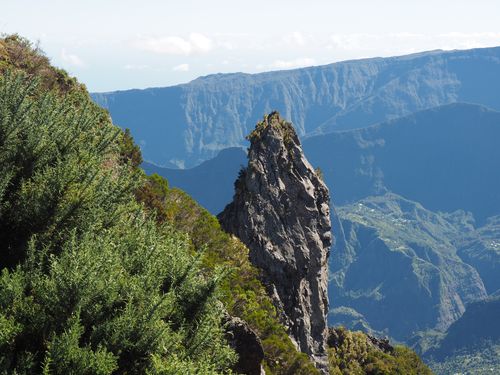
Reunion • Cirque de Mafate

Reunion • Cirque de Mafate
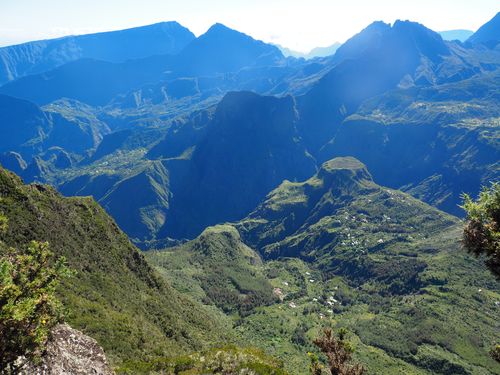
Reunion • Cirque de Mafate
Profil du site naturel
Cirque de Mafate
Catégorie de sites naturels: Cirque volcanique
Famille de sites naturels: Volcans et caldeiras
Genre de sites naturels: Terrestre
Situation géographique: Mafate • Ile de la Réunion
Ce site naturel à Mafate est inscrit sur la Liste du Patrimoine mondial de l'UNESCO depuis 2010 et fait partie du site en série "Pitons, cirques and remparts of Reunion Island". Voir les sites naturels UNESCO présentés sur le site
• Liens vers •
• Liste des films sur Saint Pierre sur ce site •
Réunion: le volcan, les paysages et les gens • Ile de la Réunion
• Références •
UNESCO: Pitons, cirques and remparts of Reunion Island
The Cirque de Mafate: Political, Economic, and Cultural Drivers of Preservation
The Cirque de Mafate, located on Réunion Island, is a unique natural site renowned for its geological significance, ecological richness, and cultural heritage. Its preservation and valorization have been influenced by political, economic, and cultural motivations over centuries. This article explores the factors contributing to its protection, the historical milestones that shaped its importance, and its evolution in the context of regional and global environmental preservation.
Political, Economic, and Cultural Motivations for Preservation
The efforts to preserve and enhance the Cirque de Mafate began in earnest in the 20th century, driven by a growing awareness of its ecological value and historical significance. Politically, the creation of protected areas was aligned with global trends in conservation, while locally, it reflected the need to safeguard the island’s biodiversity and cultural identity.
Economically, the region recognized the potential of ecotourism as a sustainable development model. The isolation of Mafate, accessible only by foot or helicopter, added to its allure, making it an ideal destination for nature enthusiasts. Culturally, the site is a living testament to the history of escaped slaves (the "maroons"), who found refuge in its remote valleys. Their legacy underscores the importance of preserving not just the natural landscape but also its historical narratives.
Historical Milestones and Regional Development
- The Abolition of Slavery (1848)
After slavery was abolished, the descendants of maroons continued to inhabit the cirque, creating small, self-sufficient communities. This heritage imbued the site with a symbolic importance, linking it to resilience and autonomy.
- The Establishment of the Réunion National Park (2007)
The creation of the Réunion National Park marked a turning point in the formal protection of Mafate. It integrated the cirque into a broader conservation framework, ensuring sustainable management and restricting activities that could harm the environment.
- UNESCO World Heritage Status (2010)
The inclusion of Mafate as part of the "Pitons, Cirques, and Remparts of Réunion Island" UNESCO World Heritage designation elevated its international profile. This recognition highlighted its exceptional biodiversity and cultural value, drawing global attention to its preservation needs.
Global Context and Comparisons with Similar Sites
The preservation of Mafate parallels efforts to protect other isolated and ecologically sensitive regions worldwide. For instance:
- Yellowstone National Park (USA): Similar to Mafate, Yellowstone was preserved for its unique geological features and ecological significance. However, while Yellowstone focuses on wilderness conservation, Mafate integrates human habitation, reflecting a balance between nature and culture.
- Galápagos Islands (Ecuador): Like Mafate, the Galápagos are a UNESCO World Heritage site valued for their biodiversity. Both face challenges from invasive species and tourism pressure, requiring meticulous management.
These comparisons underline the uniqueness of Mafate’s blend of ecological and cultural heritage within a global conservation context.
Transformations and Environmental, Political, and Cultural Changes
Over the centuries, Mafate has undergone significant transformations:
- Environmental Changes: The introduction of invasive species, such as guava trees and rats, has altered its ecosystems. Climate change now poses additional threats, impacting rainfall patterns and biodiversity.
- Economic Shifts: From subsistence farming to ecotourism, the region’s economic activities have evolved, balancing the needs of local communities with conservation priorities.
- Cultural Continuity: Despite modern influences, Mafate’s inhabitants maintain traditional ways of life, reflecting their connection to the land and its history.
These transformations illustrate the adaptability of Mafate’s systems, shaped by both natural forces and human interventions.
Ecological and Symbolic Importance
Mafate is ecologically significant for its endemic species and role in maintaining Réunion’s water systems. Its deep ravines and lush vegetation act as natural reservoirs, ensuring the island’s water supply. Symbolically, it represents resilience, independence, and harmony between humans and nature, reinforcing its cultural and ecological importance.
Current Preservation Status and Challenges
Today, Mafate is well-protected under the Réunion National Park framework and UNESCO guidelines. However, several challenges remain:
- Tourism Pressure: Increased visitor numbers risk damaging trails, causing erosion, and generating waste.
- Invasive Species: Non-native plants and animals continue to threaten native ecosystems.
- Climate Change: Rising temperatures and shifting precipitation patterns jeopardize the region’s fragile habitats.
- Community Needs: Balancing conservation with the livelihoods and accessibility of Mafate’s residents requires careful planning.
Conclusion
The Cirque de Mafate is a prime example of how a natural site can embody both ecological and cultural significance. Its preservation reflects a successful interplay of political will, economic foresight, and cultural respect. However, its future depends on addressing modern challenges through sustainable management and global support. By protecting Mafate, Réunion Island preserves a legacy that extends beyond its shores, inspiring conservation efforts worldwide.
The Cirque de Mafate: A Showcase of Geological, Biological, and Ecological Innovation
The Cirque de Mafate, located on Réunion Island, is an extraordinary natural site that exemplifies the interplay of geological forces, ecological processes, and biological diversity. Formed by volcanic activity and shaped by millennia of erosion, this remote and rugged terrain highlights the island's unique natural history. Its features, including dramatic topography, endemic biodiversity, and ecological significance, reflect a harmonious blend of local natural influences and broader environmental impacts. This article explores the unique characteristics of the Cirque de Mafate, their international recognition, and their role in global conservation efforts.
Geological Features and Processes
The Cirque de Mafate owes its formation to the collapse of the Piton des Neiges, an ancient shield volcano, followed by extensive erosion. This geological history has created a striking amphitheater encircled by towering cliffs and dissected by deep ravines.
Key geological features include:
- Steep cliffs and escarpments: Rising up to 1,200 meters, the sheer walls of the cirque illustrate the power of erosive forces over time.
- Basaltic rock formations: Exposed layers of lava and pyroclastic deposits provide a record of the island's volcanic past.
- Hydrological networks: Rivers and waterfalls, such as the Bras de Sainte-Suzanne, are integral to the region’s erosion processes and act as lifelines for its ecosystems.
These formations serve as a natural laboratory for studying tropical island geomorphology and the long-term impacts of volcanic activity.
Biodiversity and Ecology
The Cirque de Mafate hosts a rich array of ecosystems, from humid montane forests to drier savanna-like areas, supporting a remarkable diversity of species:
- Flora: The site is home to unique plant species like the tamarind of the highlands (Acacia heterophylla), endemic orchids, and tree ferns. These species demonstrate adaptations to the varied microclimates within the cirque.
- Fauna: Notable wildlife includes the Bourbon black petrel (Pseudobulweria aterrima), a critically endangered seabird, and endemic reptiles like the Réunion day gecko (Phelsuma borbonica).
- Ecosystems: The cirque's isolation has fostered the evolution of distinct ecological niches, making it a hotspot for biodiversity and a critical area for conservation.
Interplay of Local and Global Influences
The natural features of the Cirque de Mafate highlight the intersection of local and global environmental processes:
- Local influences: The island's tropical climate and volcanic origins have shaped its landscapes and ecosystems, creating conditions for unique biodiversity.
- Global impacts: Climate change poses challenges, including shifts in rainfall patterns and the spread of invasive species such as guava and rats, which threaten native flora and fauna.
- The cirque serves as a microcosm for understanding the effects of global environmental changes on isolated ecosystems.
Notable Natural Features and Anecdotes
- Accessibility: Mafate’s remoteness—it is only accessible by foot or helicopter—has helped preserve its pristine condition. This inaccessibility also underscores the resilience of its inhabitants, who maintain a self-sufficient lifestyle in harmony with the environment.
- Statistics: Covering approximately 95 square kilometers, the cirque represents about 10% of Réunion’s land area and is part of a larger protected area that includes the Pitons, Cirques, and Remparts of Réunion Island.
- Ecotourism: Thousands of visitors trek through the cirque annually, drawn by its natural beauty and isolation, contributing to sustainable regional development.
International Recognition and Conservation
The Cirque de Mafate was inscribed as part of the UNESCO World Heritage Site designation for the "Pitons, Cirques, and Remparts of Réunion Island" in 2010. This recognition has significantly bolstered its conservation:
- Conservation funding: International attention has secured resources for managing invasive species and protecting endangered habitats.
- Global awareness: The UNESCO status highlights Mafate's importance as a site of exceptional biodiversity and geological significance.
- Sustainable tourism: Recognition has encouraged the development of eco-friendly practices, ensuring that tourism benefits local communities without harming the environment.
Challenges to Preservation
Despite its protected status, Mafate faces several challenges:
- Climate change: Rising temperatures and changing precipitation patterns threaten the delicate balance of its ecosystems.
- Invasive species: Non-native plants and animals disrupt native habitats, requiring ongoing management efforts.
- Tourism pressure: While beneficial economically, increasing foot traffic risks soil erosion and waste accumulation.
- Community sustainability: Balancing the needs of the cirque’s small, self-reliant population with conservation goals remains complex.
Conclusion
The Cirque de Mafate stands as a testament to the dynamic processes that shape our planet and the resilience of life in remote environments. Its geological, biological, and ecological significance has earned it international acclaim, while its preservation highlights the importance of balancing human activity with environmental stewardship. By addressing modern challenges, Mafate can continue to inspire and educate as a model of conservation for generations to come.
 Links to the main sections of the site