Français (France)
  Nederlands (nl-NL)
 The Saint-Pierre Market represents one of the main commercial and social activities on the southern coast of Réunion Island. Held in the city of Saint-Pierre, it regularly brings together farmers, traders and visitors around a wide range of local and regional products. Tropical fruits, vegetables, spices, seafood, prepared foods and handicrafts are offered in a lively environment that reflects the economic and cultural diversity of Réunionese society. Beyond its commercial function, the market plays an important role in everyday life by encouraging interaction between residents and supporting the circulation of agricultural, culinary and artisanal knowledge associated with the island.
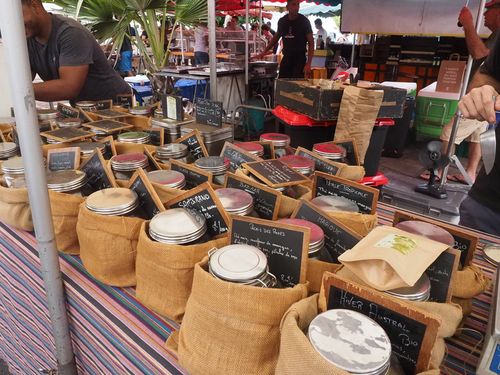
Reunion • Market in Saint Pierre
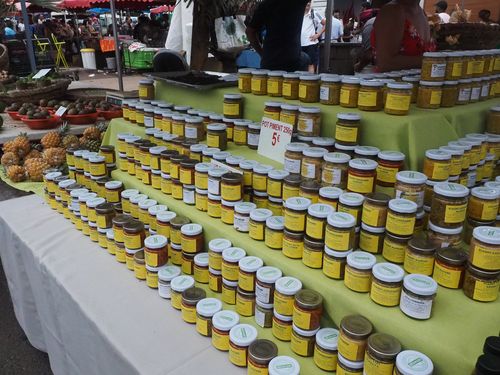
Reunion • Market in Saint Pierre
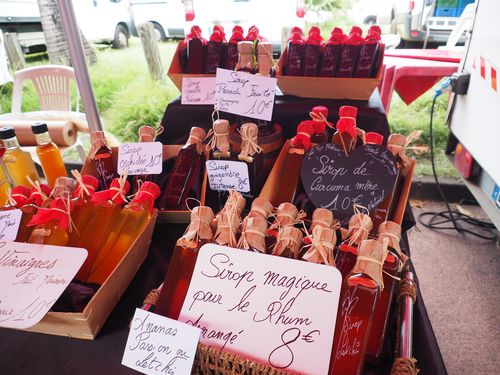
Reunion • Market in Saint Pierre
Tradition profile
Market in Saint Pierre
Tradition category: Local market
Tradition family: Traditional markets and fairs
Tradition genre: Trade and Local Creativity
Geographic location: Saint Pierre • Reunion Island
• Links to •
• List of videos about on this site •
Reunion: the volcano, the landscapes and the people • Reunion Island
History of the Saint-Pierre Market tradition
Political and social context of its emergence
The tradition of the Saint-Pierre Market developed within the historical and economic evolution of Réunion Island, a territory in the Indian Ocean shaped by maritime trade and colonial settlement. The town of Saint-Pierre, located on the southern coast of the island, gradually emerged during the eighteenth and nineteenth centuries as an important port and regional commercial center. In this context, regular market activity developed as a practical response to the needs of a growing urban population and the organization of exchanges between rural producers and urban consumers.
During the colonial period, Réunion’s economy was largely based on plantation agriculture. Crops such as coffee and later sugarcane were cultivated primarily for export, while smaller farms produced food for local consumption. Public markets therefore became necessary institutions to ensure the circulation of fresh products and everyday goods within the island’s settlements. The Saint-Pierre Market emerged as one of these central spaces where agricultural production could be sold, exchanged, and redistributed.
The social environment in which the market developed was characterized by strong diversity. Réunion’s population was composed of European settlers, enslaved Africans and Malagasy, and later indentured laborers from India and other regions of Asia following the abolition of slavery in 1848. These communities contributed different agricultural traditions, culinary practices, and commercial habits. Although colonial society was highly hierarchical, markets functioned as one of the few public spaces where goods circulated across social divisions.
Local authorities also played a role in structuring market activity. Municipal regulations were introduced to organize stalls, supervise transactions, and maintain order in the urban environment. In this sense, the Saint-Pierre Market developed both as a spontaneous commercial practice and as an institution gradually formalized by administrative oversight.
Major historical developments influencing the tradition
Over time, the Saint-Pierre Market was influenced by major political and social changes affecting Réunion. During the nineteenth century, as the town grew in importance as a port and trading center, the market became an essential point for the redistribution of agricultural products coming from the southern and interior regions of the island.
The abolition of slavery in 1848 represented a significant transformation in the island’s social structure. The labor system changed, and the arrival of indentured workers from India brought new agricultural techniques, crops, and culinary traditions. These changes gradually influenced the range of products available on local markets, including spices, vegetables, and prepared foods reflecting diverse cultural backgrounds.
In the twentieth century, the integration of Réunion into the administrative framework of France introduced further economic transformations. Departmentalization in 1946 strengthened the island’s institutional ties with mainland France and accelerated modernization processes. Improvements in infrastructure, transportation, and distribution networks changed the ways in which goods circulated within the island.
Despite the emergence of modern retail systems such as grocery stores and supermarkets, traditional markets remained important spaces for local exchange. The Saint-Pierre Market adapted to these changes by diversifying its products and maintaining its role as a meeting point between producers and consumers.
Global context of the tradition’s emergence
The development of the Saint-Pierre Market can be understood within a broader global pattern. In many colonial and port cities, public markets appeared as essential urban institutions that facilitated the distribution of goods and connected agricultural production with urban populations.
In the Indian Ocean region, markets often reflected the cultural diversity created by maritime trade networks linking Africa, the Middle East, South Asia, and Southeast Asia. Products and culinary traditions from different regions converged in these commercial spaces, creating environments characterized by cultural interaction and economic exchange.
Similar institutions existed in many parts of the world. In Europe, Africa, Asia, and the Caribbean, markets served not only as centers of commerce but also as social spaces where communities gathered, exchanged information, and maintained cultural practices. Within this wider framework, the Saint-Pierre Market can be viewed as a local expression of a global institution shaped by the particular historical circumstances of Réunion Island.
Transformations over time
Throughout the twentieth and early twenty-first centuries, the Saint-Pierre Market evolved in response to changing economic and social conditions. Improvements in transportation made it easier for producers from different regions of the island to bring their goods to urban markets, expanding the variety of products available.
The diversification of the island’s economy also influenced market activity. Alongside agricultural goods, processed foods, artisanal products, and prepared dishes became more prominent. This transformation reflected broader changes in consumption patterns and culinary practices within Réunionese society.
Tourism has also played a role in the market’s development. As Réunion gained international visibility as a travel destination, markets increasingly attracted visitors interested in local food culture and everyday social life. The Saint-Pierre Market therefore acquired an additional dimension as a place where elements of the island’s cultural identity could be observed.
Despite these changes, the market retained its fundamental role as a local commercial space serving the needs of residents.
Contemporary role and cultural significance
Today the Saint-Pierre Market remains one of the most important commercial and social institutions on the southern coast of Réunion. It continues to attract local residents who come to purchase fresh produce, spices, fish, and prepared foods, while also providing opportunities for farmers and small traders to sell their goods directly.
The market reflects the cultural diversity of the island’s population. The variety of ingredients and culinary traditions visible in the stalls illustrates the historical influences of African, Malagasy, Indian, European, and other cultural backgrounds that have shaped Réunionese society.
Beyond its economic function, the market plays an important role in maintaining social connections. Conversations between vendors and customers, exchanges of cooking advice, and regular encounters among participants reinforce the market’s role as a space of community interaction.
In this way, the Saint-Pierre Market contributes to the preservation of everyday cultural practices and local knowledge related to agriculture, food preparation, and trade.
Current preservation and modern challenges
Like many traditional markets around the world, the Saint-Pierre Market faces several contemporary challenges. The expansion of modern retail systems and changing consumer habits can reduce reliance on traditional marketplaces for everyday purchases. Urban development and evolving lifestyles may also influence the way residents interact with such spaces.
At the same time, tourism can transform the perception of markets by emphasizing their cultural appeal rather than their practical role in daily life. Maintaining a balance between serving local needs and accommodating visitors therefore represents an important challenge.
Despite these pressures, traditional markets continue to offer advantages that modern retail systems often lack. Direct contact between producers and consumers, the availability of fresh locally grown products, and the social atmosphere of the marketplace contribute to their continued relevance.
Local initiatives and municipal policies increasingly recognize the importance of markets as part of Réunion’s living heritage. By supporting local agriculture and maintaining accessible public spaces for exchange, the Saint-Pierre Market continues to demonstrate how long-standing commercial traditions can adapt to contemporary social and economic conditions while preserving their historical significance.
Characteristics of the Saint-Pierre Market tradition
Origin and historical context
The tradition of the Saint-Pierre Market developed within the historical and social evolution of Réunion Island, a territory shaped by colonial agriculture, maritime exchanges and cultural diversity. Saint-Pierre, located on the southern coast of the island, gradually emerged during the eighteenth and nineteenth centuries as an important port and administrative center for the surrounding region. As the town grew, the need for organized spaces where agricultural products could be sold and exchanged became increasingly evident.
The creation of regular markets responded primarily to practical economic needs. Much of the island’s population lived from agriculture, cultivating food crops alongside export products such as coffee and later sugarcane. Farmers from rural districts required accessible urban locations where they could sell vegetables, fruits, spices and livestock products to town residents. Markets therefore became essential points of interaction between rural producers and urban consumers.
The social context of Réunion strongly influenced the character of the Saint-Pierre Market. The island’s population was formed by several communities with different cultural backgrounds. European settlers, enslaved Africans and Malagasy, and later indentured laborers from India and other parts of Asia all contributed to shaping the agricultural and culinary traditions of the island. Within this multicultural society, markets functioned as places where products, knowledge and everyday practices circulated across social groups.
Municipal authorities gradually introduced regulations to organize these commercial activities. Market spaces were designated within the urban fabric, schedules were established, and vendors were supervised by local administrations. In this sense, the Saint-Pierre Market emerged both as a spontaneous commercial gathering and as a structured institution integrated into the civic life of the town.
Constituent practices and everyday organization
The functioning of the Saint-Pierre Market follows a relatively stable pattern that structures the rhythm of local economic life. Vendors typically arrive early in the morning to install their stalls, arrange their products and prepare for the arrival of customers. This early activity reflects the importance of freshness in the sale of agricultural goods, particularly fruits, vegetables and fish.
The market offers a wide variety of products reflecting the agricultural diversity of Réunion. Tropical fruits such as mangoes, pineapples and bananas appear alongside vegetables grown in the island’s highlands. Spices, herbs and prepared foods illustrate the culinary traditions that developed from the island’s multicultural population. Fresh fish and seafood from nearby coastal waters also form an important component of the market’s offerings.
The presentation of goods follows recognizable practices. Vendors organize their products in visually appealing arrangements intended to demonstrate quality and abundance. The interaction between vendor and customer is an essential part of the market experience. Conversations about the origin of the products, their seasonality or their preparation methods often accompany commercial transactions.
Participation in the market involves various roles. Some vendors are farmers who sell their own harvest, while others specialize in the preparation of food or the resale of goods obtained from wholesalers. Knowledge about cultivation techniques, food preparation and commercial practices is often transmitted within families or local communities. These forms of informal transmission contribute to the continuity of the market tradition.
Symbolism and cultural meanings
Beyond its economic function, the Saint-Pierre Market carries important symbolic meanings related to the cultural identity of Réunion Island. The diversity of products available at the market reflects the historical encounters between different populations and the blending of culinary traditions that characterize the island.
Colors, smells and sounds play a significant role in shaping the atmosphere of the market. Brightly colored fruits and vegetables, the scent of spices and cooked foods, and the voices of vendors calling attention to their products create a distinctive sensory environment. These elements contribute to the perception of the market as a lively public space connected to everyday life.
The market also represents a form of cultural memory. Many ingredients and recipes associated with Réunionese cuisine can be found in the stalls, illustrating the historical influences of African, Malagasy, Indian and European traditions. Through the circulation of these foods, the market indirectly preserves elements of the island’s cultural heritage.
Social interaction constitutes another symbolic dimension of the market. The repeated encounters between vendors and regular customers create relationships that extend beyond simple commercial exchange. The market therefore functions as a place where community ties are maintained and reinforced.
Evolution and external influences
The Saint-Pierre Market has not remained unchanged. Over the decades it has adapted to shifts in economic structures, transportation networks and consumer habits. Improvements in roads and vehicles have allowed farmers from distant areas of the island to bring their products to urban markets more easily, increasing the diversity of goods available.
External influences have also contributed to changes in the market’s offerings. The integration of Réunion into global trade networks introduced new food products and consumption patterns. These influences gradually became incorporated into the market’s structure without entirely replacing traditional goods.
Tourism has further modified the perception of the market. Visitors often view it as an opportunity to observe local food culture and everyday social life. As a result, certain stalls increasingly offer products or presentations designed to appeal to tourists while still serving the needs of local residents.
Markets similar to that of Saint-Pierre exist in many parts of the world. In island territories and port cities, markets often combine agricultural trade with social interaction and cultural exchange. The Saint-Pierre Market therefore belongs to a broader global tradition of public marketplaces that have historically structured urban life.
Social organization and community impact
The Saint-Pierre Market contributes significantly to the organization of local social and economic networks. It provides a space where producers, traders and consumers interact directly. This direct exchange strengthens economic links between rural and urban areas and supports local agricultural production.
Markets also facilitate the circulation of practical knowledge. Farmers discuss seasonal conditions, vendors share information about prices or supply, and customers learn about the preparation of traditional dishes. These exchanges help maintain a body of knowledge related to agriculture and food culture.
From a social perspective, the market represents an accessible public space open to a wide range of participants. Different generations and cultural communities meet within the same environment, reinforcing a sense of shared local identity.
The economic impact of the market should also be considered. For many small producers and vendors, markets offer opportunities to sell goods without relying on large distribution systems. This contributes to maintaining small-scale economic activity within the region.
Statistics, anecdotes and notable narratives
The Saint-Pierre Market regularly attracts a large number of participants. Dozens of stalls may be installed during market days, bringing together farmers, artisans and food vendors from different parts of the island. The number of visitors can reach several thousands during particularly active periods.
Local anecdotes sometimes highlight the presence of long-established vendors who have participated in the market for decades. Certain families are known for selling particular products, such as spices, tropical fruits or traditional prepared foods. These long-standing presences contribute to the continuity of the market tradition.
Stories about memorable market days, seasonal harvests or notable vendors circulate among residents and help maintain the market’s reputation as an important element of local life.
Recognition and preservation challenges
Today the Saint-Pierre Market is widely regarded as a significant component of Réunion’s living cultural heritage. It illustrates the historical relationship between agriculture, commerce and social life on the island.
However, the tradition faces several challenges. The growth of supermarkets and modern retail systems has altered consumer habits, sometimes reducing reliance on traditional markets. Urban development and changing lifestyles may also influence participation in these public spaces.
At the same time, the cultural value of traditional markets is increasingly recognized. Municipal initiatives often aim to maintain market spaces, support local producers and encourage the continuation of traditional food practices.
Through its ability to adapt while preserving its fundamental functions, the Saint-Pierre Market continues to represent a dynamic tradition linking the historical development of Réunion Island with the everyday practices of contemporary society.
 Links to the main sections of the site