Français (France)
  Nederlands (nl-NL)
 00:00 • intro | 00:53 • ingang van de tempelcomplex | 01:21 • hoofdtempelgebouw, Sikhara | 02:58 • ceremonies en rituelen in de tempel | 03:46 • rond de tempel
Persoonlijke creatie op basis van beeldmateriaal verzameld tijdens mijn reis India • Verrassend Oost India: Assam, Odisha, West Bengalen (2023)
• Gebruik de markers om de inhoud te verkennen •
Maa Kamakhya-tempel en religieuze tradities van Guwahati
De Maa Kamakhya-tempel, gelegen op de Nilachal-heuvels boven de Brahmaputra in Guwahati, behoort tot de belangrijkste religieuze plaatsen van Assam en tot de grote centra van het shaktisme in India. De video toont niet alleen de architectuur van het tempelcomplex, maar ook de voortdurende religieuze activiteit die het heiligdom nog steeds kenmerkt. Pelgrims, rituelen, processies en tempelgebouwen vormen samen een levendige religieuze omgeving waarin historische structuren en hedendaagse devotie nauw met elkaar verbonden blijven.
De ligging op de heuvel geeft het complex een sterke visuele aanwezigheid boven de stad. Tegelijk laat de omgeving zien hoe het oude heiligdom tegenwoordig deel uitmaakt van een sterk verstedelijkt landschap. De beelden maken duidelijk dat Maa Kamakhya niet enkel een historisch monument is, maar vooral een actief bedevaartsoord waar dagelijks grote aantallen bezoekers samenkomen.
Het tempelcomplex en de belangrijkste ruimtes
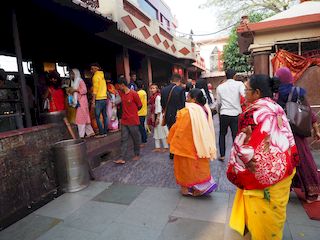
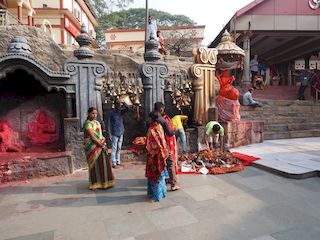
De video volgt geleidelijk de toegang tot het complex en toont hoe de verschillende ruimtes georganiseerd zijn rond het centrale heiligdom. Trappen, doorgangen, binnenplaatsen en verzamelzones begeleiden de bezoekers naar de hoofdtempel en illustreren hoe de site aangepast werd aan een constante stroom pelgrims.
Het hoofdgebouw valt onmiddellijk op door zijn grote sikhara, die sterk verschilt van veel Noord-Indiase tempeltorens. De huidige structuur dateert grotendeels uit reconstructies onder de Koch-heersers in de zestiende en zeventiende eeuw, hoewel de religieuze betekenis van de plaats veel ouder is. De massieve volumes, afgeronde vormen en secundaire koepels geven het gebouw een karakteristiek silhouet dat nauw verbonden blijft met regionale architectuurtradities van Assam.
Binnen in de tempel vormen rituelen en ceremonies een centraal onderdeel van het dagelijkse leven. De beelden tonen priesters, offergaven en devote bezoekers die zich door de compacte binnenruimtes bewegen. De religieuze sfeer wordt versterkt door de nauwe band van het heiligdom met tantrische vormen van shaktische eredienst, waardoor Maa Kamakhya een bijzondere plaats inneemt binnen het hindoeïsme.
Religieuze betekenis en historische ontwikkeling
De tempel wordt beschouwd als een van de belangrijkste Shakti Peetha’s van het Indiase subcontinent. Volgens hindoeïstische tradities zijn deze heilige plaatsen verbonden met delen van het lichaam van de godin Sati. Daardoor groeide Maa Kamakhya uit tot een belangrijk pelgrimsoord dat bezoekers aantrekt uit Assam en uit vele andere regio’s van India.
Doorheen de eeuwen bleef de site een belangrijk religieus centrum in noordoostelijk India. Grote religieuze bijeenkomsten, waaronder het Ambubachi Mela-festival, versterken nog steeds de regionale betekenis van de tempel. Om de toenemende bezoekersstromen op te vangen, werden delen van het complex aangepast en uitgebreid, terwijl de historische kern behouden bleef.
Ook de relatie tussen de tempel en de stad Guwahati is duidelijk zichtbaar. Waar het heiligdom vroeger geïsoleerder lag op de heuvels, wordt het vandaag omringd door een groeiende stedelijke omgeving. Toch behoudt de tempel zijn dominante positie in het landschap en blijft hij een belangrijk herkenningspunt boven de Brahmaputra-vallei.
Wat de video’s van deze site bijzonder zichtbaar maken
De video’s van travel-video.info zijn grotendeels opgebouwd uit zorgvuldig geselecteerde en geanimeerde foto’s. Deze aanpak maakt het mogelijk om architecturale details en ruimtelijke relaties nauwkeuriger te observeren dan tijdens een snel bezoek aan een druk bedevaartsoord.
Langzame camerabewegingen binnen de beelden benadrukken de verhoudingen van de sikhara, de opeenvolging van binnenplaatsen en de structuur van het complex. De afwisseling tussen overzichtsbeelden en detailopnamen helpt ook om sculpturen, texturen en rituele activiteiten beter te begrijpen. Tegelijk tonen de beelden hoe de tempel geïntegreerd blijft in het heuvelachtige landschap van Guwahati.
Een belangrijk spiritueel centrum van Assam
De Maa Kamakhya-tempel blijft vandaag een van de belangrijkste religieuze plaatsen van Assam en een centraal bedevaartsoord binnen het shaktisme. De combinatie van levende rituelen, historische architectuur en regionale tradities maakt het complex tot een essentieel onderdeel van het culturele landschap van noordoostelijk India. De gedetailleerde pagina’s die met deze video verbonden zijn, bieden bijkomende informatie over de geschiedenis, architectuur en religieuze betekenis van het monument.


Transcriptie van het audiocommentaar
De Maa Kamakhya-tempel, gelegen in Guwahati, Assam, is een van de belangrijkste heiligdommen gewijd aan de godin Shakti, die de vrouwelijke kracht in het hindoeïsme belichaamt. De tempel symboliseert de scheppende en regeneratieve krachten van de natuur en is ook verbonden met tantrische rituelen. Dagelijks worden hier dieroffers gebracht, in navolging van een eeuwenoude traditie van verering en offers aan de godin Kamakhya.
Herbouwd in 1565, staat de Maa Kamakhya Tempel, met oorsprong die teruggaat tot de 7e eeuw, als een pijler van spirituele traditie in Assam. Bekend om zijn tantrische praktijken, waaronder Shakti Puja-rituelen waarbij de godin wordt vereerd als een bron van kracht en vernieuwing, omvatten deze ceremonies offergaven, het zingen van mantra's en meditaties gericht op het ontwaken en eren van de goddelijke vrouwelijke energie. Godin Kamakhya wordt gevierd niet alleen vanwege haar kracht maar ook als beschermer en weldoener, belichamend de fusie van vruchtbaarheid, creatie en vernietiging. Haar verering, gecentreerd rond mystiek en diepe devotie, trekt gelovigen van overal, op zoek naar zowel zegeningen als spiritueel ontwaken. Kamakhya symboliseert zo een fundamenteel aspect van de Hindoeïstische spiritualiteit, waar het goddelijke vrouwelijke een cruciale rol speelt in zowel kosmische als persoonlijke balans.