Français (France)
  Nederlands (nl-NL)
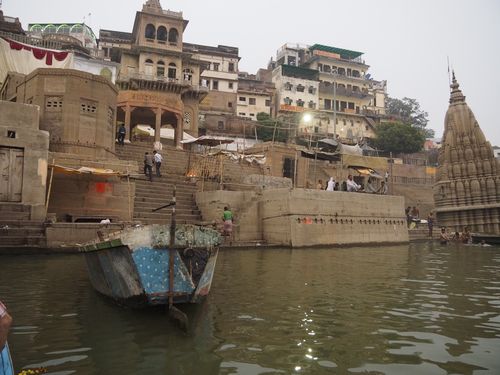
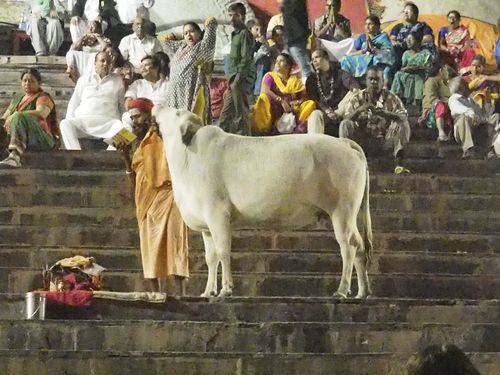
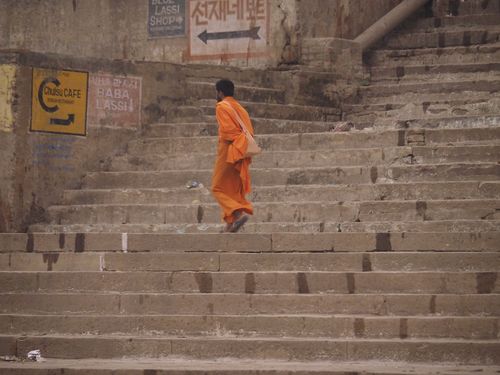
 The ghats of Varanasi, located along the banks of the Ganges in Uttar Pradesh, India, are stone steps providing access to the sacred river. These areas are integral to the city's spiritual and cultural life, hosting religious rituals, purifying baths, and cremations. Pilgrims, priests, and locals gather here, reflecting the profound connection between the river and Hindu spirituality. Varanasi is home to several renowned ghats, each with unique religious and historical significance.
The Ghats of Varanasi: A Tradition Rooted in Spirituality and Socio-Political Dynamics
Political and Social Motivations Behind the Emergence
The tradition of the ghats in Varanasi dates back over 3,000 years, rooted in the spiritual significance of the Ganges River in Hinduism. Politically, rulers across various dynasties, from the Mauryas to the Mughals and Marathas, invested in the construction and upkeep of these ghats to legitimize their rule as protectors of faith. Socially, the ghats served as communal spaces for rituals, gatherings, and daily activities, symbolizing the integration of caste-based and spiritual hierarchies. The construction of ghats also showcased the wealth and patronage of their benefactors, linking political authority with religious devotion.
Historical Milestones and Regional Impact
Significant historical events shaped the evolution of the ghats. The Gupta dynasty promoted their spiritual prominence, while the Mughal period saw partial destruction and later restoration under Hindu rulers like the Marathas. The construction of renowned ghats like Dashashwamedh and Assi cemented their role as centers of pilgrimage, commerce, and cultural interaction. These developments transformed Varanasi into a thriving hub for intellectual and spiritual pursuits, influencing the socio-economic fabric of the region.
Global Context and Comparisons
In a global context, the ghats of Varanasi can be compared to other river-centric traditions. For example, the Nile in Egypt played a crucial role in spiritual and communal life, while the Tigris and Euphrates Rivers were central to Mesopotamian rituals. Unlike these, the ghats stand out for their continuous use over millennia and their integration into Hinduism’s cyclical worldview. The belief in moksha (liberation) through the Ganges distinguishes the ghats as sacred spaces unparalleled in their cultural and spiritual depth.
Transformations Over the Centuries
Over the centuries, the ghats have undergone significant transformations. Originally designed for religious rituals, they evolved into multifaceted spaces encompassing cremation sites, community centers, and marketplaces. The rise of tourism has further altered their function, introducing modern infrastructure and commercial activities. These changes reflect shifts in power, cultural assimilation, and economic priorities, from Mughal rulers to British colonizers and modern democratic governance.
Cultural Importance and Current State
Today, the ghats remain central to the identity of Varanasi and Indian culture. Ceremonies like the Ganga Aarti exemplify the enduring spiritual connection with the river, while the ghats continue to attract millions of pilgrims and tourists annually. Their cultural significance has expanded beyond religious boundaries, serving as symbols of resilience and continuity.
Challenges to Preservation in the Modern Era
Modern threats to the tradition of the ghats include pollution of the Ganges, urbanization, and unregulated tourism. The delicate balance between spiritual sanctity and commercial demands poses a challenge to their integrity. Initiatives like the Namami Gange project aim to clean the river and restore the ghats, but success depends on coordinated efforts involving local communities, governments, and international stakeholders.
Conclusion
The ghats of Varanasi are more than physical structures; they are living embodiments of India’s spiritual and cultural heritage. Their evolution over millennia reflects the interplay of religion, politics, and society. Preserving their legacy requires addressing modern challenges while respecting their historical and spiritual essence, ensuring that they continue to inspire future generations.
Tradition profile
Ghats
Tradition category: Hindu celebrations
Tradition family: Religious traditions
Tradition genre: Religious Festivals and Celebrations
Cultural heritage: Hindu
Geographic location: Varanasi • Uttar Pradesh • India
• Links to •
• List of videos about Varanasi on this site •
Varanasi (Benares), India's holiest city • Uttar Pradesh, India
• References •
Wikipedia EN: Ghats in Varanasi
UNESCO: Iconic Riverfront of the Historic City of Varanasi
The Tradition of the Ghats in Varanasi: A Testament to Social and Cultural Innovation
Social and Cultural Innovation at the Time of Emergence
The tradition of the ghats in Varanasi, dating back thousands of years, represents a groundbreaking social and cultural framework for community and spiritual life. At their inception, the ghats transformed access to the sacred Ganges River into a structured practice, creating spaces for collective rituals, purification ceremonies, and cremation rites. This organization of public spaces for spiritual purposes reflected advanced urban planning and a deep societal commitment to the principles of dharma (cosmic law) and moksha (liberation). By providing access to the river for all castes, the ghats embodied a progressive approach to integrating spiritual practices into daily life.
Rituals, Objects, and Symbols Reflecting Societal Values
The ghats host a range of practices that symbolize the values of devotion, purification, and renewal. Rituals like the daily Ganga Aarti, performed with ornate brass lamps and accompanied by Vedic chants, highlight the reverence for the river as a divine entity. The practice of cremation at ghats such as Manikarnika underscores the belief in the Ganges’ ability to cleanse sins and free souls from the cycle of rebirth. Symbolic objects such as lotus flowers, offerings of food, and lamps floating on the water illustrate themes of gratitude and surrender to nature's divinity.
A Unique Blend of Regional Customs and External Influences
The tradition of the ghats reflects a harmonious blend of local and external influences. Rooted in Hindu spiritual practices, the ghats have also absorbed elements from Jain, Buddhist, and Islamic cultures over centuries. The architectural features of some ghats, such as stepped platforms and domes, bear the marks of Mughal and Maratha patronage. This convergence of traditions underscores the ghats’ role as a melting pot of spiritual and cultural diversity.
Notable Rituals and Practices
One of the most iconic practices is the Ganga Aarti, performed each evening at Dashashwamedh Ghat. This elaborate ceremony draws thousands of participants and onlookers, uniting locals, pilgrims, and tourists in a shared act of devotion. The continuous burning flame at Manikarnika Ghat, said to have been alight for centuries, symbolizes the eternal nature of the soul and is central to Varanasi’s role as a city of liberation. These rituals not only sustain the spiritual significance of the ghats but also reinforce their cultural importance on a global scale.
Recognition and Potential UNESCO Status
The ghats of Varanasi have been widely recognized as an integral part of India’s cultural heritage. Their inclusion on the UNESCO World Heritage Tentative List underscores their historical and spiritual significance. Such recognition enhances global awareness of the tradition and underscores the need for its preservation. The potential for further UNESCO designation could elevate efforts to maintain the ghats as living cultural spaces while promoting sustainable tourism practices.
Impact on Preservation and Global Reception
The tradition of the ghats has garnered international admiration for its unique synthesis of spirituality, culture, and social utility. However, modern challenges such as pollution, urban development, and over-tourism threaten their sustainability. Preservation initiatives like the Namami Gange project aim to address these issues, ensuring that the ghats remain a vibrant and accessible part of India’s cultural fabric.
Conclusion
The tradition of the ghats in Varanasi stands as a monumental achievement in social and cultural innovation, blending ancient spiritual practices with evolving societal needs. Their enduring relevance and recognition reflect the profound connection between the sacred and the communal. By addressing contemporary challenges and fostering global appreciation, the ghats can continue to serve as a beacon of India’s rich cultural and spiritual heritage.
 Links to the main sections of the site