

 Français (France)
  Nederlands (nl-NL)
 The Siddhesvara Temple, located in Bhubaneswar, Odisha, India, is a prominent example of 15th-century religious architecture. Dedicated to Shiva, the temple features a lingam, a sacred symbol of this major deity in the Hindu pantheon. Made from laterite, the temple is part of the Kapilesvara temple complex, contributing to the area's rich cultural and spiritual heritage. This site remains a focal point for pilgrims and history enthusiasts alike, continuing to play a significant role in maintaining local religious traditions.
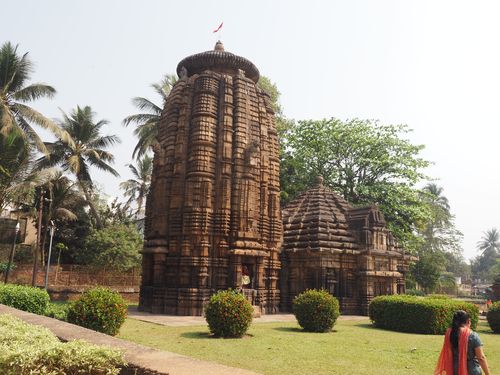
Bhubaneswar • Siddhesvara temple
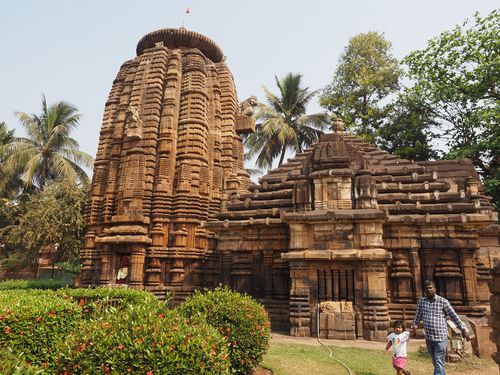
Bhubaneswar • Siddhesvara temple
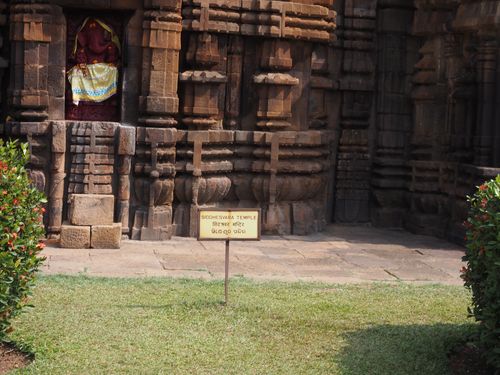
Bhubaneswar • Siddhesvara temple
Monument profile
Siddhesvara temple
Monument category: Hindu Temple
Monument family: Temple
Monument genre: Religious
Cultural heritage: Hindu
Geographic location: Bhubaneswar • Odisha • India
Construction period: 15th century AD
• Links to •
• Dynasties that contributed to the construction of the monument •

• List of videos about Bhubaneswar on this site •
Bhubaneswar • the city of the temples • Odisha
Bhubaneswar • Udayagiri and Khandagiri Jain caves
The Siddhesvara Temple in Bhubaneswar: Political, Social, and Historical Motivations Behind its Construction
Political and Social Motivations for Construction
The Siddhesvara Temple in Bhubaneswar, India, built during the 15th century, reflects the intricate relationship between politics, religion, and society in medieval Odisha. The temple was constructed under the Eastern Ganga dynasty, which ruled Odisha from the 5th to the 15th century. The Eastern Gangas were known for their patronage of Hindu temples, and the construction of the Siddhesvara Temple served as a political statement to legitimize their power. By building a temple dedicated to Shiva, the rulers reinforced their divine right to rule, aligning themselves with a major deity of the Hindu pantheon.
On a social level, the temple played a crucial role in unifying the local population. Temples were not only religious centers but also social and economic hubs. The construction of the Siddhesvara Temple was a way for the ruling class to gain favor with the Brahmins and the broader community, solidifying their influence across different strata of society.
Key Historical Events and their Influence on Regional Development
The 15th century was a period of significant transition in Odisha. The fall of the Eastern Ganga dynasty and the rise of the Suryavamsi dynasty reshaped the political landscape of the region. The construction of the Siddhesvara Temple, likely undertaken during the latter part of the Ganga rule, marked a period of political uncertainty and change. As power shifted between dynasties, temples like Siddhesvara became symbols of continuity and stability, ensuring the retention of traditional values even amid political upheaval.
Globally, this period saw the late Middle Ages in Europe, marked by the Hundred Years' War and the beginning of the Renaissance. While Europe was experiencing social and cultural transformations, India, and especially Odisha, was consolidating its power through religious and architectural patronage, demonstrating how different regions used distinct means to navigate periods of change.
Major Transformations and External Influences
Over the centuries, the Siddhesvara Temple has undergone several transformations that reflect shifts in power and external cultural influences. The temple’s original architecture, typical of the Kalinga style, remains largely intact, but subsequent rulers likely made modifications and restorations. Some of these changes were driven by necessity—damage from weather or age—while others were made to reflect the evolving tastes and religious needs of the people.
The influence of external cultures, especially during the Mughal era, can be seen in the subtle ornamental details that may have been added during later renovations. Although these influences did not drastically alter the core structure, they indicate that Odisha, like many parts of India, was subject to cultural exchange and adaptation.
Cultural Importance and Current State of Preservation
The Siddhesvara Temple continues to hold immense cultural importance as a symbol of Odisha's rich religious heritage. Although it may not have the same international recognition as other temples in Bhubaneswar, such as Mukteshwara or Lingaraja, Siddhesvara remains a vital part of the religious life in the region. Pilgrims continue to visit the temple, and it plays a role in the ongoing practice of Hindu rituals.
In terms of conservation, the temple is generally in a good state, but it faces challenges common to ancient monuments. The primary material used in its construction, laterite, is prone to weathering, particularly in Odisha’s tropical climate. Furthermore, increasing urbanization in Bhubaneswar presents a threat to the temple’s physical integrity as construction and pollution encroach on historical sites.
Challenges in Preserving Historical Integrity
The preservation of the Siddhesvara Temple is complicated by several modern threats. The degradation of the laterite stone due to pollution and acid rain is a major concern. Efforts to mitigate the effects of weathering and erosion must be undertaken, possibly involving regular cleaning and the use of protective coatings that do not compromise the original material.
Urbanization is another pressing issue. Bhubaneswar’s rapid growth has led to increased construction near historical sites, and without proper zoning laws, the integrity of these monuments is at risk. The influx of tourism also poses a challenge, as the foot traffic of pilgrims and visitors can lead to wear and tear on the temple’s structure.
Finally, there is the challenge of balancing religious practice with conservation. The temple remains an active religious site, and maintaining its spiritual function while preserving its historical features requires careful planning and cooperation between religious leaders and preservation experts.
Conclusion
The Siddhesvara Temple is a testament to the rich cultural and political history of Odisha during the 15th century. Constructed at a time of political transition, it served as a tool of legitimacy for the ruling dynasty and continues to be a center for religious activity today. Despite the various transformations the temple has undergone, it remains a symbol of Odisha’s architectural heritage. However, its preservation faces modern challenges, including environmental factors and urban development. With continued conservation efforts, the temple can maintain its cultural significance for future generations.
Architectural Brilliance of the Siddhesvara Temple: A Testament to Technological Innovation in Eastern Ganga Dynasty
Technological Advancements and Construction Techniques
The Siddhesvara Temple, constructed in the 15th century in Bhubaneswar, is a striking example of the technological innovations that characterized the Eastern Ganga dynasty. This period witnessed significant advancements in temple construction techniques, which are evident in the architectural style and materials used in the temple.
One of the most notable materials used is laterite stone, which was abundant in the region and prized for its durability. This choice of material not only reflected the practical concerns of temple builders but also demonstrated their expertise in working with local resources. The stones were cut with precision and assembled using dry masonry techniques, a method where stones were placed without mortar but fitted so tightly that they have withstood centuries of wear and tear. This construction technique was a hallmark of the era and represented an advanced understanding of both engineering and architectural aesthetics.
Fusion of Regional Traditions and Foreign Influences
The architecture of the Siddhesvara Temple embodies a unique blend of regional artistic traditions and foreign influences, which was common during the Eastern Ganga period. The temple follows the Kalinga style, typical of Odisha, which is characterized by the rekha deul (the curvilinear spire over the sanctum) and the jagamohana (the assembly hall in front of the sanctum). These elements showcase the continuation of a long-standing architectural tradition in Odisha.
However, what sets the Siddhesvara Temple apart is the incorporation of foreign artistic elements. During the Eastern Ganga period, Odisha was a hub of trade and cultural exchange with Southeast Asia, particularly with regions like Bali and Java. This interaction brought new artistic influences into the region, visible in the intricate carvings and decorative motifs that adorn the temple. For instance, some friezes depict mythological scenes and animals in a style that bears the mark of Buddhist and Jain art, along with more exotic floral designs that were likely influenced by Southeast Asian art.
This blend of influences underscores the openness of the Ganga rulers to external cultures while maintaining a strong commitment to their regional identity. The temple's architecture thus becomes a reflection of both local pride and cosmopolitan engagement.
Notable Structure and Layout
The layout of the Siddhesvara Temple follows the traditional pattern of temples in Odisha, with a distinct focus on symmetry and spiritual symbolism. The temple consists of a rekha deul, the sanctum topped with a towering spire, and a jagamohana, the hall where devotees gather before proceeding to the inner sanctum. This layout is not just functional but also deeply symbolic, representing a gradual progression from the outer, material world to the inner, spiritual realm.
An interesting anecdote about the temple's construction is the precision with which the spire was built to align with specific astronomical principles, ensuring that the sanctum received sunlight at certain times of the year. This demonstrates the advanced knowledge of astronomy possessed by the architects of the Eastern Ganga dynasty and their ability to integrate it into their religious structures.
Architectural Contributions to Global Recognition
While the Siddhesvara Temple is not as globally recognized as some other temples in Bhubaneswar, it remains a vital piece of India's architectural heritage. Its significance lies in its ability to reflect the cultural syncretism of its time, combining local architectural techniques with external artistic influences. This fusion of styles is one of the reasons why Odisha's temples have gained increasing attention from art historians and architects worldwide.
In terms of international recognition, the nearby temples of Bhubaneswar, including the Mukteshwara and Lingaraja temples, have contributed to the growing interest in the region's architectural heritage. Although the Siddhesvara Temple itself is not yet listed as a UNESCO World Heritage site, its inclusion in a potential future nomination would likely increase global awareness of its significance. UNESCO recognition would not only validate the temple's historical and cultural importance but also provide much-needed resources for its conservation.
Preservation Challenges and Conservation Efforts
Like many ancient structures, the Siddhesvara Temple faces numerous preservation challenges. The use of laterite stone, while durable, makes the temple vulnerable to weathering, particularly in the tropical climate of Odisha. Acid rain and pollution from urban development in Bhubaneswar further threaten the integrity of the stone carvings and architectural details.
In addition to environmental factors, the increasing influx of tourists and pilgrims places strain on the temple’s physical structure. Wear and tear from foot traffic, combined with inadequate funding for conservation, complicates efforts to preserve the temple for future generations. Any future inclusion in UNESCO's World Heritage list could help mobilize international efforts to protect the temple, ensuring its longevity.
Conclusion
The Siddhesvara Temple is a remarkable example of the technological prowess and artistic innovation of the Eastern Ganga dynasty. Through its use of local materials, advanced construction techniques, and incorporation of foreign artistic elements, the temple stands as a testament to the cultural dynamism of 15th-century Odisha. Its continued preservation is essential not only for the region but also for the broader understanding of India's rich architectural heritage. If recognized on an international level, such as through UNESCO's World Heritage program, the temple's historical and cultural value could be more widely acknowledged, ensuring its protection for generations to come.