Français (France)
  Nederlands (nl-NL)
 Bangkok's markets are a vital part of the city's cultural and daily life. Spread across the metropolis, these markets offer an impressive range of goods, including tropical fruits, local dishes, clothing, accessories, and handcrafted souvenirs. Some operate during the day, while others come alive at night, creating a vibrant and bustling atmosphere. Serving as hubs of interaction and trade, they reflect Bangkok's diversity and energy, attracting both locals and visitors alike.

Bangkok • Bangkok markets

Bangkok • Bangkok markets
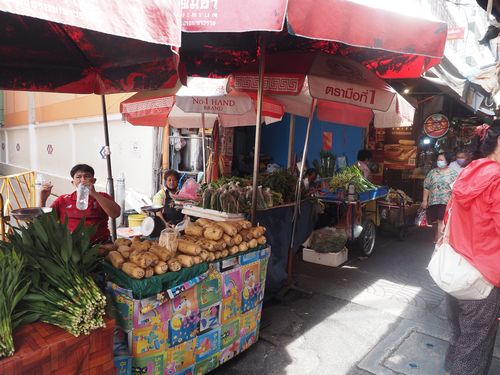
Bangkok • Bangkok markets
Tradition profile
Bangkok markets
Tradition category: Local market
Tradition family: Traditional markets and fairs
Tradition genre: Trade and Local Creativity
Geographic location: Bangkok • Thailand
• Links to •
• List of videos about Bangkok on this site •
Bangkok, Street food and markets • Thailand
Bangkok, the Grand Palace • Thailand
Bangkok, Wat Phra Chetuphon temple • Thailand
Bangkok, boat trip on the khlongs • Thailand
The Markets of Bangkok: A Historical and Cultural Evolution
Political and Social Motivations Behind the Emergence
The tradition of markets in Bangkok emerged as a response to the socio-political and economic needs of the city when it became the capital of the Kingdom of Siam in 1782 under King Rama I. Politically, the markets served as hubs of trade, reinforcing Bangkok's strategic position as a commercial and administrative center. The Chao Phraya River and its network of canals (klongs) were utilized to facilitate the transport of goods, enabling economic self-sufficiency and supporting the monarchy's control over resources and commerce.
Socially, markets were integral to daily life, providing essential goods and fostering a sense of community. They became places where various strata of society could interact, transcending social hierarchies. Additionally, the markets reflected the cultural values of the time, particularly the importance of agriculture and the close relationship between Thai society and its natural environment.
Historical Timeline and Key Events
Founding of Bangkok (1782):
The establishment of Bangkok as the capital marked the beginning of organized marketplaces. These markets were situated along rivers and canals to capitalize on water transport, which was the primary mode of movement for goods and people.
Economic Reforms of King Rama IV and Rama V (19th Century):
Under King Rama IV (1851–1868) and Rama V (1868–1910), Siam modernized its economy. Infrastructure improvements, such as the construction of more canals and roads, expanded the reach of markets. The influx of foreign merchants and goods during this period brought diversity to the products available in Bangkok markets.
World War II and Post-war Recovery:
During the mid-20th century, Bangkok's markets adapted to the challenges of war and the subsequent rebuilding phase. They played a crucial role in maintaining food supplies and supporting local economies.
Urbanization and Globalization (Late 20th Century):
With Bangkok's transformation into a modern metropolis, traditional markets faced competition from supermarkets and shopping malls. However, they remained vital for local communities and increasingly attracted tourists.
Cultural, Social, and Economic Influence
The markets of Bangkok have had profound cultural, social, and economic impacts on the region:
Cultural Influence:
The markets are repositories of Thai culinary and artistic traditions. From fresh produce to handcrafted goods, they showcase the country's heritage. Floating markets like Damnoen Saduak symbolize Bangkok's unique integration of commerce and waterways.
Social Influence:
Markets have historically been spaces for social interaction, bringing together diverse groups of people. They fostered a sense of community and were venues for cultural exchange, particularly as foreign merchants introduced new goods and practices.
Economic Influence:
Markets have been pivotal in supporting Bangkok's economy. They provided livelihoods for countless vendors and created a system where locally produced goods could reach urban centers efficiently.
Global Context and Comparisons
During their emergence, Bangkok’s markets mirrored similar developments in other parts of the world:
Southeast Asia:
Like the bazaars in Java or the wet markets in Vietnam, Bangkok's markets were deeply integrated into the region's agrarian economy. The use of waterways for trade was a defining feature.
Middle East and North Africa:
The souks of Morocco and bazaars of Turkey served similar purposes as centers of trade and social interaction, albeit with more emphasis on land-based commerce.
Europe:
In the late 18th and early 19th centuries, European markets, particularly in port cities, were undergoing transformations with industrialization. However, unlike Bangkok’s water-based markets, these relied on emerging road and rail networks.
Major Transformations Over Time
From Traditional to Tourist Attractions:
Many markets, particularly the floating ones, transitioned from serving local needs to catering to tourists. While this shift brought global recognition, it sometimes led to the commercialization of traditionally authentic practices.
Introduction of New Goods and Practices:
The 19th and 20th centuries saw the inclusion of foreign products, from Chinese textiles to Indian spices, reflecting Bangkok's position as a trade hub.
Adapting to Urbanization:
The rise of shopping malls and supermarkets challenged traditional markets. However, markets like Chatuchak adapted by becoming more structured and diversified.
Current Cultural Significance and Preservation
The markets of Bangkok remain integral to the city’s identity. Places like Chatuchak Market, which spans over 35 hectares with more than 15,000 stalls, attract millions of visitors annually. Floating markets, though less essential for daily commerce, are celebrated as cultural landmarks.
Efforts to preserve these markets focus on maintaining their authenticity while adapting to modern demands. Initiatives include promoting local craftsmanship and creating sustainable tourism models.
Challenges to Preservation
Urban Development:
Rapid urbanization threatens the existence of traditional markets, particularly those in older neighborhoods.
Environmental Issues:
Pollution and changing water levels pose risks to floating markets, which rely on Bangkok’s waterways.
Tourism Pressure:
While tourism sustains some markets, excessive commercialization can erode their cultural authenticity.
Conclusion
The markets of Bangkok illustrate the innovative blend of social, economic, and cultural practices that have shaped Thai society. As dynamic spaces that adapt to changing times, they reflect Bangkok's resilience and creativity. However, preserving their unique heritage amid modernization and globalization remains a pressing challenge. Through sustainable practices and cultural appreciation, the legacy of Bangkok’s markets can continue to thrive on both local and global stages.
The Markets of Bangkok: A Testament to Social and Cultural Innovation
Social and Cultural Innovation at the Time of Emergence
The markets of Bangkok emerged as a pivotal aspect of the city’s development during the late 18th century, following its establishment as the capital of Siam under King Rama I in 1782. These markets illustrate social and cultural innovation through their integration with the natural environment, particularly the extensive network of canals (klongs) that served as the lifeblood of the city. By using waterways as transportation and trading hubs, Bangkok developed a dynamic system of markets that catered to both urban and rural needs.
Culturally, the markets reinforced the values of community, adaptability, and interdependence. Vendors and buyers engaged in daily exchanges that transcended mere commerce, fostering social cohesion and a sense of belonging. The design and structure of these markets reflected a society deeply connected to its agricultural roots and natural surroundings, with a focus on sustainability and resourcefulness.
Symbols, Objects, and Rituals Reflecting Societal Grandeur
Symbolic Rituals:
Market openings often included Buddhist blessings to ensure prosperity and good fortune for vendors and buyers. These ceremonies underscored the spiritual dimension of commerce in Thai society, where trade was seen as a mutually beneficial act tied to karma.
Distinctive Objects:
Traditional Handicrafts: Woven baskets, wooden carvings, and silk textiles were not only practical items but also symbols of Thai craftsmanship and artistic heritage.
Food and Agriculture: Items such as fragrant jasmine rice, tropical fruits like durians and mangosteens, and freshly caught fish showcased the abundance of Thailand’s natural resources.
Decorative Lanterns and Boats: At floating markets, colorful boats laden with goods became iconic symbols, representing the ingenuity of water-based trade.
Notable Practices:
The floating markets, such as Damnoen Saduak and Amphawa, are particularly renowned for their vibrant interactions. Vendors paddle small wooden boats, calling out their offerings to customers along the riverbanks. This unique mode of trade highlights Bangkok’s symbiotic relationship with its waterways.
A Unique Blend of Regional Traditions and External Influences
The markets of Bangkok exemplify a harmonious blend of local customs and international influences:
Regional Traditions: The reliance on waterways for commerce was rooted in Thailand’s agrarian economy. Farmers brought their produce to market by boat, fostering a trade system deeply connected to the natural geography.
External Influences: Trade with Chinese, Indian, and European merchants introduced exotic goods and broadened the variety of items available. Chinese merchants, in particular, contributed significantly to Bangkok’s market culture, bringing silk, porcelain, and herbal medicines.
This melding of influences created a vibrant, multicultural marketplace that reflected Bangkok’s position as a crossroads of Southeast Asia.
Statistics, Anecdotes, and Notable Features
Chatuchak Market: Spanning over 35 hectares with more than 15,000 stalls, Chatuchak is one of the largest markets in the world. It attracts an estimated 200,000 visitors each weekend, making it a microcosm of Thailand’s diversity.
Floating Markets: Damnoen Saduak sees over 6,000 visitors daily, showcasing the enduring appeal of traditional trade practices.
Anecdote: During the late 19th century, King Rama V was known to frequent markets incognito, reflecting their role as spaces of equality where all classes mingled.
International Recognition and UNESCO's Role
Although Bangkok’s markets are not currently listed as UNESCO intangible cultural heritage, their global recognition is undeniable. These markets attract millions of international visitors annually, drawn by their authenticity, cultural significance, and sensory vibrancy. If recognized by UNESCO, the markets would benefit from:
Enhanced Preservation Efforts: Official recognition would bolster initiatives to maintain the traditional practices and structures of markets, particularly the floating markets.
Sustainable Tourism Development: UNESCO status could encourage responsible tourism practices that protect the cultural integrity of these markets.
Cultural Awareness: Listing would elevate global appreciation for the markets as living traditions that bridge history and modernity.
Challenges and Future Preservation
Urbanization and Modernization: Bangkok’s rapid development threatens traditional markets, as land is repurposed for malls and infrastructure.
Environmental Concerns: Pollution and rising water levels pose risks to floating markets, which rely on clean and stable waterways.
Tourism Pressure: Over-commercialization risks eroding the authenticity of markets, turning them into tourist spectacles rather than living cultural hubs.
To ensure their survival, efforts must focus on balancing modernization with the preservation of cultural heritage. This includes promoting local artisans, supporting sustainable practices, and integrating market traditions into broader urban planning.
Conclusion
The markets of Bangkok stand as a testament to the city’s innovative spirit and rich cultural heritage. Their unique blend of local traditions and global influences has made them iconic symbols of Thai identity. Despite modern challenges, these markets continue to thrive as spaces of cultural exchange and economic vitality. With appropriate preservation efforts and recognition, they can remain integral to Bangkok’s cultural landscape for generations to come.
 Links to the main sections of the site