Français (France)
  Nederlands (nl-NL)
 Devaraja Market is one of the main traditional commercial spaces in Mysore, located in the Indian state of Karnataka. Positioned in a busy urban district, it brings together numerous vendors who sell food products, spices, flowers, fruits, vegetables and a variety of everyday goods. The market plays an important role in the local economy by connecting regional producers, traders and residents of the city. It also functions as a social meeting place where long-standing trading practices continue to be maintained. Through its daily activity and wide range of products, Devaraja Market illustrates the operation of traditional urban markets in southern India.

Mysore • Devaraja Market

Mysore • Devaraja Market
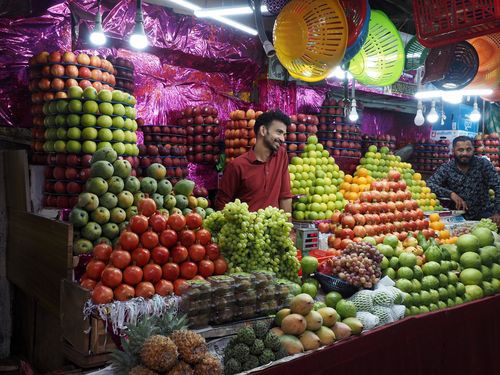
Mysore • Devaraja Market
Tradition profile
Devaraja Market
Tradition categories: Flower market, Local market
Tradition family: Traditional markets and fairs
Tradition genre: Trade and Local Creativity
Geographic location: Mysore • Karnataka •
• Links to •
• List of videos about Mysore on this site •
Mysore, Mysuru Palace, Karnataka • India
Mysore, Devaraja market, Karnataka • India
History of the Devaraja Market Tradition in Mysore
Political and Social Context of Emergence
The commercial tradition associated with Devaraja Market developed within the broader historical framework of Mysore’s urban growth and political importance in southern India. Mysore, located in present-day Karnataka, became a major administrative and cultural center under the rule of the Wodeyar dynasty, which established the city as the capital of a princely state from the sixteenth century onward. As the city expanded and administrative institutions grew, the need for structured spaces for trade and distribution increased.
Urban markets were essential institutions in the economic organization of Indian cities. They provided a central location where agricultural produce, flowers, spices, textiles, and household goods could be exchanged between rural producers and urban consumers. Mysore was surrounded by fertile agricultural regions that produced rice, vegetables, fruits, and plantation crops. These goods needed to be transported into the city and distributed efficiently to support the growing population.
Social structures also played a key role in the emergence of market traditions. In many South Indian cities, trading activities were organized through communities specializing in particular forms of commerce. Certain castes and merchant groups traditionally handled the trade of agricultural goods, spices, textiles, or flowers. These communities often maintained networks of trust and cooperation that regulated prices, supply chains, and market practices.
Religious life also influenced the demand for goods sold in markets such as Devaraja Market. Mysore contained numerous temples and religious institutions, and daily worship required flowers, fruits, incense, and other ritual items. The presence of a vibrant temple culture created steady demand for such products, which contributed to the development of specialized sectors within the market.
Local rulers generally supported the development of market spaces because they helped stabilize the urban economy and generated revenue through taxation. By encouraging commercial activity and maintaining organized trading environments, the authorities reinforced Mysore’s position as a regional economic center.
Major Historical Events Influencing the Tradition
The commercial life of Mysore underwent significant transformations during the eighteenth century when the political leadership of the state shifted from the Wodeyar dynasty to the military rulers Hyder Ali and his son Tipu Sultan. Under their rule, Mysore emerged as a powerful kingdom that engaged in military and economic competition with neighboring states and European colonial powers. During this period, trade networks were strengthened to support the state’s economic ambitions and to ensure the supply of food and materials to urban populations.
Following the defeat of Tipu Sultan in 1799, Mysore came under British influence while the Wodeyar dynasty was restored as rulers of a princely state under colonial supervision. This new political arrangement introduced administrative reforms and urban planning initiatives that gradually reshaped the structure of the city. Markets were increasingly organized in designated commercial areas to regulate trade and improve urban management.
During the nineteenth and early twentieth centuries, Mysore experienced considerable modernization under enlightened princely rulers who promoted infrastructure development, education, and urban planning. It was during this period that Devaraja Market emerged as a structured and recognized marketplace within the city. The market became a central hub where traders, farmers, and merchants could gather to exchange goods and maintain commercial networks.
After India gained independence in 1947, Mysore was integrated into the Indian Union and later became part of the state of Karnataka. Despite the growth of modern retail systems and new economic structures, traditional markets such as Devaraja Market continued to play a crucial role in local commerce and daily urban life.
Global Context at the Time of Emergence
The emergence of Devaraja Market reflects a broader historical phenomenon observed in many parts of the world: the development of urban marketplaces as centers of economic and social activity. In pre-industrial societies, markets were indispensable for distributing agricultural surpluses and connecting rural production with urban consumption.
Comparable institutions existed in medieval European market squares, the bazaars of Central Asia, the souks of the Middle East, and the traditional markets of Southeast Asia. In each of these contexts, markets functioned as gathering points where merchants, artisans, farmers, and consumers could exchange goods and information.
South India participated in extensive regional and international trade networks long before the modern era. Agricultural products, textiles, spices, and forest goods circulated through complex systems of exchange linking villages, cities, and port towns. Urban markets such as those in Mysore formed key nodes within these networks, ensuring the circulation of goods within the regional economy.
In this global perspective, the Devaraja Market tradition represents a local manifestation of a widespread economic structure that characterized urban societies across many cultures.
Transformations of the Tradition
Over time, the functioning of Devaraja Market adapted to significant economic and social changes. During the colonial period, improvements in transportation infrastructure such as roads and railways expanded the reach of regional trade networks. This allowed goods from distant agricultural areas to reach Mysore more easily, increasing the diversity of products available in the market.
The internal organization of the market also evolved. Different sections became associated with specific types of goods, including vegetables, fruits, spices, grains, and flowers. This specialization allowed merchants to operate more efficiently and helped customers navigate the complex commercial environment.
In the twentieth century, urbanization and population growth increased the importance of the market as a distribution center for food and everyday goods. Even as supermarkets and modern retail outlets began to appear, the Devaraja Market maintained its relevance due to the freshness of its products and the strong social relationships between traders and customers.
Tourism has also influenced the perception of the market in recent decades. Mysore is widely known for its cultural heritage, and visitors often explore the market to observe traditional trading practices and local culinary ingredients. Although the market continues to serve the needs of local residents, this growing visibility has contributed to its cultural significance.
Role of the Tradition Today and Its Cultural Importance
Today, Devaraja Market remains one of the most recognizable commercial spaces in Mysore. It functions as a daily marketplace where residents purchase fruits, vegetables, spices, flowers, and household goods. Farmers and traders from surrounding rural areas continue to bring agricultural produce to the city, maintaining a long-standing connection between the countryside and the urban economy.
One of the most distinctive features of the market is the sale of flowers, particularly jasmine, marigolds, and roses. These flowers are widely used in Hindu rituals, temple offerings, and family ceremonies. Their presence illustrates the close relationship between commerce and religious practice in the region.
Beyond its economic function, the market serves as a social gathering place. Regular interactions between traders and customers foster long-term relationships and reinforce community bonds. The market therefore represents both a commercial institution and a social space embedded in the daily life of the city.
Current Preservation and Modern Challenges
Despite its vitality, the Devaraja Market tradition faces several modern challenges. Rapid urban expansion and the growth of large retail chains have altered patterns of consumption in many Indian cities. These developments can reduce the role of traditional markets in urban economies.
Urban infrastructure and safety concerns also require attention. Older market structures sometimes need renovation or modernization to meet contemporary standards while preserving their historical character.
Nevertheless, Devaraja Market is widely recognized as an important element of Mysore’s cultural heritage. Local authorities and community organizations have undertaken initiatives to restore and maintain the market while ensuring that it continues to function as a vibrant commercial center.
The long-term survival of the market depends on balancing modernization with the preservation of traditional trading practices. By adapting to changing economic conditions while maintaining its historical role as a marketplace and social meeting place, the Devaraja Market continues to represent an enduring tradition within the urban life of Mysore.
Characteristics of the Devaraja Market Tradition in Mysore
Origin and Context of Emergence
The commercial tradition associated with Devaraja Market developed within the historical framework of Mysore’s urban evolution as a political, administrative, and cultural center in southern India. Located in the present-day state of Karnataka, Mysore served for centuries as the capital of a princely state governed by the Wodeyar dynasty. As the city expanded during the early modern and colonial periods, the need for organized spaces for trade and distribution became increasingly important.
Urban markets emerged as essential institutions that linked agricultural production from surrounding rural regions with the daily needs of the urban population. Mysore lies in an area of fertile agricultural lands producing rice, vegetables, fruits, sugarcane, and plantation crops. Farmers from nearby villages required central locations where their products could be sold or exchanged. Markets such as Devaraja therefore functioned as intermediary zones between rural producers and urban consumers.
Social organization also played a major role in the formation of these trading traditions. In many South Indian cities, particular merchant communities specialized in specific goods and activities. These groups, sometimes associated with caste or professional guilds, managed trade networks, transportation, and distribution systems. Their experience and knowledge allowed them to regulate prices, maintain supply chains, and ensure the continuity of commercial practices.
Religious life further reinforced the importance of such markets. Mysore contains numerous temples and religious institutions where daily rituals require flowers, fruits, incense, and food offerings. The demand for ritual products stimulated specialized forms of trade, particularly the sale of flowers and garlands, which remain among the most recognizable elements of Devaraja Market today.
Constitutive Elements and Practices
Devaraja Market represents a complex and highly organized commercial environment. The market is composed of numerous sections in which different categories of goods are displayed and sold. Vendors typically specialize in particular products, creating identifiable zones within the market for fruits, vegetables, spices, grains, flowers, textiles, and household items.
Daily activities in the market follow a consistent rhythm shaped by the cycles of agricultural production and urban consumption. Traders usually arrive early in the morning with fresh produce delivered from surrounding villages. The busiest hours occur during the morning when residents visit the market to purchase ingredients for daily meals or to obtain products needed for small restaurants, food vendors, and household consumption.
Participants in the market include several categories of actors. Rural farmers bring freshly harvested produce, while wholesale traders distribute larger quantities of goods. Retail vendors sell smaller portions directly to customers. Specialized sellers prepare items such as flower garlands, spice mixtures, or ready-to-cook ingredients, demonstrating a high degree of practical knowledge and skill.
Traditional know-how plays a central role in these activities. Vendors learn how to select quality produce, arrange goods in visually appealing displays, and interact with customers through negotiation. These practices are often transmitted within families, where younger generations gradually learn commercial techniques through observation and participation.
Symbolism and Cultural Meanings
Although primarily a commercial institution, the Devaraja Market tradition carries strong cultural symbolism within the urban life of Mysore. The diversity of products displayed throughout the market reflects the agricultural wealth of the surrounding region and the culinary traditions of southern India.
Flowers occupy a particularly significant symbolic role. Jasmine, marigolds, roses, and other flowers are widely used in Hindu religious rituals and domestic ceremonies. The preparation and sale of garlands represent a specialized craft practiced by experienced vendors who assemble intricate floral arrangements. These garlands are used in temples, weddings, festivals, and daily worship.
The visual landscape of the market also carries symbolic meaning. Brightly colored fruits, vegetables, spices, and flowers create a vivid environment that represents abundance and vitality. The combination of colors, aromas, and sounds forms a sensory experience that is closely associated with traditional Indian marketplaces.
Interactions between sellers and buyers further contribute to the cultural meaning of the market. Negotiation, conversation, and repeated daily encounters create long-term relationships based on trust and familiarity. These social exchanges transform the market from a simple place of commerce into an important social space.
Evolution and External Influences
The Devaraja Market tradition has evolved over time in response to broader economic and political transformations. During the colonial period, improvements in transportation infrastructure such as railways and roads expanded the reach of regional trade networks. Products from distant agricultural areas became more accessible, increasing the variety of goods available within the market.
The twentieth century brought further changes as urbanization expanded and Mysore’s population grew. The market adapted by developing more specialized sections and accommodating larger numbers of traders and customers. Despite these changes, the fundamental structure of direct exchange between producers and consumers remained largely intact.
Global economic trends have also influenced market practices. Imported goods and manufactured products gradually appeared alongside traditional agricultural commodities. Nevertheless, locally produced food items and ritual products continue to dominate the market’s activity.
Comparable market traditions exist throughout the world. Similar institutions can be found in the bazaars of Central Asia, the souks of the Middle East, the covered markets of Europe, and the street markets of Southeast Asia. In each case, markets serve as centers of economic exchange and social interaction.
Social Organization and Community Impact
Devaraja Market plays a crucial role in the social organization of Mysore. It provides a direct economic link between rural producers and urban consumers, supporting agricultural livelihoods while ensuring the city’s food supply. Farmers rely on the market as a stable outlet for their products, while urban residents depend on it for access to fresh and affordable goods.
The market also reinforces social relationships within the community. Many vendors maintain long-standing connections with regular customers, creating networks of mutual trust and cooperation. These relationships contribute to the stability of small-scale commerce and encourage the continuation of traditional trading practices.
Participation in the market often involves entire families. Children and younger relatives assist with tasks such as preparing goods, arranging stalls, or managing sales. Through these activities, commercial knowledge and cultural traditions are transmitted across generations.
Statistics, Anecdotes, and Notable Observations
The Devaraja Market attracts hundreds of vendors and large numbers of customers each day, particularly during the morning hours when fresh produce arrives. The market covers a substantial commercial area and includes numerous stalls offering a wide range of products.
One of the most distinctive features of the market is its extensive flower trade. Large quantities of jasmine and marigold garlands are prepared daily and distributed to temples, households, and ceremonial events throughout the city. This sector of the market is widely recognized as one of the most visually striking aspects of the marketplace.
Visitors frequently remark on the diversity of products available, which reflects the agricultural richness of the surrounding region and the culinary diversity of southern India.
Recognition and Preservation Challenges
Today, the Devaraja Market tradition remains an important element of Mysore’s cultural and economic landscape. The market continues to function as a central trading space where traditional practices coexist with modern commercial influences.
However, the market faces several challenges. Rapid urban expansion and the growth of supermarkets and shopping malls have introduced new forms of retail competition. Changing lifestyles and employment patterns may also influence the number of people engaged in traditional trading activities.
At the same time, there is increasing recognition of the market’s cultural significance. Local authorities and community groups have undertaken efforts to preserve the market’s structure and to improve infrastructure while maintaining its traditional character.
Balancing modernization with cultural preservation represents the central challenge for the future of Devaraja Market. By adapting to contemporary economic conditions while maintaining the social practices that define its identity, the market continues to serve as a living example of traditional urban commerce in southern India.
 Links to the main sections of the site