Français (France)
  Nederlands (nl-NL)
 The Buena Vista Social Club in Havana stands as one of Cuba’s most recognizable cultural icons. More than a musical group, it represents the revival of a rich artistic heritage rooted in traditional Cuban rhythms such as son cubano, bolero, and danzón. Originally founded in the 1940s as a social club for musicians and dancers, it regained worldwide fame in the late twentieth century through a musical project that brought together generations of Cuban artists. Today, the name evokes a sense of timeless authenticity, where voices and instruments express the spirit of Havana. The Buena Vista Social Club remains a symbol of Cuba’s artistic vitality and its unique ability to bridge tradition and contemporary expression.
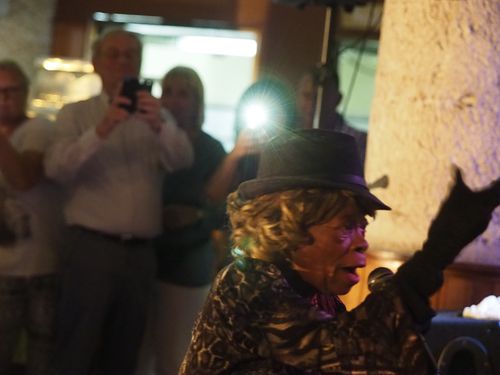
Havana • Buena VIsta Social Club
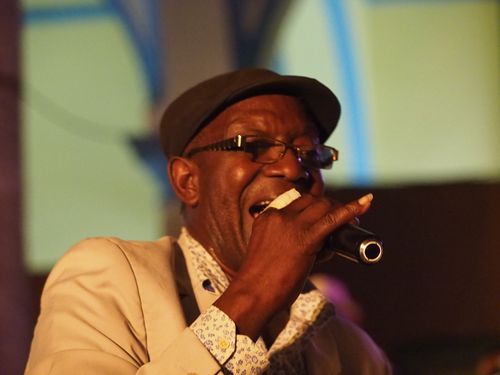
Havana • Buena VIsta Social Club
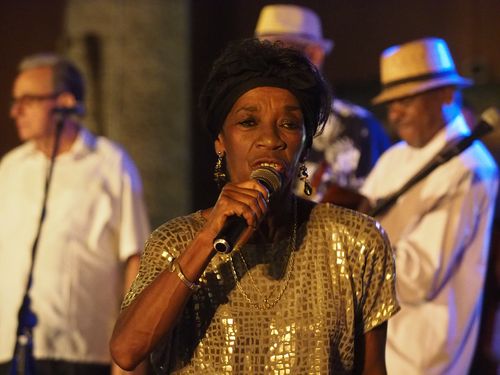
Havana • Buena VIsta Social Club
Tradition profile
Buena VIsta Social Club
Tradition category: Concerts and musical shows
Tradition family: Traditional music
Tradition genre: Performing arts
Geographic location: Havana • Cuba
• Links to •
• List of videos about Havana on this site •
Havana, the capital • Cuba
The Historical Evolution of the Buena Vista Social Club Tradition
Political and Social Context of Emergence
The Buena Vista Social Club tradition emerged in the dynamic, multicultural environment of Havana during the 1940s, a time when Cuba stood at the crossroads of social inequality and artistic innovation. The club itself, located in the working-class neighborhood of Buenavista, was originally founded as a social and musical gathering place for Afro-Cuban communities, who were often excluded from Havana’s elite cultural venues due to persistent racial segregation.
The political landscape of pre-revolutionary Cuba was characterized by strong U.S. economic influence and deep social divides. While the island’s economy benefited from tourism and the sugar trade, wealth remained concentrated in the hands of a few, leaving large sectors of the population marginalized. In this setting, the Buena Vista Social Club became not only a space of recreation but also one of cultural affirmation and social resistance. The music, dance, and camaraderie cultivated there embodied a distinctly Cuban identity — a blend of African rhythms, Spanish melodies, and Caribbean spirit.
The emergence of this tradition was also shaped by the evolution of the son cubano, a musical genre combining African percussion with Spanish guitar harmonies and poetic lyrics. The son became a medium of communication and collective expression, allowing people of different classes and ethnic backgrounds to share a common language through music. The club thus played a crucial role as both a cultural incubator and a community hub, preserving the island’s intangible heritage during a period of rapid modernization and social tension.
Major Historical Events and Transformations
The Cuban Revolution of 1959 profoundly altered the nation’s cultural infrastructure. With the overthrow of the Batista regime and the establishment of a socialist government, the state assumed direct control of cultural production. Private clubs like Buena Vista were dissolved or nationalized, and their musicians were integrated into state-supported ensembles such as the Conjunto Nacional de Música Popular.
This political shift had a dual effect. On one hand, it democratized access to artistic education, enabling previously marginalized musicians to receive formal training and state support. On the other, it marked the decline of informal spaces of creativity like the original Buena Vista Social Club. The new cultural order emphasized patriotic and revolutionary themes, sidelining older musical traditions associated with the pre-revolutionary nightlife.
During the Cold War era, as Cuba became increasingly isolated from Western markets, traditional Cuban music experienced a long period of obscurity outside the island. Nonetheless, it survived within domestic cultural life — in festivals, radio broadcasts, and family celebrations — passed down through generations by musicians who had once played in Havana’s clubs.
The revival came unexpectedly in the 1990s. Amid Cuba’s economic crisis following the collapse of the Soviet Union, a renewed global curiosity for traditional music led to the rediscovery of the son. In 1996, American guitarist Ry Cooder and Cuban bandleader Juan de Marcos González brought together a group of veteran musicians — including Compay Segundo, Ibrahim Ferrer, Rubén González, and Omara Portuondo — to record what would become the Buena Vista Social Club album. The recording, released in 1997, achieved worldwide success, winning a Grammy Award and inspiring Wim Wenders’ acclaimed documentary in 1999.
This resurgence transformed the Buena Vista Social Club into an international phenomenon, bridging the gap between Cuba’s historical memory and the modern world.
Global Context and Cultural Parallels
The revival of the Buena Vista Social Club coincided with a broader global movement of rediscovering and preserving traditional music. Similar efforts were underway with Portugal’s fado, Argentina’s tango, and Spain’s flamenco — all genres once confined to local communities that later achieved international recognition.
In this sense, the Buena Vista Social Club fits within a global narrative of cultural resilience. It reflects a postcolonial dynamic in which formerly marginalized musical forms gained renewed legitimacy as national symbols and vehicles of cultural diplomacy. Unlike many folkloric traditions that became heavily stylized for mass consumption, the Buena Vista revival retained much of its authenticity. The musicians’ advanced age, their unembellished sound, and the unpretentious nature of the recordings contributed to the perception of a genuine, unfiltered Cuba — a country where art persisted in spite of poverty and isolation.
Evolution and Shifting Meanings
Over time, the Buena Vista Social Club evolved from a local cultural practice into a global brand. Its name, once referring to a physical club, came to symbolize the entirety of traditional Cuban music. The aesthetic of the project — vintage instruments, sepia-toned imagery, and nostalgic lyrics — appealed strongly to Western audiences seeking “authenticity” in an increasingly globalized cultural landscape.
However, this transformation also generated debate. Some critics argued that the international success of the Buena Vista Social Club promoted a romanticized image of Cuba, one disconnected from its social realities. Others saw it as a triumph of cultural diplomacy, allowing the island to reclaim a dignified place in world culture after decades of geopolitical isolation.
Musically, the revival encouraged a renaissance of traditional forms such as bolero, guaracha, and danzón, inspiring new generations of Cuban artists. Groups like Afro-Cuban All Stars and Orquesta Buena Vista Social Club emerged to continue the legacy, blending classical arrangements with modern influences like jazz and salsa.
Cultural Role and Social Impact Today
Today, the Buena Vista Social Club stands as a symbol of cultural endurance and national pride. In Cuba, it represents not only a musical tradition but also a social model rooted in community, equality, and intergenerational exchange. Many of the original musicians became national heroes, embodying values of humility, perseverance, and artistic excellence.
In Cuban society, the spirit of the Buena Vista tradition continues through music schools, street performances, and family gatherings. Its influence extends beyond the island: conservatories, festivals, and world music programs have incorporated Cuban music into their curricula, recognizing it as part of the global cultural patrimony.
The club’s impact also extends into identity formation. For the Cuban diaspora, it symbolizes a bridge between homeland and memory, offering a sense of belonging through rhythm and melody.
Preservation and Contemporary Challenges
The preservation of the Buena Vista Social Club’s legacy faces several modern challenges. Rapid urbanization, economic pressures, and the global dominance of commercial music threaten the continuity of traditional practices. Younger generations, increasingly drawn to digital and international genres, may find less connection to the acoustic and communal nature of the son.
Nevertheless, efforts to safeguard this heritage are ongoing. The Cuban Ministry of Culture, in cooperation with UNESCO and various international partners, has undertaken initiatives to document and archive historic recordings. Educational programs, festivals like the Festival del Son de Santiago de Cuba, and cultural exchanges promote awareness among new audiences.
Although the Buena Vista Social Club is not formally listed as UNESCO Intangible Cultural Heritage, it fulfills many of the criteria: it embodies cultural continuity, promotes identity, and fosters social cohesion. Its ongoing recognition as an emblem of world music underscores the importance of intangible heritage in shaping collective memory.
Conclusion
The Buena Vista Social Club represents more than a musical project — it is a living tradition born from the struggles, dreams, and creativity of the Cuban people. From its origins in the social clubs of mid-20th-century Havana to its revival on the global stage, it has continually adapted to historical and cultural change while remaining faithful to its communal roots.
In an era of globalization and cultural homogenization, the Buena Vista Social Club stands as a reminder that heritage is not static but alive — sustained by memory, reinvention, and the enduring human need to share rhythm and emotion. Its legacy, preserved through song and story, continues to inspire not only Cubans but the entire world.
The Cultural and Symbolic Dimensions of the Buena Vista Social Club Tradition
Origin and Context of Emergence
The Buena Vista Social Club tradition, rooted in Havana, Cuba, reflects the complex interplay of history, identity, and resilience that defines the island’s cultural landscape. Emerging during the 1940s, this tradition arose from the social and musical life of working-class Afro-Cuban communities who sought spaces of expression and dignity amid the lingering effects of racial segregation. The club itself, located in the Buenavista neighborhood, provided a meeting place where musicians, dancers, and residents gathered to celebrate their heritage through music and sociability.
Politically, Cuba at the time was navigating a period of instability under U.S. economic influence and an oligarchic government. Social inequalities were profound: while Havana thrived as an entertainment hub for foreign visitors, the majority of Cubans faced poverty and exclusion. Within this environment, the Buena Vista Social Club became both a cultural refuge and a subtle form of resistance. Its gatherings transcended the boundaries of class and race, creating a musical dialogue that blended African percussive rhythms, Spanish lyrical forms, and Caribbean melodic sensibilities.
The music that defined the club—particularly the son cubano—reflected Cuba’s multicultural synthesis. The son’s call-and-response structure, syncopated rhythms, and improvisational character mirrored the everyday realities of the Afro-Cuban population: collective strength, endurance, and joy in adversity. In this sense, the Buena Vista Social Club did not simply represent a musical institution but a social phenomenon rooted in the affirmation of cultural identity.
Constituent Elements and Practices
The practice of the Buena Vista Social Club tradition was multifaceted, combining music, dance, and communal rituals. Its central element was performance: musicians gathered in informal ensembles featuring guitars, the tres (a three-course Cuban guitar), double bass, trumpet, maracas, bongos, and congas. The structure of performances followed a cyclical rhythm, where instrumental interludes alternated with vocal exchanges between a lead singer and a chorus. The improvisational spirit—both melodic and lyrical—was a hallmark of the tradition, emphasizing spontaneity and interaction.
Costumes and gestures also carried meaning. Male performers typically dressed in linen shirts and straw hats, symbols of elegance and humility, while dancers often wore colorful garments reflecting regional influences. The act of performance was itself ritualized: musicians would begin with slow introductions, gradually building toward an energetic climax that mirrored the collective release of emotion and social unity.
The tradition depended on oral transmission. Knowledge was passed from elder musicians to apprentices through direct participation, not through formal instruction. Each instrument and vocal role was learned by observation, repetition, and adaptation. This pedagogical continuity allowed the tradition to remain fluid, ensuring that each generation contributed its nuances without erasing the collective essence of the music.
Symbolism and Meanings
Beyond its aesthetic value, the Buena Vista Social Club carried deep symbolic resonance. The music embodied key Cuban values: perseverance, communal solidarity, and joy as resistance. Its lyrics often spoke of love, exile, and nostalgia, reflecting both the personal and collective longing experienced by a society shaped by migration and historical upheaval.
The sonorous texture of the son was imbued with dual meanings. The rhythm section, derived from African traditions, symbolized continuity with ancestral heritage, while the melodic lines—drawn from Spanish and Caribbean influences—expressed Cuba’s hybrid identity. The alternation between soloist and chorus represented dialogue within the community: an exchange between individual expression and collective response.
The emotional dimension of the performances, often oscillating between melancholy and celebration, also mirrored the Cuban ethos of alegría triste—a bittersweet happiness. This tension between joy and sorrow gave the tradition its profound depth, transforming music into both an artistic and existential statement.
Evolution and External Influences
Over the decades, the Buena Vista Social Club evolved alongside Cuba’s shifting political and cultural landscapes. In the pre-revolutionary era, Havana’s booming nightlife attracted foreign visitors, leading to the commercialization of Afro-Cuban music. Yet the more authentic forms, such as the gatherings at Buena Vista, remained tied to the working class and the marginalized.
After the 1959 Revolution, Cuba’s cultural policy redefined artistic production. Private clubs were abolished, and many musicians were integrated into state-sponsored orchestras. While this ensured institutional support, it also disrupted the informal, spontaneous nature of community-based traditions. For several decades, the original Buena Vista Social Club and its local equivalents faded from prominence, overshadowed by officially promoted musical genres.
The late 20th century brought an unexpected revival. In the 1990s, amid Cuba’s economic hardships following the fall of the Soviet Union, international musicians and producers rediscovered the forgotten masters of Cuban music. The resulting album Buena Vista Social Club (1997), recorded by veterans of the 1940s and 1950s, restored global interest in the genre. The accompanying documentary by Wim Wenders in 1999 immortalized these artists, transforming a local tradition into a global symbol of authenticity and endurance.
Social Organization and Community Impact
The Buena Vista Social Club tradition was never merely entertainment; it served as a cornerstone of community cohesion. The club fostered a microcosm of social equality where artistic skill transcended racial and economic barriers. Musicians, dancers, and audiences interacted as equals, united by the shared language of rhythm. In this way, the club became a model of inclusive social organization long before political reforms aimed to institutionalize such ideals.
Today, its legacy continues to influence community life. Music schools, neighborhood festivals, and local ensembles in Havana perpetuate the spirit of intergenerational exchange. The values embodied by the Buena Vista tradition—respect for elders, collaborative creation, and pride in cultural roots—remain central to Cuba’s social fabric. The tradition also acts as a bridge between the island and its diaspora, evoking a sense of belonging among Cubans abroad.
Statistics, Anecdotes, and Notable Figures
When the Buena Vista Social Club project was revived in the 1990s, the musicians involved were mostly between 60 and 90 years old. The ensemble’s international tour, which included performances in Amsterdam and New York’s Carnegie Hall, drew global audiences and sold over eight million albums worldwide.
Anecdotes surrounding the project have since become part of Cuban cultural folklore. Many of the elderly performers had not left Cuba for decades before the tour, and their humility contrasted sharply with their newfound fame. Figures such as Ibrahim Ferrer, Compay Segundo, Rubén González, and Omara Portuondo became ambassadors of Cuban heritage, embodying both artistic mastery and the enduring spirit of the island.
Recognition and Preservation Challenges
The Buena Vista Social Club has achieved recognition far beyond Cuba’s borders. It stands today as one of the most significant symbols of Latin American cultural identity and resilience. Although it has not been formally listed as UNESCO Intangible Cultural Heritage, its influence meets many of UNESCO’s criteria: living transmission, social inclusiveness, and community significance.
However, its preservation faces challenges. Globalization and the rise of commercialized music have marginalized traditional genres, while younger generations are increasingly drawn to contemporary styles. Economic constraints and the migration of artists also threaten continuity. To counter this, Cuba has established cultural preservation programs, recording archives, and educational initiatives aimed at maintaining the link between past and present.
International collaborations and festivals continue to honor the Buena Vista legacy, ensuring that its music remains accessible and relevant. Efforts by cultural institutions seek not to fossilize the tradition but to sustain its dynamic, participatory essence.
Conclusion
The Buena Vista Social Club tradition exemplifies the creative vitality of Cuban culture — a fusion of history, rhythm, and identity that has transcended time and borders. From its origins in a modest neighborhood club to its elevation as a global cultural emblem, it reflects the power of community-based art to preserve memory and inspire renewal.
Its story demonstrates that heritage is not static but constantly reinterpreted by those who live it. The Buena Vista Social Club endures as a symbol of resilience, reminding the world that the soul of a people can be expressed, shared, and preserved through music — one rhythm, one song, one generation at a time.
 Links to the main sections of the site