Français (France)
  Nederlands (nl-NL)
 In Bangkok, street food is a vital part of daily life and culinary culture. The city's streets buzz with vendors offering a variety of traditional Thai dishes that appeal to both locals and tourists. These food stalls provide a direct immersion into Thailand's diverse flavors and culinary techniques, offering an authentic and accessible experience.
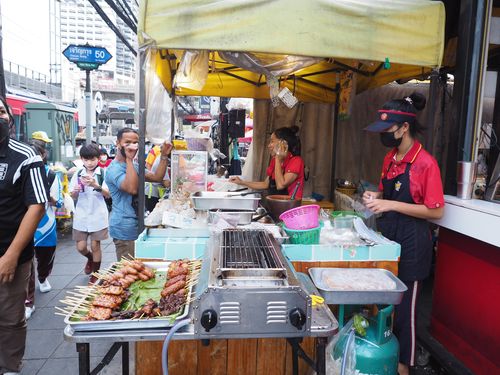
Bangkok • Street Food
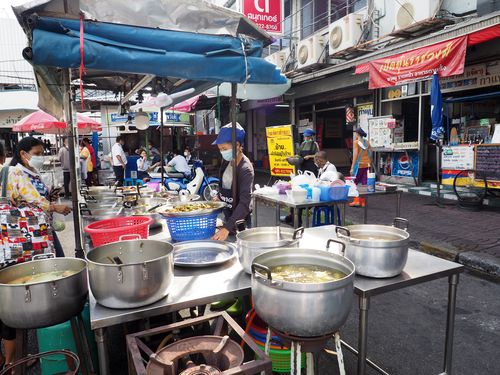
Bangkok • Street Food
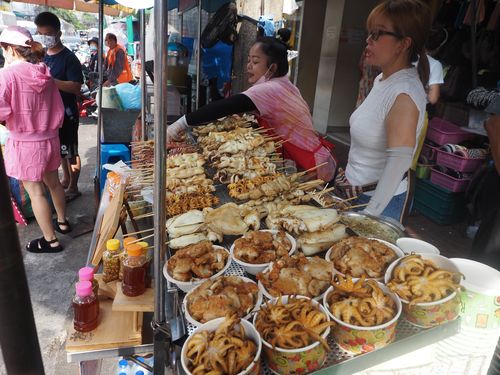
Bangkok • Street Food
Tradition profile
Street Food
Tradition category: Street food
Tradition family: Traditional markets and fairs
Tradition genre: Trade and Local Creativity
Geographic location: Bangkok • Thailand
• Links to •
• List of videos about Bangkok on this site •
Bangkok, Street food and markets • Thailand
Bangkok, the Grand Palace • Thailand
Bangkok, Wat Phra Chetuphon temple • Thailand
Bangkok, boat trip on the khlongs • Thailand
The Emergence and Evolution of Street Food Culture in Bangkok: Political, Social, and Cultural Dynamics
Street food in Bangkok, Thailand, is much more than a culinary tradition—it is a reflection of the city’s social, political, and economic evolution. Emerging as a practical solution to urbanization and population growth, this practice has become an integral part of Bangkok's identity, blending local customs with global influences. This article explores the political and social motivations behind the rise of street food, its historical milestones, its transformations over time, and the challenges it faces in the modern era.
Political and Social Motivations Behind the Emergence of Street Food
The origins of street food in Bangkok can be traced back to the mid-19th century during the reign of King Rama IV and Rama V. This period marked significant urban development, including the construction of canals and roads, which facilitated trade and migration. The influx of rural workers to Bangkok created a demand for affordable and accessible food options, leading to the rise of street vendors.
Politically, street food served as an informal solution to address urban food security. It provided cheap meals for the working class, helping to stabilize social order during a time of rapid industrialization. Women, particularly from lower-income households, found opportunities to contribute economically by selling street food, highlighting its role in social mobility and community resilience.
Historical Milestones and Global Context
Several key events shaped the development of street food in Bangkok:
- Urbanization and Migration (Late 19th - Early 20th Century)
As Bangkok expanded, street food vendors established themselves near markets, transport hubs, and workplaces. This mirrors developments in cities like New York, where street vendors served immigrant communities during the same period.
- The Influence of Chinese Immigration
During the early 20th century, Chinese migrants brought culinary traditions such as noodle dishes and stir-fries, which became staples of Bangkok’s street food. These influences were seamlessly integrated into the Thai culinary repertoire, showcasing cultural adaptation.
- Nationalism and Culinary Identity in the 1930s
Under Prime Minister Plaek Phibunsongkhram, the Thai government promoted Pad Thai as a national dish to foster cultural unity. Street vendors played a crucial role in popularizing this dish, cementing the connection between street food and national identity.
- The Economic Boom of the 1980s-1990s
The rapid growth of tourism introduced Bangkok's street food to a global audience. Vendors adapted to cater to international tastes while maintaining the authenticity of traditional dishes.
Social, Cultural, and Economic Impact
Street food has profoundly influenced Bangkok on multiple levels:
- Cultural Exchange: The blending of regional Thai dishes with Chinese, Indian, and Western influences reflects Bangkok’s position as a cultural crossroads.
- Economic Contribution: With over 380,000 street vendors in Bangkok, street food remains a significant part of the local economy, supporting livelihoods and sustaining informal food networks.
- Social Cohesion: Street food stalls act as communal spaces where individuals from different backgrounds gather, fostering a sense of community in an urbanized environment.
- Comparison with Global Practices
Street food culture in Bangkok shares similarities with practices in other regions. For example:
- Mexico’s Tacos de Calle: Like Bangkok’s street food, Mexican street food serves as an accessible culinary tradition, deeply rooted in local ingredients and techniques.
- Turkey’s Street Snacks: Istanbul’s street vendors offering simit (bread rings) and fish sandwiches parallel Bangkok’s focus on fresh, affordable meals for urban dwellers.
These comparisons highlight the universal appeal of street food as both a practical necessity and a cultural symbol.
Transformations and Reflective Trends
Over the centuries, Bangkok’s street food has undergone significant changes:
- Government Regulation: Increasing health and safety standards have led to stricter regulations, pushing many traditional vendors out of popular areas.
- Tourist Influence: Global demand has encouraged vendors to adapt dishes for international palates, sometimes at the expense of traditional recipes.
- Digitalization: The rise of food delivery apps has shifted consumer behavior, challenging the traditional street food experience.
These transformations reveal the dynamic interplay between modernization, globalization, and local traditions.
Cultural Significance and Current Popularity
Today, Bangkok’s street food is a globally recognized symbol of Thai culture, attracting millions of tourists annually. Dishes like Pad Thai, Som Tum (papaya salad), and Mango Sticky Rice are celebrated worldwide. In 2018, Jay Fai, a Bangkok street food vendor, earned a Michelin star, underscoring the culinary excellence of this tradition.
Challenges to Preservation
Despite its popularity, street food faces numerous threats:
- Urban Development: The expansion of modern infrastructure has displaced many street vendors.
- Health and Safety Regulations: While necessary, these regulations often impose financial burdens on small-scale vendors.
- Commercialization: The growing focus on tourism risks commodifying the tradition, potentially diluting its authenticity.
Conclusion
Bangkok’s street food culture exemplifies how a practical solution to urban challenges can evolve into a cherished cultural tradition. By blending local and global influences, it has shaped the city’s identity and gained international acclaim. However, preserving this heritage requires balancing modernization with respect for tradition. Recognition by organizations like UNESCO could play a vital role in ensuring its survival for future generations, keeping Bangkok’s vibrant culinary streets alive and thriving.
Street Food in Bangkok: A Social and Cultural Innovation
Bangkok’s street food tradition is a hallmark of the city’s cultural identity, showcasing its ability to adapt to urbanization and economic challenges while preserving its culinary heritage. This practice, rooted in necessity, has evolved into an iconic feature of Thailand’s capital, blending regional customs with global influences. Through its rituals, objects, and symbolism, street food reflects the values and ingenuity of Thai society while offering a lens to explore its broader social and cultural dynamics.
Social and Cultural Innovation at Its Emergence
Street food in Bangkok emerged during the mid-19th century, a time of rapid urbanization under the reign of King Rama IV and Rama V. As Bangkok expanded, so did its population, which included workers migrating from rural areas in search of economic opportunities. These urban developments created a pressing need for accessible, affordable food for the growing working class.
Street vendors provided an innovative solution to this challenge, offering quick, freshly prepared meals at minimal cost. This practice not only addressed the practical needs of daily sustenance but also fostered social interactions and a sense of community among diverse city dwellers. The accessibility of street food democratized culinary culture, making traditional dishes available to all socioeconomic classes.
Rituals, Objects, and Symbols Reflecting Societal Values
Street food in Bangkok is more than just nourishment—it embodies cultural expression through its rituals, tools, and presentation:
- Cooking Techniques and Presentation: Vendors prepare food in full view of customers, showcasing culinary skills and building trust. Cooking with traditional woks over open flames or portable gas stoves is both a practical and performative art.
- Iconic Dishes: Signature dishes like Pad Thai, grilled satay skewers, and Tom Yum soup have become symbols of Thai culinary identity. Pad Thai, in particular, gained prominence during the 1930s under a government-led campaign to promote Thai nationalism.
- Objects and Utensils: From colorful food carts to banana leaves used for serving, the tools of street food are practical yet culturally resonant. These objects reflect the values of efficiency, sustainability, and aesthetic presentation.
A Unique Blend of Regional and External Influences
Bangkok’s street food is a testament to Thailand’s openness to cultural exchange. Influences from Chinese, Indian, and Malay cuisines are evident in the ingredients, cooking methods, and flavors of many dishes. For instance, Chinese-style noodles and Indian-inspired curries have been adapted into uniquely Thai interpretations.
This blending of external influences with local traditions exemplifies Thailand’s cultural dynamism. The adaptation of foreign elements into the local context has not only enriched Thai cuisine but also created a street food culture that is distinctively Bangkokian.
Notable Practices and Anecdotes
One of the most celebrated aspects of Bangkok’s street food is the recognition of its vendors as artisans. A standout example is Jay Fai, a street food vendor awarded a Michelin star in 2018 for her exceptional crab omelets. Her story symbolizes the global appeal and recognition of Bangkok’s street food as a legitimate form of culinary art.
Additionally, Bangkok’s vibrant night markets, such as Yaowarat (Chinatown) and Khao San Road, are iconic destinations for locals and tourists alike. These markets not only serve as hubs for food but also as cultural intersections where people gather to experience the energy and diversity of the city.
International Recognition and UNESCO's Role
Bangkok’s street food is celebrated worldwide as a quintessential part of Thailand’s cultural identity. Its accessibility, flavor diversity, and rich traditions attract millions of visitors annually. However, while it enjoys global acclaim, formal recognition, such as an inscription on UNESCO’s list of Intangible Cultural Heritage, could further bolster efforts to preserve and protect this tradition.
Such recognition would not only validate the cultural significance of street food but also provide resources and frameworks for its sustainability. It would highlight the need to address challenges such as gentrification, modernization, and stringent health regulations that threaten the livelihoods of vendors and the authenticity of their offerings.
Challenges and Preservation Efforts
Despite its popularity, Bangkok’s street food faces mounting challenges:
- Urban Development: Modernization projects and urban planning often displace street vendors from their traditional locations.
- Regulatory Pressures: Health and safety regulations, while necessary, can impose financial and logistical burdens on small-scale vendors.
- Commercialization: The growing focus on tourism risks diluting the authenticity of street food, with some vendors prioritizing tourist-friendly options over traditional recipes.
To ensure its longevity, a balanced approach is needed—one that respects tradition while accommodating modern standards. Public awareness campaigns, vendor training programs, and supportive policies could help sustain this vital cultural practice.
Conclusion
Bangkok’s street food tradition is a vibrant example of how necessity, creativity, and cultural exchange can shape a society’s identity. By providing nourishment, fostering social connections, and showcasing culinary artistry, street food has become an enduring symbol of Bangkok’s resilience and dynamism. Recognizing and preserving this heritage, both locally and globally, is essential to safeguarding its cultural significance for generations to come.
 Links to the main sections of the site