Français (France)
  Nederlands (nl-NL)
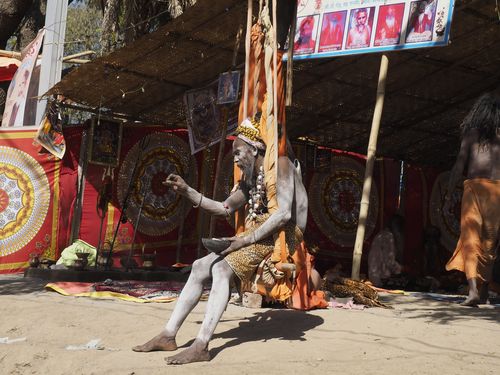
 The Kumbh Mela in Ujjain is one of India’s largest religious gatherings and an important event in the Hindu calendar. Held periodically along the banks of the Shipra River, it attracts millions of pilgrims, monks, ascetics, and visitors from across the country. The gathering combines ritual bathing, religious processions, spiritual ceremonies, and exchanges between different Hindu traditions. Ujjain holds a significant place within India’s sacred geography, reinforcing the symbolic importance of the Kumbh Mela in the country’s religious and cultural life. The event also requires extensive temporary infrastructure and large-scale logistical organization to accommodate the massive number of participants.

Ujjain • Kumbh Mela
Ujjain • Kumbh Mela

Ujjain • Kumbh Mela
Tradition profile
Kumbh Mela
Tradition category: Hindu celebrations
Tradition family: Religious traditions
Tradition genre: Religious Festivals and Celebrations
Cultural heritage: Hindu
This tradition in Ujjain is inscribed on UNESCO’s Representative List of the Intangible Cultural Heritage of Humanity under the name Kumbh Mela since 2017.
Geographic location: Ujjain • Madhya Pradesh • India
• Links to •
• List of videos about Ujjain on this site •
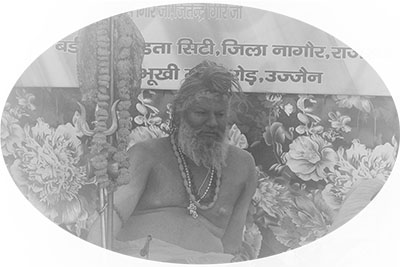
Kumbh Mela, the Naga Sadhus, Ujjain 2016 • Madhya Pradesh, India
The Kumbh Mela of Ujjain: History and Evolution of a Major Hindu Pilgrimage
Religious Origins and Symbolic Foundations
The Kumbh Mela is one of the largest religious gatherings in Hinduism and occupies an important place in India’s ritual calendar. Its origins are linked to the ancient myth of the Samudra Manthan, the “churning of the ocean of milk,” described in several Hindu texts. According to this tradition, gods and demons fought over a vessel containing the nectar of immortality, known as amrita. During this cosmic struggle, drops of the nectar were believed to have fallen at several sacred locations across India, including Ujjain. This mythological association explains the city’s importance within the Kumbh Mela tradition.
Ujjain has long been regarded as a major religious and intellectual center in central India. Historically associated with Hindu astronomy, calendrical studies, and the worship of Shiva, the city developed into an important pilgrimage destination over many centuries. The presence of the Mahakaleshwar temple, one of the principal Shiva shrines in India, strengthened the religious significance of Ujjain within the broader sacred geography of Hinduism.
The Kumbh Mela held in Ujjain is often referred to as the Simhastha Kumbh Mela. Its timing is determined by complex astrological calculations involving the positions of Jupiter, the Sun, and zodiac constellations considered auspicious in Hindu tradition.
Historical Development of the Pilgrimage
The exact origins of the Kumbh Mela in its present form remain difficult to establish. Ritual bathing festivals connected to sacred rivers existed in various parts of India long before the large-scale gatherings described in medieval sources. Historical references to collective pilgrimages and ritual bathing ceremonies appear in religious literature as well as in accounts written by foreign travelers who visited the Indian subcontinent.
During the medieval period, Ujjain expanded its role as a regional religious center under the patronage of Hindu dynasties and temple institutions. Monastic communities and ascetic orders contributed significantly to the organization of pilgrimage activities, processions, and ritual hierarchies that later became characteristic features of the Kumbh Mela.
The pilgrimage continued during the Mughal era despite changing political circumstances across northern and central India. Religious networks and trade routes helped maintain the movement of pilgrims toward important sacred cities such as Ujjain. Monastic organizations also preserved ritual traditions and reinforced the continuity of periodic gatherings.
Under British colonial administration, the Kumbh Mela became increasingly documented and regulated. Colonial authorities monitored the gatherings because of concerns related to crowd control, taxation, sanitation, and epidemic diseases. Administrative records from the nineteenth century describe the logistical challenges posed by the arrival of very large numbers of pilgrims. The festival also attracted the attention of scholars and officials interested in Indian religious practices and demographic movements.
Religious and Social Significance
The Kumbh Mela has a strong spiritual dimension within Hinduism. Ritual bathing in the Shipra River is associated with purification, spiritual renewal, and the accumulation of religious merit. Pilgrims often undertake the journey as part of personal vows, family traditions, or broader cycles of religious observance.
The gathering also functions as an important meeting point for different Hindu traditions, monastic institutions, and philosophical schools. Ascetic orders known as akhara occupy a central role during the festival. These organizations preserve religious teachings, ritual practices, and systems of spiritual discipline that have developed over centuries.
Beyond its religious significance, the Kumbh Mela serves important social and cultural functions. Large pilgrimages historically encouraged exchanges between regions, languages, and communities throughout the Indian subcontinent. The event contributed to the circulation of religious ideas, commercial activity, and cultural practices across different parts of India.
The gathering also reinforced Ujjain’s position as a major sacred center. Temporary markets, religious camps, and public ceremonies transformed the city into a large-scale ceremonial and social space during pilgrimage periods.
Modern Transformations and Expansion
During the twentieth century, the scale of the Kumbh Mela increased considerably due to demographic growth and the expansion of transportation networks. Railways, highways, and public transport systems enabled larger numbers of pilgrims to travel to Ujjain from distant regions of India.
After Indian independence in 1947, public authorities became more directly involved in organizing the festival. State and local administrations developed temporary infrastructure designed to support massive crowds, including water distribution systems, sanitation facilities, security arrangements, medical services, and transportation management.
The growing role of newspapers, radio, television, and digital media also transformed the visibility of the Kumbh Mela. What had once been primarily a religious gathering known within pilgrimage networks became an event followed nationally and internationally. Large-scale media coverage contributed to the broader public image of the festival while also increasing pressure on local infrastructure and urban planning.
Urban expansion in Ujjain gradually altered the relationship between the permanent city and the temporary pilgrimage settlements created during the Kumbh Mela. Environmental concerns, especially regarding the pollution and management of the Shipra River, became increasingly important in contemporary planning discussions.
Present-Day Importance and Contemporary Challenges
Today, the Kumbh Mela of Ujjain remains one of the most significant religious gatherings in India. The event continues to mobilize religious institutions, pilgrimage networks, monastic communities, and public administrations on a very large scale. It also plays an important economic role for the region through transportation services, temporary commerce, food distribution, accommodation, and religious activities.
At the same time, the management of the festival presents major logistical and environmental challenges. Authorities must address issues related to crowd safety, public health, waste management, river conservation, and temporary urban infrastructure. Recent public health crises have also influenced the organization of large religious gatherings throughout India.
Despite modernization and social change, the traditions associated with the Kumbh Mela remain actively transmitted through religious institutions, pilgrimage practices, and family participation. The festival continues to represent an important expression of collective religious identity within Hindu society while maintaining its historical connection to the sacred landscape of Ujjain.
Ritual Practices and Organization of the Kumbh Mela in Ujjain
General Structure of the Gathering
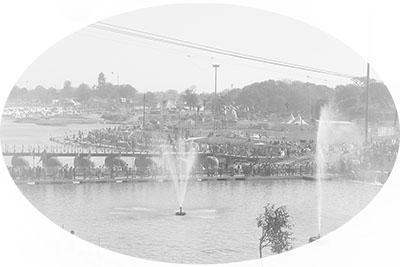
The Kumbh Mela in Ujjain unfolds over several weeks according to a ritual calendar determined by Hindu astrological calculations. Activities are concentrated mainly along the banks of the Shipra River, where temporary ceremonial spaces are established to accommodate large numbers of pilgrims, ascetics, religious institutions, and support services. Attendance varies throughout the event, with certain bathing dates attracting exceptionally large crowds because of their religious significance.
The daily rhythm begins before sunrise. Pilgrims move toward the ghats, the stepped embankments leading to the river, in order to perform ritual bathing ceremonies. Groups often arrive carrying bags, metal containers, offerings, and religious objects used during prayers. Many pilgrims travel with relatives or members of organized religious associations.
The principal bathing days involve carefully coordinated processions by monastic orders and religious communities. These ceremonial movements follow established sequences and occupy major circulation routes leading to the river. During peak periods, continuous streams of pilgrims move between camps, temples, food distribution areas, and ritual bathing zones.
Temporary settlements form an essential part of the event. Entire sectors of Ujjain are transformed into organized tent cities containing religious camps, kitchens, sanitation systems, medical facilities, police posts, and administrative centers. Electrical installations, loudspeaker systems, and temporary roads modify the urban environment throughout the duration of the festival.
Ritual Bathing and Religious Practices
The ritual bath in the Shipra River represents the central act of the Kumbh Mela. Pilgrims descend the stone steps of the ghats and enter the water while reciting prayers or mantras. Many participants cup water in their hands and raise it toward the rising sun before immersing themselves completely. Some repeat the immersion several times according to the customs of their religious community.
Offerings placed in the river commonly include flowers, oil lamps, leaves, incense, and small floating trays made from biodegradable materials. Pilgrims frequently carry brass or copper vessels used for collecting sacred water or pouring ritual libations during prayers.
Priests stationed near the ghats assist participants in performing rites connected to purification, family blessings, or ceremonies dedicated to deceased ancestors. These rituals may involve the use of sacred powders, clarified butter, rice grains, and garlands. Temporary altars and small shrines are often installed close to the main bathing areas.
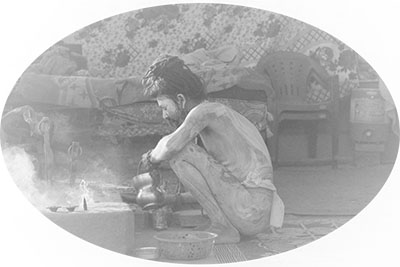
Religious discourses and recitations continue throughout the day in monastic camps. Public readings of Hindu scriptures are accompanied by devotional singing and collective prayers. Some ascetic groups practice meditation or yoga in designated areas within their camps, while others receive visitors seeking blessings or religious instruction.
Religious Orders and Participants
The Kumbh Mela brings together a wide variety of participants representing numerous Hindu traditions and institutions. Pilgrims form the largest group, arriving from different regions of India and sometimes from Hindu communities abroad. Many travel in organized groups supervised by temples, spiritual teachers, or pilgrimage associations.
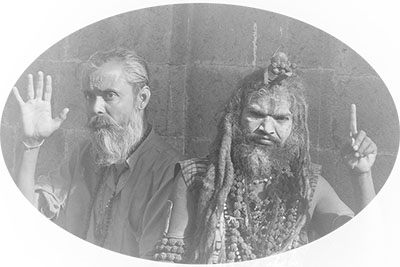
Ascetics known as sadhus occupy a highly visible role during the gathering. These religious practitioners belong to monastic organizations called akhara, each with distinct ritual traditions, hierarchies, and visual identities. The processions of these religious orders are among the most closely observed aspects of the festival.
Naga sadhus are particularly recognizable because of their ritual appearance. Many cover their bodies with sacred ash, wear long matted hair, and carry tridents associated with Shiva. Rudraksha bead necklaces, wooden staffs, and religious banners are common markers identifying different ascetic groups.
Senior religious leaders oversee ceremonial processions, public prayers, and scriptural teachings. Temple priests supervise ritual bathing sequences and conduct offerings at riverbanks or temporary shrines. Volunteers assist with crowd movement, water distribution, sanitation work, and food services within the camps.
Government officials, police officers, health workers, and emergency services also play a significant operational role. Their presence is visible through checkpoints, observation towers, medical tents, and crowd-control barriers installed throughout the pilgrimage area.
Processions, Sounds, and Ceremonial Atmosphere
Large religious processions structure many of the major days of the Kumbh Mela. Groups advance toward the river behind banners, ceremonial parasols, or decorated vehicles carrying religious symbols and images of Hindu deities. The movement of the processions is regulated according to ritual precedence established among the monastic orders.
Musicians accompany these ceremonial movements using drums, cymbals, conch shells, and wind instruments. Rhythmic percussion plays a major role in maintaining the pace of processions and signaling the arrival of important religious groups. Chants, prayers, and collective recitations create a continuous sound environment across the pilgrimage grounds.
Loudspeaker systems broadcast devotional songs, religious teachings, ritual announcements, and administrative instructions. Different camps often maintain their own amplified programs simultaneously, producing overlapping layers of sound throughout the temporary city.
Evening ceremonies along the river include ritual lamp offerings in which priests perform synchronized gestures with large oil lamps facing the water. The reflections of flames on the river surface, combined with incense smoke and chanting, form one of the most recognizable visual sequences of the gathering.
Clothing, Objects, and Visual Elements
Clothing worn during the Kumbh Mela varies according to religious affiliation, social background, and ritual role. Pilgrims commonly wear simple garments suitable for bathing, often in white or light-colored fabrics. Saffron robes are widely associated with monks, ascetics, and renunciants connected to Hindu religious orders.
Religious leaders participating in formal ceremonies may appear under decorated canopies or seated on ceremonial platforms carried during processions. Flags bearing religious symbols identify individual camps and monastic institutions throughout the festival grounds.
Sacred ash applied to the forehead or body is especially common among Shaivite ascetics. Tilak markings made with colored powders indicate different religious traditions or devotional affiliations. Necklaces made from rudraksha beads, bracelets, staffs, and ritual tridents are frequently visible among ascetic participants.
Temporary camps are decorated with cloth banners, painted signs, images of deities, flower garlands, and illuminated structures. At night, electric lighting highlights ceremonial entrances, pathways, and gathering spaces within the tent settlements.
Food Distribution and Temporary Infrastructure
Food preparation and collective meals form an important practical dimension of the Kumbh Mela. Many religious camps operate large kitchens capable of feeding hundreds or thousands of pilgrims daily. Volunteers prepare vegetarian meals using rice, lentils, vegetables, flatbread, and tea served in temporary dining areas.
Free food distribution, known as langar in several religious traditions, functions both as charitable activity and as religious service. Pilgrims often sit in rows while volunteers circulate with metal containers distributing meals.
Temporary markets operate throughout the festival grounds. Vendors sell religious objects, prayer beads, incense, books, images of deities, clothing, brass vessels, and ritual supplies. Other stalls provide cooked food, sweets, fruit, or basic household items required during extended stays.
The infrastructure supporting the gathering includes water pipelines, electricity networks, sanitation systems, medical facilities, waste collection services, and temporary transportation routes. Security personnel monitor entrances, major intersections, and crowded bathing areas in order to regulate movement during peak attendance periods.
Distinctive Features of the Ujjain Kumbh Mela
The Kumbh Mela in Ujjain is closely associated with Shaivite traditions and the Mahakaleshwar temple, one of the principal Shiva shrines in India. This connection strongly influences the presence and visibility of ascetic orders devoted to Shiva during the gathering.
The Shipra River occupies a central ritual function throughout the festival. Ghats along its banks become the focal point of ceremonial activity, especially during the major bathing dates established by astrological calculations.
Another defining characteristic is the scale of the temporary urban environment created for the pilgrimage. Within a short period, large areas of Ujjain are reorganized into an extensive ceremonial settlement combining religious institutions, residential camps, markets, transportation systems, and administrative infrastructure.
The coexistence of multiple Hindu traditions within a shared ritual framework also distinguishes the event. Different monastic orders, pilgrimage groups, and religious schools maintain their own ceremonial practices while participating in the broader structure of the Kumbh Mela. This combination of large-scale organization, ritual diversity, and temporary spatial transformation remains one of the most visible features of the gathering in Ujjain.
 Links to the main sections of the site