Français (France)
  Nederlands (nl-NL)
 The temple market in Ramdevra, located in Rajasthan, India, is a bustling hub reflecting local culture and traditions. Closely associated with the temple dedicated to Baba Ramdev, a revered spiritual figure, the market thrives during pilgrimage seasons, drawing thousands of visitors. It offers religious items, local crafts, spices, and textiles, serving as a space for social and economic interaction. This vibrant market highlights the spiritual and commercial heritage of Ramdevra.

Ramdevra • Temple market
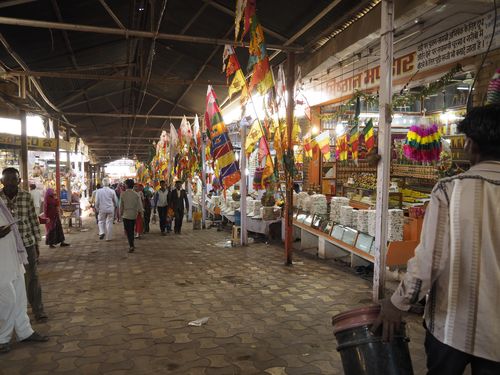
Ramdevra • Temple market
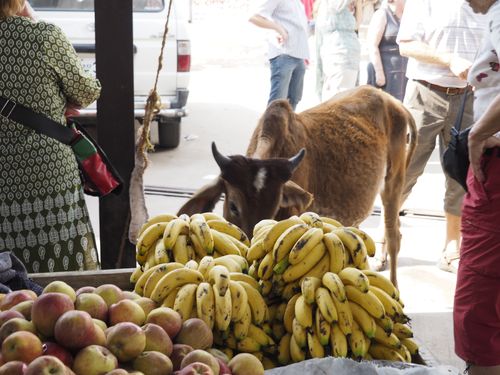
Ramdevra • Temple market
Tradition profile
Temple market
Tradition category: Local market
Tradition family: Traditional markets and fairs
Tradition genre: Trade and Local Creativity
Geographic location: Ramdevra • Rajasthan • India
• Links to •
• List of videos about Ramdevra on this site •
Ramdevra, Baba Ramdev temple • Rajasthan, India
The Temple Market of Ramdevra: A Social and Cultural Innovation
The temple market of Ramdevra, located in Rajasthan, India, represents a tradition deeply intertwined with spirituality, commerce, and social dynamics. Emerging around the temple dedicated to Baba Ramdev, a revered saint and social reformer, this market has served as a hub for pilgrims, merchants, and local artisans. This article examines the historical motivations, transformations, and cultural significance of this tradition, along with the challenges it faces in modern times.
Origins and Social-Political Motivations
The origins of the temple market date back to the 15th century, during the lifetime of Baba Ramdev, whose teachings emphasized equality, communal harmony, and devotion. As his followers grew in number, a marketplace naturally developed near the temple to meet the needs of pilgrims. Merchants sold religious items, food, and other necessities, creating an ecosystem of spiritual and economic exchange.
Socially, the market embodied inclusivity, bringing together individuals from diverse backgrounds and faiths, aligning with Baba Ramdev’s ideals. Politically, the rulers of the region supported the market’s growth as it stimulated the local economy and strengthened their legitimacy by endorsing a popular spiritual movement.
Historical Milestones and Regional Impact
Medieval Flourishing:
The market flourished during the medieval period, reflecting the growing influence of Baba Ramdev’s teachings. Its role as a gathering point for traders and pilgrims reinforced regional commerce and social cohesion.
Mughal Era:
Under the Mughal Empire, known for its promotion of religious pluralism, the market became a symbol of interfaith interaction. It attracted merchants from different communities, further enriching its cultural and economic significance.
Colonial Influence:
During British rule, the market adapted to the introduction of new trade goods and modern infrastructure. The colonial administration viewed such markets as sources of revenue while recognizing their role in supporting local livelihoods.
Post-Independence Modernization:
With advancements in transportation and infrastructure, the market saw increased footfall. The integration of modern products alongside traditional goods expanded its scope, attracting tourists and diversifying its economic contributions.
A Global Context and Comparisons
The temple market of Ramdevra shares similarities with other spiritual marketplaces worldwide, such as the bazaars near the shrines of Mecca or the pilgrimage markets of Santiago de Compostela in Spain. Like these, Ramdevra’s market serves as a space where faith and commerce intersect, offering religious artifacts, local crafts, and everyday goods.
However, Ramdevra stands out for its emphasis on inclusivity, reflecting the teachings of Baba Ramdev, who advocated equality among all castes and religions. This unique cultural aspect distinguishes it from other spiritual markets, which may cater predominantly to a single faith or community.
Transformations and Social Dynamics
Expansion and Commercialization:
Over centuries, the market evolved from a small gathering of traders to a bustling hub offering religious items, textiles, spices, and modern goods. While this growth boosted economic activity, it also introduced the risk of over-commercialization.
Cultural Adaptation:
The market has absorbed influences from different regions, evident in the diversity of its products and the practices of its merchants. This adaptability has ensured its relevance across generations.
Social Interactions:
Historically, the market served as a meeting point for people of various social and religious backgrounds. Although commercialization has somewhat diluted its communal nature, it remains a space for cultural exchange and interaction.
Symbolism and Ritual Practices
Religious Offerings:
Items such as idols, incense, and ceremonial cloths symbolize the spiritual connection of devotees to Baba Ramdev. Pilgrims often purchase these as tokens of faith or to participate in rituals at the temple.
Local Crafts:
The market showcases traditional Rajasthani handicrafts, including pottery, jewelry, and embroidered textiles, which embody the region’s rich cultural heritage. These crafts are not only commodities but also carriers of local identity.
Ritualistic Commerce:
Buying and selling at the market often carry a spiritual undertone, with transactions perceived as acts of devotion or community support.
Anecdotes and Statistics
During the annual Ramdevra Fair, the market attracts hundreds of thousands of visitors, with stalls often selling out within days.
A famous anecdote recalls how a merchant, inspired by Baba Ramdev’s egalitarian principles, introduced a "pay-what-you-can" stall, fostering a spirit of generosity and inclusion.
Local estimates suggest that the market contributes significantly to the regional economy, supporting numerous artisans and small businesses.
Challenges and Preservation
Over-Commercialization:
The influx of mass-produced goods threatens the authenticity of the market, overshadowing traditional crafts and local products.
Environmental Impact:
Increased footfall during peak seasons strains local infrastructure, leading to waste management issues and environmental degradation.
Loss of Traditional Knowledge:
Younger generations are less inclined to continue artisanal traditions, posing a risk to the cultural heritage represented in the market.
UNESCO Recognition and Global Importance
The temple market of Ramdevra has the potential to be recognized as an intangible cultural heritage by UNESCO. Such recognition would highlight its historical and cultural significance, attracting international attention and resources for its preservation. It would also reinforce its identity as a space where spirituality, culture, and commerce coexist harmoniously.
Conclusion
The temple market of Ramdevra is a living testament to the region’s social and cultural innovation. By balancing modern demands with traditional values, it continues to serve as a hub of faith and economic activity. Efforts to preserve its authenticity and promote sustainable practices are essential to ensure its legacy endures for future generations, keeping alive the spirit of inclusion and devotion that defines this unique tradition.
The Temple Market of Ramdevra: A Reflection of Social and Cultural Innovation
The temple market of Ramdevra, located in Rajasthan, India, is a vibrant tradition rooted in spiritual, social, and economic exchanges. Established around the shrine of Baba Ramdev, a revered saint and social reformer of the 15th century, the market has evolved into a cultural hub where regional customs and external influences converge. This article explores the historical motivations, symbolic elements, and transformations of this tradition, alongside its significance in modern times and potential for global recognition.
Origins and Social-Cultural Innovation
The temple market of Ramdevra emerged during the 15th century as Baba Ramdev’s teachings gained widespread appeal. Known for advocating equality, interfaith harmony, and social justice, his ideals attracted devotees from diverse communities. To accommodate the needs of the growing number of pilgrims visiting his shrine, a market naturally developed, offering food, religious items, and essentials.
Socially, the market fostered a sense of inclusion and unity, aligning with Baba Ramdev’s vision of a society free from caste-based discrimination. Politically, the market served as a tool for local rulers to strengthen economic activity while supporting a spiritual movement that bolstered regional stability.
Symbolism and Unique Practices
Religious Artifacts:
The market is rich in symbolic items such as ceremonial cloths, idols of Baba Ramdev, incense, and amulets. These objects not only serve devotional purposes but also act as reminders of the spiritual journey undertaken by pilgrims.
Local Crafts and Cultural Expression:
Artisans from Rajasthan showcase their expertise through pottery, embroidered textiles, and handmade jewelry. These crafts embody the artistic heritage of the region, reflecting its cultural grandeur and continuity.
Ritualistic Commerce:
Transactions in the market often carry a spiritual undertone. Many pilgrims believe that purchasing items here blesses their offerings, reinforcing the connection between commerce and devotion.
A Fusion of Regional and External Influences
The market exemplifies a seamless blend of local traditions and external influences. While its foundation lies in the spiritual practices of Rajasthan, the market has absorbed elements from traders and pilgrims coming from other parts of India and beyond. This cultural exchange is evident in the diversity of goods sold, including textiles inspired by Mughal designs and spices sourced from other regions.
Compared to similar markets near religious sites worldwide, such as the bazaars of Mecca or the pilgrimage markets in Santiago de Compostela, the Ramdevra market stands out for its ethos of inclusivity, reflecting the egalitarian values of Baba Ramdev.
Historical Milestones and Transformations
Medieval Period:
During the height of Baba Ramdev’s influence, the market became a focal point for commerce and culture in the region. It provided an economic boost to local artisans and traders while strengthening social bonds among diverse communities.
Colonial Influence:
The British colonial period introduced new goods and infrastructure, expanding the market’s offerings. However, this era also brought challenges as traditional practices had to adapt to modern economic systems.
Post-Independence Modernization:
Improved transportation and tourism have made the market more accessible, leading to its growth. However, the introduction of mass-produced goods has posed a threat to the authenticity of traditional crafts.
Anecdotes and Statistics
During the annual Ramdevra Fair, the market attracts hundreds of thousands of visitors from across India, making it one of the largest pilgrimage markets in the region.
A notable anecdote tells of a merchant who introduced ceramic pots adorned with symbols of Baba Ramdev, which became immensely popular among pilgrims and helped preserve traditional pottery skills.
Global Context and UNESCO Potential
The temple market of Ramdevra has the potential to be recognized as an intangible cultural heritage by UNESCO. Such recognition would highlight its role as a space where spirituality, culture, and commerce intersect. It would also encourage preservation efforts and provide a platform for promoting sustainable practices that benefit local artisans and the environment.
Challenges to Preservation
Over-Commercialization:
The increasing demand for modern products has overshadowed traditional crafts, risking the loss of cultural authenticity.
Environmental Strain:
The growing influx of pilgrims has created challenges related to waste management and infrastructure, threatening the sustainability of the market.
Generational Shift:
Fewer young people are entering traditional trades, endangering the survival of artisanal techniques passed down through generations.
Conclusion
The temple market of Ramdevra is a living testament to the intersection of faith, culture, and commerce. By addressing modern challenges while preserving its traditional essence, this market can continue to thrive as a symbol of Rajasthan’s rich heritage. Efforts to secure international recognition and promote sustainable practices will ensure that this vibrant tradition remains a beacon of unity and spirituality for future generations.
 Links to the main sections of the site