Français (France)
  Nederlands (nl-NL)
 The village of Bakraur, located in the Indian state of Bihar, represents an example of rural life still widely present in the Ganges plain. Daily organisation often depends on agriculture, neighbourhood relations, family solidarity, and the shared use of local resources. The village also forms an important social setting where domestic practices, farming knowledge, and collective habits are transmitted. Such rural areas play an essential role in the regional economy through food crops and local exchange. They show continuity between traditional structures, economic change, and the contemporary aspirations of residents.
Bakraur • a village in Bihar
Bakraur • a village in Bihar
Bakraur • a village in Bihar
Tradition profile
a village in Bihar
Tradition category: Life at countryside
Tradition family: Traditional practices and lifestyle
Tradition genre: Agricultural and rural traditions
Geographic location: Bakraur • Bihar • India
• Links to •
• List of videos about Raipura Brahman on this site •
India, scenes of life in the countryside • Rajasthan, Haryana, Bihar, India
Village of Bakraur in Bihar: History and Continuity of Rural Life
Origins and Formation of the Village
The village of Bakraur, located in the Indian state of Bihar, belongs to an old settlement region shaped by the fertile plains of the Ganges basin. Like many villages in northern India, it likely developed through the gradual grouping of families whose livelihoods depended on farming, livestock keeping, and the careful use of local natural resources.
Village foundations were usually influenced by several practical factors: access to water, productive soils, relative security, and links with nearby trade or religious centres. These conditions supported long-term continuity of rural habitation.
Historical Development
For centuries, villages of Bihar formed the demographic and economic base of the region. Residents relied mainly on grain cultivation, pulses, animal husbandry, and small-scale exchange with neighbouring settlements. Agricultural rhythms were closely connected to monsoon rainfall, river systems, and seasonal dry periods.
Under successive regional powers and later during British colonial administration, rural communities became more integrated into organised systems of taxation and land management. Agricultural output and peasant populations gained greater administrative importance. Even so, everyday life remained largely structured by local practices.
Social Structure and Community Role
A rural village traditionally performs several functions at once: residence, production centre, social framework, and place where collective norms are transmitted. Family solidarity, neighbourhood cooperation, and reciprocal assistance often play a major role.
Marriages, religious observances, seasonal labour, and decisions related to land or water use help maintain internal cohesion. Agricultural, domestic, and artisanal knowledge is commonly passed between generations.
Modern Transformations
Since the twentieth century, villages in Bihar have undergone many changes. Improved roads, wider access to schooling, healthcare services, electrification, and modern communication tools have altered daily life. Temporary migration to cities or other states has also reshaped local economies by bringing additional income and new expectations.
These developments have transformed housing patterns, consumption habits, and social aspirations, while preserving the village as a central living environment.
Present Importance
Today, Bakraur illustrates the persistence of rural society within a rapidly changing India. The village remains a space of agricultural production, local identity, and everyday social connection. It also retains strong demographic importance, as a large share of Bihar’s population still lives in rural areas.
Transmission and Contemporary Challenges
Current challenges include land pressure, water management, employment opportunities for younger generations, agricultural modernisation, and access to quality education. Balancing inherited practices with new economic ambitions is another major issue.
The transmission of local skills, cooperative habits, and community mechanisms remains essential for the resilience and long-term adaptation of villages such as Bakraur.
Daily Functioning of a Rural Village in Bakraur
General Settlement Layout
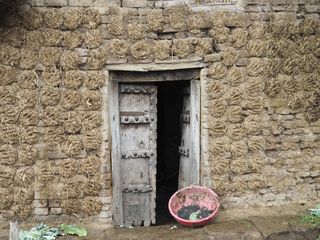
The village of Bakraur generally presents a dense settlement pattern organised through lanes, inner courtyards, and small open spaces. Houses often combine older brick, plastered earth, or locally sourced materials with more recent concrete structures. Roofs may be flat or sloping according to available techniques, rainfall patterns, and household needs.
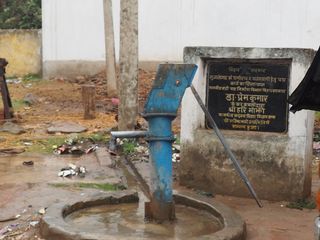
The village space usually includes residential clusters, animal shelters, water points, paths leading to agricultural land, small shops, and communal areas used for meetings or ceremonies.
Daily Rhythm and Activities
The day commonly begins at dawn. Early tasks include preparing meals, cleaning the area around the house, collecting water, and caring for domestic animals. Afterwards, depending on the season and family responsibilities, residents move to fields, markets, workshops, or transport-related work.
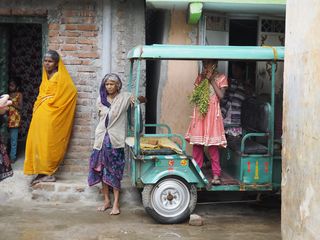
Travel is often carried out on foot, by bicycle, motorcycle, or small utility vehicles linking the village with nearby towns and neighbouring settlements.
Agricultural Skills and Visible Practices
Rural life depends on repeated agricultural operations such as soil preparation, sowing, irrigation, transplanting according to crop type, harvesting, drying, and storage. Equipment may range from hand tools to shared or rented motorised machines.
Domestic skills are also visible: repairing household items, maintaining walls and roofs, preserving food, preparing fodder, and sorting harvested produce. Livestock such as cattle, goats, or poultry often contributes to household income and food security.
Participants and Social Roles
All generations take part in village life. Adults manage farming, household organisation, and economic exchange. Older residents frequently retain advisory authority in family or community matters. Children attend school while sometimes assisting with lighter tasks suited to their age.
Shopkeepers, teachers, artisans, transport workers, and public employees also contribute to the functioning of the settlement.
Shared Spaces and Atmosphere
Village streets serve not only for movement but also for social interaction. Residents exchange news, observe daily activity, and maintain neighbourhood contact. Courtyards remain important places for meals, rest, domestic work, and family gatherings.
The sound environment often includes conversation, animal calls, engines, agricultural tools, market voices, and religious sounds during festivals or specific observances.
Distinctive Features
This type of village is marked by the close connection between housing, labour, and social life. Private and productive spaces are frequently intertwined. Daily schedules remain strongly influenced by seasons, weather conditions, and water availability.
Despite recent changes, Bakraur retains visible features of a rural system based on family cooperation, diversified work patterns, and the importance of neighbourly relations.
 Links to the main sections of the site