Français (France)
  Nederlands (nl-NL)
 Hola Mohalla is an annual festival celebrated predominantly in Anandpur Sahib, in the state of Punjab, India. This distinctive tradition, held the day after the festival of Holi, features a display of martial prowess by the Sikh community. Participants, known as Nihangs, wear traditional attire and engage in activities such as mock battles, horse riding exercises, and weapon handling demonstrations. The festival also includes times for prayers and spiritual hymns, thus strengthening community bonds and religious devotion. Thousands of visitors, both local and international, flock to Anandpur Sahib to witness these vibrant and colorful festivities.
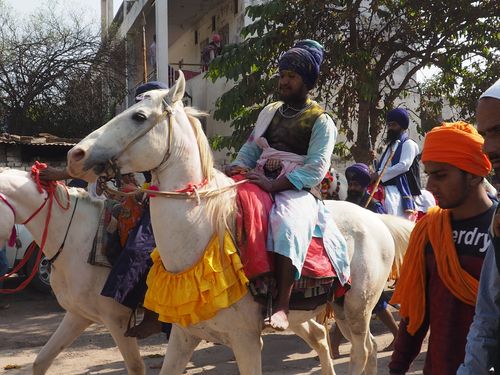
Anandpur Sahib • Hola Mohalla
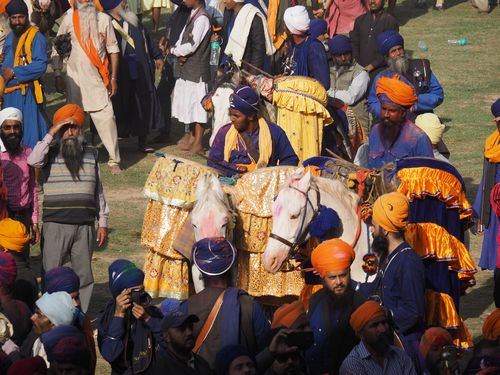
Anandpur Sahib • Hola Mohalla
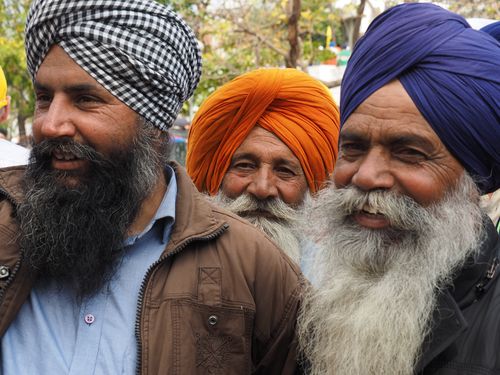
Anandpur Sahib • Hola Mohalla
Tradition profile
Hola Mohalla
Tradition category: Sikh celebration
Tradition family: Religious traditions
Tradition genre: Religious Festivals and Celebrations
Cultural heritage: Sikh
Geographic location: Anandpur Sahib • Punjab •
• Links to •
• List of videos about Anandpur Sahib on this site •
Hola Mohalla in Anandpur Sahib in 2018 • Punjab, India
Hola Mohalla: A Legacy of Sikh Valor and Cultural Identity
Political and Social Motivations Behind Its Emergence
Hola Mohalla, an annual Sikh festival established in 1701 by Guru Gobind Singh in Anandpur Sahib, Punjab, India, was born out of significant political and social challenges faced by the Sikh community. At the time, the Mughal Empire posed a substantial threat to Sikh autonomy and religious identity. Guru Gobind Singh, recognizing the need for his followers to be physically, mentally, and spiritually prepared to defend their faith, introduced Hola Mohalla as a platform for military training and community solidarity. This festival aimed to instill martial discipline, resilience, and unity among the Sikhs, reinforcing their commitment to justice and self-defense against oppression.
Socially, Hola Mohalla provided an opportunity to strengthen communal bonds and foster a sense of belonging. The festival brought together Sikhs from various regions, allowing them to participate in military drills, religious prayers, and community service, creating a unified identity that transcended regional differences.
Historical Timeline and Key Events
Hola Mohalla originated in the early 18th century, a period marked by frequent conflicts between the Sikhs and the ruling Mughals. Over time, the festival evolved in response to various historical events:
- 18th Century: The Mughal-Sikh conflicts underscored the need for Sikhs to remain vigilant and prepared, making Hola Mohalla an essential annual gathering for tactical exercises.
- 19th Century: Under the rule of Maharaja Ranjit Singh, the Sikh Empire saw a period of consolidation and military prowess, during which Hola Mohalla transformed into a grand display of Sikh valor and governance.
- British Colonial Period: With the arrival of British rule in India, Sikh martial traditions were partly integrated into the British Indian Army, while Hola Mohalla became more ceremonial, focusing on cultural and religious aspects.
- Post-Independence (1947-Present): After the partition of India, Punjab experienced significant socio-political changes. Despite these challenges, Hola Mohalla continued to serve as a cultural anchor, preserving Sikh identity amid modernization and migration.
Cultural, Social, and Economic Influence on the Region
Culturally, Hola Mohalla has played a vital role in reinforcing Sikh values and traditions. The festival blends spiritual devotion with physical discipline, showcasing the Sikh ideals of courage, equality, and community service. Socially, it has provided a platform for collective participation, enabling Sikhs from diverse backgrounds to come together and celebrate their shared heritage.
Economically, the festival has evolved into a significant event that attracts thousands of visitors, contributing to local tourism and businesses. Markets, handicrafts, and food stalls thrive during the celebrations, offering economic benefits to the region.
Global Context and Comparative Practices
When compared to similar practices worldwide, Hola Mohalla stands out for its unique fusion of martial arts and spirituality. In medieval Europe, jousting tournaments and knightly combat training served similar functions in terms of fostering martial readiness and social cohesion. In Japan, the samurai traditions emphasized discipline and physical mastery, paralleling the ethos of the Sikh warriors known as Nihangs, who participate in Hola Mohalla.
Unlike other martial traditions that often focused solely on combat skills, Hola Mohalla integrates elements of service and devotion, such as the langar (community kitchen), where thousands are fed free meals, reinforcing Sikh values of selfless service and inclusivity.
Transformations Over Time
Throughout the centuries, Hola Mohalla has undergone significant changes reflecting shifts in political power, cultural influences, and societal dynamics. The transition from a military training event to a cultural and spiritual celebration underscores the adaptability of the Sikh community in preserving their heritage in changing times.
Influences from modern media, tourism, and globalization have led to new ways of celebrating the festival, with increased participation from Sikh diaspora communities worldwide. The traditional martial displays have become more performative, while the spiritual aspects continue to anchor the event in Sikh philosophy.
Cultural Significance and Current Popularity
Hola Mohalla remains a cornerstone of Sikh cultural identity, drawing large crowds each year. The festival is not only popular among Sikhs in India but also among Sikh communities abroad, particularly in the UK, Canada, and the US. Its rich pageantry, featuring horse-riding stunts, Gatka (Sikh martial arts), and kirtan (devotional music), continues to captivate audiences and reinforce the importance of Sikh heritage.
Challenges in Preserving the Tradition
Despite its enduring popularity, Hola Mohalla faces several modern challenges:
- Commercialization: The increasing commercialization of the festival risks overshadowing its traditional values with a focus on tourism and spectacle.
- Cultural Dilution: Younger generations, influenced by globalization, may view the event more as an entertainment rather than a spiritual and martial discipline.
- Infrastructure and Management: As the festival grows in scale, logistical challenges related to crowd management, environmental concerns, and resource allocation become pressing issues.
Conclusion
Hola Mohalla is a testament to the resilience and adaptability of the Sikh community. As a unique blend of martial prowess, spiritual devotion, and community service, it continues to be a source of inspiration and pride for Sikhs worldwide. Its preservation requires a careful balance between tradition and modernization, ensuring that future generations understand and appreciate its profound cultural significance.
Hola Mohalla: A Cultural and Social Innovation of the Sikh Tradition
Hola Mohalla, celebrated annually in Anandpur Sahib, Punjab, India, stands as a profound testament to the innovative social and cultural fabric of the Sikh community during its emergence in the early 18th century. Established by Guru Gobind Singh in 1701, this festival was conceived as a response to the socio-political challenges of the time, emphasizing martial training, communal solidarity, and spiritual devotion. It provided a structured platform to reinforce Sikh identity while preparing the community to confront external threats, particularly from the Mughal Empire.
Social and Cultural Innovation
Hola Mohalla introduced a unique blend of martial and spiritual traditions, reflecting the progressive outlook of the Sikh community. The festival redefined the role of the citizen by integrating military preparedness with moral and ethical responsibilities. The establishment of structured drills, competitions, and displays of valor showcased a forward-thinking approach to community organization, ensuring that Sikh warriors were not only defenders of faith but also upholders of justice and righteousness.
Additionally, the festival promoted social inclusivity by bringing together people from various backgrounds, encouraging equality through shared participation in religious discourses, martial displays, and community service initiatives such as the langar (free community kitchen). This egalitarian approach was revolutionary in an era marked by rigid social hierarchies.
Symbolism and Values Reflected in the Tradition
Hola Mohalla embodies the core values of Sikhism—courage, selflessness, and unity—through a variety of rituals, objects, and symbols, including:
- Martial Demonstrations: The martial art of Gatka, performed with swords, sticks, and shields, symbolizes the Sikh commitment to self-defense and justice. The combat techniques demonstrated in Hola Mohalla are not just for spectacle but are rooted in practical self-defense strategies that have been passed down through generations.
- Traditional Attire: Participants, particularly the Nihang Sikhs, wear distinctive blue robes and elaborate turbans adorned with chakras (iron discs), reflecting the warrior spirit and heritage of the Khalsa order.
- Religious and Literary Contributions: The recitation of Sikh scriptures, devotional music (kirtan), and poetry competitions reinforce the intellectual and spiritual depth of the community, showcasing a fusion of martial and spiritual excellence.
Fusion of Regional Customs and External Influences
Hola Mohalla exemplifies a unique amalgamation of indigenous Punjabi traditions and influences from external cultures, primarily due to the interactions between the Sikhs and the Mughals, Persians, and Afghans. The martial aspects of the festival incorporate traditional Indian wrestling styles alongside techniques adapted from Persian and Central Asian combat forms. Furthermore, the festival's structure, which combines spiritual observances with organized competitions, bears resemblance to both Indian religious fairs and the military parades of contemporary empires.
Notable Rituals and Practices
Among the key highlights of Hola Mohalla are:
- The Grand Procession: Thousands of Nihangs march in elaborate processions, displaying their skills in horseback riding, archery, and sword fighting, reminiscent of the historical military parades of the Sikh Empire.
- Community Service Initiatives: The preparation and distribution of free meals through langar serve as a powerful expression of the Sikh principle of seva (selfless service), drawing participation from thousands of volunteers.
- Equestrian Feats: Spectacular horse-riding stunts, where participants perform daring maneuvers such as standing on galloping horses, reflect the equestrian prowess deeply embedded in Sikh culture.
Statistics and Anecdotes
- The festival draws over 100,000 participants annually, including pilgrims from India and abroad, highlighting its growing global appeal.
- Anecdotes from Sikh history recount how Guru Gobind Singh himself observed the martial drills with keen interest, emphasizing their role in fostering discipline and preparedness among his followers.
- Modern adaptations include international Sikh communities organizing Hola Mohalla events to promote cultural awareness and unity among the diaspora.
Recognition and International Impact
While Hola Mohalla has not yet been inscribed on UNESCO’s Intangible Cultural Heritage list, its increasing recognition on the global stage has led to efforts to preserve and promote its significance. Formal recognition by UNESCO could enhance its visibility and ensure greater resources for conservation efforts, potentially attracting more scholars, historians, and tourists to Anandpur Sahib.
The recognition of Hola Mohalla at an international level has also served to reinforce Sikh identity worldwide, especially in the diaspora, where the event is viewed as an opportunity to connect with cultural roots and instill traditional values among younger generations.
Challenges to Preservation in the Modern Era
Despite its rich heritage, Hola Mohalla faces several modern challenges:
- Commercialization: The influx of tourists and media coverage has sometimes overshadowed the festival's spiritual and martial significance, shifting the focus to entertainment rather than cultural enrichment.
- Cultural Dilution: As younger generations embrace modern lifestyles, there is a growing concern about the loss of traditional knowledge and practices associated with the festival.
- Urbanization and Environmental Concerns: The increasing infrastructure demands and waste management issues pose significant challenges to maintaining the festival's authenticity and environmental sustainability.
Conclusion
Hola Mohalla remains a vibrant testament to the enduring spirit of the Sikh community, blending martial prowess with spiritual devotion and social service. Its continued relevance in the modern era underscores the resilience of Sikh cultural traditions and their ability to adapt to changing times while staying true to their foundational values. Efforts to balance modernization with preservation will be crucial in ensuring that this remarkable tradition continues to inspire generations to come.
 Links to the main sections of the site