Français (France)
  Nederlands (nl-NL)
 The neighborhood shops and local markets of Nalagarh reflect the daily commercial life of a town located in the foothills of Himachal Pradesh, close to the routes linking the Punjab plains with northern India’s mountain regions. Local businesses include grocery stores, small artisan shops, clothing vendors, food markets, and various services used by the regional population. These commercial areas play an important role in local economic and social exchanges while illustrating everyday urban organization and consumer habits. The markets also provide insight into the cultural diversity of the region through the variety of products on sale, the languages spoken, and the regular interactions between residents, traders, and visitors.
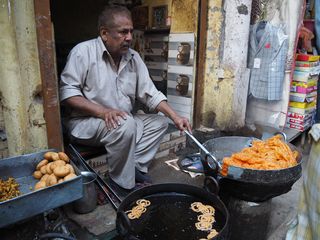
Nalagarh • Street Shops and Neighbourhood Markets
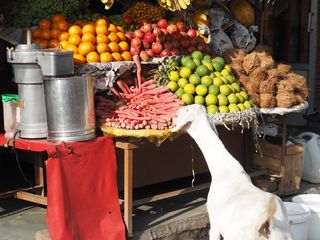
Nalagarh • Street Shops and Neighbourhood Markets
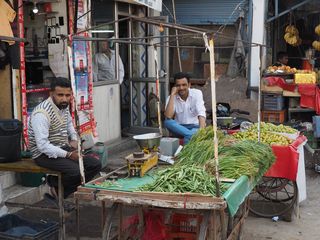
Nalagarh • Street Shops and Neighbourhood Markets
Tradition profile
Street Shops and Neighbourhood Markets
Tradition category: Small Retail Business
Tradition family: Traditional markets and fairs
Tradition genre: Trade and Local Creativity
Geographic location: Nalagarh • Himachal Pradesh • India
• Links to •
• List of videos about Nalagarh on this site •
Nalagarh, an ordinary town • Himachal Pradesh, India
Neighborhood Shops and Local Markets in Nalagarh: Development of Small-Scale Commerce
Origins of Local Trade
The neighborhood shops and local markets of Nalagarh are connected to the historical role of the town as a regional exchange point between the plains of northern India and the Himalayan foothills of present-day Himachal Pradesh. Trade routes linking agricultural areas, hill communities, and nearby urban centers encouraged the growth of small commercial activities serving both local residents and travelers moving through the region.
Before the expansion of modern retail networks, markets in Nalagarh mainly supplied daily necessities to surrounding rural populations. Grain merchants, textile sellers, spice traders, and small artisans operated through periodic markets and permanent roadside shops. Commercial exchanges were closely linked to agricultural production cycles and to the movement of goods from neighboring regions such as Punjab.
Historical Development of Commercial Activities
During the twentieth century, the gradual improvement of transportation infrastructure transformed the organization of local trade. Roads connecting Nalagarh with industrial and agricultural zones increased the circulation of products and contributed to the expansion of permanent commercial streets. Small family-run businesses became more common, particularly in areas close to transport routes and residential neighborhoods.
The industrial development of parts of Solan district also influenced the local economy. Growing populations and increased economic activity created demand for additional services, including grocery stores, clothing shops, repair workshops, tea stalls, and household supply businesses. Traditional market systems continued to operate alongside these newer commercial structures.
Economic and Social Functions
Neighborhood markets in Nalagarh serve both economic and social purposes. They provide accessible commercial spaces for residents who depend on small-scale retail for daily consumption. Many businesses remain family-operated, with commercial knowledge and customer networks transmitted across generations.
These markets also function as places of regular social interaction. Shopkeepers, vendors, transport workers, farmers, and customers participate in daily exchanges that contribute to local social organization. The commercial environment reflects broader regional connections through the circulation of products originating from both mountain and plain areas.
Changes in the Modern Period
In recent decades, local commerce in Nalagarh has undergone significant changes linked to urbanization, industrial expansion, and evolving consumer habits. Packaged goods, digital payment systems, and standardized retail models have gradually altered the appearance and operation of many shops.
At the same time, traditional forms of small-scale commerce continue to play an important role in the local economy. Open-fronted stores, street vendors, and neighborhood markets remain widely used because of their accessibility and their integration into everyday urban life.
Continuity and Contemporary Challenges
The continuity of neighborhood commerce depends largely on the ability of local businesses to adapt to changing economic conditions. Competition from larger retail chains and online commerce has affected some traditional shops, particularly among younger consumers with different purchasing habits.
Despite these pressures, local markets continue to represent an important component of Nalagarh’s urban structure. They preserve forms of direct commercial exchange that remain closely connected to regional economic practices and community relationships.
Organization and Daily Activity of Neighborhood Shops and Markets in Nalagarh
Commercial Layout and Urban Spaces
The neighborhood shops and local markets of Nalagarh are concentrated along roadside commercial areas, intersections, and streets connecting residential districts with regional transport routes. Many businesses operate from narrow open-fronted shops where products are displayed directly toward the street. Market sections may include temporary stalls protected by metal frames, tarpaulins, or fabric coverings adapted to seasonal weather conditions.
Storefronts commonly use signs written in Hindi and English. Goods are arranged in stacked shelves, hanging displays, glass counters, or containers placed at the entrance of the shops. Commercial streets remain active throughout the day with pedestrians, motorcycles, bicycles, delivery vehicles, and street vendors moving continuously through the area.
Products and Goods on Sale
Local markets provide a wide range of products linked to daily household needs. Grocery shops sell rice, lentils, flour, cooking oil, spices, packaged foods, tea, and beverages. Fruit and vegetable vendors display produce in baskets, wooden crates, or metal trays placed close to the roadside. Clothing stores offer textiles, footwear, scarves, and ready-made garments intended for both urban and rural customers.
Prepared food stalls occupy an important place in the commercial landscape. Vendors cook snacks, fried foods, and tea using gas burners, metal pans, and large cooking pots visible from the street. Small hardware shops, mobile phone repair counters, household supply stores, and agricultural tool sellers are also part of the local commercial environment.
Commercial Practices and Visible Techniques
Daily commercial activity relies heavily on direct interaction between sellers and customers. Shopkeepers weigh grains, spices, and vegetables using mechanical or electronic scales, package products manually, and organize merchandise in compact storage areas behind the counters. Bargaining remains visible in some sectors of the market, particularly in clothing and non-standardized goods.
Food vendors prepare products in front of customers through repetitive manual gestures such as cutting vegetables, mixing spices, frying snacks, or pouring tea from metal kettles. Street vendors may transport goods using bicycles, pushcarts, or portable carrying systems adapted to crowded commercial streets.
Sound Environment and Daily Atmosphere
The soundscape of Nalagarh’s markets combines commercial conversations, vehicle traffic, announcements from vendors, and the constant movement of customers. Motorcycle engines, horns, and street activity create a continuous urban background noise, especially during late afternoon business hours.
Some shops broadcast Indian popular music or local radio programs through small loudspeakers. Food preparation areas contribute additional sounds produced by cooking utensils, metal containers, and gas burners. Verbal exchanges between sellers and regular customers form an important part of the commercial atmosphere.
Participants and Social Organization
Neighborhood commerce involves a wide range of participants, including shop owners, family members, assistants, delivery workers, street vendors, and customers from nearby villages and residential districts. Many shops operate as family businesses where several generations participate in daily management and sales activities.
The markets also function as informal meeting spaces where residents exchange information, discuss local events, and maintain professional or social relationships. Regular customers often develop long-term connections with specific shopkeepers, contributing to the continuity of local commercial networks.
Contemporary Adaptations
Traditional forms of small-scale commerce now coexist with modern retail practices. Digital payment systems, mobile phones, packaged goods, and refrigeration equipment are increasingly visible in many shops. At the same time, the overall organization of the markets continues to depend on direct sales, personal interaction, and compact street-based commercial structures.
Despite the expansion of larger retail models and changing consumer habits, neighborhood shops and local markets remain central to the everyday functioning of Nalagarh’s urban economy.
 Links to the main sections of the site