

 Français (France)
  Nederlands (nl-NL)
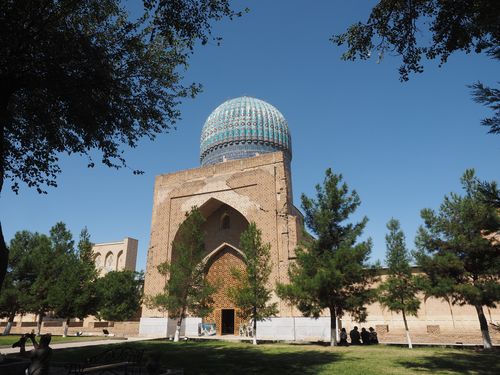
 The Bibi Khanym Mosque and Mausoleum, located in Samarkand, Uzbekistan, are among the most iconic architectural landmarks of the city. Built during the reign of Timur, these monuments reflect the cultural and spiritual significance of Samarkand at the time. Their grand scale and enduring role in the region’s religious and social life continue to draw attention from visitors and scholars worldwide.


Monument profile
Bibi Khanym Mosque and Mausoleum
Monument categories: Mosque, Mausoleum
Monument families: Mosque, Minaret or Madrasa • Tomb, Necropolis, Mausoleum or Cenotaph
Monument genres: Religious, Funerary
Cultural heritage: Islamic
Geographic location: Samarkand • Uzbekistan
Construction period: 14th century AD
This monument in Samarkand is inscribed on the UNESCO World Heritage List since 2001 and is part of the serial property "Samarkand – Crossroad of Cultures".See the UNESCO monuments featured on this site
• Links to •
• This monument illustrates the following theme •
Architecture • Mausoleums : Muslim Mausoleums
• List of videos about Samarkand on this site •
Samarkand, the city of Amir Timur • Uzbekistan
• References •
Wikipedia EN: Bibi-Khanym Mosque
UNESCO: Samarkand – Crossroad of Cultures
Bibi Khanym Mosque and Mausoleum: A Symbol of Power, Faith, and Cultural Exchange
The Bibi Khanym Mosque and Mausoleum in Samarkand, Uzbekistan, are among the most iconic monuments of the Timurid Empire. Constructed in the early 15th century under the reign of Timur (Tamerlane), these structures embody the political ambitions, social cohesion, and cultural aspirations of their time. This article explores the motivations behind their construction, historical events that shaped their legacy, and the challenges faced in preserving their integrity.
Political and Social Motivations for Construction
The mosque and mausoleum were commissioned around 1404 as part of Timur's ambitious vision to establish Samarkand as the cultural and spiritual capital of his empire. The motivations for their construction were multifaceted:
- Political Legitimacy: Timur sought to reinforce his authority by associating himself with grand Islamic architecture. The mosque’s monumental scale was intended to rival or surpass the great mosques of other Islamic capitals, such as Cairo and Baghdad, asserting his dominance.
- Social Unity and Religious Devotion: As a place of communal worship, the mosque fostered a sense of collective identity among the diverse populations of the Timurid Empire. Its construction involved artisans from across the empire, symbolizing unity through shared purpose.
- Cultural Prestige: By commissioning one of the largest and most ornate mosques of the time, Timur positioned Samarkand as a beacon of Islamic art and architecture, attracting scholars, traders, and pilgrims.
Historical Events and Regional Impact
The Bibi Khanym Mosque and Mausoleum have witnessed significant historical events that influenced their role in the region:
Timurid Era (15th Century): Built as part of Timur’s legacy, the mosque was a centerpiece of his capital. However, its massive scale and hasty construction led to structural vulnerabilities, with parts of the building collapsing soon after completion.
Post-Timurid Period: As Samarkand’s political importance waned, the mosque’s prominence diminished, although it retained spiritual significance.
Soviet Era (20th Century): Religious practices were suppressed, and the mosque transitioned into a cultural and historical site rather than a place of worship.
These shifts reflect broader changes in Samarkand’s political and cultural landscape, mirroring the rise and fall of empires.
Global Context and Comparisons
During the early 15th century, the world was undergoing transformative changes:
In Europe, the Renaissance was beginning to shape art, science, and architecture, with projects like the Florence Cathedral.
In China, the Ming Dynasty was consolidating power, commissioning the Forbidden City as a symbol of imperial authority.
In the Islamic World, monumental projects such as the Sultan Hassan Mosque in Cairo and the Alhambra in Granada were reaching completion.
The Bibi Khanym Mosque stands alongside these global achievements as a testament to the era’s focus on grand architectural projects that symbolized power and cultural identity.
Transformations and Cultural Influences
The mosque and mausoleum have undergone significant transformations that reflect changing powers and cultural exchanges:
- Original Construction: Built with materials such as baked bricks, marble, and glazed tiles, the structures showcased a blend of local and imported artistry. Artisans from Persia, India, and other parts of the Timurid Empire contributed to its design, incorporating intricate geometric patterns, calligraphy, and floral motifs.
- Structural Decline: Due to its massive scale and insufficient engineering, parts of the mosque began to collapse shortly after completion. Earthquakes over the centuries further damaged the structure.
- Modern Restoration: Since the mid-20th century, extensive efforts have been made to restore the site, preserving its mosaics, domes, and inscriptions. These restorations highlight the enduring importance of the mosque as a cultural and historical symbol.
Cultural Significance and Conservation
Today, the Bibi Khanym Mosque and Mausoleum are recognized as part of the UNESCO World Heritage-listed Historic Centre of Samarkand. This status has bolstered their cultural significance and spurred international efforts to preserve the site. Key contributions include:
Tourism Development: The mosque attracts visitors from around the globe, enhancing its role as a symbol of Samarkand’s heritage.
Cultural Identity: The site serves as a reminder of the Timurid Empire’s artistic and architectural achievements, strengthening national pride in Uzbekistan.
Challenges in Preservation
Despite restoration efforts, the monument faces ongoing challenges:
- Structural Vulnerability: The sheer size and weight of the mosque, combined with its original design flaws, continue to pose risks of collapse.
- Environmental Factors: Harsh weather conditions, including temperature fluctuations and earthquakes, accelerate the deterioration of materials.
- Tourism Pressure: Increased foot traffic places stress on the site’s infrastructure, necessitating careful management.
Addressing these challenges requires a combination of advanced restoration techniques, sustainable tourism policies, and international collaboration.
Conclusion
The Bibi Khanym Mosque and Mausoleum are not only architectural masterpieces but also enduring symbols of the political ambitions and cultural richness of the Timurid Empire. Their construction, transformations, and current state reflect the historical trajectory of Samarkand and its significance in global history. Preserving these monuments is essential to ensure their legacy continues to inspire future generations.
Bibi Khanym Mosque and Mausoleum: A Testament to Architectural Innovation and Cultural Fusion
The Bibi Khanym Mosque and Mausoleum in Samarkand, Uzbekistan, represent one of the grandest architectural achievements of the Timurid Empire. Commissioned by Timur (Tamerlane) in the early 15th century, these monuments symbolize the era’s technological advancements, artistic innovation, and cultural exchanges. This article explores the architectural features, construction techniques, and their global significance.
Technological Advances and Materials Used
The construction of the Bibi Khanym complex reflects remarkable engineering and materials expertise for its time:
Materials:
- Baked Bricks: Formed the structural core, ensuring durability and stability.
- Glazed Tiles: Used for decorative purposes, their vibrant blue, turquoise, and gold hues symbolized divinity and power.
- Marble: Imported from India, it was employed for columns and other decorative elements, showcasing the empire’s vast trade networks.
Techniques:
- Double-Domed Structure: This innovation reduced the weight of the massive central dome, which was originally over 40 meters high.
- Reinforced Arches: Provided structural integrity to support the expansive spaces and towering minarets.
- Precision Calligraphy: Arabic inscriptions and Quranic verses were meticulously etched in ceramic tiles, blending religious devotion with artistic skill.
The combination of these advanced techniques and high-quality materials created an architectural marvel that has stood the test of time, albeit with significant restorations.
Architectural Features and Cultural Fusion
The design of the Bibi Khanym Mosque and Mausoleum showcases a harmonious blend of local and foreign artistic traditions:
Regional Influences:
Geometric and floral motifs typical of Central Asian art are prominently displayed in the mosaics and frescoes.
The emphasis on monumental domes and minarets reflects Timurid architectural preferences.
Foreign Influences:
Persian design elements, such as intricate muqarnas (stalactite-like decorations), adorn the portals and ceilings.
Indian marble accents and craftsmanship demonstrate the empire’s openness to integrating artistic styles from distant lands.
This fusion of influences underscores Samarkand’s role as a cultural crossroads and a center of artistic innovation during the Timurid era.
Notable Structure and Layout
The Bibi Khanym Mosque is characterized by its monumental scale and symmetrical design:
- Grand Central Dome: Once the largest in the Islamic world, the central dome symbolized the heavens and the ruler’s divine mandate.
- Minarets and Arched Portals: Flanking the main building, the tall minarets and iwans (arched entrances) create a sense of grandeur and balance.
- Courtyard and Quran Stand: The mosque’s open courtyard features a massive marble lectern designed to hold a Quran, symbolizing the central role of scripture in Islamic worship.
An anecdote from historical records suggests that Timur brought artisans from across his empire, including Persia, India, and Anatolia, to work on the mosque. This ambitious construction project was reportedly completed in just five years, but the rapid pace of construction may have contributed to its early structural issues.
International Recognition and UNESCO World Heritage Status
As part of Samarkand’s Historic Centre, the Bibi Khanym Mosque and Mausoleum were inscribed on the UNESCO World Heritage List in 2001. This designation has:
- Enhanced Conservation Efforts: Extensive restoration projects have stabilized the structures, preserved the mosaics, and protected the site from further deterioration.
- Boosted Global Recognition: The UNESCO status has brought international attention to the Timurid Empire’s architectural achievements, making Samarkand a major destination for cultural tourism.
- Fostered National Pride: The mosque has become a symbol of Uzbekistan’s rich history and artistic heritage.
Challenges in Preservation
Despite its restored grandeur, the mosque faces several preservation challenges:
- Structural Vulnerability: The sheer size and weight of the original dome, combined with its rapid construction, have made the structure prone to damage.
- Environmental Factors: The region’s arid climate and temperature fluctuations accelerate the erosion of bricks and tiles.
- Tourism Impact: Increased foot traffic and modern urbanization put pressure on the site’s infrastructure and its surrounding environment.
Ongoing efforts focus on balancing preservation with sustainable tourism to ensure the monument’s legacy endures.
Conclusion
The Bibi Khanym Mosque and Mausoleum stand as enduring symbols of Timur’s vision and Samarkand’s cultural prominence. Their innovative architecture and artistic fusion not only reflect the technological prowess of the Timurid era but also highlight the region’s role as a hub of cultural exchange. As a UNESCO World Heritage Site, these monuments continue to inspire awe and attract global attention, serving as a reminder of the timeless intersection of faith, art, and innovation.