

 Français (France)
  Nederlands (nl-NL)
 Üçler Cemetery, located in Konya, Turkey, is a site of cultural and historical significance. It serves as a place of remembrance for many generations and reflects the region's historical diversity. The cemetery is known for its distinctive layout and the graves it holds, which highlight local burial traditions and beliefs. It is regularly visited by residents and visitors, drawn by its tranquil atmosphere and symbolic importance within Turkish culture.

Konya • Ücler-begraafplaats

Konya • Ücler-begraafplaats
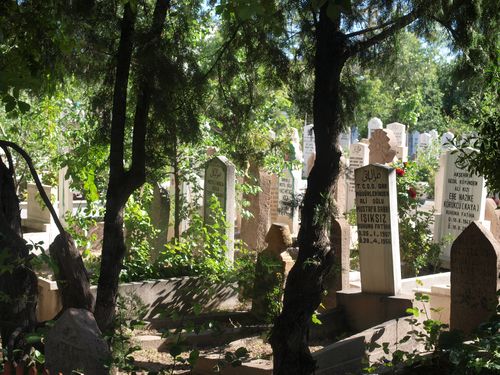
Konya • Ücler-begraafplaats
Monument profile
Ücler Cemetery
Monument category: Cemetery
Monument family: Tomb, Necropolis, Mausoleum or Cenotaph
Monument genre: Funerary
Cultural heritage: Islamic
Geographic location: Konya • Turkey
Construction period: 12th century AD
• Links to •
• List of videos about Konya on this site •
Konya, the city of whirling dervishes • Turkey
The Üçler Cemetery in Konya: Political and Social Motivations, Historical Transformations, and Preservation Challenges
The Üçler Cemetery, located in Konya, Turkey, stands as a significant cultural and historical landmark that reflects the political, social, and religious developments of the region over several centuries. Established in 1273, coinciding with the passing of the renowned Sufi mystic Mevlana Jalaluddin Rumi, the cemetery has since become a revered burial site, symbolizing the spiritual and cultural legacy of Konya. This article explores the motivations behind its construction, its historical evolution, and the challenges it faces today.
Political and Social Motivations for Construction
The 13th century was a transformative period for Anatolia, characterized by the expansion of the Seljuk Sultanate of Rum, with Konya serving as its capital. The establishment of the Üçler Cemetery was driven by several key motivations:
- Religious Significance: The cemetery’s location near the Mevlana Mausoleum underscored Konya’s status as a center of Sufism and Islamic scholarship. Its construction was intended to provide a resting place for prominent religious figures, scholars, and members of the Mevlevi Order, further reinforcing the city's spiritual identity.
- Political Legitimacy: The Seljuk rulers sought to associate themselves with influential religious figures like Mevlana, using the cemetery to solidify their authority and demonstrate their commitment to Islamic values. This was part of a broader strategy to position Konya as not only a political capital but also a religious and cultural hub.
- Social Structure: Burial sites in Islamic culture are deeply intertwined with social hierarchies. The Üçler Cemetery reflects this aspect, with elaborate tombstones and mausoleums dedicated to prominent families and scholars, while simpler graves represent the broader community.
Major Historical Events and Their Influence
Over the centuries, the Üçler Cemetery has been shaped by numerous historical events:
- Seljuk and Ottoman Periods: Under the Seljuks and later the Ottomans, the cemetery expanded as Konya continued to thrive as a religious and trade center. The burial of Ottoman officials, Sufi masters, and scholars further cemented its role as a key memorial site.
- 19th and 20th Century Modernization: With the fall of the Ottoman Empire and the establishment of the Turkish Republic, Konya underwent rapid modernization. The introduction of reforms under Mustafa Kemal Atatürk, including language changes, influenced the inscriptions found on gravestones, transitioning from Arabic to Latin script. Additionally, changes in burial practices reflected the evolving cultural landscape of Turkey.
- Urban Expansion in the 21st Century: As Konya grew into a modern metropolis, the cemetery faced increasing pressure from urban development. Efforts to balance historical preservation with the city's expansion have been ongoing, with local authorities implementing measures to protect the site's integrity.
Global Context and Comparisons
The Üçler Cemetery shares similarities with other historical cemeteries worldwide that have played crucial roles in preserving cultural heritage, including:
- Père Lachaise Cemetery (France): Established in the early 19th century, this cemetery in Paris serves as the final resting place for prominent cultural and political figures, much like Üçler’s role in housing influential Sufi leaders and scholars.
- Shah-i-Zinda Necropolis (Uzbekistan): Known for its Islamic artistry and burial of religious leaders, Shah-i-Zinda shares architectural and spiritual elements with Üçler, highlighting the shared heritage of Islamic burial traditions across different regions.
- Eyüp Sultan Cemetery (Turkey): Located in Istanbul, this Ottoman-era cemetery parallels Üçler in terms of religious significance and ornate tombstone designs, reflecting similar cultural influences.
Architectural Features and Artistic Influences
The architectural and artistic elements of the Üçler Cemetery illustrate a blend of Seljuk, Ottoman, and modern Turkish influences, characterized by:
- Calligraphic Inscriptions: Intricate Arabic and Ottoman Turkish scripts adorn many tombstones, featuring verses from the Quran and poetic dedications to the deceased. The calligraphy styles reflect different historical periods, transitioning from classical Seljuk scripts to modern Turkish influences.
- Symbolic Motifs: Common decorative elements include geometric patterns, floral designs, and symbolic turbans on tombstones, which indicate the social and religious status of the deceased.
- Stone Materials and Craftsmanship: Local limestone and marble were extensively used, demonstrating skilled craftsmanship with delicate carvings and inscriptions that have endured for centuries despite environmental challenges.
Structural Organization and Layout
The Üçler Cemetery covers an estimated 147,500 square meters, with approximately 50,000 graves distributed across different sections. The cemetery's layout follows traditional Islamic burial principles:
- Graves are oriented towards Mecca, reflecting Islamic customs.
- Sections are informally arranged, with older tombs concentrated near the entrance and newer sections expanding outward.
- Family burial plots are common, allowing for generations to be buried together.
Anecdotes and Notable Burials
Local legends suggest that the name "Üçler," meaning "The Three," refers to three revered figures buried near the cemetery entrance, believed to have played a significant role in spreading Islam in Anatolia. This legend continues to attract visitors who seek to pay their respects and learn about Konya’s spiritual past.
Current State of Conservation
Despite its historical and cultural significance, the Üçler Cemetery faces several conservation challenges:
- Environmental Wear and Erosion: Exposure to natural elements, including wind and rain, has led to gradual deterioration of tombstones and inscriptions.
- Urban Encroachment: The expansion of Konya’s infrastructure poses a threat to the cemetery's boundaries, with the risk of losing historical graves to urban projects.
- Tourism and Vandalism: Increased visitor numbers, while beneficial for awareness, can lead to unintentional damage and littering within the cemetery grounds.
Local authorities and cultural heritage organizations have initiated efforts to document and restore the cemetery, including cataloging significant tombs, implementing protective measures, and promoting responsible tourism practices.
Challenges and Future Prospects
Efforts to preserve the Üçler Cemetery must address several pressing issues:
- Balancing Tourism and Preservation: Striking a balance between opening the site to visitors while ensuring the protection of fragile tombstones remains a key challenge.
- Community Engagement: Encouraging local communities to take an active role in the cemetery’s upkeep and historical documentation can aid in sustainable preservation.
- Long-Term Conservation Planning: The adoption of modern conservation techniques, such as digital archiving and protective coatings for inscriptions, could help mitigate further degradation.
Conclusion
The Üçler Cemetery in Konya is a profound reflection of the region's political, religious, and social history. From its establishment in the 13th century to its current role as a cultural landmark, the cemetery continues to serve as a vital link between the past and present. While facing modern challenges, ongoing preservation efforts aim to safeguard this historic site for future generations, ensuring that its cultural and spiritual legacy endures.
The Architecture of Üçler Cemetery in Konya: Technological Innovation and Cultural Influence
Üçler Cemetery, located in Konya, Turkey, is an important cultural and architectural landmark that reflects the technological advancements and artistic evolution of the region. Established during the 13th century, the cemetery stands as a testament to the Seljuk and Ottoman periods, encapsulating a rich blend of local traditions and external artistic influences. Its gravestones, monuments, and overall layout provide valuable insights into the social and cultural history of Konya. This article explores the materials, construction techniques, architectural features, and the broader significance of the cemetery in a global context.
Materials and Construction Techniques
The construction of Üçler Cemetery highlights the advanced building techniques and materials used during its development, carefully chosen to ensure durability and artistic expression. Among the most notable materials employed are:
- Limestone and Marble: The gravestones and monumental structures were primarily crafted from local limestone and marble, chosen for their resilience and ease of carving. The marble, sourced from nearby Anatolian quarries, allowed for intricate inscriptions and detailed ornamentation that could withstand weathering over time.
- Volcanic Tuff: Some smaller tombstones and markers were made from volcanic tuff, a lightweight yet durable material that was abundant in the region. This material was easier to carve and facilitated the creation of intricate relief work and inscriptions.
- Metal Fixtures and Inlays: Certain high-status tombs incorporated metal elements, such as brass and iron inlays, to enhance their decorative appeal. These metals were used for embellishments and calligraphic detailing, reflecting the craftsmanship of the time.
The construction techniques used in Üçler Cemetery were advanced for their period, featuring hand-carved inscriptions, geometric patterns, and interlocking masonry techniques that ensured the stability of the tombstones even under harsh environmental conditions.
Architectural Features and Decorative Elements
The architecture of Üçler Cemetery is characterized by a unique blend of Seljuk, Ottoman, and local Anatolian influences, which is evident in the design of the tombstones, motifs, and inscriptions.
Tombstone Designs and Symbols
The tombstones in Üçler Cemetery exhibit a wide variety of designs, reflecting both social status and cultural affiliations. Some key features include:
- Calligraphic Inscriptions: Many tombstones bear intricate calligraphy, often featuring verses from the Quran, prayers, and dedications to the deceased. These inscriptions, initially carved in the Arabic script during the Seljuk and Ottoman periods, later transitioned to the Latin script following the language reforms of the early 20th century.
- Symbolic Motifs: Decorative motifs include geometric patterns, floral designs, and symbolic representations such as turbans carved atop tombstones, which signified the social or religious rank of the individual buried. The use of rosettes and arabesques, typical of Seljuk art, demonstrated the influence of Persian and Central Asian artistic traditions.
- Mausoleums and Enclosures: Some of the cemetery’s more elaborate structures feature small domed mausoleums, reflecting Ottoman architectural styles. These structures were often reserved for notable figures such as religious scholars, local leaders, and members of the Mevlevi order.
Cultural and Artistic Influences
Üçler Cemetery’s architectural elements illustrate a harmonious blend of local and foreign influences, shaped by the cultural exchanges that took place in Konya, a major center of Sufism and trade along the Silk Road. The Seljuk architectural style, characterized by its emphasis on symmetry, intricate carvings, and grand geometric designs, influenced the appearance of tombstones and monuments in the cemetery.
The influence of the Ottoman Empire, which succeeded the Seljuks, brought additional stylistic elements, such as the use of more elaborate floral motifs and domed structures that were inspired by classical Islamic architecture from Persia and the Arab world.
Furthermore, the cemetery embodies a strong connection to the Mevlevi Sufi Order, founded by the famous mystic and poet Mevlana Jalaluddin Rumi, whose mausoleum is located nearby. The presence of Mevlevi dervishes' graves adds a spiritual dimension to the site, attracting visitors and pilgrims from around the world.
Urban Layout and Notable Structures
Üçler Cemetery spans an estimated 147,500 square meters, making it one of the largest burial grounds in Konya. The site features an informal yet structured layout, divided into sections that accommodate graves from different historical periods.
The older sections, located near the entrance, contain tombstones from the Seljuk and early Ottoman eras, showcasing intricate carvings and inscriptions.
The modern sections, added in the 20th century, display simpler designs, reflecting changing burial practices and aesthetic preferences.
One of the most notable features of the cemetery is its proximity to the Mevlana Museum, which enhances its historical and cultural importance. The association with the revered Sufi figure has contributed to the cemetery's continued reverence and maintenance.