

 Français (France)
  Nederlands (nl-NL)
 The necropolis of Anemurium, located in Anemurium, Turkey, is an archaeological site that provides valuable insight into the burial practices of an ancient city. It features a wide range of tombs and funerary structures that reflect various cultural and social influences of the time. The site is notable for the diversity of its funerary monuments, ranging from simple graves to more elaborate tombs adorned with decorations and inscriptions. These remnants offer a glimpse into the beliefs and traditions of the local population, as well as the cultural exchanges that influenced the region over time. The preservation of certain structures allows visitors and researchers to observe significant architectural details, making the necropolis an important point of interest.
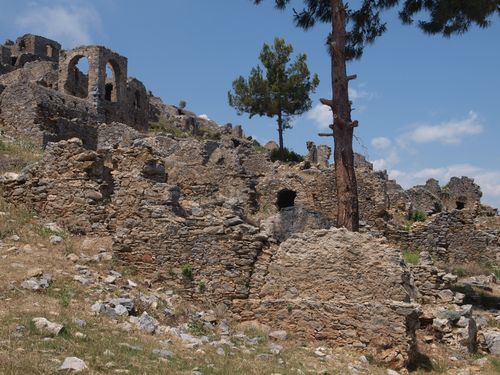
Anemurium • Anemurium Necropolis
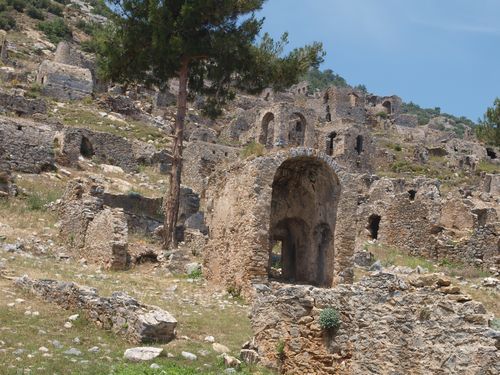
Anemurium • Anemurium Necropolis
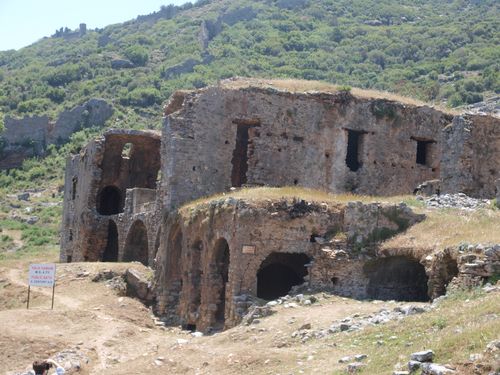
Anemurium • Anemurium Necropolis
Monument profile
Anemurium Necropolis
Monument categories: Archaeological, Necropolis
Monument families: Tomb, Necropolis, Mausoleum or Cenotaph • Archaeological
Monument genres: Funerary, Archaeological site
Cultural heritages: Roman antiquity, Byzantine
Geographic location: Anemurium • Turkey
Construction period: 4th century BC
• Links to •
• List of videos about Anemurium on this site •
Anemurium, the necropolis • Anamur • Turkey
• References •
Wikipedia EN: Anemuriumije
Belleten: THE NECROPOLIS OF ANAMUR
• Sources •
Turkish Ministry of Culture and Tourism Excavation Reports from Ankara University Publications from the Mediterranean Archaeological Institute UNESCO Guidelines for Cultural Heritage Preservation
The Necropolis of Anemurium: Historical Significance and Preservation Challenges
The necropolis of Anemurium, located in present-day Mersin Province, Turkey, stands as a significant archaeological site that offers insights into the social and political fabric of the ancient city. Dating primarily from the 2nd and 3rd centuries CE, the necropolis reflects the prosperity of Anemurium during the Roman period. Its construction was driven by both political and social motivations, showcasing the influence of Roman governance and the cultural amalgamation within the region. Over the centuries, the necropolis has undergone transformations that mirror broader geopolitical shifts and cultural exchanges in the Mediterranean world.
Political and Social Motivations Behind Its Construction
The construction of the necropolis was deeply intertwined with the political and social dynamics of Anemurium as a thriving city under Roman rule. Politically, the Roman administration promoted monumental funerary architecture as a means of asserting control and displaying the prosperity and stability of their provinces. The necropolis served as a testament to the economic success and strategic importance of Anemurium, which was a key port city on the Mediterranean trade routes connecting Asia Minor with the eastern provinces of the Roman Empire.
Socially, the necropolis reflected the hierarchical structure of society, with elaborate tombs built for prominent individuals and simpler graves for the lower classes. The presence of richly decorated mausoleums and epitaphs in Latin and Greek suggests a multicultural society where local elites sought to demonstrate their social status and adherence to Roman customs while preserving elements of their indigenous heritage. The necropolis thus became a space of commemoration, fostering social cohesion and continuity through the remembrance of ancestors.
Historical Events and Their Impact on the Region
Several key historical events have shaped the development of Anemurium and its necropolis:
- Roman Expansion (2nd–3rd centuries CE): The peak of Anemurium's prosperity under Roman administration led to significant urban development, including the construction of the necropolis. During this period, the city benefited from trade, military presence, and infrastructural investments.
- Byzantine Rule (4th–7th centuries CE): With the decline of Roman authority, Anemurium fell under Byzantine control. The city saw shifts in burial practices, with Christian influences becoming more prominent in funerary art and architecture. Some earlier pagan tombs were repurposed to align with Christian traditions.
- Arab Raids (7th–8th centuries CE): The increasing frequency of Arab incursions along the Mediterranean coast led to the gradual abandonment of Anemurium. The city and its necropolis were partially destroyed, and the population migrated to safer inland areas.
These events influenced the social fabric of the region by causing shifts in religious practices, economic structures, and demographic patterns, ultimately leading to the site's decline.
Global Context and Comparisons with Other Regions
During the period of the necropolis' construction, the Roman Empire was at its zenith, with similar monumental burial practices seen across the Mediterranean. The necropolises of Pompeii in Italy, Palmyra in Syria, and Alexandria in Egypt exhibit comparable characteristics in terms of architectural styles and cultural influences. These sites, like Anemurium, demonstrate how Roman architectural principles merged with local traditions, resulting in distinctive regional expressions of funerary art.
While the necropolis of Anemurium reflects the Roman practice of commemorating the dead with grandeur, it also incorporates Anatolian influences, showcasing indigenous elements in tomb designs and burial customs that were unique to the region.
Major Transformations Over the Centuries
The necropolis has undergone significant transformations in response to changing political powers and cultural influences:
- Architectural Adaptations: Early Roman tombs featuring intricate mosaics and statuary were later modified to accommodate Christian iconography, such as crosses and biblical inscriptions, reflecting the region's religious transformation.
- Material Deterioration: Natural erosion and occasional human interventions over centuries have led to the partial collapse of several structures. Efforts have been made to stabilize and protect the remaining portions.
- Cultural Reinterpretations: The necropolis evolved from being a sacred space to an archaeological site of study, shedding light on burial customs, social structures, and artistic expressions of the past.
These transformations highlight the dynamic nature of the site and its ability to adapt to evolving cultural and political landscapes.
Cultural Importance and Current State of Preservation
The necropolis of Anemurium remains a site of great cultural and historical importance, attracting scholars and tourists alike. Its significance lies in its ability to provide a window into the ancient world, offering valuable information about the life and beliefs of the people who once inhabited the region. However, the site faces several conservation challenges.
Challenges to Preservation
- Natural Degradation: Exposure to coastal weather conditions, such as humidity and salt erosion, continues to threaten the structural integrity of the tombs.
- Urban Encroachment: Modern development in the surrounding area poses a threat to the archaeological integrity of the necropolis. Unregulated construction and tourism activities may contribute to further degradation.
- Looting and Vandalism: Like many ancient sites, Anemurium's necropolis has been subjected to illicit excavations, leading to the loss of valuable artifacts and historical data.
- Limited Funding for Conservation: Efforts to preserve the site are often hampered by a lack of financial resources, limiting the scope of restoration projects and ongoing maintenance.
Potential Recognition by UNESCO
While the necropolis of Anemurium is not currently listed as a UNESCO World Heritage site, such recognition could significantly enhance its conservation prospects. Inclusion on the UNESCO list would provide access to international funding, increased academic interest, and heightened awareness of the site's cultural value. This recognition could also promote responsible tourism, ensuring that future generations can continue to explore and learn from this remarkable heritage site.
Conclusion
The necropolis of Anemurium is a testament to the city's rich history and cultural interactions within the Roman Empire. Its construction, transformation, and enduring presence reflect the evolving social and political landscape of the region. Despite facing numerous preservation challenges, the site's historical significance remains undeniable, offering invaluable insights into ancient burial practices and the broader Mediterranean world. Efforts to safeguard this heritage site must continue to balance development with conservation, ensuring its legacy endures for future generations.
The Necropolis of Anemurium: Architectural Innovation and Cultural Fusion
The necropolis of Anemurium, located in present-day Mersin Province, Turkey, stands as a remarkable example of ancient funerary architecture, reflecting the technological advancements and cultural influences of the Roman period. Dating primarily from the 2nd and 3rd centuries CE, the necropolis exemplifies the sophisticated construction techniques and artistic expressions that characterized the era. The site showcases a unique blend of local Anatolian traditions and external Greco-Roman influences, demonstrating the city's strategic and cultural significance within the broader Mediterranean world.
Materials and Construction Techniques
The construction of the necropolis of Anemurium involved a range of materials and techniques that highlight the ingenuity of ancient builders. Locally sourced materials were skillfully utilized to create durable and aesthetically impressive structures, including:
- Limestone: Abundantly available in the region, limestone was used extensively for tomb construction, providing strength and resistance to erosion.
- Mortar and Brickwork: Roman concrete (opus caementicium), a mixture of lime, volcanic ash, and stone aggregates, was employed to reinforce the tombs, ensuring their longevity. Fired bricks were commonly used for arches and domes, offering structural integrity and flexibility in design.
- Stucco and Frescoes: Interior surfaces of the tombs were often coated with stucco and adorned with intricate frescoes depicting mythological and religious themes.
Construction techniques included the use of barrel vaults and domes to create spacious burial chambers, while precisely cut ashlar masonry allowed for seamless and stable structural designs. The incorporation of hydraulic engineering methods, such as drainage systems, prevented water infiltration, preserving the integrity of the tombs over centuries.
Architectural Features and Cultural Influences
The necropolis of Anemurium displays a distinctive combination of architectural elements that reflect both regional artistic traditions and external influences. The site's layout and decorative motifs reveal the cultural exchanges that occurred within the Roman Empire.
Key architectural features include:
- Funerary Monuments: The necropolis contains a variety of tomb types, including sarcophagi, chamber tombs, and mausoleums. Some of the larger tombs feature colonnades and decorative friezes inspired by Roman and Hellenistic styles.
- Symbolic Ornamentation: The presence of sculpted reliefs depicting deities, floral motifs, and geometric patterns demonstrates a synthesis of Greco-Roman artistic conventions with local Anatolian craftsmanship.
- Urban Planning Elements: The necropolis follows an organized layout with clearly defined pathways and sections, indicating a well-planned city expansion strategy influenced by Roman urban design.
The coexistence of Latin and Greek inscriptions found on tombstones highlights the multicultural nature of Anemurium’s society, where indigenous and Roman customs coalesced. This fusion of artistic and architectural traditions underscores the city’s role as a melting pot of cultures during antiquity.
Notable Layout and Structure
The layout of the necropolis reflects careful planning and an understanding of spatial organization. The site is divided into sections based on social hierarchy, with elaborate mausoleums occupying prominent positions, while simpler tombs are located in peripheral areas. A notable feature of the necropolis is the presence of multi-tiered burial complexes, designed to accommodate multiple generations within a single structure.
Additionally, the orientation of tombs was often aligned with celestial markers, indicating the influence of religious and cosmological beliefs in burial practices. The arrangement of family tombs around central courtyards suggests a communal approach to honoring the deceased.
Anecdotes and Noteworthy Facts
- Archaeological findings indicate that some tombs contain burial goods such as jewelry, ceramics, and coins, reflecting the wealth and social status of the deceased.
- Historical records suggest that the necropolis was expanded during periods of economic prosperity, with new tombs commissioned by wealthy merchants and local administrators.
- Some tombs contain inscriptions that provide insights into the lives and professions of the individuals buried there, offering a valuable glimpse into the socio-economic fabric of the time.
International Recognition and UNESCO Prospects
Although the necropolis of Anemurium has not yet been inscribed on the UNESCO World Heritage List, it holds significant potential for such recognition due to its historical and cultural value. Inclusion in UNESCO’s list would not only enhance the site's international visibility but also secure financial and technical support for its preservation.
Recognizing Anemurium on a global scale would foster responsible tourism and educational initiatives, ensuring that its legacy is preserved for future generations. The site's archaeological importance has already attracted scholars and researchers worldwide, who continue to uncover new aspects of its history and significance.
Conservation Challenges
Despite its historical importance, the necropolis of Anemurium faces several conservation challenges that threaten its integrity, including:
- Environmental Degradation: The coastal location exposes the site to harsh weather conditions, including humidity and salt erosion, which accelerate the deterioration of limestone structures.
- Urban Development: Encroaching modern construction and infrastructure projects pose a significant threat to the site's archaeological remains.
- Tourism Pressure: Increasing visitor numbers without adequate management strategies may lead to physical wear and vandalism.
- Funding Constraints: Limited financial resources hinder ongoing excavation and conservation efforts, necessitating greater international support and investment.
Efforts are being made to address these challenges through protective measures such as controlled access, structural stabilization, and public awareness campaigns aimed at promoting heritage conservation.
Conclusion
The necropolis of Anemurium stands as a testament to the technological prowess and cultural diversity of the ancient world. Its sophisticated construction techniques, artistic richness, and strategic significance offer valuable insights into Roman-era Anatolia. As efforts continue to preserve and study the site, the necropolis remains an enduring symbol of the interplay between regional traditions and global influences.
Future initiatives focused on conservation, documentation, and potential UNESCO recognition could further solidify the site's importance and ensure its protection for generations to come.