

 Français (France)
  Nederlands (nl-NL)
 The Jag Niwas, located in Udaipur in the Indian state of Rajasthan, is a palace built on an island in Lake Pichola. Once a summer residence for the maharanas of Mewar, it is now a renowned luxury hotel. Featuring galleries, courtyards, and gardens, it represents a blend of sophistication and royal elegance.
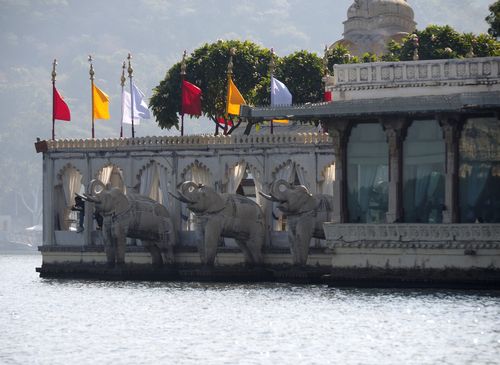
Udaipur • Jag Niwas: Lake Palace
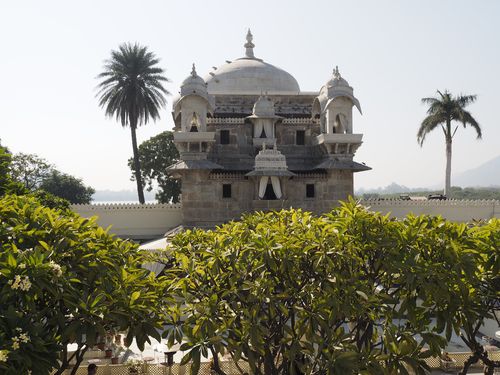
Udaipur • Jag Niwas: Lake Palace
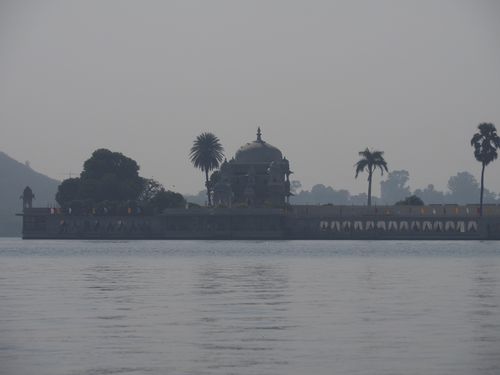
Udaipur • Jag Niwas: Lake Palace
Monument profile
Jag Niwas
Monument category: Palace
Monument family: Palace and Annexes
Monument genre: Residential
Cultural heritage: Hindu
Geographic location: Udaipur • Rajasthan • India
Construction period: 18th century AD
• Links to •
• Dynasties that contributed to the construction of the monument •


• List of videos about Udaipur on this site •
Udaipur • City of the Lakes • Rajasthan, India
• References •
Wikipedia FR: Lake Palace
The Jag Niwas of Udaipur: Political Ambitions and Cultural Evolution
The Jag Niwas, also known as the Lake Palace, stands as an iconic symbol of the Rajput dynasty’s grandeur and innovation. Built on an island in Lake Pichola in Udaipur, Rajasthan, this architectural masterpiece reflects the political and social aspirations of the Maharana of Mewar. This article explores the motivations behind its construction, the historical events that shaped its legacy, and the challenges it faces in the modern era.
Political and Social Motivations for Construction
The Jag Niwas was constructed in 1746 during the reign of Maharana Jagat Singh II as a summer retreat for the royal family of Mewar. Its construction was driven by several key motivations:
- Symbol of Power and Prestige: The palace demonstrated the wealth and authority of the Maharana, asserting the prominence of Mewar as an independent kingdom amidst regional power struggles.
- Cultural Patronage: The palace served as a venue for royal ceremonies, artistic endeavors, and cultural gatherings, reinforcing Mewar's status as a center of Rajput culture.
- Diplomatic and Social Venue: Designed to host dignitaries and allies, the Jag Niwas played a role in strengthening political alliances and fostering social cohesion.
- Escape from Conflicts: Located on a serene island, the palace provided the royal family a sanctuary from the tumultuous political landscape of the 18th century.
Historical Events Shaping the Jag Niwas
Rajput Resistance and Adaptation
Built during a period of regional instability, the Jag Niwas symbolized Mewar's resilience against the Mughal Empire's dominance. While maintaining autonomy, the Rajputs adapted certain Mughal influences into their culture and architecture.
Colonial Influence
Under British colonial rule, the palace became a representation of royal hospitality. It was used to host British officials and other influential figures, blending traditional Rajput decorum with colonial customs.
Post-Independence Transformation
After India’s independence in 1947, the abolition of princely privileges necessitated new uses for royal properties. In the 1960s, Maharana Bhagwat Singh transformed the Jag Niwas into a luxury hotel, preserving its heritage while making it accessible to global audiences.
Global Context and Comparisons
The construction of the Jag Niwas coincided with significant global transformations:
In India: The 18th century marked the decline of Mughal power and the rise of regional kingdoms like Mewar, asserting their independence and cultural identity.
In Europe: The Age of Enlightenment and the construction of monumental palaces such as the Palace of Versailles in France reflected similar expressions of power and opulence. Both the Jag Niwas and these European structures served as symbols of authority and cultural refinement.
Transformations Over the Centuries
The Jag Niwas has undergone several transformations that reflect the changing dynamics of power and cultural influences:
- Royal Summer Retreat: Initially built as a royal residence, the palace embodied Rajput architectural traditions and served as a symbol of sovereignty.
- Colonial Adaptation: During the British era, modifications were made to accommodate European tastes, blending Western elements with traditional design.
- Luxury Hotel: In the 1960s, it was converted into a world-renowned hotel managed by the Taj Group, ensuring its preservation and promoting its cultural legacy.
Cultural Significance and Current State
The Jag Niwas is now a global icon of luxury and heritage, representing the rich history of the Rajput dynasty. Its cultural significance lies in its:
- Architectural Splendor: A masterpiece of marble construction with intricate carvings and mosaics.
- Historical Legacy: A symbol of Mewar’s resilience and adaptability through centuries of change.
- Touristic Appeal: Attracting visitors from around the world, it contributes significantly to Udaipur’s economy and cultural tourism.
The palace remains in excellent condition thanks to ongoing restoration efforts, although challenges persist.
Challenges to Preservation
Environmental Threats:
The proximity to Lake Pichola makes the palace susceptible to erosion and humidity-related damage.
Rising water levels and pollution in the lake pose additional risks.
Tourism Pressure:
The influx of visitors places strain on the palace’s infrastructure.
Balancing public access with preservation is an ongoing challenge.
Urban Encroachment:
Development around Udaipur impacts the aesthetic and historical context of the palace.
Efforts by heritage organizations and the Taj Group focus on sustainable tourism and preservation techniques to address these issues.
Conclusion
The Jag Niwas of Udaipur is more than an architectural marvel; it is a testament to the political ambitions, cultural sophistication, and adaptability of the Rajput dynasty. Its transformations over centuries mirror the evolution of Udaipur and its place in global history. As a symbol of luxury and heritage, preserving this monument is essential to ensure that its legacy continues to inspire future generations.
The Architectural Brilliance of Jag Niwas: A Testament to Rajput Innovation
The Jag Niwas, also known as the Lake Palace, is an architectural gem located on Lake Pichola in Udaipur, Rajasthan. Built in the 18th century during the reign of Maharana Jagat Singh II, it showcases the technological advancements and artistic ingenuity of the Rajput era. This article explores the architectural features, construction materials, and cultural influences that make Jag Niwas a unique symbol of heritage and innovation.
Technological Advancements and Construction Techniques
The architecture of Jag Niwas exemplifies the Rajput mastery of adapting structures to challenging environments and enhancing functionality:
- Foundation on Water: The palace is built on a natural island using advanced engineering techniques to stabilize its base against the lake’s fluctuations. This feat demonstrates the Rajputs’ ability to integrate natural elements into their architecture seamlessly.
- Drainage Systems: A sophisticated network of channels was incorporated to manage rainwater and prevent flooding, ensuring the structure’s longevity.
- Thermal Regulation: Open courtyards, high ceilings, and latticed windows (jalis) were strategically designed to facilitate airflow and maintain a cool interior in the hot Rajasthani climate.
Materials and Construction Techniques
- White Marble: The palace is primarily constructed from pristine white marble, chosen for its elegance and ability to reflect light, giving the structure an ethereal quality, particularly when viewed against the lake.
- Local Stones: Granite and sandstone were used for the palace’s foundations, ensuring durability and resistance to water erosion.
- Carved Woodwork: Intricate carvings on doors, ceilings, and furniture reflect the craftsmanship of local artisans.
- Mirror Work and Inlays: Decorative elements include mirror mosaics and inlaid semi-precious stones, which add a layer of opulence to the interiors.
Fusion of Regional and Foreign Artistic Traditions
Jag Niwas epitomizes a harmonious blend of Rajput traditions and external influences:
Rajput Architecture:
The palace features jharokhas (overhanging balconies), chhatris (domed pavilions), and intricate floral patterns that are hallmarks of Rajput design.
Frescoes and murals depicting mythological and historical themes celebrate the cultural heritage of Mewar.
Mughal Influences:
The use of arches and geometric patterns reflects the Mughal style, which was absorbed into Rajput architecture during periods of interaction.
Gardens with symmetrical layouts and fountains enhance the Mughal-inspired aesthetic.
European Additions:
Elements introduced during British colonial influence include modernized interiors and furnishings, creating a subtle blend of Indian and European sensibilities.
Notable Structural Features
Jag Niwas is a compact yet elaborate structure designed for aesthetics and functionality:
- Central Pavilion: The heart of the palace features a grand hall surrounded by smaller chambers, creating a sense of balance and symmetry.
- Floating Appearance: The palace is designed to appear as if it is floating on the lake, an effect achieved by its seamless integration with the surrounding water.
- Terraces and Courtyards: Open spaces within the palace provide stunning views of the lake and the Aravalli Hills, enhancing its connection to the natural environment.
Statistics and Anecdotes
Construction Year: Built in 1746 by Maharana Jagat Singh II as a royal summer retreat.
Dimensions: The palace spans the entirety of its 4-acre island, with interconnected courtyards and gardens.
Anecdote: During the 1857 Indian Rebellion, the palace is said to have sheltered several European families, highlighting its role as a refuge during turbulent times.
Global Recognition and UNESCO Status
While Jag Niwas is not individually inscribed as a UNESCO World Heritage Site, it forms an integral part of Udaipur’s cultural heritage, which is widely recognized for its historical significance.
Tourism and Preservation: Its transformation into a luxury hotel by the Taj Group has played a pivotal role in preserving the monument. This adaptive reuse has ensured that the palace remains relevant while retaining its architectural integrity.
Symbol of Indian Hospitality: Its reputation as one of the most iconic heritage hotels globally has enhanced Udaipur’s stature as a cultural and tourist destination.
Challenges to Preservation
Despite its robust construction and regular maintenance, Jag Niwas faces several modern challenges:
Environmental Factors:
Water erosion from Lake Pichola poses a constant threat to the foundation.
Increasing pollution in the lake impacts the surrounding ecosystem.
Tourism Pressure:
The influx of visitors requires balancing public access with the preservation of delicate interiors.
Climate Change:
Unpredictable weather patterns and rising water levels demand innovative conservation strategies.
Conclusion
The Jag Niwas is a stunning example of Rajput ingenuity and cultural fusion. Its construction techniques, artistic features, and adaptation to changing times have made it a timeless monument. As a symbol of India’s rich heritage and luxury, ongoing efforts to preserve this architectural marvel are crucial for ensuring its legacy endures for future generations.