

 Français (France)
  Nederlands (nl-NL)
 The Srirangam Temple, located in Tiruchirappalli in Tamil Nadu, India, is one of the largest religious complexes in the world. Dedicated to Vishnu, it attracts millions of visitors annually for its spiritual and cultural significance. The temple is renowned for its vast layout, multiple concentric enclosures, and towering gateways adorned with intricate sculptures. This sacred site serves as a key hub for Hindu rituals and annual festivals, playing an integral role in the spiritual and social life of the region.
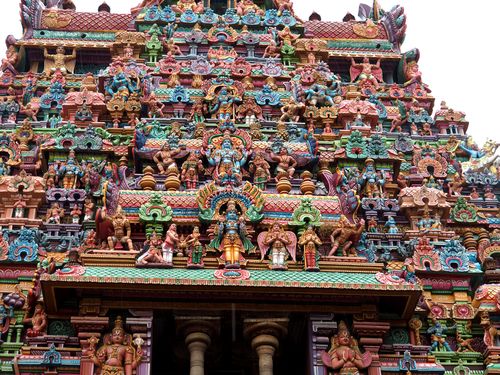
Tiruchirappalli • Srirangam Temple
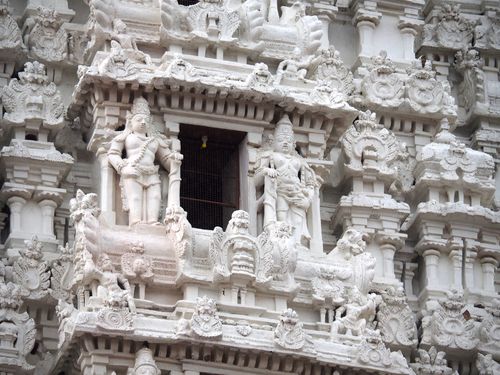
Tiruchirappalli • Srirangam Temple
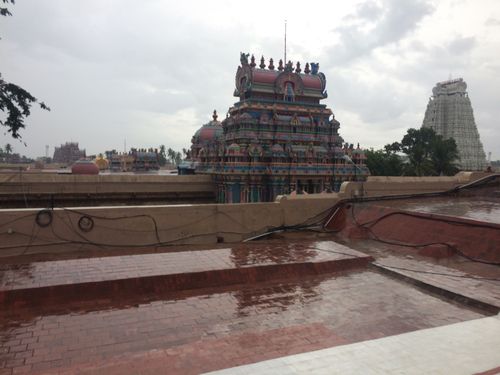
Tiruchirappalli • Srirangam Temple
Monument profile
Srirangam Temple
Monument categories: Hindu Temple, Polychrome temple
Monument family: Temple
Monument genre: Religious
Cultural heritage: Hindu
Geographic location: Tiruchirappalli • Tamil Nadu • India
Construction period: 10th century AD
• Links to •
• Dynasties that contributed to the construction of the monument •


• List of videos about Tiruchirappalli on this site •
Tiruchirappalli, Srirangam Temple • Tamil Nadu, India
• References •
Wikipedia EN: Srirangam
UNESCO: Sri Ranganathaswamy Temple, Srirangam
The Political and Social Legacy of the Srirangam Temple: History, Transformations, and Preservation
The Srirangam Temple, located in Tiruchirappalli, Tamil Nadu, is one of the most significant religious and cultural landmarks in India. Dedicated to Lord Vishnu in his form as Ranganatha, this sprawling complex dates back to ancient times and has evolved over centuries into a symbol of spiritual devotion, political ambition, and social unity. This article explores the political and social motivations behind its construction, the historical events that shaped its destiny, and the challenges it faces today.
Political and Social Motivations Behind Its Construction
The origins of the Srirangam Temple are traced to approximately the 2nd century BCE, with significant expansions occurring under various South Indian dynasties, including the Pallavas, Cholas, Pandyas, and Vijayanagara rulers. The construction and maintenance of the temple were deeply rooted in political and social aspirations:
Political Power:
Temples served as symbols of divine authority for South Indian kings, reinforcing their legitimacy and power.
Srirangam became a key administrative center, where land grants, trade, and economic activities were managed under royal patronage.
Social Unity:
The temple acted as a cultural hub, hosting festivals, rituals, and community gatherings that strengthened societal cohesion.
It provided employment to thousands of artisans, priests, and laborers, integrating them into the regional economy.
Major Historical Events and Their Impact
The Srirangam Temple has witnessed numerous historical events that have shaped its role in the region:
Medieval Invasions:
During the 14th century, the temple suffered attacks from Malik Kafur, a general of the Delhi Sultanate, leading to the temporary relocation of the idol of Ranganatha to Tirupati for protection.
These invasions highlighted the temple’s importance as both a spiritual center and a symbol of resistance.
Revival Under Vijayanagara Rule:
The Vijayanagara Empire played a crucial role in restoring and expanding the temple, funding the construction of new towers (gopurams) and enclosures.
The temple’s revival during this period emphasized its significance in re-establishing regional stability and cultural identity.
Colonial Era:
Under British rule, the temple became a focal point for preserving Tamil culture and traditions amidst the growing influence of Western ideas.
Context in the Global Historical Landscape
The Srirangam Temple’s development parallels significant architectural and cultural achievements in other parts of the world during the same periods:
Europe: Gothic cathedrals such as Notre-Dame de Paris were being constructed, symbolizing the centrality of religion in medieval European life.
Middle East: Islamic architecture flourished, with monuments like the Alhambra in Spain reflecting the fusion of art and spirituality.
China: The Song Dynasty advanced Buddhist architecture, creating grand pagodas and monasteries.
In this context, the Srirangam Temple stands out for its scale, integration of regional traditions, and role in shaping the socio-political fabric of its time.
Transformations Over the Centuries
The Srirangam Temple has undergone significant changes that reflect shifts in power and cultural influences:
Architectural Expansions:
The temple’s seven concentric enclosures and 21 gopurams are a result of centuries of additions, with each dynasty leaving its mark.
The Rajagopuram, completed in the 20th century, is the tallest temple tower in India, standing at 72 meters.
Cultural Evolution:
The temple adapted to changes in religious practices, incorporating music, dance, and literature into its rituals.
Festivals like Vaikunta Ekadasi continue to attract millions, keeping its cultural relevance alive.
Current Conservation Status
The Srirangam Temple is an active place of worship and a major tourist destination. However, preserving its historical integrity poses significant challenges:
Environmental Threats:
Pollution and climate change contribute to the erosion of stone carvings and frescoes.
Water damage from monsoons threatens the structural stability of older sections.
Tourism Pressure:
The influx of millions of pilgrims annually strains the infrastructure and increases wear on the monument.
Modern Additions:
Balancing the needs of a functioning religious site with the principles of heritage conservation requires careful planning.
Efforts are underway to mitigate these issues, including restoration projects, digital documentation, and stricter regulations on visitor activities.
Conclusion
The Srirangam Temple is a masterpiece of South Indian architecture and a testament to the political, social, and spiritual history of the region. Its resilience through centuries of change underscores its cultural importance not only to Tamil Nadu but also to the global heritage landscape. Addressing the challenges of preservation is crucial to ensuring that this iconic monument continues to inspire and educate future generations.
The Architectural Brilliance of Srirangam Temple: Innovations, Materials, and Global Recognition
The Srirangam Temple, located in Tiruchirappalli, Tamil Nadu, India, is a monumental example of South Indian temple architecture. Its scale, complexity, and artistic details illustrate the technological advancements and cultural richness of the Chola period and beyond. This article explores the architectural innovations, materials, and techniques that shaped this iconic structure, highlighting its unique design and international significance.
Technological Innovations and Materials
The construction and expansion of the Srirangam Temple demonstrate the mastery of medieval South Indian builders, particularly during the Chola dynasty (9th-13th centuries).
Materials Used:
Granite: The primary material for structural elements like pillars and walls, granite provided durability and strength to the temple.
Limestone and Stucco: Used for decorative elements, these materials enabled intricate carvings and sculptures.
Gold-Plated Copper: Found in the sanctum roof, this material symbolized divine opulence and showcased advanced metallurgical skills.
Construction Techniques:
Precision Engineering: Massive granite blocks were precisely carved and interlocked without mortar, ensuring structural stability.
Hydraulic Expertise: Drainage systems prevented waterlogging, preserving the foundation and carvings from weather-related damage.
Layered Expansion: The temple’s seven concentric enclosures were built over centuries, reflecting a modular design that could accommodate future growth.
Architectural Features and Cultural Synthesis
The Srirangam Temple’s design exemplifies a blend of regional traditions and external influences, creating a unique architectural identity.
Distinctive Layout:
The temple features seven concentric enclosures (prakaras), each representing a level of spiritual consciousness. These enclosures are surrounded by walls and gateways (gopurams), creating a hierarchical spatial organization.
At the heart of the complex lies the sanctum sanctorum (garbhagriha), housing the reclining idol of Lord Ranganatha.
Towering Gopurams:
The Rajagopuram, standing at 72 meters, is the tallest temple tower in India. Its surface is adorned with thousands of sculptures depicting mythological stories, celestial beings, and deities.
These towers were designed as landmarks visible from afar, guiding pilgrims to the temple.
Decorative Motifs:
Carvings and frescoes combine elements of local Tamil traditions with artistic influences from other parts of India and Southeast Asia.
Intricate depictions of epics like the Ramayana and Mahabharata emphasize the temple’s role as a repository of cultural and religious narratives.
Notable Facts and Anecdotes
Size and Scale: Covering an area of 63 hectares, the temple is one of the largest functioning religious complexes in the world.
Cultural Hub: The temple hosts the annual Vaikunta Ekadasi festival, attracting millions of devotees.
Historical Anecdote: During invasions in the 14th century, the main idol was hidden to protect it from desecration, highlighting the temple’s symbolic importance.
International Recognition and UNESCO Potential
Although the Srirangam Temple is not currently a UNESCO World Heritage Site, it is globally recognized for its architectural and cultural significance.
Preservation and Tourism:
International recognition has spurred efforts to preserve the temple’s structures and artwork, including the restoration of eroded carvings.
Tourism has brought global attention to the temple, fostering cross-cultural appreciation.
UNESCO Impact:
If inscribed as a UNESCO site, the temple would benefit from enhanced conservation funding and global heritage management practices, ensuring its longevity.
Challenges in Conservation
Maintaining the historical integrity of the Srirangam Temple presents several challenges:
- Environmental Degradation: Pollution and climatic factors accelerate the wear on stone carvings and stucco surfaces.
- Tourism Impact: High foot traffic contributes to structural stress and surface damage.
- Urban Encroachment: The surrounding modern infrastructure risks altering the temple’s historical setting.
Efforts by local and international organizations aim to balance the temple’s active religious function with its preservation as a heritage monument.
Conclusion
The Srirangam Temple is a masterpiece of South Indian architecture and a testament to the cultural and technological achievements of the Chola era and subsequent dynasties. Its unique design, monumental scale, and intricate artwork make it a global treasure. While facing modern challenges, ongoing conservation initiatives ensure that this sacred site continues to inspire reverence and admiration for generations to come.