

 Français (France)
  Nederlands (nl-NL)
 The Attukal Bhagavathy Temple is a prominent religious site located in Thiruvananthapuram, Kerala, India. Dedicated to Goddess Bhagavathy, an incarnation of the Hindu Goddess Parvati, the temple is renowned for its spiritual and cultural significance. It draws thousands of devotees annually, especially during the Pongala festival, a major religious event that holds a world record for the largest gathering of women participants. The temple is recognized for its traditional architecture and rituals, embodying the devotion and spiritual fervor of its visitors.
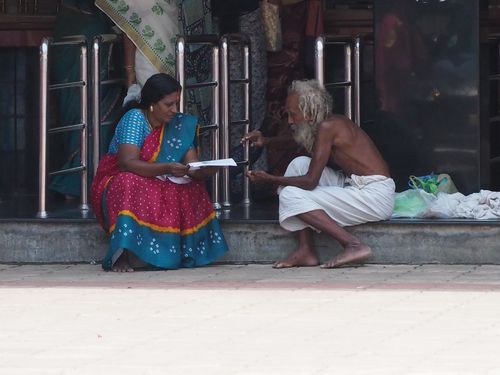
Thiruvananthapuram (Trivandrum) • Attukal Bhagavathy Temple

Thiruvananthapuram (Trivandrum) • Attukal Bhagavathy Temple
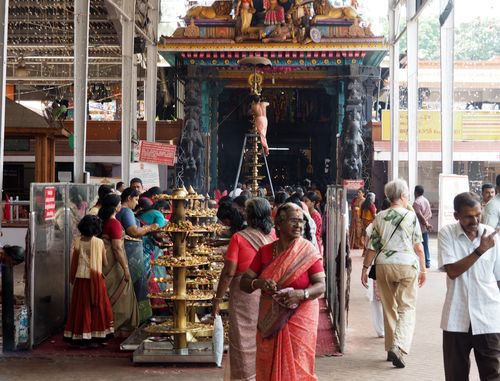
Thiruvananthapuram (Trivandrum) • Attukal Bhagavathy Temple
Monument profile
Attukal Bhagavathy Temple
Monument category: Hindu Temple
Monument family: Temple
Monument genre: Religious
Cultural heritage: Hindu
Geographic location: Thiruvananthapuram • Kerala • India
Construction period: Unknown era
• Links to •
• List of videos about Thiruvananthapuram (Trivandrum) on this site •
Thiruvananthapuram (Trivandrum) • Kerala, India
• References •
Wikipedia EN: Attukal Temple
India Study Channel: History and Orgin Of Attukal Bhagavathy Temple- A pilgrim place in South Kerala
The Political and Social Significance of the Attukal Bhagavathy Temple: A Historical and Global Perspective
Political and Social Motivations Behind Its Construction
The Attukal Bhagavathy Temple, located in Thiruvananthapuram, Kerala, holds immense cultural and spiritual importance. While the exact date of its construction remains uncertain, it is widely believed to have been established several centuries ago during an era when religious institutions played a central role in shaping societal structures. The temple is dedicated to Goddess Bhagavathy, an incarnation of Parvati, reflecting the matrilineal traditions of Kerala’s culture, which emphasized the power and reverence of feminine energy.
The construction of the temple was driven by social and political factors, including the need to create a unifying spiritual space for the community. It also served as a center for governance and social order, with rituals and festivals reinforcing collective identity. Local rulers likely supported the establishment of the temple to consolidate their authority and ensure loyalty from their subjects.
Historical Events and Their Influence
Over the centuries, the Attukal Bhagavathy Temple has witnessed significant historical events that shaped its role in the region. During the colonial period, when Portuguese and later British powers dominated Kerala, the temple maintained its relevance as a symbol of local resistance and cultural preservation. The colonial administration’s policies, which often disrupted traditional practices, further highlighted the importance of the temple as a bastion of indigenous identity.
In the 19th and early 20th centuries, social reform movements led by figures like Sree Narayana Guru indirectly influenced temples like Attukal by promoting inclusivity and challenging rigid hierarchies. These movements expanded the temple’s appeal beyond specific caste groups, transforming it into a more inclusive space.
Global Context and Comparisons
During the time when the Attukal Bhagavathy Temple was evolving, similar developments were taking place in other parts of the world. For instance, in Europe, religious reformations like the Protestant Reformation redefined the relationship between religion and politics. In East Asia, Buddhist and Confucian temples served as centers for both spiritual guidance and governance. The global parallel underscores the universal role of religious monuments in shaping societal norms and identities.
Transformations of the Monument
The temple has undergone several transformations over the centuries. Originally a modest structure, it was expanded and renovated to accommodate growing numbers of devotees, especially during the famed Pongala festival, which holds a Guinness World Record for the largest gathering of women. The architectural updates reflect advancements in construction techniques and the influence of changing cultural preferences.
Decorative motifs and structural changes over time incorporate elements from various regional and external artistic traditions, highlighting the impact of Kerala’s trade links with the Middle East and Southeast Asia. These modifications not only preserved the temple’s functionality but also enhanced its cultural significance.
Cultural Importance and Conservation Status
Today, the Attukal Bhagavathy Temple stands as a vital cultural landmark. Its festivals, particularly the Pongala, draw millions of participants, symbolizing its enduring spiritual and social importance. While it has not yet been inscribed as a UNESCO World Heritage Site, its growing international recognition underscores its cultural value.
Efforts to conserve the temple focus on maintaining its architectural integrity and managing the environmental impact of large gatherings. Restoration projects have aimed at repairing weathered sculptures and ensuring the longevity of wooden and stone structures.
Challenges in Preserving Historical Integrity
The temple faces several challenges in preserving its historical and cultural essence. Urbanization around Thiruvananthapuram has increased environmental stress on the site. Additionally, the influx of millions of devotees during festivals like Pongala places immense pressure on the temple’s infrastructure. Modernization, while necessary, poses the risk of diminishing the authenticity of traditional architectural elements.
Collaborative efforts between local authorities, conservation experts, and community organizations aim to address these challenges. Initiatives include improving crowd management, reducing pollution, and promoting sustainable practices while respecting the temple’s historical context.
Conclusion
The Attukal Bhagavathy Temple is more than a religious site; it is a living testament to the resilience and adaptability of Kerala’s cultural heritage. Its evolution over centuries reflects the region’s social, political, and artistic dynamism. As it continues to inspire millions of devotees and visitors, sustained conservation efforts are crucial to preserving its legacy for future generations.
The Architectural Significance of the Attukal Bhagavathy Temple: Innovation and Tradition
Architectural Innovation and Technological Advancements
The Attukal Bhagavathy Temple in Thiruvananthapuram, Kerala, serves as a testament to the technological and architectural advancements of its time. The construction of the temple involved the use of locally sourced materials such as granite and timber, which were expertly crafted using traditional techniques. Granite, known for its durability, was used in the foundational and structural elements, while intricately carved wooden components adorned the temple’s interiors and roofs.
The techniques employed reflect a deep understanding of engineering principles and an emphasis on sustainability. For instance, the temple’s sloping roofs are designed to withstand the heavy monsoon rains typical of Kerala’s tropical climate. These roofs are supported by wooden beams, meticulously joined without the use of nails, showcasing the mastery of local artisans in woodworking.
The use of reflective polishing on granite surfaces, as well as the incorporation of natural ventilation systems, highlights the ingenuity of the builders in balancing aesthetics with functionality. The integration of these elements ensured the temple’s resilience and comfort for devotees.
Unique Blend of Regional Traditions and Foreign Influences
The architectural features of the Attukal Bhagavathy Temple encapsulate a harmonious blend of regional traditions and external influences. The temple’s pyramidal and conical roofs are emblematic of the Kerala architectural style, designed for practicality and aesthetic appeal. These are complemented by intricate carvings and motifs inspired by Hindu mythology, including depictions of goddess Bhagavathy and other deities.
Trade connections between Kerala and distant regions such as Southeast Asia and the Middle East during ancient times brought external influences into the temple’s design. Decorative elements and structural innovations reflect this cultural exchange. For instance, floral patterns and geometric motifs in the temple’s carvings are believed to have been inspired by Middle Eastern art forms.
Notable Structure and Layout
The temple’s layout follows the principles of "Vastu Shastra," an ancient Indian architectural science. The sanctum sanctorum, or "sreekovil," is the central structure, symbolizing the spiritual core of the temple. It is surrounded by open courtyards and subsidiary shrines, creating a cohesive yet functional space for spiritual practices and rituals.
A notable aspect of the temple is its ability to accommodate large gatherings, especially during the Pongala festival. The event, which has earned a Guinness World Record for the largest gathering of women, demonstrates the temple’s thoughtful design in managing crowd flow and ensuring the safety of devotees.
Anecdotes and Historical Insights
While precise historical records about the temple’s construction remain scarce, its enduring presence over centuries speaks volumes about its cultural and spiritual significance. Anecdotes suggest that the temple was expanded multiple times to meet the growing needs of its devotees. Each expansion incorporated advancements in construction techniques, ensuring the temple’s relevance and grandeur.
The Pongala festival itself is steeped in tradition and adds to the temple’s historical narrative. Millions of women participate in this event, offering cooked rice in earthen pots as a form of devotion. This unique tradition not only strengthens community ties but also highlights the temple’s pivotal role in Kerala’s cultural fabric.
Contribution to International Recognition
Although the Attukal Bhagavathy Temple has not yet been inscribed as a UNESCO World Heritage Site, its growing international recognition is a testament to its cultural and architectural significance. The temple’s unique design, combined with its role in hosting one of the world’s largest religious gatherings, has drawn global attention.
This recognition has spurred conservation efforts aimed at preserving the temple’s historical integrity. Initiatives include the restoration of weathered sculptures, the maintenance of wooden structures, and the implementation of sustainable practices to manage the environmental impact of large-scale events.
Conclusion
The Attukal Bhagavathy Temple is an architectural marvel that reflects the ingenuity and cultural richness of its time. Its blend of regional traditions and external influences, coupled with its innovative design, underscores its significance as a cultural landmark. As conservation efforts continue, the temple stands poised to inspire future generations while preserving its legacy as a symbol of Kerala’s enduring heritage.