

 Français (France)
  Nederlands (nl-NL)
 The Jaswant Thada cenotaph, located in Jodhpur, Rajasthan, India, is a commemorative monument dedicated to Maharaja Jaswant Singh II. Crafted from finely worked white marble, it embodies an elegant and symbolic aesthetic often associated with the region’s royal architecture. Surrounded by gardens and adorned with intricate carvings, the cenotaph is renowned for its translucent marble panels, which produce a distinctive glow under natural light. The site attracts visitors seeking tranquility and history, reflecting the cultural and symbolic significance of the Marwar rulers.


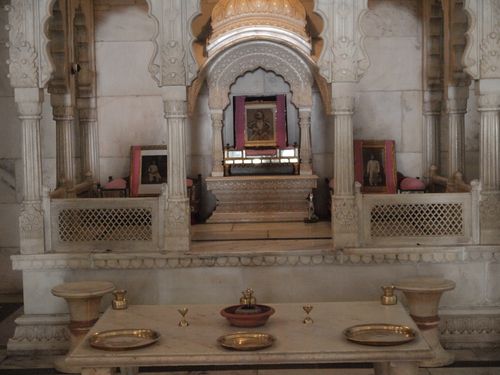
Monument profile
Jaswant Thada Cenotaph
Monument category: Cenotaph
Monument family: Tomb, Necropolis, Mausoleum or Cenotaph
Monument genre: Funerary
Cultural heritage: Hindu
Geographic location: Jodhpur • Rajasthan • India
Construction period: 19th century AD
• Links to •
• Dynasties that contributed to the construction of the monument •


• List of videos about Jodhpur on this site •
Jodhpur • Mehrangarh Fort, Jaswant Thada and music
Jaswant Thada: A Symbol of Political Legacy and Cultural Resilience in Jodhpur
Political and Social Motivations Behind its Construction
The Jaswant Thada cenotaph, located in Jodhpur, Rajasthan, was built in 1899 by Maharaja Sardar Singh in memory of his father, Maharaja Jaswant Singh II. The construction served dual purposes: honoring the legacy of a ruler celebrated for his administrative reforms and symbolizing the continuity of the Rathore dynasty’s prestige during the British colonial era.
Politically, the cenotaph reinforced the legitimacy and influence of the Rathore rulers in a time when princely states navigated their autonomy under British suzerainty. Socially, it underscored the connection between the ruling elite and their subjects, reflecting the Rajput ethos of valor, devotion, and cultural patronage.
Historical Events and Their Influence
Maharaja Jaswant Singh II, who reigned from 1873 to 1895, introduced significant reforms in Marwar, particularly in irrigation and infrastructure, which bolstered the region's economy. The construction of the Jaswant Thada shortly after his death commemorated his contributions and cemented his image as a progressive leader.
Globally, the late 19th century saw widespread construction of commemorative monuments, such as the completion of the Washington Monument in the United States (1888) and the expansion of Victorian memorials in the British Empire. These structures, like the Jaswant Thada, served as enduring symbols of leadership and cultural identity.
Transformations of the Monument Over Time
The Jaswant Thada has undergone minimal structural changes since its construction, preserving its original design. However, its role has evolved:
From a Memorial to a Tourist Destination: Initially a site for royal ceremonies, the cenotaph is now a major attraction for visitors drawn by its architectural beauty and historical significance.
Integration with Modern Narratives: It has become a cultural icon, representing the artistic legacy of Rajasthan while adapting to contemporary tourism demands.
These shifts reflect broader societal changes, where heritage sites transition from exclusive royal domains to public landmarks of shared history.
Cultural Importance and Current Conservation Status
The cenotaph is renowned for its Makrana marble, whose translucent quality creates a radiant effect under sunlight, symbolizing purity and reverence. Its serene gardens and tranquil surroundings enhance its spiritual ambiance. The site is a key representation of Rajput architecture, blending aesthetic sophistication with deep cultural symbolism.
The Jaswant Thada remains well-preserved due to periodic maintenance and its prominence as a heritage site. However, challenges such as natural erosion and increased visitor traffic pose risks to its longevity.
Challenges to Preservation
Key threats to the monument’s integrity include:
- Environmental Factors: Wind, heat, and pollution contribute to the gradual degradation of its marble surfaces and intricate carvings.
- Tourism Impact: Heavy footfall can accelerate wear and tear on the site’s pathways and structures.
- Lack of Specialized Resources: The availability of skilled artisans and funding for detailed restorations remains limited.
Global Comparisons and Context
During the late 19th century, commemorative structures across the world highlighted the importance of architecture as a political and cultural statement:
In Europe, Victorian memorials honored monarchs and national achievements.
In China, the construction of imperial pavilions celebrated traditional artistic excellence.
In India, princely states like Marwar used such monuments to assert their identity within a colonized framework.
The Jaswant Thada fits within this global trend, symbolizing both the region’s unique Rajput heritage and its connection to a broader architectural and cultural narrative.
Conclusion
The Jaswant Thada is more than a cenotaph; it is a testament to the enduring legacy of the Rathore dynasty and the cultural richness of Rajasthan. Its pristine architecture, historical significance, and evolving role highlight its importance as a living monument. However, ensuring its future requires sustained efforts in conservation, visitor management, and global recognition, potentially through initiatives like UNESCO World Heritage status. By safeguarding this jewel of Rajput craftsmanship, it can continue to inspire and educate future generations.
Jaswant Thada: A Testament to Rajput Technological Innovation and Architectural Splendor
Technological Advancements and Innovations in Rajput Architecture
The Jaswant Thada, built in 1899 in Jodhpur, Rajasthan, exemplifies the technological sophistication and architectural innovation of the Rajput era. Constructed primarily from Makrana marble, the same material used for the Taj Mahal, the cenotaph reflects the advanced craftsmanship and engineering skills of the time. This marble’s translucency allows sunlight to penetrate, creating a glowing effect that enhances the monument’s ethereal beauty.
Key architectural advancements include:
- Precision Stone Carving: The intricate carvings, ranging from floral motifs to latticework, were executed with exceptional skill, showcasing the artisans' ability to balance artistic detail with structural integrity.
- Interlocking Marble Panels: These were meticulously placed without visible mortar, demonstrating advanced knowledge of material properties and engineering principles.
- Environmental Adaptability: Open designs and natural ventilation systems maintain a serene atmosphere, even under the region’s intense heat.
These features highlight the ingenuity of Rajput artisans in creating structures that blend functionality with aesthetic brilliance.
Materials and Construction Techniques
The monument’s primary material, Makrana marble, was chosen not only for its durability but also for its symbolic purity. The marble’s ability to reflect and diffuse light lends the structure a unique visual appeal, particularly during sunrise and sunset.
Construction techniques included:
- Manual Sculpting: Artisans used traditional hand tools to achieve fine detailing on every surface, from domes to columns.
- Layered Assembly: The cenotaph’s domes, pillars, and chhatris (pavilions) were designed to interlock seamlessly, ensuring both stability and elegance.
- Integration with Surroundings: The inclusion of reflecting pools and landscaped gardens complements the marble’s natural beauty, enhancing the monument’s overall harmony.
These choices underscore the builders’ commitment to combining natural materials with innovative techniques to create a timeless structure.
Unique Blend of Regional and Foreign Influences
The Jaswant Thada’s architecture showcases a blend of Rajput traditions and Mughal aesthetics, with subtle influences from British colonial styles. This fusion reflects the cultural exchange and political dynamics of the late 19th century.
Key elements include:
- Mughal-inspired Domes: The bulbous domes are reminiscent of Mughal architecture, symbolizing grandeur and spiritual ascent.
- Rajput Ornamentation: Intricate carvings of deities, floral patterns, and geometric designs reflect local craftsmanship and aesthetic sensibilities.
- Colonial Symmetry: The symmetrical layout and well-manicured gardens reveal British influences, emphasizing balance and order.
This blend of styles makes the cenotaph a cultural bridge, encapsulating the region’s artistic diversity and its engagement with global architectural trends.
Structure and Layout
The Jaswant Thada follows a traditional yet distinctive layout that enhances its visual and spiritual significance:
- Main Cenotaph: The central structure features intricately carved marble domes and pillars, serving as the focal point for reflection and reverence.
- Mandapa (Pillared Hall): The open hall, supported by exquisitely detailed columns, creates a welcoming space for visitors and ceremonies.
- Chhatris (Pavilions): Surrounding the main structure, these smaller domed pavilions enhance the architectural balance and provide shaded spaces for contemplation.
- Reflecting Pools and Gardens: These elements frame the cenotaph, creating a tranquil environment that complements its sacred purpose.
Anecdotes and Statistics
The construction of the Jaswant Thada involved dozens of highly skilled artisans, working under the patronage of Maharaja Sardar Singh. The use of Makrana marble was deliberate, emphasizing both the monument’s connection to India’s architectural heritage and the legacy of Maharaja Jaswant Singh II.
An anecdote often shared by guides highlights how the translucent marble panels were intentionally designed to symbolize the purity and enlightenment of the late Maharaja, enhancing the spiritual experience for visitors.
International Recognition and UNESCO’s Potential Impact
While the Jaswant Thada is not currently listed as a UNESCO World Heritage Site, its recognition on such a platform would:
Boost Conservation Efforts: UNESCO status could attract funding and technical expertise for preserving the monument’s delicate carvings and marble surfaces.
Enhance Global Awareness: Inclusion would place the Jaswant Thada alongside other iconic structures, amplifying its cultural significance on a global stage.
Promote Sustainable Tourism: Structured tourism management could mitigate the impact of high visitor numbers while preserving the site’s integrity.
Conservation Challenges
Despite its well-preserved state, the Jaswant Thada faces several modern threats:
- Marble Erosion: Environmental factors, including wind, heat, and pollution, gradually wear down the intricate details.
- Tourist Footfall: Increased visitation leads to potential damage, particularly to pathways and ornamental elements.
- Artisan Shortages: The diminishing availability of skilled craftsmen complicates restoration efforts, risking the loss of traditional techniques.
Conclusion
The Jaswant Thada stands as a testament to the Rajput dynasty’s architectural innovation and cultural vision. Its advanced construction techniques, use of premium materials, and harmonious blend of regional and foreign influences make it a jewel of Jodhpur’s heritage. As a symbol of Rajasthan’s artistic legacy, the monument deserves continued preservation efforts and greater international recognition, ensuring its enduring impact for generations to come.