

 Français (France)
  Nederlands (nl-NL)
 The Karni Mata Temple, located in Deshnoke, Rajasthan, India, is a renowned and unique religious site. Dedicated to Karni Mata, a deity revered as an incarnation of Durga, the temple is particularly famous for its thousands of rats, considered sacred and protected by devotees. These animals, known as "kabbas," are linked to profound spiritual beliefs. The temple draws numerous pilgrims and visitors, intrigued by its rituals and distinctive atmosphere.

Deshnoke • Karni Mata Temple: music and dance in the courtyard of the temple
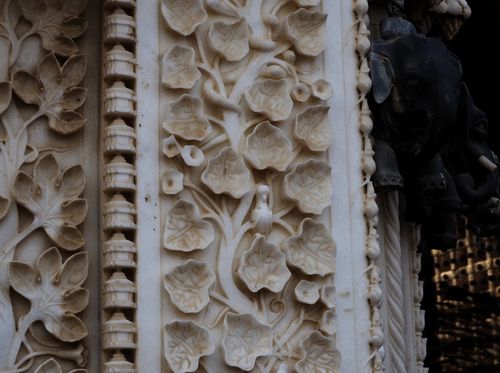
Deshnoke • Karni Mata Temple: sculptures of rats on the door frame
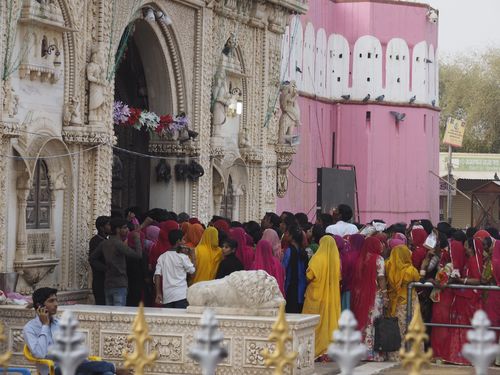
Deshnoke • Karni Mata Temple: crowd thronging at the temple entrance
Monument profile
Karni Mata Temple
Monument category: Hindu Temple
Monument family: Temple
Monument genre: Religious
Cultural heritage: Hindu
Geographic location: Deshnoke • Rajasthan • India
Construction period: 15th century AD
• Links to •
• Dynasties that contributed to the construction of the monument •

• List of videos about Deshnoke on this site •
Deshnok, a festival at the rats temple • Rajasthan, India
Deshnoke II
• References •
Wikipedia EN: Karni Mata Temple
Times of India: Karni Mata Temple at Deshnoke
The Karni Mata Temple: Historical Significance, Transformations, and Preservation Challenges
The Karni Mata Temple, located in Deshnoke, Rajasthan, India, stands as a symbol of devotion, cultural identity, and architectural excellence. Dedicated to Karni Mata, a revered spiritual figure believed to be an incarnation of the goddess Durga, the temple has become a vital center of religious, social, and cultural significance. This article delves into the political and social motivations behind its construction, major historical events that shaped its evolution, and the challenges faced in preserving this iconic site.
Political and Social Motivations for Construction
The Karni Mata Temple was established in the 14th century, during a period when the Rathore dynasty sought to consolidate their rule over the Marwar region of Rajasthan. Karni Mata, known for her spiritual influence and miraculous deeds, played a crucial role in supporting the Rathore rulers.
- Political Legitimacy: The temple served as a symbol of divine endorsement for the Rathore dynasty. By associating their rule with Karni Mata, the Rathores strengthened their claim to power and fostered loyalty among their subjects.
- Social Unity: The temple acted as a unifying force for various communities in the region. It provided a shared space for spiritual practices and cultural events, reinforcing social cohesion.
Major Historical Events and Their Impact
Several historical events have shaped the significance of the Karni Mata Temple and its influence on the region:
- Foundation and Early Development: The temple was constructed under the patronage of local rulers who sought Karni Mata’s blessings for their reign. Over time, it became a pilgrimage site for devotees seeking spiritual solace.
- Colonial Era: During British rule in India, the temple remained a bastion of cultural identity. It symbolized resistance to colonial influence by preserving traditional practices and beliefs.
- Modernization and Tourism: In recent decades, the temple’s unique traditions, particularly the sacred status of its resident rats, have attracted global attention. This has transformed it into a major tourist destination while maintaining its religious significance.
Global Context and Comparisons
The construction of the Karni Mata Temple in the 14th century aligns with global trends where religious monuments were used to assert political power and cultural identity:
Europe: During the same period, Gothic cathedrals such as Notre-Dame de Paris symbolized the influence of the Church and served as centers of community life.
Asia: In neighboring regions like Tibet, monasteries served as both religious sanctuaries and political hubs, reflecting the intertwining of spiritual and temporal authority.
The Karni Mata Temple’s role as a unifying cultural and spiritual site mirrors similar practices worldwide.
Transformations Over the Centuries
The Karni Mata Temple has undergone significant transformations, reflecting changes in power dynamics and cultural influences:
- Architectural Enhancements: Successive rulers added ornate features to the temple, such as intricately carved marble panels and silver gates. These additions highlight the blending of local craftsmanship with external artistic influences.
- Integration of Traditions: The temple’s practices, including the veneration of rats as sacred beings, have remained a central aspect of its identity. This continuity underscores the resilience of cultural traditions despite external pressures.
- Modern Infrastructure: To accommodate the growing number of pilgrims and tourists, the temple has seen upgrades in facilities, including pathways, lighting, and sanitation.
These changes illustrate the temple’s adaptability while preserving its core spiritual essence.
Cultural Importance and Current State of Preservation
The Karni Mata Temple holds immense cultural and spiritual value:
- Religious Significance: As a major pilgrimage site, the temple attracts thousands of devotees who consider Karni Mata a divine protector.
- Cultural Icon: Its unique traditions, such as the sacred status of the rats, have become synonymous with the temple’s identity, drawing curiosity and reverence from around the world.
Despite its enduring significance, the temple faces challenges in maintaining its historical and cultural integrity.
Preservation Challenges
- Tourism Pressure: The increasing number of visitors places strain on the temple’s infrastructure and its ability to manage large crowds without compromising its sanctity.
- Environmental Factors: Exposure to weather and pollution poses risks to the temple’s intricate carvings and materials, necessitating regular maintenance and restoration.
- Balancing Modernity and Tradition: While modern amenities are essential for visitor management, they must be integrated carefully to avoid disrupting the temple’s historical and spiritual ambiance.
Conclusion: A Timeless Heritage
The Karni Mata Temple is more than just a religious monument; it is a living testament to the fusion of spirituality, culture, and history. Its architectural grandeur, coupled with its unique traditions, continues to inspire awe and devotion. Preserving this heritage requires a collaborative effort between local communities, preservation experts, and authorities to ensure that its significance endures for future generations. By safeguarding its historical integrity and cultural essence, the Karni Mata Temple remains a beacon of Rajasthan’s rich and diverse legacy.
Architectural features
The Karni Mata Temple: Architectural Innovation and Cultural Synthesis in Rajput Era
The Karni Mata Temple, located in Deshnoke, Rajasthan, India, is a remarkable example of Rajput-era architectural ingenuity and cultural synthesis. Built during the 14th century and subsequently enhanced over time, the temple reflects the technological advancements and artistic mastery of its era. This article explores the materials, construction techniques, and architectural features that make the temple a symbol of both innovation and tradition.
Technological Advancements and Construction Techniques
The construction of the Karni Mata Temple highlights the advanced engineering and craftsmanship of the Rajput period:
Materials Used:
- Marble: Locally sourced white marble forms the foundation of the temple, chosen for its durability and aesthetic appeal. The marble panels are intricately carved, showcasing the skill of local artisans.
- Silver: The temple’s iconic gates are made of silver, adorned with elaborate engravings depicting mythological scenes. These gates were later added by regional rulers to enhance the temple’s grandeur.
- Stone and Wood: Traditional stone masonry, combined with finely crafted wooden elements, underscores the versatility of materials used.
Construction Techniques:
- Rajput architects utilized advanced stone-cutting techniques and precision assembly to create seamless structures. The use of interlocking stones ensured the stability of the temple while minimizing the need for external supports.
- Intricate carvings were crafted on-site, a testament to the artisans' exceptional skill and attention to detail.
Architectural Features and Decorative Motifs
The Karni Mata Temple exemplifies a unique blend of regional traditions and external influences:
Structural Layout:
The temple is organized around a central courtyard, a feature common in Rajput architecture, allowing natural light and ventilation.
The sanctum sanctorum, where the idol of Karni Mata is housed, is elevated, emphasizing its spiritual significance and aligning with the Rajput tradition of creating hierarchical spaces in religious structures.
Decorative Elements:
Carvings and Motifs: The walls and pillars are adorned with floral patterns, geometric designs, and depictions of deities, merging Mughal and Rajput styles.
Silver Gates: These gates are a focal point, symbolizing wealth and devotion. Their intricate craftsmanship is unmatched, with engravings of religious narratives.
Integration of Rats: The enclosures for the sacred rats, or "kabbas," are seamlessly integrated into the architecture, reflecting the temple's unique cultural and religious identity.
A Unique Blend of Traditions and Influences
The temple’s design incorporates both indigenous Rajput artistry and external influences:
Rajput Elements:
The emphasis on symmetry and balance reflects Rajput architectural principles.
Use of fortified walls around the temple mirrors the defensive designs seen in Rajput palaces and forts.
Influences from Mughal Art:
Decorative patterns, particularly floral and geometric motifs, show the impact of Mughal aesthetics, which were prevalent during the period.
This synthesis of styles highlights the cultural exchanges that shaped the region’s artistic legacy.
Notable Features and Anecdotes
- Silver Contribution: The silver gates were commissioned as offerings by local rulers and devotees, symbolizing their reverence for Karni Mata.
- Population of Rats: An estimated 25,000 sacred rats inhabit the temple, a feature that has fascinated visitors and added to the temple’s mystique.
- Timeless Durability: Despite centuries of use, the temple remains structurally sound, a testament to the quality of its construction.
Global Recognition and Preservation
While the Karni Mata Temple is not listed as a UNESCO World Heritage Site, its architectural and cultural significance has drawn international attention:
Attraction for Tourists: Visitors from around the globe are captivated by the temple’s unique traditions and architectural splendor.
Conservation Efforts: The temple is maintained by local communities and trusts, ensuring the preservation of its historic features.
Challenges and Opportunities
The temple faces several challenges that require careful attention:
- Tourism Management: Increased footfall poses a risk to its historic structures and the sacred ecosystem of the temple.
- Environmental Degradation: Exposure to weather and pollutants threatens the durability of marble and silver elements.
- Balancing Modernization: Integrating modern facilities without compromising the temple’s heritage is a key concern.
Conclusion: A Monument of Spiritual and Architectural Excellence
The Karni Mata Temple is not merely a place of worship but a testament to the technological and artistic brilliance of the Rajput era. Its intricate architecture, symbolic traditions, and cultural significance continue to inspire awe and devotion. Preserving this heritage for future generations requires a concerted effort to balance modernization with historical integrity. Through sustained conservation efforts, the Karni Mata Temple will remain a beacon of Rajasthan’s rich architectural and spiritual legacy.