

 Français (France)
  Nederlands (nl-NL)
 The Santa Ifigenia Cemetery, located in Santiago de Cuba, is a prominent site where many notable figures in Cuban history are buried. Established in 1868, it serves as the resting place of key individuals such as José Martí, a hero of independence, and Fidel Castro, a central figure of the Cuban Revolution. Renowned for its solemn layout and heritage significance, the cemetery draws visitors and locals alike with its daily guard-changing ceremonies and cultural symbolism.
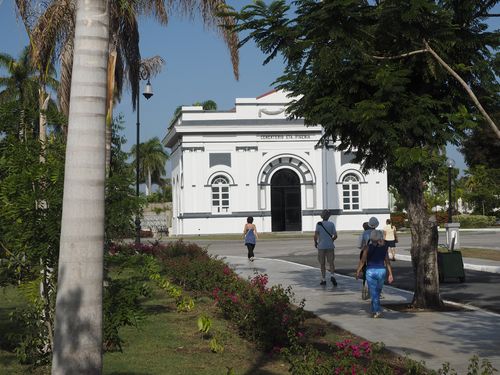
Santiago de Cuba • Santa Ifigenia cemetery
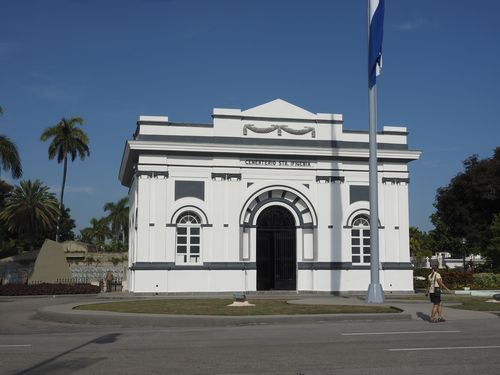
Santiago de Cuba • Santa Ifigenia cemetery
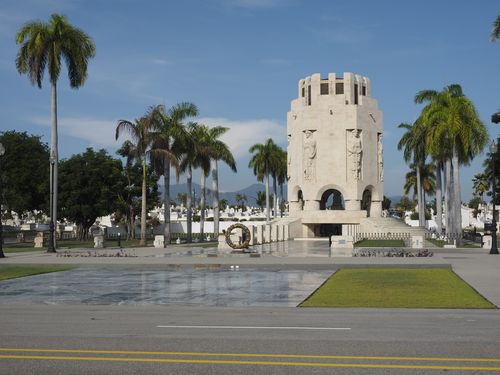
Santiago de Cuba • Santa Ifigenia cemetery
Monument profile
Santa Ifigenia cemetery
Monument category: Cemetery
Monument family: Tomb, Necropolis, Mausoleum or Cenotaph
Monument genre: Funerary
Cultural heritage: Christian
Geographic location: Santiago de Cuba • Cuba
Construction period: 19th century AD
• Links to •
• List of videos about Bay of Pigs, Baracoa, Santiago de Cuba on this site •
Some historical places • Cuba
Santiago, historical city • Cuba
Santa Ifigenia Cemetery: Political Significance, Historical Transformations, and Cultural Legacy
Political and Social Motivations Behind Its Construction
Santa Ifigenia Cemetery, established in 1868 in Santiago de Cuba, was built during a period of significant social and political change. Its construction was driven by the need for a dignified burial site that could accommodate a growing population while symbolizing the aspirations of a society on the brink of transformation.
At the time, Cuba was still under Spanish colonial rule, but the island was becoming a hotbed for independence movements. The creation of a monumental cemetery not only addressed practical urban planning concerns but also served as a reflection of the emerging Cuban identity. By providing a final resting place for notable figures, the cemetery became a site of collective memory and a testament to national pride.
Historical Context and Global Comparisons
The establishment of Santa Ifigenia coincided with a global trend in the 19th century toward monumental cemeteries. Influenced by the hygienic and romantic movements, large cemeteries were being designed as both functional spaces and places of cultural significance. Iconic examples include Père-Lachaise in Paris and Recoleta Cemetery in Buenos Aires, which combined practicality with artistic grandeur.
Unlike European cemeteries that often emphasized aristocratic lineage, Santa Ifigenia soon became a focal point for honoring national heroes, reflecting Cuba’s unique sociopolitical evolution. Its role in celebrating independence and revolutionary figures set it apart, turning it into a symbol of collective struggle and resilience.
Major Historical Events and Their Impact
Santa Ifigenia has been shaped by several key historical milestones that have influenced its cultural and political significance:
- Independence Movement (19th Century): The burial of José Martí, a key figure in Cuba’s fight for independence, transformed the cemetery into a pilgrimage site for patriots. His mausoleum remains one of its most iconic landmarks.
- Cuban Revolution (20th Century): The interment of Fidel Castro in 2016 reinforced the cemetery’s revolutionary legacy, making it a site of immense symbolic importance for contemporary Cuba.
- Modern Era: Santa Ifigenia continues to serve as a place of remembrance for Cuba’s most influential figures, further embedding it in the country’s historical and cultural narrative.
These events have elevated the cemetery from a burial ground to a national shrine, reflecting shifts in power and societal values over time.
Architectural Transformations and Cultural Significance
Over the decades, Santa Ifigenia has undergone several transformations that mirror Cuba’s changing political and cultural landscape:
- Original Design: The cemetery’s initial layout was heavily influenced by neoclassical styles, with wide avenues and symmetrical arrangements symbolizing order and dignity.
- Addition of Monuments: The mausoleum of José Martí, completed in 1951, exemplifies the fusion of classical design with national symbolism. Its pyramid shape, adorned with Cuban motifs such as stars and palm trees, reflects both European influence and local identity.
- Modern Elements: The grave of Fidel Castro, marked by a simple boulder, contrasts with the grandeur of other monuments. This minimalist design underscores his ideological commitment to humility and solidarity.
The cemetery’s architectural evolution highlights the interplay between foreign influences and Cuban traditions, creating a unique aesthetic that resonates with both historical and contemporary narratives.
Current State and Conservation Efforts
Santa Ifigenia is in relatively good condition, thanks to ongoing preservation efforts by the Cuban government. However, several challenges threaten its integrity:
- Climate Conditions: The tropical environment, characterized by high humidity and heavy rains, accelerates the deterioration of materials such as marble and metal.
- Tourism Pressure: As a popular destination for both domestic and international visitors, the cemetery faces wear and tear from increased foot traffic.
- Economic Constraints: Limited financial resources in Cuba can hinder large-scale restoration projects, placing additional strain on conservation efforts.
Despite these challenges, Santa Ifigenia remains a vital cultural landmark, benefiting from periodic restorations and public support.
Santa Ifigenia Cemetery: A Showcase of Technological Innovation and Cultural Fusion
Technological Advancements and Construction Innovations
Built in 1868, Santa Ifigenia Cemetery in Santiago de Cuba exemplifies the architectural ambition and technological capabilities of its time. Designed to be both functional and monumental, the cemetery utilized advanced techniques to ensure durability in Cuba’s tropical climate.
Marble, a key material in many of the cemetery’s structures, was imported from Italy, symbolizing the grandeur and permanence associated with European artistry. Local stone was also integrated, creating a harmonious balance between imported refinement and regional identity. The use of cast iron in gates and decorative elements reflected the industrial innovations of the 19th century, blending strength with intricate design.
One of the most remarkable architectural achievements is the mausoleum of José Martí, completed in 1951. This structure incorporates both engineering and symbolism: it is designed to allow the first sunlight of each day to illuminate Martí’s tomb, emphasizing his legacy as a guiding light for Cuba’s independence movement.
Unique Blend of Regional and Foreign Artistic Traditions
Santa Ifigenia Cemetery’s architecture reflects a seamless blend of European influences and local traditions, resulting in a distinctive aesthetic. Neoclassical and Baroque styles dominate the cemetery’s layout and individual monuments, with features such as symmetrical pathways, domed mausoleums, and ornate sculptures.
These elements are complemented by motifs inspired by Cuban culture and nature. Floral patterns, palm tree carvings, and star symbols referencing the Cuban flag highlight the cemetery’s role as a repository of national identity. The juxtaposition of monumental European-style tombs with simpler, locally influenced designs demonstrates the evolving social and artistic landscape of 19th- and 20th-century Cuba.
The mausoleum of José Martí serves as a centerpiece, blending neoclassical forms with nationalist elements. Its pyramid shape, adorned with Cuban emblems, underscores Martí’s significance as a unifying figure in the country’s history. In contrast, Fidel Castro’s tomb, marked by a simple boulder, reflects a modern, minimalist approach, highlighting humility and solidarity in the context of revolutionary ideals.
Notable Structure and Layout
The cemetery follows a structured and hierarchical plan, emphasizing both functionality and grandeur. Wide avenues connect different sections, leading visitors toward central monuments like Martí’s mausoleum. This design, characterized by symmetry and spatial order, reflects European influences while accommodating the unique needs of a tropical environment.
The cemetery’s layout segregates ordinary graves from elaborate tombs and monuments, creating a visual narrative of social hierarchy and historical importance. This spatial arrangement transforms Santa Ifigenia into a historical park that invites visitors to reflect on Cuba’s storied past.
Noteworthy Statistics and Anecdotes
- Size and Scope: Covering over 13 hectares, Santa Ifigenia is one of Cuba’s largest and most prominent cemeteries, containing thousands of graves and monuments.
- Architectural Innovation: Martí’s mausoleum, standing 24 meters tall, was specifically designed to align with the sun’s rays each morning, symbolizing his enduring influence on Cuba’s independence.
- Cultural Rituals: The daily guard-changing ceremony, performed by soldiers in traditional uniforms, adds a layer of solemnity and attracts both locals and tourists.
International Recognition and UNESCO Status
Although not currently listed as a UNESCO World Heritage Site, Santa Ifigenia enjoys widespread recognition as a cultural and historical landmark. Its association with figures like José Martí and Fidel Castro has cemented its importance as a site of national memory.
If inscribed on the UNESCO World Heritage List, Santa Ifigenia would gain access to international resources and expertise for its preservation. This recognition would further solidify its role as a global symbol of Cuba’s cultural heritage and historical resilience.