Français (France)
  Nederlands (nl-NL)
 Chorsu Market is one of the main commercial spaces in Tashkent, the capital of Uzbekistan. Located in an urban district historically associated with regional trade, the market brings together vendors and customers from different parts of the city and surrounding areas. It operates as a major distribution point for food products, spices, fruits, vegetables, and everyday goods. The market also plays an important social role by providing a place where people from diverse backgrounds meet and interact. Through its daily activity and organized structure, Chorsu Market reflects the continuity of market exchange within the urban economy of Tashkent.
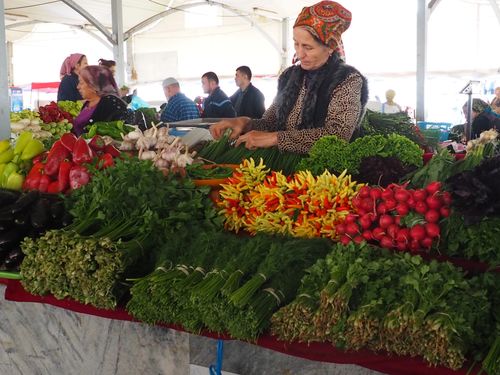
Tashkent • Chorsu Bazaar

Tashkent • Chorsu Bazaar
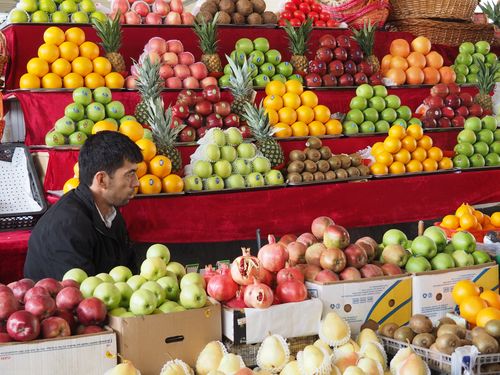
Tashkent • Chorsu Bazaar
Tradition profile
Chorsu Bazaar
Tradition category: Local market
Tradition family: Traditional markets and fairs
Tradition genre: Trade and Local Creativity
Geographic location: Tashkent • Uzbekistan
• Links to •
• List of videos about Tashkent on this site •
Tashkent, the capital • Uzbekistan
History of the Chorsu Market Tradition in Tashkent (Uzbekistan)
The tradition of Chorsu Market in Tashkent represents one of the most enduring forms of urban commercial organization in Central Asia. Located in the historic core of the city, the market reflects centuries of economic exchange shaped by Tashkent’s strategic position within transcontinental trade networks. Its historical development is closely tied to broader political, social, and cultural transformations that have influenced the region from the medieval period to the present day.
Political and Social Context of Emergence
The emergence of a major market at the site of Chorsu is directly linked to Tashkent’s role as a crossroads of regional and long-distance trade routes. The term “Chorsu,” meaning “four roads” or “intersection,” reflects the importance of this location as a point where multiple commercial axes converged. Merchants traveling between East Asia, the Iranian plateau, and the steppe regions required stable and secure spaces to exchange goods, leading to the gradual formation of permanent market areas.
The political context of Central Asia during the medieval period was characterized by shifting control among various dynasties and regional powers. These authorities had a strong interest in maintaining and regulating trade, as markets generated taxation revenue and ensured the supply of essential goods to urban populations. Market spaces were therefore often supervised by local administrators who regulated weights, measures, and prices.
Socially, the market emerged as a central institution within urban life. Merchant communities formed influential groups, often organized through family networks or guild-like structures. These groups interacted closely with religious authorities, particularly within the Islamic framework that structured much of public life in Central Asian cities. Mosques, madrasas, and markets were frequently located in proximity, reinforcing the integration of economic and social activities.
Alliances between merchant groups and political authorities contributed to the stability of the market. At the same time, competition between regional trading centers created a dynamic environment in which cities such as Tashkent sought to maintain their importance within broader trade networks.
Major Historical Events Affecting the Tradition
Throughout its history, the Chorsu market tradition has been shaped by significant political changes. During the medieval period, Tashkent passed under the control of various khanates and regional powers, each of which influenced the organization of urban economic life. Despite these changes, the continuity of market activity remained essential to the functioning of the city.
In the nineteenth century, the expansion of the Russian Empire into Central Asia marked a major turning point. Tashkent was incorporated into a new administrative system that introduced modern urban planning and new forms of economic regulation. While these changes affected the structure of the city, traditional markets continued to operate as vital centers of daily trade.
The Soviet period brought further transformation. Authorities sought to reorganize economic activity according to centralized planning principles. Traditional markets were not eliminated but were often restructured and integrated into state-controlled distribution systems. During this time, the Chorsu market was rebuilt and modernized, including the construction of a large covered structure designed to accommodate increasing volumes of trade while meeting new sanitary and logistical standards.
Following Uzbekistan’s independence in 1991, market practices underwent another phase of transformation. The reintroduction of private enterprise allowed traditional forms of trade, including direct negotiation and small-scale commerce, to reassert themselves. Chorsu regained its role as a central marketplace within the urban economy of Tashkent.
Global Context at the Time of Emergence
The development of the Chorsu market tradition can be understood within a broader global pattern of urban market formation. In many parts of the world, markets emerged at crossroads of trade routes where merchants, travelers, and local populations interacted.
In the Islamic world, the institution of the bazaar or souk served as a central feature of urban organization, combining economic, social, and cultural functions. In Europe, medieval towns developed market squares and periodic fairs that played comparable roles in regional trade. Similarly, markets in South Asia and East Asia functioned as nodes within larger networks of exchange.
The Central Asian context was distinctive due to its position between multiple cultural spheres. Markets such as Chorsu facilitated not only the exchange of goods but also the circulation of ideas, technologies, and cultural practices across vast distances.
Transformations of the Tradition
Over time, the Chorsu market tradition has adapted to changing economic conditions and technological developments. The range of goods available has expanded, reflecting both local agricultural production and broader trade connections. Modern transportation systems have allowed products to be sourced from more distant regions, altering the scale and diversity of market activity.
Architectural and infrastructural changes have also shaped the market. The introduction of covered structures, organized sections, and improved sanitation reflects efforts to modernize the market while preserving its traditional function.
Despite these changes, many core aspects of the tradition have remained stable. Direct interaction between buyers and sellers, flexible pricing through negotiation, and the social character of market exchanges continue to define the Chorsu experience.
Contemporary Role and Cultural Significance
Today, Chorsu Market remains one of the most important commercial and social spaces in Tashkent. It serves as a primary distribution center for food and everyday goods while also functioning as a gathering place for people from different parts of the city.
The market holds significant cultural value as a representation of Central Asian urban life. It reflects culinary traditions, artisanal practices, and patterns of social interaction that have been maintained over generations. The continuity of these practices contributes to a sense of identity rooted in historical experience.
The market also plays a role in sustaining small-scale economic activity. Many families depend on market trade as a source of income, reinforcing its importance within the local economy.
Preservation Status and Modern Challenges
Despite its resilience, the Chorsu market tradition faces several contemporary challenges. Urban development and the expansion of modern retail systems, including supermarkets and shopping centers, are gradually changing consumer behavior. These developments can reduce reliance on traditional markets.
At the same time, efforts have been made to preserve the market’s role within the city. Authorities have invested in maintaining infrastructure and improving conditions while retaining the traditional layout and organization of the market.
The question of heritage recognition remains relevant, as markets like Chorsu represent living cultural traditions rather than static historical monuments. Their preservation depends on maintaining both their physical structure and their social function.
Environmental and economic changes, including fluctuations in supply chains and urban growth, also influence the sustainability of market practices. However, the adaptability of the Chorsu market tradition suggests that it will continue to evolve while retaining its essential role.
In this context, the Chorsu market stands as a significant example of how a long-established commercial institution can persist through changing historical conditions, maintaining its relevance as both an economic center and a cultural landmark within the urban landscape of Tashkent.
Characteristics of the Chorsu Market Tradition in Tashkent
The tradition of Chorsu Market in Tashkent represents one of the most significant expressions of urban commercial culture in Central Asia. Located in the historic district of the Uzbek capital, the market functions not only as a center of trade but also as a social institution where economic exchange, community interaction, and cultural continuity converge. Over time, the practices associated with Chorsu have developed into a distinctive form of marketplace tradition shaped by regional history, social organization, and economic networks.
Origins and Context of Emergence
The emergence of the Chorsu market tradition is closely linked to the historical development of Tashkent as a crossroads of major trade routes across Central Asia. Situated at the intersection of caravan routes connecting eastern Asia, the Iranian plateau, and the steppe regions to the north, the city became a natural location for organized commercial exchange.
Political authorities historically encouraged the establishment of markets in such strategic locations. Markets provided a structured environment where taxation could be collected and economic activity could be supervised. Local rulers, administrators, and urban authorities recognized the importance of maintaining stable trading spaces where merchants and producers could operate under regulated conditions.
Socially, the market tradition emerged within a multi-ethnic urban environment. Merchants, artisans, farmers, and traders from different communities participated in market activity, creating a diverse commercial ecosystem. Religious institutions also played an indirect role in shaping market life. Islamic urban culture traditionally emphasized communal spaces where commerce, social interaction, and religious practice could coexist within the broader structure of the city.
The initial function of the Chorsu market was therefore both practical and organizational. It served as a distribution center for agricultural produce and manufactured goods while simultaneously providing a stable framework for commercial interaction among different social groups.
Constitutive Elements and Practices
The tradition of Chorsu Market is defined by a series of structured practices that regulate daily commercial activity. The market is typically divided into specialized zones, each dedicated to particular categories of goods. These may include sections for fruits and vegetables, grains, spices, dairy products, meat, textiles, and artisanal items.
This spatial organization facilitates efficient trade and reflects long-standing conventions within Central Asian marketplaces. Vendors usually occupy the same area of the market over extended periods, creating continuity and familiarity for customers.
Commercial interaction follows established social norms. Negotiation plays an important role in determining prices, and transactions often involve direct conversation between buyers and sellers. Vendors frequently present their products in carefully arranged displays designed to emphasize quality and freshness.
Several gestures and behavioral practices are characteristic of the tradition. Sellers commonly greet customers with formal expressions of respect and may invite them to taste or examine products before purchasing. Such interactions reinforce trust and maintain long-term relationships between merchants and regular customers.
Knowledge transmission is another essential aspect of the tradition. Skills related to product selection, pricing strategies, and customer interaction are often learned within families. Younger generations assist older relatives in managing stalls, gradually acquiring the experience required to continue the trade.
Symbolism and Meanings
Beyond its practical function, the Chorsu market tradition carries symbolic significance within the cultural life of Tashkent. The market represents a space where the rhythms of urban life are visibly expressed through daily exchanges and interactions.
The visual environment of the market contributes to this symbolism. The variety of colors displayed in produce, spices, and textiles reflects the diversity of agricultural production and artisanal traditions within the region. The sensory experience of the market—including sounds of negotiation and the movement of crowds—reinforces its identity as a dynamic social space.
Language and communication also play a symbolic role. Conversations between sellers and buyers often include customary greetings, humor, and polite bargaining. These interactions reflect broader cultural values related to hospitality, respect, and community cooperation.
Regional variations in products and presentation styles further emphasize the cultural diversity that characterizes Central Asian trade traditions.
Evolution and External Influences
Over the centuries, the Chorsu market tradition has been influenced by a range of external political and economic factors. Changes in governance, economic policy, and infrastructure have shaped the structure and operation of the marketplace.
During the period of Russian imperial expansion into Central Asia in the nineteenth century, urban administration introduced new systems of regulation and infrastructure development. These reforms affected the broader organization of city life while allowing traditional market practices to continue.
The Soviet era brought more systematic efforts to reorganize economic activity. Markets were integrated into planned distribution systems and subject to stricter administrative control. At the same time, investments in infrastructure modernized the physical environment of the market, including the construction of large covered structures that remain a defining feature of Chorsu today.
After Uzbekistan gained independence in 1991, economic liberalization allowed many traditional commercial practices to re-emerge. Private entrepreneurship expanded, and small-scale traders regained a prominent role within the market economy.
Comparable market traditions exist in other regions of the world, including the bazaars of the Middle East, the souks of North Africa, and traditional markets across South Asia and the Mediterranean. These parallels illustrate the universal role of marketplaces as centers of exchange and social interaction.
Social Organization and Community Impact
The Chorsu market tradition plays an important role in structuring social relationships within the city. The market functions as a meeting point where individuals from different neighborhoods, professions, and social backgrounds interact regularly.
Economic relationships within the market often extend beyond individual transactions. Long-term connections between vendors and customers contribute to stable networks of trust. Many families rely on market trade as a primary source of income, creating strong incentives to maintain established practices.
Generational continuity is another defining feature of the market’s social organization. Younger traders frequently learn their profession through participation in family businesses, ensuring the transmission of practical knowledge and commercial customs.
In addition to its economic role, the market contributes to the preservation of regional culinary traditions and artisanal production. Many products sold at Chorsu reflect long-standing food preparation methods and agricultural practices.
Statistics, Anecdotes, and Notable Accounts
Chorsu Market is among the largest and most frequented markets in Tashkent. On a typical day, hundreds of vendors operate stalls, attracting thousands of customers from across the city and surrounding regions.
Seasonal variations influence the rhythm of market activity. Harvest periods often lead to increased availability of agricultural products, while certain traditional foods become particularly prominent during religious holidays and communal celebrations.
Local narratives frequently highlight families who have maintained stalls at the market for multiple generations. These stories reinforce the perception of Chorsu as a place where historical continuity is preserved through everyday commercial life.
Recognition and Preservation Challenges
Today, the Chorsu market tradition is widely recognized as an important component of Tashkent’s urban heritage. It represents a living cultural institution that continues to shape economic and social practices in the city.
However, the tradition faces several modern challenges. The expansion of supermarkets and modern retail systems has altered consumer behavior and introduced new forms of competition. Urban development projects also place pressure on historic commercial districts.
Efforts to preserve the market focus on maintaining its functionality while adapting infrastructure to contemporary standards. Local authorities have invested in improving sanitation, organization, and accessibility while preserving the market’s traditional layout and commercial culture.
In this context, the Chorsu market tradition remains a vivid example of how historical commercial practices can continue to function within a modern urban environment. Its resilience reflects the adaptability of Central Asian marketplace traditions and their enduring significance within the social fabric of Tashkent.
 Links to the main sections of the site