Français (France)
  Nederlands (nl-NL)
 The Dhobi Khana in Kochi, located in Kerala, India, is a communal space dedicated to traditional laundry practices. Managed by the Tamil Vannan community, it preserves age-old techniques passed down through generations. With designated areas for washing, drying, and ironing, this site embodies the cultural and social significance of community-based craftsmanship. Today, it stands as a living testament to a tradition deeply rooted in manual skill and heritage.

Kochi • Dhobi Khana
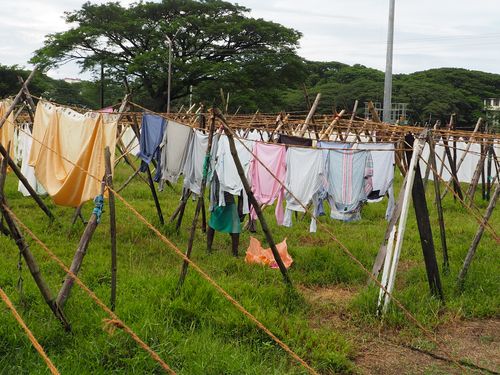
Kochi • Dhobi Khana
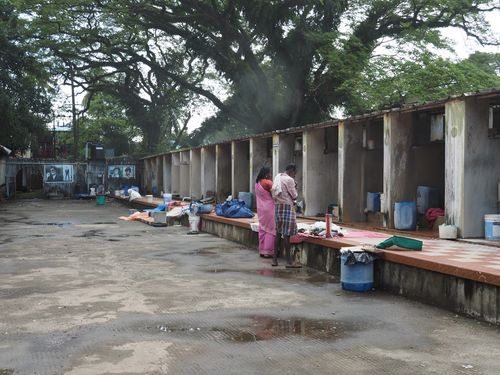
Kochi • Dhobi Khana
Tradition profile
Dhobi Khana
Tradition category: Public laundry
Tradition family: Crafts and professions
Tradition genre: Trade and Local Creativity
Geographic location: Kochi • Kerala • India
• Links to •
• List of videos about Kochi on this site •
Kochi • Kathakali, Dhobi Khana and Jewish Quarter • Kerala
The Dhobi Khana of Kochi: Political and Social Motivations, Historical Evolution, and Modern Challenges
Political and Social Motivations Behind Its Emergence
The Dhobi Khana tradition in Kochi, located in the Indian state of Kerala, emerged during the 19th century under British colonial rule. Its establishment was primarily driven by the need to meet the increasing demand for hygienic laundry services among the European population in Fort Kochi. The British administration sought an organized system to ensure cleanliness, and the Tamil Vannan community, traditionally associated with washing, was invited to settle in the area and institutionalize their trade.
Socially, the Dhobi Khana reinforced caste and professional hierarchies while providing the Vannan community with a formal role in the local economy. It also served as a communal space where labor was divided and social bonds were strengthened, showcasing a model of cooperation and mutual dependence within a structured framework.
Origins and Historical Milestones
The Dhobi Khana dates back to the early 19th century, when British authorities recognized the necessity of creating centralized laundry facilities. Over time, it grew into a vital service hub for both colonial and local populations.
Key historical events, such as India’s independence in 1947, significantly impacted the Dhobi Khana. With the departure of the British, the demand for their services shifted to the local community. The practice adapted to cater to traditional Indian attire, such as saris and dhotis, alongside Western-style garments.
Cultural, Social, and Economic Impacts
The Dhobi Khana has left a lasting cultural mark on Kochi. Economically, it provided livelihoods for multiple generations of the Vannan community. Socially, it fostered a sense of identity and pride among its practitioners, as well as a communal ethos centered on cooperation and shared responsibility.
Global Context and Comparisons
At the time of its emergence, similar communal laundry practices existed in other parts of the world. In Europe, public washhouses and lavandières were integral to urban life, particularly in countries like France. In China, community washing areas along rivers served as social gathering points, while Japan’s sento (public baths) sometimes included laundry facilities.
What sets the Dhobi Khana apart is its caste-based organization and its formalization under colonial influence. It represents a blend of local tradition and external demand, creating a unique model of community-driven labor adapted to meet colonial expectations.
Transformations Over the Centuries
The Dhobi Khana has undergone several transformations reflecting social, political, and cultural changes:
- Technological Advancements: The introduction of mechanized washing machines and commercial laundry services has reduced reliance on manual methods.
- Urbanization: Increasing land pressures and modern infrastructure development have encroached upon the physical space required for traditional Dhobi operations.
- Cultural Shifts: The diminishing role of caste in modern Indian society has led to a decline in the number of families continuing the profession.
- Despite these changes, the Dhobi Khana retains its relevance as a living tradition, adapting to contemporary demands while preserving its heritage.
Cultural Significance and Current State
The Dhobi Khana remains a symbol of the region’s cultural and social history. It serves as a reminder of the Vannan community’s contributions to Kochi’s development. While its popularity has waned due to modern alternatives, it continues to attract attention for its historical and cultural value. Efforts by local organizations to document and preserve the tradition have helped sustain interest in its legacy.
Challenges to Preservation
The preservation of the Dhobi Khana faces several challenges:
- Modernization: The rise of home appliances and commercial laundries threatens the viability of manual washing practices.
- Generational Shift: Younger generations often seek alternative careers, reducing the pool of practitioners.
- Urban Expansion: The physical space required for washing and drying is increasingly encroached upon by urban development.
- Economic Viability: The income generated through traditional laundry work is often insufficient to sustain families, further discouraging participation.
Conclusion
The Dhobi Khana of Kochi exemplifies the intersection of tradition, community, and adaptability. It stands as a testament to the cultural and economic contributions of the Vannan community and highlights the importance of preserving intangible cultural heritage in the face of modernization. With appropriate support, including potential recognition on UNESCO’s intangible cultural heritage lists, the Dhobi Khana could continue to thrive as both a functional tradition and a symbol of Kochi’s rich history.
Dhobi Khana in Kochi: A Reflection of Social and Cultural Innovation
Social and Cultural Innovation at Its Emergence
The Dhobi Khana in Kochi, Kerala, established during the British colonial era in the 19th century, exemplifies a profound social and cultural innovation. Designed to meet the laundry needs of colonial residents and the growing urban population, this community-based practice represented an organized, efficient system of labor. It brought together members of the Tamil Vannan community, whose hereditary role as washerfolk was formalized under colonial administrative structures.
The innovation lay in its ability to merge traditional practices with modern demands, creating a structured economic and social institution. It fostered collective labor, discipline, and a shared sense of identity, marking it as a unique social construct of its time.
Objects, Rituals, and Symbols Representing Societal Values
The Dhobi Khana is steeped in symbols and practices that reflect the societal values of diligence, community, and purity:
Objects of Significance:
- Washing stones: Essential tools symbolizing resilience and meticulous craftsmanship.
- Charcoal irons: Traditional devices showcasing the ingenuity in blending heat and technique for garment care.
- Drying lines: Spanning large open spaces, these represent the organized and communal nature of the practice.
Rituals and Practices:
- Beating clothes on stones: A signature method of washing, this act not only ensures cleanliness but also symbolizes the ritualistic cleansing of impurities.
- Collective washing and drying: The synchronized effort of multiple families reinforces a sense of solidarity and shared responsibility.
These elements mirror the ethos of the society that nurtured the Dhobi Khana, emphasizing collaboration and the dignity of labor.
A Unique Blend of Regional Traditions and External Influences
The Dhobi Khana is a confluence of local traditions and colonial influences. The Tamil Vannan community brought their expertise in traditional laundry techniques, which were adapted to meet the requirements of British residents, who valued cleanliness and order.
The garments cleaned at the Dhobi Khana often ranged from traditional Indian attire like saris and dhotis to Western-style clothing, reflecting the integration of regional practices with European standards. This blend highlights the cultural exchange that characterized colonial Kochi.
Anecdotes and Interesting Statistics
Historical Continuity: The same washing stones used over a century ago are still in operation today, showcasing their durability and the enduring nature of this tradition.
Scale of Operations: At its peak, the Dhobi Khana accommodated more than 40 families and processed hundreds of garments daily, demonstrating its significance as a community enterprise.
Symbol of Identity: The rhythmic sounds of clothes being beaten on stones have become an auditory hallmark of the Dhobi Khana, symbolizing its cultural uniqueness.
Recognition and International Impact
Although the Dhobi Khana has not yet been inscribed on UNESCO’s Intangible Cultural Heritage list, its recognition as a significant cultural practice has grown. Documentaries, heritage tours, and academic studies have highlighted its historical and social relevance. Inclusion in UNESCO’s list could further enhance its preservation by bringing international attention and funding for its sustainability.
Challenges and Preservation Efforts
The Dhobi Khana faces several modern challenges:
- Modernization: The advent of washing machines and commercial laundries has reduced reliance on traditional practices.
- Urban Encroachment: Limited open spaces threaten the physical setup required for the Dhobi Khana to operate effectively.
- Generational Decline: Younger members of the Vannan community often pursue alternative professions, leading to a decline in participation.
Preservation efforts include initiatives by local authorities and cultural organizations to document the practice and promote its relevance through heritage tourism and educational outreach.
Conclusion
The Dhobi Khana in Kochi is more than a traditional laundry space; it is a testament to the social and cultural ingenuity of its time. Its objects, rituals, and collaborative nature reflect the values of the society that created it, while its ability to adapt to changing times highlights its resilience. As a living tradition, it holds immense cultural significance, and efforts to preserve it are crucial to ensuring its survival for future generations. Recognition on an international platform like UNESCO could provide the support needed to sustain this vibrant example of cultural heritage.
 Links to the main sections of the site