Français (France)
  Nederlands (nl-NL)
 Halong Bay, located in the Gulf of Tonkin in Vietnam, is renowned for its striking karst formations with thousands of limestone islands rising from emerald waters. This natural site boasts remarkable ecological diversity, including many endemic species. Marine caves and lagoons enhance the unique appeal of this landscape, which is recognized as a UNESCO World Heritage Site for its aesthetic and geological value.
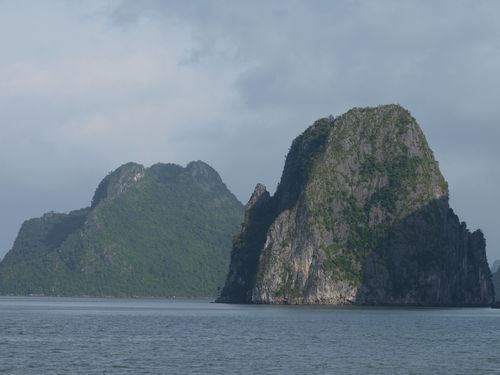
Halong • Halong Bay

Halong • Halong Bay
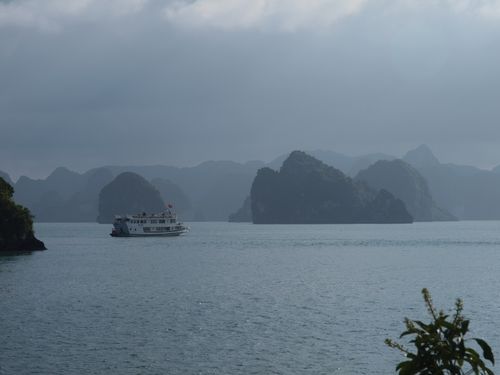
Halong • Halong Bay
Halong Bay
Halong Bay: A Natural Marvel and Its Evolution Through Time
Political, Economic, and Cultural Motivations for Preservation
The preservation and valorization of Halong Bay began to gain significant traction during the colonial period under French rule in the 19th century. Recognized for its striking karst formations and unique beauty, the site was highlighted in travel literature and became a destination for explorers and scientists. Post-independence, Vietnam emphasized the bay as a symbol of national pride and cultural heritage. Economically, the bay became a key asset for tourism, generating revenue and providing livelihoods for local communities. Culturally, its deep connection to Vietnamese legends and traditional practices, such as fishing in floating villages, reinforced its significance as a site worth preserving.
Historical Events and Regional Impact
The bay's strategic location and natural harbor played an important role during periods of conflict, including the resistance against French and American forces. These events reinforced its symbolic value as a site of resilience and national identity. The 1994 UNESCO World Heritage designation marked a pivotal moment, cementing its global importance. This recognition catalyzed regional development by attracting millions of visitors annually, boosting the local economy, and fostering environmental awareness.
Global Context and Comparisons
In the global context, Halong Bay can be compared to other iconic karst landscapes, such as Guilin in China and Phang Nga Bay in Thailand. While these sites share geological similarities, Halong Bay stands out for its cultural connections and extensive network of caves and islands. Globally, its preservation mirrors efforts in other regions to balance ecological integrity with economic development, similar to initiatives at the Great Barrier Reef in Australia or the fjords of Norway.
Transformations Over the Centuries
Over the centuries, Halong Bay has undergone significant changes due to both natural and human factors. Its karst formations evolved through millennia of erosion and climate fluctuations, creating a dynamic and evolving ecosystem. However, modern tourism, industrialization, and climate change have introduced challenges. Infrastructure developments to accommodate visitors have altered the bay’s landscape, while increased maritime activity has put pressure on its delicate ecosystem. Despite these changes, local and national efforts have aimed to mitigate damage and promote sustainable practices.
Ecological and Symbolic Importance
Ecologically, Halong Bay is a haven for biodiversity, hosting numerous endemic species and serving as a critical habitat for marine and bird life. Symbolically, it embodies Vietnam’s connection to its natural heritage and cultural identity. Its formations are not only admired for their beauty but also hold spiritual and historical significance, inspiring artists, poets, and conservationists alike.
Current State of Preservation and Challenges
Halong Bay faces significant threats, including water pollution from tourism and industrial waste, overfishing, and the impacts of climate change. Efforts to address these issues include stricter regulations on waste management, ecotourism initiatives, and international collaborations for conservation. However, balancing economic benefits with environmental sustainability remains a critical challenge.
Conclusion
Halong Bay is a natural treasure that encapsulates both ecological and cultural significance. While it has endured challenges over centuries, its preservation and valorization highlight the ongoing efforts to protect this iconic site for future generations. Through a combination of global recognition, local stewardship, and sustainable practices, Halong Bay continues to inspire awe and appreciation as one of the world's most extraordinary natural landscapes.
Halong Bay: A Natural Laboratory of Geological and Ecological Wonders
Innovative Geological, Biological, and Ecological Processes
Halong Bay, located in northern Vietnam, exemplifies the extraordinary processes of karst formation shaped by millions of years of natural erosion. Its iconic limestone pillars and islands have developed through chemical weathering, fluctuations in sea levels, and tectonic activity. This dynamic evolution has created a unique interplay of land and water, with submerged and exposed karst formations offering a living example of ongoing geological innovation.
Biologically, Halong Bay harbors diverse ecosystems within its islands, lagoons, and caves. Its mangroves, coral reefs, and seagrass beds form essential habitats for a wide range of species, including several that are endemic to the region. Ecologically, the bay serves as a buffer against coastal erosion, showcasing nature’s ability to create self-sustaining systems.
Topography, Biodiversity, and Geological Uniqueness
The topography of Halong Bay is marked by over 1,600 limestone islands and islets, many of which are uninhabited and pristine. These formations rise dramatically from the emerald waters, creating a landscape celebrated for its beauty and scientific significance. Notable features include the Sung Sot Cave, known for its expansive chambers adorned with stalactites and stalagmites, and Dau Go Cave, historically used as a refuge during conflicts.
The bay supports a complex web of biodiversity, including rare species like the Cat Ba langur, an endangered primate, and numerous marine species that thrive in its rich waters. Its coral reefs and mangrove forests not only contribute to the bay's ecological balance but also act as natural defenses against environmental threats.
A Unique Blend of Local and Global Environmental Influences
Halong Bay’s features result from a combination of localized natural processes and broader environmental phenomena. Locally, the tropical climate and interactions between limestone and water have shaped the landscape. Globally, shifts in sea levels during ice ages have contributed to the formation of caves and the emergence of unique ecosystems. This blend of influences highlights the interconnectedness of natural processes and underscores the bay's significance as a site of scientific interest.
Notable Formations and Anecdotes
One of the bay’s most recognizable formations is the Hon Ga Choi, or “Fighting Cocks Island,” two towering limestone rocks resembling roosters in battle. This formation has become a symbol of the bay. Another point of interest is the legend of the bay’s creation, which tells of dragons sent by gods to protect Vietnam, whose tails carved out the islands and left behind pearls that became islets.
Statistically, Halong Bay spans over 1,500 square kilometers and is home to more than 200 fish species, 450 mollusk species, and countless plant varieties. Its geological heritage, combined with its ecological richness, makes it a site of unparalleled importance.
Contribution to International Recognition and UNESCO Impact
Inscribed as a UNESCO World Heritage Site in 1994 for its aesthetic value and again in 2000 for its geological significance, Halong Bay enjoys global recognition. These accolades have elevated its status as a premier destination for ecotourism while drawing attention to the need for conservation. The UNESCO designation has catalyzed efforts to regulate tourism, manage waste, and implement sustainable practices to protect the bay’s integrity.
Challenges to Conservation and Modern Threats
Despite its recognition, Halong Bay faces numerous challenges, including pollution from increased tourism, overfishing, and climate change. The rise in plastic waste and unregulated boat traffic threatens its delicate ecosystems. Conservation efforts, such as stricter regulations, community involvement, and international cooperation, aim to mitigate these impacts. However, balancing economic development with environmental sustainability remains a key concern.
Conclusion
Halong Bay stands as a testament to the power and beauty of natural processes. Its karst landscapes, ecological diversity, and cultural significance make it a jewel of global heritage. While it faces modern challenges, continued dedication to its preservation ensures that future generations can marvel at this natural masterpiece and learn from its unique ecological and geological history.
 Links to the main sections of the site