Français (France)
  Nederlands (nl-NL)
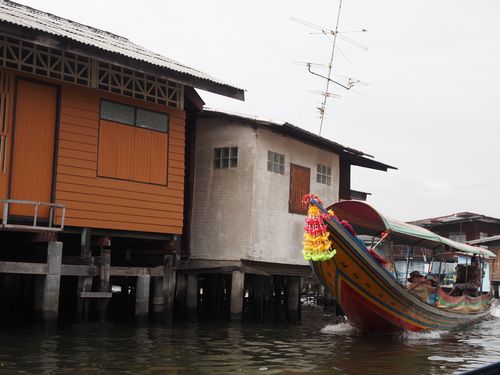
 The khlongs of Bangkok, Thailand, are an intricate network of canals connecting the Chao Phraya River to various parts of the city. Once vital for transportation, trade, and irrigation, they earned Bangkok the nickname “Venice of the East.” Although many have been filled in due to urban growth, several remain active and serve both economic and touristic purposes. The khlongs reflect the enduring relationship between the city and water, forming a key aspect of Bangkok’s daily life, local culture, and environmental management.


Natural site profile
The Khlongs
Natural site category: River
Natural site family: Seas, lakes and rivers
Natural site genre: Aquatic
Geographic location: Bangkok • Thailand
• Links to •
• List of videos about Bangkok on this site •
Bangkok, Street food and markets • Thailand
Bangkok, the Grand Palace • Thailand
Bangkok, Wat Phra Chetuphon temple • Thailand
Bangkok, boat trip on the khlongs • Thailand
The Khlongs of Bangkok: Motivations, Transformations, and Global Context
The Khlongs of Bangkok, a vast network of canals in Thailand, serve as a testament to the interplay of ecological, political, and cultural factors that have shaped their preservation and valorization. This article explores the motivations behind their conservation, the historical milestones that influenced their significance, and the broader global context of managing similar sites worldwide.
Political, Economic, and Cultural Motivations for Preservation
The preservation and revitalization of the Khlongs began in earnest during the reign of King Rama IV (1851-1868). Initially designed to support agriculture, transportation, and flood control, the Khlongs were critical to the socio-economic fabric of Bangkok. By the mid-20th century, rapid urbanization and industrialization led to the neglect of many canals, prompting renewed interest in their restoration.
From the 1970s onward, a confluence of political, economic, and cultural motivations emerged to protect the remaining Khlongs. Politically, the Thai government recognized their role in mitigating floods and managing urban water resources. Economically, the canals became pivotal for promoting tourism, particularly through floating markets and cultural tours. Culturally, they were seen as symbols of Thailand’s heritage, embodying traditional ways of life and ecological harmony.
Historical Milestones and Regional Development
Colonial Era and Global Trade: Although Thailand avoided direct colonization, the Khlongs facilitated trade with European powers during the 19th century. Their role as conduits for goods bolstered Bangkok’s status as a regional trading hub.
Urban Modernization: The 20th century saw significant changes as roads and railways replaced many canals. However, the increasing frequency of urban floods in the 21st century underscored the need to rehabilitate the Khlongs for water management.
Tourism Boom: The global rise of cultural and eco-tourism in the 1990s spurred efforts to restore sections of the Khlongs. Floating markets and boat tours became emblematic of Bangkok’s unique identity, drawing millions of visitors annually.
Transformations and Global Comparisons
Over the centuries, the Khlongs have undergone profound transformations. Originally natural waterways adapted for human use, they became engineered canals central to Bangkok’s development. While their functionality has evolved, their ecological and symbolic importance has remained.
Globally, the Khlongs share parallels with sites like Venice’s canals and Kerala’s backwaters. Venice faces challenges such as erosion and overtourism, while Kerala’s canals are integral to eco-tourism and local livelihoods. These comparisons highlight the need for tailored conservation strategies that balance development with preservation.
Current State of Preservation and Challenges
Today, approximately 30% of the original Khlongs remain. Efforts to restore them focus on pollution reduction, habitat rehabilitation, and flood management. However, challenges persist, including population pressure, unregulated urban expansion, and climate change impacts such as rising sea levels and increased rainfall.
Conclusion
The Khlongs of Bangkok are more than a historical relic; they are a living system that encapsulates the intersection of natural processes and human intervention. Their preservation is essential not only for Thailand’s cultural and ecological heritage but also as a model for sustainable urban water management worldwide. As global challenges mount, the Khlongs stand as a reminder of the intricate relationship between humans and their environment, necessitating continued efforts to secure their future.
The Natural Characteristics of the Khlongs: Geological, Biological, and Ecological Insights
The Khlongs of Bangkok, a vast network of canals in Thailand, exemplify innovative geological, biological, and ecological processes that were revolutionary for their time. These features highlight the unique interplay of natural elements and human influence, creating a site of immense ecological and cultural significance.
Geological and Topographical Features
The Khlongs are situated on the Chao Phraya River Delta, a region characterized by its flat alluvial plains. This geological formation is a result of sediment deposits from the river, creating fertile grounds ideal for agriculture and settlement. The shallow topography of the Khlongs aids in natural water infiltration, which is crucial for replenishing aquifers and managing floodwaters. These canals were ingeniously engineered to harness the delta’s natural hydrology, turning it into a sustainable water management system long before modern infrastructure was available.
Biodiversity and Ecological Importance
The Khlongs are home to a diverse range of flora and fauna, many of which are vital to the ecological balance of the region. Aquatic plants like water hyacinths serve a dual purpose: they provide natural filtration for pollutants and offer habitats for fish and invertebrates. Among the wildlife, the canals support native fish species and migratory birds, making them critical for both local ecosystems and global migratory patterns.
One particularly notable ecological feature is the presence of mangroves in certain sections of the Khlongs. These mangroves act as natural barriers against erosion and provide nursery habitats for marine life, showcasing the adaptability of the site to both freshwater and brackish environments.
Local and Global Environmental Influences
The Khlongs represent a unique blend of local natural processes and global environmental impacts. Locally, they have supported traditional agricultural practices, such as rice farming, for centuries. Globally, they are a case study in the challenges of balancing urban development with ecological preservation. The canals have been affected by climate change, with rising sea levels and increased rainfall testing their resilience as flood control mechanisms.
Anecdotes and Statistics
Historically, the Khlongs earned Bangkok the moniker "Venice of the East," underscoring their significance as a water-based transportation network. In terms of scale, over 1,000 kilometers of canals were once operational; today, only about 30% remain, highlighting the urgent need for preservation efforts.
Recognition and Conservation Efforts
While the Khlongs have not yet been inscribed as a UNESCO World Heritage Site, they are recognized as a vital cultural and ecological landmark. This recognition has spurred both government and community-led initiatives to clean and restore the canals, supported by international organizations advocating for sustainable urban water management. Their inclusion in global conservation discussions underscores their potential as a model for integrating traditional ecological knowledge with modern conservation techniques.
Challenges and Future Directions
The preservation of the Khlongs faces numerous challenges, including pollution, urban encroachment, and the impacts of climate change. Addressing these issues requires a multidisciplinary approach, combining scientific research, community engagement, and policy reform. Efforts to restore the canals must prioritize both their ecological functions and their cultural significance to ensure they remain a living heritage for future generations.
Conclusion
The Khlongs of Bangkok stand as a testament to human ingenuity and the adaptability of natural systems. Their geological, biological, and ecological features not only reflect their historical importance but also position them as a critical resource for addressing contemporary environmental challenges. As efforts to preserve and restore them continue, the Khlongs serve as a powerful reminder of the intricate connections between nature, culture, and sustainability.
 Links to the main sections of the site