Français (France)
  Nederlands (nl-NL)
 The Kerala backwaters in Kottayam are a network of lagoons and lakes running parallel to the Arabian Sea. Known for their scenic beauty, these waterways extend for miles and are a vital part of the region’s biodiversity and local economy, supporting both fishing and tourism. The backwaters are particularly famous for their houseboats, which provide immersive tourist experiences through quaint villages and lush surrounding paddy fields.
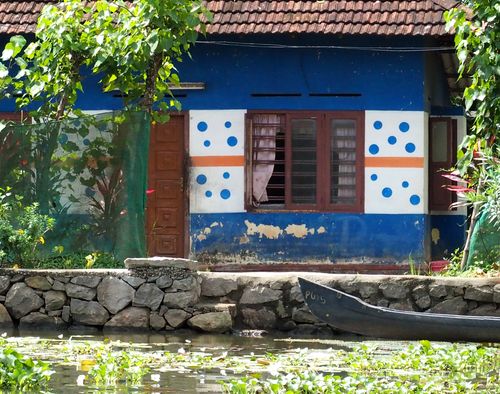
Kottayam • Kerala Backwaters
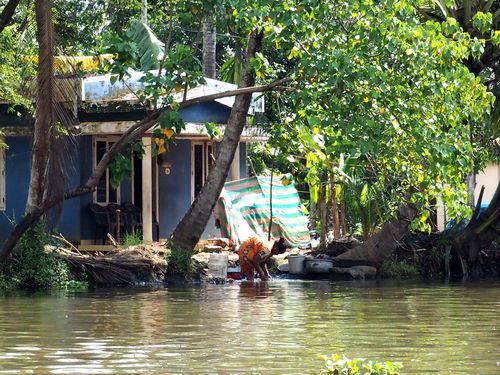
Kottayam • Kerala Backwaters
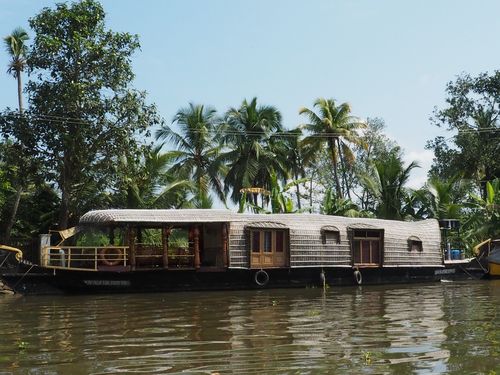
Kottayam • Kerala Backwaters
Natural site profile
Kerala Backwaters
Natural site category: Backwaters
Natural site family: Seas, lakes and rivers
Natural site genre: Aquatic
Geographic location: Kottayam • Kerala •
• Links to •
• List of videos about Kottayam on this site •
Kottayam • Kerala Backwaters • Kerala, India
The Kerala Backwaters in Kottayam: Conservation, Transformation, and Global Comparisons
The Kerala backwaters, particularly in the Kottayam region, represent a unique network of interconnected lakes, canals, and lagoons that have shaped the socio-economic and ecological landscape of southern India for centuries. The process of preserving and valorizing this natural site has been influenced by political, economic, and cultural motivations that have evolved over time. Historical events, both local and global, have played a key role in defining the importance of this site and its contribution to regional development. This article examines the historical trajectory of conservation efforts, the transformations the backwaters have undergone, and the modern challenges they face in an increasingly globalized and environmentally stressed world.
Political, Economic, and Cultural Motivations for Conservation
The conservation of the Kerala backwaters has been shaped by several overlapping factors:
- Political Factors: Historically, water management in Kerala has been closely linked to governance, particularly in the post-independence era. Recognizing the importance of the backwaters for transportation, irrigation, and tourism, the Kerala government implemented policies aimed at sustainable water management and environmental preservation. Legislative measures to prevent overexploitation of water resources were introduced from the 1950s onwards.
- Economic Factors: The backwaters have played a crucial role in Kerala’s economy, initially as trade routes for spices, timber, and agricultural products. With the advent of modernization and road infrastructure, their role in trade diminished, but tourism emerged as a major economic driver. The rise of houseboat tourism in the late 20th century led to increased investment in infrastructure and conservation efforts to maintain the ecological integrity of the waterways.
- Cultural Factors: The backwaters are deeply embedded in Kerala’s cultural identity. They have been central to traditional livelihoods such as fishing and rice cultivation, and they feature prominently in local folklore and festivals. Their preservation is seen as a means of safeguarding both ecological balance and cultural heritage.
Historical Events and Their Impact on Regional Development
The importance of the Kerala backwaters has evolved over time, shaped by historical events that influenced their ecological, economic, and social role:
- Colonial Trade and Infrastructure Development (16th–20th Century): The arrival of European colonial powers, particularly the Portuguese, Dutch, and British, transformed the backwaters into strategic trade routes. Infrastructure projects, including canal expansions and embankments, altered the natural flow of water. This period mirrors the historical use of other wetland trade networks, such as the Mississippi River in the U.S. and the Mekong Delta in Vietnam.
- Post-Independence Land Reforms and Agricultural Expansion (1950s–1980s): India’s land reforms and the push for agricultural self-sufficiency led to extensive land reclamation projects. The conversion of wetland areas into rice paddies (the "Kuttanad model") provided economic benefits but also disrupted the natural ecosystem, affecting water quality and biodiversity.
- Rise of Ecotourism and Global Environmental Awareness (1990s–Present): The global environmental movement in the late 20th century heightened awareness of wetland conservation. The Kerala government and local communities initiated conservation programs, recognizing the backwaters as an asset for sustainable tourism. The region’s inclusion in the Ramsar Convention on Wetlands (especially the Vembanad Lake) reinforced efforts to preserve its ecological significance.
Major Transformations Over the Centuries
The Kerala backwaters have undergone significant transformations due to natural and human-induced changes, reflecting broader global environmental and political shifts:
- Hydrological Modifications: The construction of embankments and roads altered water flow, affecting sediment deposition and leading to challenges in maintaining water levels.
- Urbanization and Population Growth: Increased human settlement along the backwaters has led to pollution and waste accumulation, threatening aquatic ecosystems.
- Climate Change and Rising Sea Levels: The increasing frequency of extreme weather events and coastal erosion pose long-term risks to the stability of the wetlands.
These transformations are comparable to challenges faced in other major wetland ecosystems worldwide. For example, the Sundarbans delta (India and Bangladesh) faces similar threats from sea-level rise and habitat loss, while the Everglades in Florida have undergone extensive conservation efforts to mitigate human impact.
The Ecological and Symbolic Importance of the Site
The Kerala backwaters are not only a vital ecological system but also hold symbolic importance:
- Biodiversity Hotspot: Home to over 150 fish species and 190 bird species, including migratory birds from Central Asia and Siberia, the backwaters serve as a crucial habitat.
- Cultural and Religious Significance: Many temples and festivals in Kerala are linked to the waterways, reinforcing their role in local identity and tradition.
- As global attention toward wetland conservation grows, the Kerala backwaters exemplify the challenge of balancing human activity with ecological integrity.
Current State of Preservation and Challenges
Despite efforts to protect the backwaters, several challenges persist:
- Pollution from Tourism and Urban Waste: The rise of mass tourism, particularly through houseboats, has led to water pollution and increased waste disposal issues.
- Encroachment and Illegal Constructions: Unregulated urban expansion along the waterways threatens natural water retention areas.
- Declining Fish Populations and Habitat Degradation: Overfishing and pollution have negatively affected aquatic biodiversity.
- Impact of Climate Change: Rising temperatures and changing monsoon patterns influence water salinity levels, affecting both agriculture and fisheries.
To combat these threats, the Kerala government and local communities have initiated several conservation programs, including:
- Waste management regulations for houseboats to reduce water contamination.
- Mangrove reforestation projects to stabilize the ecosystem and enhance biodiversity.
- Sustainable tourism initiatives encouraging eco-friendly practices among visitors.
Conclusion
The Kerala backwaters, particularly in the Kottayam region, serve as a prime example of how natural ecosystems can be both culturally significant and economically vital. While historical transformations and modern development pressures continue to pose challenges, ongoing conservation efforts offer a pathway to sustainable coexistence between nature and human activity.
Comparing the site with similar wetlands worldwide, it becomes evident that preserving such ecosystems requires integrated strategies that balance economic benefits with ecological stewardship. As climate change and urbanization accelerate, the future of the Kerala backwaters will depend on proactive policies and global cooperation in wetland conservation.
The Kerala Backwaters in Kottayam: A Unique Confluence of Geological, Biological, and Ecological Processes
The Kerala backwaters, particularly in the Kottayam region, represent a fascinating and dynamic ecosystem shaped by centuries of geological activity, biological adaptation, and ecological evolution. This vast network of interconnected lakes, lagoons, canals, and estuaries extends parallel to the Arabian Sea, offering a rare glimpse into a natural system where freshwater and seawater interact in a delicate balance. The unique characteristics of this site make it a remarkable case study for understanding both local natural influences and broader global environmental impacts.
Geological Processes: A Living Laboratory of Hydrodynamic Evolution
The Kerala backwaters have evolved over millennia through a combination of sedimentary deposition, tectonic activity, and hydrological changes. The system was formed by the gradual accumulation of alluvial deposits from rivers originating in the Western Ghats, which eventually created natural barriers, enclosing large bodies of water. These formations, including sandbars and estuarine deltas, serve as a buffer against coastal erosion and seawater intrusion.
A key geological feature of this region is the Vembanad Lake, one of India’s largest lakes, spanning over 2,033 square kilometers. It acts as a central hub for the backwater network, regulating the flow of monsoon-fed rivers and providing critical hydrological stability. This process is comparable to the sedimentation dynamics seen in the Mississippi River Delta in the United States or the Mekong Delta in Southeast Asia, where riverine deposits play a crucial role in shaping wetland landscapes.
Another noteworthy aspect is the presence of estuarine tidal flux, which causes periodic mixing of freshwater and saltwater. This phenomenon supports a brackish water ecosystem that fosters unique biological adaptations, enabling species to survive in fluctuating salinity conditions.
Biological Diversity: A Hotspot of Endemic and Migratory Species
The Kerala backwaters are home to an extraordinary range of flora and fauna, making it one of India’s most biodiverse wetland ecosystems. This rich biodiversity is a direct result of the backwaters’ unique hydrology, which creates microhabitats ranging from freshwater lakes to saline estuaries.
Key Biodiversity Highlights:
- Aquatic Fauna: Over 150 species of fish, including commercially valuable species such as pearl spot fish (Etroplus suratensis) and various types of shrimps and crabs, thrive in these waters. The fluctuating salinity plays a crucial role in breeding cycles and fish migration.
- Avian Diversity: More than 190 species of birds, including migratory species from Siberia, Central Asia, and Europe, use the backwaters as a wintering ground. Notable species include the Oriental darter, the black-headed ibis, and the painted stork.
- Mangrove Ecosystems: These serve as natural nurseries for marine species and act as carbon sinks, mitigating the effects of climate change. Kerala’s mangroves are comparable to the Sundarbans in India and Bangladesh, which play a similar role in coastal protection and biodiversity conservation.
These ecological characteristics illustrate how the Kerala backwaters demonstrate biological innovation, where species have adapted to a shifting environment dictated by hydrodynamic processes and human influence.
A Unique Blend of Local and Global Environmental Influences
The Kerala backwaters are an example of how local geological and ecological processes interact with global environmental phenomena. The site is affected by both regional climate patterns and larger global changes, such as rising sea levels and increased frequency of extreme weather events.
Key Environmental Interactions:
- Monsoon-Driven Hydrology: The backwaters are primarily fed by monsoon rains, which dictate water levels and nutrient flows. This is similar to seasonal flooding patterns seen in the Amazon River Basin, where water cycles control ecological productivity.
- Climate Change Impact: Rising sea levels are increasing saltwater intrusion, threatening freshwater ecosystems and agriculture in the Kuttanad region, a low-lying area often referred to as the "Rice Bowl of Kerala."
- Human Interventions: Canalization and urban expansion have altered the natural water flow, leading to habitat fragmentation. Conservation strategies from wetland management programs in the Netherlands and Louisiana’s coastal restoration projects offer valuable insights for sustaining the Kerala backwaters.
International Recognition and Conservation Efforts
While the Kerala backwaters are not inscribed as a UNESCO World Heritage Site, parts of the system, such as Vembanad Lake, are recognized under the Ramsar Convention on Wetlands, highlighting their global ecological importance. This designation has facilitated conservation initiatives, funding for sustainable development, and increased awareness of the backwaters’ ecological role.
Impact of International Recognition:
- Strengthened Conservation Policies: Government initiatives such as the Kerala Wetland Authority have been established to monitor ecological degradation and enforce sustainable practices.
- Promotion of Sustainable Tourism: Ecotourism regulations have been implemented to limit pollution from houseboats and encourage community-led conservation efforts.
- Scientific Research and Collaboration: The Ramsar recognition has attracted research projects focusing on wetland restoration, water quality improvement, and biodiversity conservation.
Comparisons can be drawn with the Everglades National Park in Florida, which faced similar conservation challenges related to water mismanagement and urban encroachment. Restoration efforts there have provided models for balancing economic development with ecological integrity, a lesson increasingly applied to the Kerala backwaters.
Future Challenges and Sustainable Strategies
Despite conservation efforts, the Kerala backwaters face significant challenges that threaten their long-term sustainability.
Major Challenges:
- Water Pollution: Unregulated sewage disposal and chemical runoff from agriculture are deteriorating water quality, leading to eutrophication and fish mortality.
- Encroachment and Land Reclamation: Expansion of urban infrastructure has reduced wetland areas, disrupting natural water retention and leading to increased flooding risks.
- Over-Tourism: The rapid growth of the houseboat industry has led to waste accumulation and increased pressure on fragile aquatic ecosystems.
- Climate Change Impact: Unpredictable monsoon patterns and rising temperatures are altering the delicate balance of this ecosystem.
Proposed Solutions:
- Strengthening Regulatory Frameworks: Stricter enforcement of wetland protection laws and pollution control measures.
- Sustainable Ecotourism Development: Encouraging solar-powered houseboats and eco-friendly accommodations to reduce environmental footprints.
- Community Involvement: Engaging local communities in conservation programs, similar to initiatives in the Okavango Delta in Africa, where indigenous knowledge is integrated into ecological management.
Conclusion
The Kerala backwaters in Kottayam stand as a living example of how geological forces, biological diversity, and ecological resilience interact in a dynamic environment. Their formation, biodiversity, and response to environmental pressures make them a crucial site for both scientific study and sustainable development. While facing modern threats, ongoing conservation efforts and international recognition provide hope for their future.
Comparing them with other wetland ecosystems worldwide, it is clear that the Kerala backwaters are not just a regional treasure but a globally relevant natural system, showcasing the delicate balance between human civilization and nature’s adaptability. Their continued preservation will require collaborative strategies that integrate scientific research, local engagement, and policy innovation.
 Links to the main sections of the site