

 Français (France)
  Nederlands (nl-NL)
 The Tranquebar Maritime Museum, located in Tharangambadi in the state of Tamil Nadu, presents different aspects of the maritime and colonial history of this former Danish settlement on the Coromandel Coast. Housed in a historic building near the shoreline, the museum displays objects related to navigation, maritime trade, and exchanges between India and European powers active across the Indian Ocean. The collections also illustrate the development of the port, the daily life of coastal communities, and the strategic role played by Tranquebar within regional trading networks over several centuries.
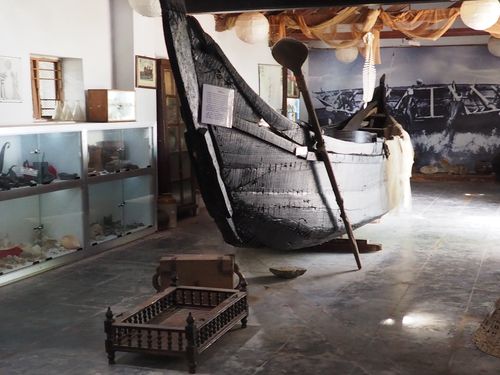
Tharangambadi (Tranquebar) • Maritim Museum
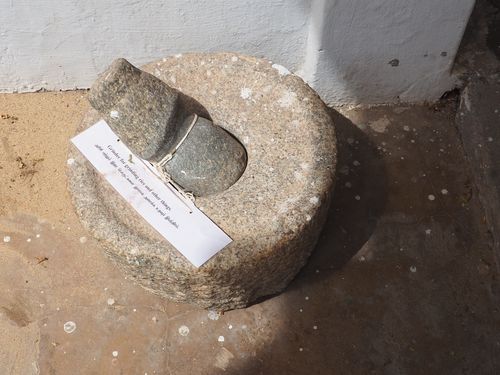
Tharangambadi (Tranquebar) • Maritim Museum
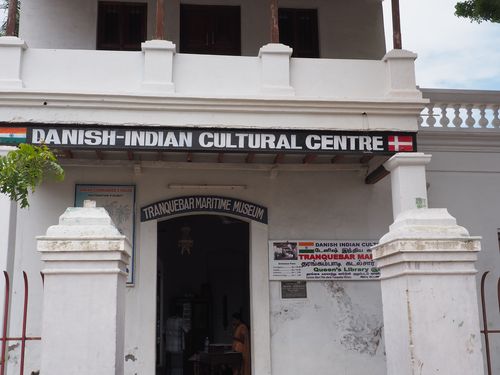
Tharangambadi (Tranquebar) • Maritim Museum
Monument profile
Maritim Museum
Monument category: Museum
Monument family: Museum, remarkable architecture or group of buildings
Monument genre: Cultural or scientific
Geographic location: Tharangambadi (Tranquebar) • Tamil Nadu • India
Construction period: 21th century AD
• Links to •
• List of videos about Tharangambadi (Tranquebar) on this site •
Tharangambadi (Tranquebar), former Danish trading post • Tamil Nadu, India
The Tranquebar Maritime Museum and the Maritime Legacy of the Former Danish Settlement
Creation of a Museum Dedicated to Maritime History
The Tranquebar Maritime Museum is located in Tharangambadi, formerly known as Tranquebar, a Danish colonial settlement established on the Coromandel Coast in present-day Tamil Nadu. The museum was created to preserve and present the maritime history of the town, whose coastal position connected it to commercial routes linking India, Southeast Asia, and Europe. Its location inside a historic colonial building close to the shoreline reinforces the relationship between the collections and the former port activities of Tranquebar.
The establishment of the museum formed part of broader heritage preservation initiatives developed after renewed historical interest in the Danish presence in southern India. Several colonial structures associated with administration, trade, and maritime activity still survive in the town, and the museum became one of the principal institutions dedicated to documenting this historical environment.
Collections and Historical Documentation
The museum contains objects associated with navigation, maritime trade, fishing communities, and coastal life. Exhibits include nautical instruments, ship models, historical maps, archival reproductions, and artefacts related to trade across the Indian Ocean. Some sections also document the relationship between European trading companies and regional South Indian powers active along the Coromandel Coast.
Particular attention is given to the role of Tranquebar as a port settlement integrated into wider maritime networks during the seventeenth and eighteenth centuries. The collections illustrate the movement of goods, administrative practices connected to overseas commerce, and the strategic importance of coastal settlements for European colonial powers operating in the Indian Ocean region.
The museum also addresses environmental and coastal changes that affected the town over time, including storms, erosion, and the impact of the 2004 Indian Ocean tsunami.
Reuse of the Building and Heritage Preservation
Before becoming a museum, the building served other administrative or commercial purposes linked to the colonial organisation of Tranquebar. Its conversion into a cultural institution reflects the gradual transformation of former colonial infrastructure into heritage spaces dedicated to historical interpretation and tourism.
Restoration campaigns focused on stabilising the structure and preserving architectural features associated with the Danish colonial period. Conservation work became especially important after the tsunami of 2004, which affected several historic sectors of the coastal town. These preservation efforts contributed to renewed public attention toward the architectural and maritime heritage of Tharangambadi.
Today, the museum functions both as an educational institution and as a component of the broader preservation programme for the former Danish settlement.
International Historical Context
The main period associated with the maritime development of Tranquebar corresponds to the seventeenth and eighteenth centuries. During the same era, European trading companies expanded their commercial networks across Asia and the Indian Ocean. In Europe, maritime powers such as Denmark, the Dutch Republic, and England strengthened overseas trade systems. In India, several regional kingdoms controlled coastal trade routes and maintained commercial relations with foreign merchants operating along the Coromandel Coast.
Architectural Layout and Colonial Structure of the Tranquebar Maritime Museum
Position within the Former Danish Coastal Settlement
The Tranquebar Maritime Museum occupies a historic colonial building located close to the shoreline of Tharangambadi, formerly known as Tranquebar, on the Coromandel Coast of Tamil Nadu. Its position within the former Danish settlement directly reflects the maritime and administrative functions historically concentrated near the port area. The building forms part of a preserved urban sector characterised by rectilinear streets, compact plots, and colonial-era constructions associated with trade, storage, and coastal administration.
The museum maintains a strong visual and spatial relationship with the seafront. Its orientation allows natural air circulation from the coast, an important architectural adaptation in the humid tropical climate of southeastern India. The surrounding built environment includes several surviving colonial structures, creating a coherent architectural ensemble linked to the historical functioning of the settlement.
Structural Design and Construction Materials
The building presents a restrained colonial architectural style associated with Danish civil constructions established in Tranquebar during the seventeenth and eighteenth centuries. Thick masonry walls constitute the principal structural system and provide thermal protection against heat and humidity. Exterior surfaces are coated with lime plaster, a material widely used in coastal colonial architecture because of its resistance to moisture and its reflective properties under strong sunlight.
The roof consists of a sloping tiled structure designed to withstand seasonal monsoon rains and facilitate rapid drainage. Timber roof frameworks support the tiled covering and illustrate construction techniques combining European building methods with locally available materials. The roofline remains relatively simple, without elaborate decorative elements, reinforcing the functional character of the original building.
Openings are distributed regularly along the façades but remain moderate in size in order to preserve wall stability and reduce interior heat exposure. Doors and windows generally feature minimal ornamentation, reflecting the practical role historically associated with the structure before its conversion into a museum.
Interior Organisation and Exhibition Spaces
The internal arrangement is based on a sequence of rectangular rooms connected through a straightforward circulation system suitable for thematic and chronological displays. The spatial organisation allows the presentation of maritime artefacts, navigation-related collections, historical documents, and material connected to the colonial history of Tranquebar.
Relatively high ceilings improve natural ventilation and reduce heat accumulation inside the galleries. Several rooms preserve visible structural components such as timber beams and thick load-bearing walls. These surviving architectural features contribute to the historical atmosphere of the museum while also illustrating the construction methods employed during the colonial period.
Natural light enters through lateral openings originally integrated into the building design, while modern museum lighting has been introduced in selected areas to improve the visibility of collections. Interior decoration remains intentionally restrained, allowing the architectural envelope and displayed artefacts to dominate the visual experience.
Architectural Adaptations and Conservation Work
The transformation of the building into a maritime museum required modifications intended to stabilise the structure and adapt the interior spaces for public access and collection preservation. Restoration work concentrated primarily on the roof, plaster coatings, drainage systems, and timber elements affected by humidity and coastal weather conditions.
The 2004 Indian Ocean tsunami increased awareness regarding the vulnerability of historic buildings situated near the shoreline of Tharangambadi. Subsequent conservation measures aimed to strengthen structural stability and limit deterioration caused by saline air, water infiltration, and coastal erosion. Preservation policies have generally sought to maintain the original architectural appearance of the building while introducing discreet modern interventions necessary for museum functions.
Today, the museum represents both a cultural institution and a preserved example of colonial maritime architecture associated with the former Danish settlement on the Coromandel Coast.