

 Français (France)
  Nederlands (nl-NL)
 The Sree Padmanabhaswamy Temple, located in Thiruvananthapuram in the Indian state of Kerala, is a revered sacred site dedicated to the Hindu god Vishnu. Renowned for its religious and cultural significance, it is one of the most prominent spiritual centers in the country. The temple also gained global attention for the immense treasures discovered in its hidden vaults. As an active place of worship, it remains a vibrant symbol of Hindu devotion and represents an important part of India’s spiritual and cultural heritage.

Thiruvananthapuram (Trivandrum) • Sree Padmanabhaswamy Temple
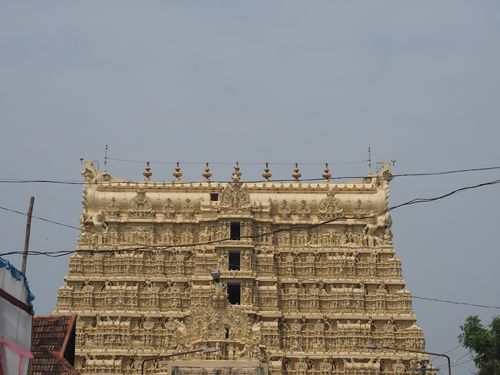
Thiruvananthapuram (Trivandrum) • Sree Padmanabhaswamy Temple
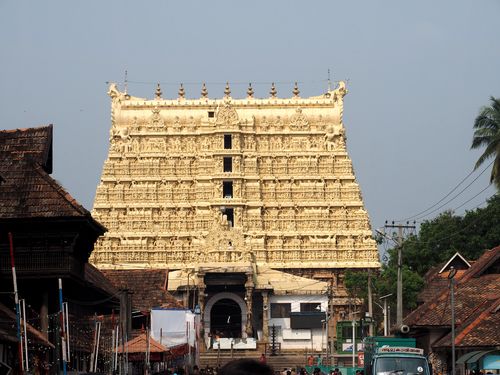
Thiruvananthapuram (Trivandrum) • Sree Padmanabhaswamy Temple
Sree Padmanabhaswamy Temple


The Sree Padmanabhaswamy Temple: Political, Social, and Cultural Significance Across Centuries
The Sree Padmanabhaswamy Temple in Thiruvananthapuram, Kerala, stands as one of India’s most revered and historically significant religious monuments. Dedicated to Lord Vishnu, the temple reflects centuries of spiritual devotion, political strategy, and social transformation. This article delves into the motivations behind its construction, the historical milestones that shaped its legacy, and the challenges it faces in the modern era.
Political and Social Motivations Behind Its Construction
The origins of the Sree Padmanabhaswamy Temple date back to antiquity, with references to its existence as early as the 6th century CE. The structure as it stands today owes much of its grandeur to the contributions of the Travancore royal family during the 16th and 17th centuries. The temple served as both a religious center and a political symbol, consolidating the authority of the rulers over their subjects.
In 1750, King Marthanda Varma of Travancore performed the Trippadi Daanam, dedicating his kingdom to Lord Padmanabhaswamy and declaring himself the deity's servant, or Padmanabha Dasan. This act not only affirmed divine legitimacy for his rule but also united the kingdom under a shared spiritual identity. The temple became a center for social cohesion, with its festivals and rituals fostering a sense of community among the people.
Key Historical Events and Their Impact
Over the centuries, the temple has witnessed significant historical events that have shaped its role in the region:
- Travancore’s Golden Age: The reign of the Travancore kings saw the temple becoming a focal point for cultural and economic activities. The patronage of the royals ensured that the temple remained a hub of art, architecture, and spiritual practices.
- Colonial Era: During British rule, the temple maintained its prominence, serving as a symbol of resistance to external influences. The Travancore royal family’s strategic alliances with the British preserved the temple’s autonomy.
- Discovery of the Vaults: In 2011, the opening of the temple’s secret vaults revealed an immense treasure trove of gold, jewels, and artifacts valued at billions of dollars. This discovery brought global attention to the temple and underscored its historical and cultural significance.
Global Context and Comparisons
The period of the temple’s prominence coincided with significant developments worldwide. In Europe, the Renaissance was fostering artistic and scientific advancements, while in China, the Ming dynasty was at its peak. Unlike these regions, where secularism began to rise, the temple highlighted the deep intertwining of spirituality and governance in South Asia.
The Sree Padmanabhaswamy Temple’s integration of religion and state parallels other monuments of cultural significance, such as Angkor Wat in Cambodia, where divine authority legitimized political power. However, its unique feature is the continuous role it plays as an active religious site, adapting to modern times while retaining its historical essence.
Transformations Through the Ages
The temple has undergone numerous transformations that reflect the shifts in power and cultural influences over the centuries:
- Architectural Enhancements: Additions such as the towering gopuram (gateway) and the extension of corridors during the Travancore era highlight the blending of Dravidian and Kerala architectural styles.
- Ritual Evolution: While the core rituals remain rooted in tradition, adaptations have been made to accommodate contemporary devotees and tourists.
- Administrative Changes: The discovery of the treasures has led to debates over the management of the temple’s assets, with increased state involvement and legal scrutiny.
These transformations underscore the dynamic nature of the temple, balancing its historical significance with modern relevance.
Current State and Conservation Efforts
The Sree Padmanabhaswamy Temple remains well-preserved, thanks to continuous royal patronage and efforts by local authorities. However, it faces several modern challenges:
- Environmental Threats: The humid tropical climate and heavy monsoons of Kerala accelerate the wear and tear of the temple’s structures.
- Tourism Pressure: The influx of visitors following the discovery of the treasures has necessitated stricter crowd management and infrastructure upgrades.
- Security Concerns: Safeguarding the temple’s immense wealth requires advanced security measures, adding complexity to its management.
- Cultural Preservation: Balancing the temple’s role as a historical monument with its function as a living place of worship poses unique challenges.
Conclusion
The Sree Padmanabhaswamy Temple is not just a monument of religious devotion but a testament to the cultural, political, and social evolution of Kerala. Its intricate architecture, rich history, and enduring significance make it a beacon of India’s heritage. Preserving its legacy amidst modern challenges requires a harmonious blend of traditional respect and innovative conservation efforts, ensuring that future generations can continue to marvel at this extraordinary site.
Architectural Excellence and Cultural Synthesis: The Sree Padmanabhaswamy Temple in Thiruvananthapuram
The Sree Padmanabhaswamy Temple, located in Thiruvananthapuram, Kerala, is a testament to the technological advancements and architectural innovation of the Ay and Venad Swaroopam periods. Dedicated to Lord Vishnu, this temple represents a remarkable fusion of regional traditions and foreign influences, embodying the grandeur of its era through its materials, construction techniques, and elaborate designs. This article explores the architectural significance of the temple, its historical anecdotes, and its global recognition.
Technological Advancements and Materials Used
The construction of the temple showcases a deep understanding of materials and engineering techniques. Granite, a durable and locally abundant material, was extensively used for the temple’s foundation, pillars, and sanctum. The artisans skillfully utilized this hard stone to create intricate carvings and robust structures capable of withstanding Kerala’s tropical climate.
Another noteworthy material is the use of gilded copper plates for the temple's roofing, which not only enhanced its visual appeal but also demonstrated advanced metallurgical skills of the era. The incorporation of these materials reflects the technical expertise and the ambition to create a structure that symbolized both spiritual devotion and regional pride.
Architectural Design and Notable Features
The temple adheres to the Dravidian architectural style, with distinctive features that make it unique. Its most prominent element is the gopuram (gateway tower), rising majestically with multiple tiers adorned with intricate sculptures. This towering structure not only serves as an architectural marvel but also signifies the temple's spiritual significance as a gateway to the divine.
Inside, the temple features a sanctum (garbhagriha) housing a massive idol of Lord Vishnu in the reclining Ananthasayana posture. This 5.5-meter-long idol, composed of 12,000 salagramams (sacred fossil stones), represents an extraordinary achievement in craftsmanship and religious symbolism.
The temple is also renowned for its extensive corridors, supported by elaborately carved granite pillars. These corridors, stretching over nearly a kilometer, showcase mythological scenes and ornamental patterns that highlight the artistic skills of the period.
Cultural Fusion in Decorative Motifs
The decorative elements of the Sree Padmanabhaswamy Temple illustrate a harmonious blend of regional styles and external influences. The intricate stone carvings depict stories from Hindu mythology, while the frescoes on the temple walls exhibit vibrant colors and techniques similar to those seen in Vijayanagara art.
The gopuram, influenced by Tamil Nadu's architectural traditions, contrasts with the sloping tiled roofs of Kerala’s indigenous style, designed to withstand the region’s heavy monsoons. This synthesis of styles exemplifies the cultural exchanges facilitated by the temple's geographic and political significance.
Historical Anecdotes and Statistics
One of the most intriguing aspects of the temple is its secret vaults, famously discovered in 2011. These underground chambers revealed treasures of unimaginable wealth, including gold ornaments, coins, and artifacts, valued at billions of dollars. This discovery highlighted the temple’s historical and cultural importance and solidified its reputation as one of the wealthiest temples in the world.
The temple’s festivals, such as the Alpashy and Panguni Utsavam, continue to draw thousands of devotees, underscoring its enduring role as a spiritual hub in Kerala.
Global Recognition and UNESCO Significance
While not yet inscribed as a UNESCO World Heritage Site, the temple has gained international recognition for its architectural brilliance and historical significance. Its rich history and unique design have placed it on the radar of cultural heritage organizations, contributing to increased efforts for its preservation.
Global attention following the treasure discovery has underscored the need for meticulous conservation strategies, ensuring the temple’s integrity as both a historical monument and an active site of worship.
Challenges to Preservation
Despite its well-preserved state, the Sree Padmanabhaswamy Temple faces several challenges:
Environmental Impact: Kerala’s humid climate and heavy rainfall accelerate the degradation of its materials, particularly the intricate carvings.
- Tourism Management: The influx of visitors has increased the risk of wear and tear, necessitating robust visitor management systems.
- Security Concerns: Protecting the treasures and ensuring the safety of the temple require sophisticated security measures.
- Balancing Tradition and Modernity: Maintaining its function as a place of worship while preserving its historical elements is a delicate task.
Conclusion
The Sree Padmanabhaswamy Temple stands as a beacon of architectural innovation and cultural synthesis. Its advanced construction techniques, unique blend of artistic styles, and historical significance continue to inspire awe. Efforts to preserve and celebrate this monumental structure will ensure that its legacy endures for generations to come, offering a glimpse into the rich cultural and spiritual heritage of Kerala and India.