

 Français (France)
  Nederlands (nl-NL)
 The Church of Our Lady of Angels is one of the main Christian landmarks in Pondicherry, the former French colonial settlement on the southeastern coast of India. Located within the historic district of the city, the church reflects the importance of Catholic missions in the religious and cultural development of Pondicherry during the colonial period. The monument remains an active place of worship attended by local residents as well as visitors interested in the religious heritage of the former French enclave. Its presence also contributes to the urban identity of the historic center, where several buildings connected to European influence in the region have been preserved.

Pondicherry • Our Lady of Angels
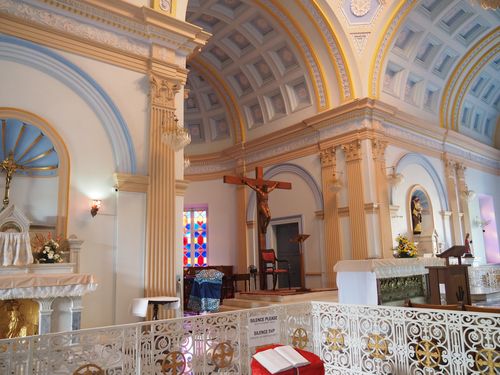
Pondicherry • Our Lady of Angels
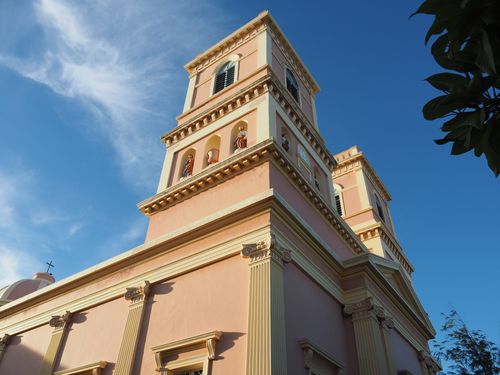
Pondicherry • Our Lady of Angels
Monument profile
Our Lady of Angels
Monument category: Church
Monument family: Church, cathedral, basilica, chapel
Monument genre: Religious
Cultural heritage: Christian
Geographic location: Pondicherry • Tamil Nadu • India
Construction period: 19th century AD
• Links to •
• List of videos about Pondicherry on this site •
Pondicherry, a former French trading post • Tamil Nadu, India
Our Lady of Angels and the Catholic History of French Pondicherry
Foundation of the Church in the French Colonial Settlement
The Church of Our Lady of Angels was established during the period of French colonial administration in Pondicherry on the southeastern coast of India. The development of Catholic institutions in the town accompanied the growth of French political and commercial influence in the region. Religious missions formed an important part of colonial activity, and churches played a central role in the organization of European and local Catholic communities.
The monument was constructed within the colonial quarter of Pondicherry, an area planned according to a structured urban layout influenced by European models. Its location near administrative and residential districts reinforced its importance within the French settlement. The church was intended to serve both European residents and local Christian communities connected to the missionary network operating under French authority.
Over time, Our Lady of Angels became one of the principal Catholic churches of Pondicherry and contributed to the development of Christian institutions in the former French enclave.
Religious Activities and Community Role
The church occupied an important position in the religious life of colonial Pondicherry. Liturgical ceremonies, parish gatherings, and Catholic festivals were regularly organized within the church and its surrounding parish environment. Missionaries associated with the institution also participated in educational and social activities linked to the broader Catholic presence in the colony.
The population attending the church gradually reflected the multicultural composition of Pondicherry itself. European settlers, Tamil Catholics, and mixed communities participated in parish life, creating a religious environment shaped by both local traditions and French colonial influence. This interaction contributed to the distinctive cultural identity of Pondicherry compared to other colonial settlements in India.
During periods of political instability and military conflict between European colonial powers in South India, the church continued to function as an active religious institution. Its continuity reflected the durable presence of Catholic structures within the town despite administrative and political changes affecting the colony.
Transformations and Preservation of the Monument
Like several colonial religious buildings in Pondicherry, the Church of Our Lady of Angels underwent periods of repair, renovation, and adaptation linked to the changing needs of the parish and the effects of the coastal climate. Exposure to humidity, monsoon conditions, and saline air required repeated maintenance interventions over time.
Following the integration of French India into the Indian Union during the mid-twentieth century, the church retained its religious role and remained an active parish serving the local Catholic population. At the same time, the building acquired greater historical and cultural significance as one of the surviving monuments associated with the French colonial period in Pondicherry.
The church also became part of the broader heritage identity of the historic district, where colonial-era administrative buildings, residences, and religious institutions continue to shape the urban landscape. Preservation efforts have focused on maintaining the architectural integrity of the monument while allowing its continued liturgical use.
The Church in the Global Context of the Colonial Era
The establishment of Catholic churches in Pondicherry formed part of the wider expansion of European colonial and missionary networks in Asia between the seventeenth and nineteenth centuries. During the same period, several European powers established trading settlements and religious missions along the Indian coastline. In Europe, maritime expansion and colonial competition intensified commercial and political connections between Europe and Asia.
Key Architectural Features of Notre-Dame des Anges Church in Pondicherry
Basic Layout and Structure
The Notre-Dame des Anges Church is notable for its basilical plan, giving it a longitudinal orientation. The structure comprises a central nave flanked by two side aisles, a common configuration in Christian architecture.
Facade and Materials
One of the standout features of the church is its white and beige stucco facade. These light hues have earned it the nickname "the white chapel" and contribute to its visual prominence and aesthetic appeal.
Interior Elements
Inside, visitors can admire Corinthian-style columns that support the overall structure. Stained glass windows also add an aesthetic and spiritual dimension to the space, allowing colored light to penetrate the sacred setting.
Altar Orientation
Unusually, the orientation of the altar is westward, rather than the more common eastward direction. This orientation sets it apart as a unique feature among religious structures in Pondicherry.
Architectural References
The church features architectural elements reminiscent of the Notre-Dame de la Garde Basilica in Marseille. These similarities underscore the French influence on the architecture of this Indian monument.
This architectural overview provides a comprehensive view of the key features that make Notre-Dame des Anges Church in Pondicherry a site of both historical and architectural interest.