

 Français (France)
  Nederlands (nl-NL)
 Moti Bagh Palace, located in Patiala, Punjab, India, is one of the largest residential palaces in the region. Built in the mid-19th century by the Phulkian dynasty, it served as the royal residence for the Maharajas of Patiala. The palace is surrounded by extensive gardens and includes several courtyards, reception halls, and art galleries. Today, Moti Bagh Palace houses various cultural institutions and is a site of significant historical and touristic interest.
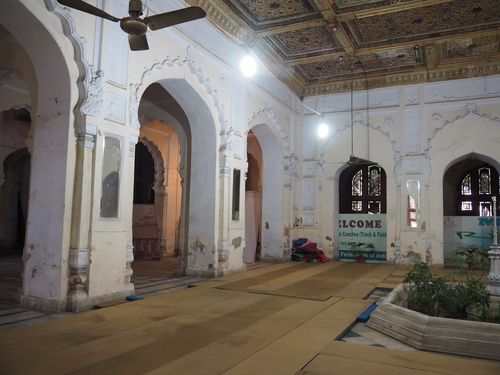
Patiala • Moti Bagh Palace
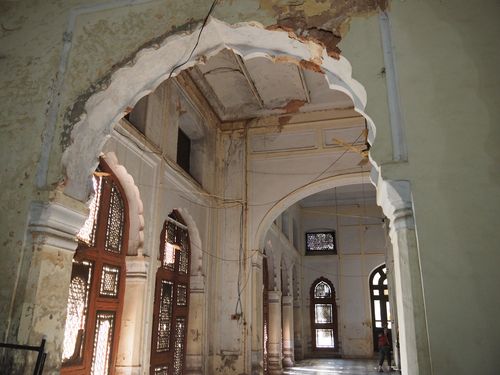
Patiala • Moti Bagh Palace
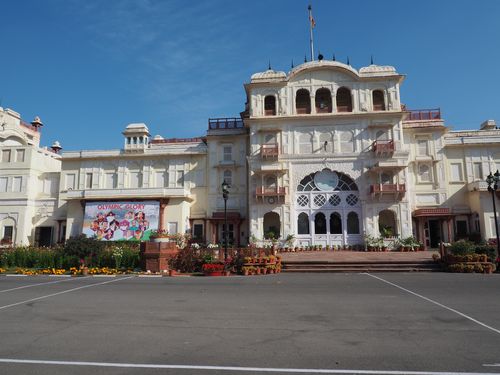
Patiala • Moti Bagh Palace
Monument profile
Moti Bagh Palace
Monument category: Palace
Monument family: Palace and Annexes
Monument genre: Residential
Cultural heritage: Sikh
Geographic location: Patiala • Punjab • India
Construction period: 20th century AD
• Links to •
• Dynasties that contributed to the construction of the monument •

• List of videos about Patiala on this site •
Patiala, the splendours of the past • Punjab, India
The Political and Social Motivations Behind the Construction of Moti Bagh Palace in Patiala
Moti Bagh Palace, located in Patiala, Punjab, India, is a prominent historical monument that reflects the grandeur and strategic importance of the Phulkian dynasty during the 19th century. Built in 1847, this palace served as the royal residence for the Maharajas of Patiala, and its construction was driven by significant political and social motivations that were intertwined with the broader historical context of the region and the world.
Political and Social Motivations
The construction of Moti Bagh Palace was initiated by Maharaja Narinder Singh, one of the most influential rulers of the Phulkian dynasty. During the mid-19th century, the Indian subcontinent was experiencing significant political upheaval, particularly due to the expanding influence of the British East India Company. The Maharajas of Patiala sought to solidify their power and legitimacy in the face of increasing British control by constructing a palace that would not only serve as a symbol of their authority but also as a center for political and cultural activities.
Moti Bagh Palace was intended to project the wealth, power, and sophistication of the Patiala state, showcasing its importance among the princely states of India. The palace also served as a venue for diplomatic meetings, where the Maharajas could host British officials and other dignitaries, thereby maintaining favorable relations and securing their position within the British-controlled political landscape.
Major Historical Events and Impact on the Region
Over the years, Moti Bagh Palace has been the backdrop for several significant historical events. During the British colonial period, the palace was a hub of political activity, where strategies were discussed, alliances were formed, and the future of the Patiala state was shaped. The palace played a crucial role during the Indian independence movement, as it became a center for local leadership and resistance against British rule.
The post-independence period saw the palace transition from a royal residence to a cultural landmark, as the princely states were integrated into the Indian Union. Moti Bagh Palace was repurposed to house various cultural institutions, including museums and art galleries, reflecting the changing role of the palace in a modern, independent India.
Global Context and Comparison with Other Regions
The construction of Moti Bagh Palace can be compared to other grand architectural projects of the same era around the world, which were often undertaken to symbolize power and assert cultural identity. For instance, in Europe, the construction of palaces like the Winter Palace in St. Petersburg and the Palais Garnier in Paris served similar purposes of showcasing national wealth and artistic achievement. Similarly, in Asia, the construction of the Imperial Palace in Tokyo and the Summer Palace in Beijing during the 19th century reflected the desire of ruling elites to manifest their power and influence through monumental architecture.
Transformations and Cultural Influences
Over the centuries, Moti Bagh Palace has undergone several transformations, reflecting shifts in power and external cultural influences. The palace's architecture is a blend of Mughal, Rajput, and European styles, indicative of the cultural exchanges that occurred during the British colonial period. Renovations and additions made to the palace in the late 19th and early 20th centuries introduced new architectural elements, such as European-style gardens and interiors, which were intended to align the palace with contemporary tastes and global trends.
These transformations not only altered the physical structure of the palace but also its symbolic significance, as it evolved from a royal residence to a public cultural institution.
Cultural Significance and Current State of Conservation
Today, Moti Bagh Palace remains a site of immense cultural and historical importance. It houses the National Institute of Sports and various museums that preserve and promote the rich heritage of Punjab and the Phulkian dynasty. However, the palace faces significant conservation challenges. Environmental factors, such as humidity and pollution, as well as urbanization pressures, have taken a toll on the structure, necessitating ongoing restoration efforts.
Preservation Challenges
The preservation of Moti Bagh Palace is complicated by the need to balance its historical integrity with the demands of modern use. Limited funding, combined with the palace's extensive size, poses challenges for comprehensive restoration. Additionally, the impact of climate change and the encroachment of urban development threaten the palace's long-term survival.
In conclusion, Moti Bagh Palace stands as a testament to the political ambitions and cultural aspirations of the Phulkian dynasty. Its architectural grandeur and historical significance make it a crucial part of India's heritage. Ensuring its preservation for future generations requires a concerted effort to address the challenges it faces, while respecting the legacy it represents.
Architectural Innovation and Technological Advancements of Moti Bagh Palace in Patiala
Moti Bagh Palace in Patiala, Punjab, India, is a remarkable example of the architectural innovation and technological advancements of the Sidhu Jats during the 19th century. Built in 1847 by Maharaja Narinder Singh of the Phulkian dynasty, this grand palace reflects the era's engineering prowess and the sophisticated integration of local and foreign influences in its design.
Materials and Construction Techniques
Moti Bagh Palace was constructed using high-quality materials that were selected to emphasize both durability and grandeur. The primary material used was red sandstone, sourced locally, which provided the structure with its distinctive and imposing appearance. Marble, imported from various regions of India, was extensively used for decorative elements, particularly in the palace’s intricate inlays and floorings, adding a layer of elegance and refinement to the interiors.
The construction techniques employed demonstrate an advanced understanding of architecture. The palace features load-bearing walls, wide arches, and expansive courtyards, which were designed to maximize natural light and ventilation—an important consideration in the region's climate. The use of lime mortar and traditional brick-laying techniques ensured the structure’s strength and longevity. Additionally, the incorporation of European-inspired cast iron elements in the balconies and railings reflects the technological innovations of the time and the influence of British colonial architecture.
Architectural Features and Cultural Influences
The architectural style of Moti Bagh Palace is a unique blend of regional artistic traditions and foreign influences. The palace combines elements of Mughal architecture, such as the symmetrical layout and the use of domes, with Rajput-style fortifications and European design motifs. This fusion of styles is evident in the ornate facades, which feature a mix of floral patterns, jali (lattice) work, and classical columns.
The decorative motifs of the palace illustrate the rich cultural exchange that characterized the period. Persian influences are visible in the calligraphy and intricate designs carved into the marble, while the layout of the gardens follows the Mughal tradition of charbagh, a quadrilateral garden layout. The palace’s interiors, with their elaborate frescoes and murals, reflect both local artistic traditions and the influence of European Renaissance art, introduced during the British colonial era.
Notable Structure and Design
One of the most striking aspects of Moti Bagh Palace is its layout, which is organized around a central courtyard. The palace is designed in a quadrilateral shape, with multiple wings extending from the central structure, each serving a specific purpose—such as royal residences, reception halls, and administrative offices. The central dome, a hallmark of the palace, is an architectural marvel that dominates the skyline, symbolizing the power and authority of the Maharajas.
The gardens surrounding the palace, designed in the Mughal tradition, are meticulously planned with water channels, fountains, and terraces that enhance the aesthetic appeal of the complex. These gardens also serve practical purposes, such as managing water flow and providing cooling through the strategic placement of trees and water features.
Anecdotes and Construction Facts
The construction of Moti Bagh Palace involved artisans and craftsmen from across India, making it a collaborative project that brought together diverse architectural traditions. It is said that the construction took several years to complete, with a significant portion of the palace being dedicated to art and culture, including galleries that showcased the Maharaja’s collection of European and Indian art.
International Recognition and UNESCO World Heritage Status
Although Moti Bagh Palace is not currently inscribed as a UNESCO World Heritage Site, it holds significant architectural and cultural value. Its unique blend of styles and the historical importance of the Phulkian dynasty have made it a subject of study for historians and architects alike. The palace’s preservation and continued use as a cultural hub have helped maintain its status as a vital part of India’s heritage.
However, the lack of UNESCO status means that the palace relies on local and national initiatives for its preservation. The challenges of conserving such a large and complex structure are significant, particularly in the face of modern threats like urbanization and climate change. Ongoing efforts are required to ensure that this architectural gem is protected for future generations.
In conclusion, Moti Bagh Palace is not just a royal residence; it is a symbol of the technological and architectural advancements of the Sidhu Jats. Its combination of local and foreign influences, its grand design, and its historical significance make it an important cultural monument. The palace’s preservation is crucial for maintaining its historical integrity and for continuing to inspire and educate future generations about the rich heritage of Patiala and India as a whole.