Français (France)
  Nederlands (nl-NL)
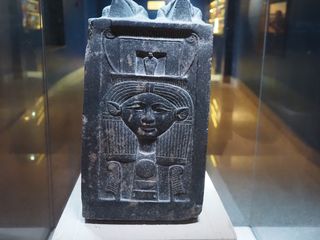
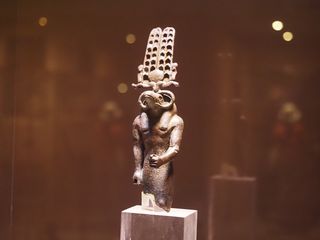
 The Crocodile Museum in Kom Ombo, Egypt, provides a compelling look into the ancient Egyptian worship of Sobek, the crocodile god. This museum houses an impressive collection of mummified crocodiles, along with artifacts and statues associated with this revered deity. Located near the Kom Ombo Temple, it highlights the spiritual connection between the ancient Egyptians and their natural surroundings, emphasizing the sacred role of Nile crocodiles in their rituals and culture.
Monument profile
Crocodile Museum
Monument category: Museum
Monument family: Museum, remarkable architecture or group of buildings
Monument genre: Cultural or scientific
Geographic location: Kom Ombo • Egypt
Construction period: 21th century AD
• Links to •
• List of videos about Kom Ombo on this site •
Kom Ombo • Temple and Crocodile Museum in Egypt
The Crocodile Museum in Kom Ombo: Political and Social Motivations, Historical Context, and Global Comparisons
The Crocodile Museum in Kom Ombo, Egypt, is a modern institution dedicated to preserving and showcasing the region’s rich cultural heritage, particularly the ancient Egyptian worship of Sobek, the crocodile god. Opened in 2012, the museum highlights the unique intersection of religion, environment, and society in ancient times. Its creation reflects contemporary political and social motivations, as well as a global trend toward the preservation of cultural diversity.
Political and Social Motivations Behind Its Construction
The establishment of the Crocodile Museum was driven by a combination of national and regional objectives. Politically, Egypt sought to enhance its cultural identity by showcasing lesser-known aspects of its ancient heritage, such as the veneration of Sobek. Socially, the museum aimed to revitalize tourism in Kom Ombo, a vital sector for local and national economies, by adding depth to the experience of visiting the iconic Kom Ombo Temple.
Additionally, the museum’s focus on Sobek aligns with a broader effort to underline the importance of Egypt’s natural environment, particularly the Nile River and its fauna, as integral to the country’s historical and spiritual narrative. By presenting crocodiles as both sacred and natural symbols, the museum bridges ancient religious practices and modern ecological awareness.
Historical Context and Global Comparisons
The museum was constructed in the early 21st century, a time when cultural institutions worldwide were emphasizing the need to preserve and celebrate local heritage amid globalization. In this context, the Crocodile Museum can be compared to other initiatives, such as India’s Tribal Museums or Mexico’s regional ethnographic museums, which similarly highlight specific cultural elements to foster understanding and pride.
While the Crocodile Museum lacks an ancient architectural history, its roots are tied to archaeological discoveries in Kom Ombo, particularly the unearthing of mummified crocodiles and related artifacts. These findings provided the impetus for creating a dedicated space to contextualize and interpret the importance of crocodiles in the religious and social lives of ancient Egyptians.
Major Transformations and Reflections of Cultural Shifts
Unlike ancient monuments, the Crocodile Museum has not undergone centuries of physical transformation. However, its construction marks a significant cultural shift in how heritage is presented. By focusing on a niche aspect of Egyptian mythology, the museum reflects a move away from generalized depictions of ancient Egypt to a more nuanced exploration of its diverse traditions.
Furthermore, the museum’s design and interpretation align with modern museological standards, emphasizing interactive and educational exhibits. This reflects a global trend in museums toward accessibility, inclusivity, and engagement, making the Crocodile Museum not just a repository of artifacts but a space for dialogue about the past and its relevance today.
Cultural Significance and Current State of Conservation
The museum has elevated the cultural profile of Kom Ombo, complementing the temple’s significance by providing deeper insights into the worship of Sobek and its connection to the Nile. As a modern structure, the museum is in excellent condition, benefiting from contemporary materials and construction techniques.
However, it faces challenges typical of heritage institutions in developing regions. These include financial constraints, environmental factors like extreme heat, and the strain of increasing tourism. Ongoing efforts to maintain the integrity of the collections, particularly the fragile crocodile mummies, rely on advanced preservation technologies and international collaborations.
Conclusion
The Crocodile Museum in Kom Ombo is a remarkable example of how modern institutions can preserve and reinterpret ancient traditions. Built on a foundation of political, social, and cultural motivations, it reflects both Egypt’s efforts to reclaim and promote its heritage and global trends toward specialized cultural preservation. Its focus on the interplay between nature, religion, and society provides visitors with a unique lens through which to view the ancient world, while its modernity ensures its relevance and sustainability in the 21st century.
Architectural Innovation and Significance of the Crocodile Museum in Kom Ombo
The Crocodile Museum in Kom Ombo, Egypt, stands as a testament to modern architectural ingenuity intertwined with ancient cultural heritage. Opened in 2012, the museum was designed to complement the nearby Kom Ombo Temple and to preserve artifacts related to the worship of Sobek, the crocodile god. Its architecture showcases a blend of contemporary design principles and motifs inspired by ancient Egyptian traditions, illustrating the harmony between innovation and cultural preservation.
Technological Advancements and Materials
The construction of the Crocodile Museum leveraged advanced technologies and durable materials to ensure longevity and functionality in the harsh climate of Upper Egypt. The use of reinforced concrete and steel provided structural stability, while modern glass installations allowed for natural lighting to enhance the display of artifacts. Climate control systems were incorporated to maintain stable conditions for the preservation of delicate items, such as mummified crocodiles and ancient relics.
The museum’s design prioritizes sustainability and energy efficiency, employing natural ventilation techniques alongside modern cooling systems. These innovations reflect a commitment to preserving the integrity of the exhibits while minimizing the environmental impact of the building itself.
A Unique Blend of Regional and Foreign Artistic Influences
The Crocodile Museum's architecture embodies a fusion of local artistic traditions and contemporary design elements. Externally, the structure features motifs reminiscent of ancient Egyptian temple carvings, particularly crocodile imagery, symbolizing the deity Sobek. Internally, the museum adopts a minimalist approach with open spaces that emphasize the importance of the artifacts.
While the design draws heavily from Egyptian cultural heritage, it also incorporates global trends in modern museum architecture, such as functional layouts and interactive exhibit spaces. This blend ensures that the museum appeals to an international audience while preserving its local identity.
Structural Layout and Notable Features
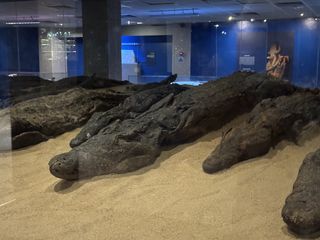
The museum's layout is both practical and symbolic, designed to guide visitors through a narrative journey. The rectangular structure is organized into thematic sections, with each gallery dedicated to a specific aspect of Sobek’s mythology or the historical context of crocodile worship. Central to the museum is a display of crocodile mummies, presented in custom-built glass cases with controlled lighting to enhance their visibility and protection.
A notable aspect of the design is its seamless integration with the adjacent Kom Ombo Temple, creating a cohesive cultural and historical experience. The museum’s external courtyards echo the temple’s open spaces, serving as a transition between the ancient and the modern.
Statistics and Anecdotes
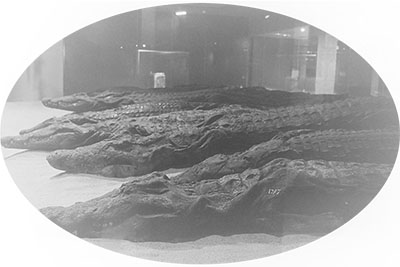
The museum houses over 20 crocodile mummies, making it one of the most comprehensive collections of its kind in the world. These mummies were discovered in the vicinity of the Kom Ombo Temple, highlighting the significance of crocodile worship in the region. The artifacts displayed range from statues and carvings to votive offerings, each providing unique insights into ancient Egyptian rituals.
One of the museum's most remarkable features is its ability to attract thousands of visitors annually, contributing to the revitalization of tourism in the area. Its modern amenities and educational focus have been praised for enhancing the cultural value of Kom Ombo.
International Recognition and UNESCO Considerations
While the Crocodile Museum itself is not inscribed as a UNESCO World Heritage Site, it plays a vital role in preserving and interpreting the cultural significance of the Kom Ombo Temple complex, which is part of Egypt’s broader heritage. The museum has received international recognition for its innovative approach to integrating modern architecture with historical themes, making it a model for similar projects worldwide.
Conclusion
The Crocodile Museum in Kom Ombo exemplifies how modern architecture can honor and enhance ancient traditions. Its innovative use of materials and technology, combined with its culturally resonant design, creates a space that not only preserves the past but also inspires future generations. As an integral part of Kom Ombo’s cultural landscape, the museum continues to bridge the gap between ancient heritage and contemporary global appreciation.