Français (France)
  Nederlands (nl-NL)
 Lake Toba is a large volcanic lake located on the island of Sumatra in Indonesia. It stretches approximately 100 kilometers in length and 30 kilometers in width, making it the largest lake in Indonesia and the world’s largest volcanic lake. Formed by a massive eruption around 74,000 years ago, it features Samosir Island at its center, which is nearly the size of Singapore. Surrounded by mountainous landscapes, the lake is known for its tranquil waters and rich biodiversity, attracting many visitors seeking relaxation and exploration.
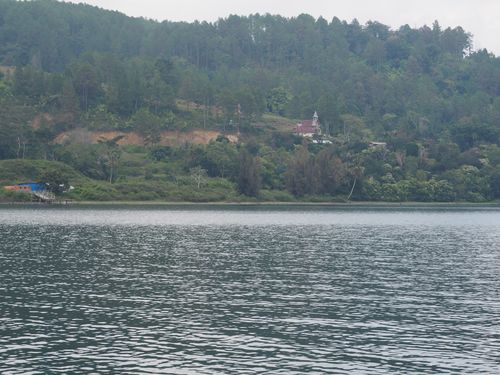
Sumatra • Lake Toba

Sumatra • Lake Toba

Sumatra • Lake Toba
Natural site profile
Lake Toba
Natural site categories: Lake
Natural site families: Seas, lakes and rivers • Volcanoes and calderas
Natural sites genres: Aquatic, Terrestrial
Geographic location: Sumatra • Sumatra • Indonesia
• Links to •
• List of videos about Toba Lake on this site •
Indonesia • Sumatra • Lake Toba, homeland of the Bataks
• Sources •
- Indonesian Ministry of Environment and Forestry – Conservation reports on Lake Toba
- UNESCO World Heritage Centre – Documentation on World Heritage nominations
- Global Volcanism Program (Smithsonian Institution) – Research on the Toba supervolcanic eruption
- International Union for Conservation of Nature (IUCN) – Biodiversity assessments of Lake Toba
- Environmental Impact Studies of Lake Toba Region (2020–2023)
Lake Toba: Political, Economic, and Cultural Drivers of Preservation and Regional Development
1. The Origins of Lake Toba's Preservation and Valorization
Lake Toba, located in North Sumatra, Indonesia, is the largest volcanic lake in the world, formed approximately 74,000 years ago after a cataclysmic supervolcanic eruption. Beyond its geological significance, Lake Toba holds deep ecological, cultural, and economic importance for Indonesia.
The formal process of preserving and valorizing Lake Toba began in the 20th century, particularly after Indonesia’s independence in 1945. However, long before governmental involvement, the indigenous Batak communities had maintained a cultural connection with the lake, considering it sacred and integrating environmental stewardship into their traditional practices.
In the 1980s, the Indonesian government recognized the potential of Lake Toba for tourism and regional development, initiating conservation efforts aligned with economic growth. These actions intensified in the 2010s, with Lake Toba identified as one of the “10 New Balis,” part of a national strategy to diversify Indonesia’s tourism industry beyond Bali.
2. Political, Economic, and Cultural Motivations for Preservation
Political Motivations:
The Indonesian government’s efforts to preserve Lake Toba were partly driven by the need to strengthen national unity in a region historically marked by separatist movements. Promoting Lake Toba as a symbol of national heritage helped reinforce a sense of identity and political stability in North Sumatra.
Additionally, Indonesia’s aspirations to have Lake Toba listed as a UNESCO World Heritage Site underscore the political importance of showcasing the country’s natural treasures on a global stage, enhancing diplomatic ties, and attracting international recognition.
Economic Motivations:
Lake Toba has been a key driver of the regional economy, with tourism playing a central role since the 1990s. Recognizing the economic potential of eco-tourism, the government invested in infrastructure development, promoting Lake Toba as an international destination.
However, the rapid growth of tourism posed environmental risks, prompting a shift towards sustainable tourism models. This includes eco-friendly accommodations, regulated visitor activities, and conservation programs designed to protect natural resources while supporting local livelihoods.
Cultural Motivations:
For the indigenous Batak people, Lake Toba is not merely a body of water but a sacred site deeply embedded in their mythology, rituals, and daily life. Traditional practices, such as respectful land use and spiritual ceremonies, have inadvertently contributed to the long-term preservation of the lake’s ecosystem.
Cultural heritage preservation efforts aim to protect Batak architecture, traditional dances, and local crafts, linking the lake’s natural beauty with the rich tapestry of indigenous customs.
3. Key Historical Events Influencing Lake Toba’s Significance
Colonial Era (19th–20th Century):
During Dutch colonial rule, the region around Lake Toba was primarily exploited for agriculture and logging, with minimal regard for environmental conservation. However, the inaccessibility of certain areas helped preserve large tracts of forest and natural landscapes.
Post-Independence Development (1945–1970s):
Following Indonesia’s independence, the government focused on nation-building and economic recovery, with limited emphasis on environmental preservation. The discovery of Lake Toba’s potential as a tourist destination in the 1970s marked the beginning of organized efforts to develop the region.
Tourism Boom and Environmental Challenges (1980s–1990s):
The rapid expansion of tourism brought economic benefits but also led to environmental degradation, including deforestation, pollution, and habitat loss. Recognizing these threats, the government and local communities began to implement conservation policies and promote eco-tourism initiatives.
Modern Conservation Initiatives (2010s–Present):
In recent years, Lake Toba has become a focus of national environmental strategies, with government-backed projects aimed at restoring water quality, reforesting degraded areas, and enhancing sustainable tourism infrastructure. The nomination for UNESCO World Heritage status has further highlighted the need for comprehensive preservation efforts.
4. Global Context and Comparisons with Similar Sites
Lake Toba’s preservation efforts can be compared to those of other iconic natural sites worldwide:
- Lake Crater (USA): A caldera lake in Oregon, protected as part of a national park with strict environmental regulations. Its management emphasizes ecological research, public education, and controlled tourism.
- Lake Taupo (New Zealand): Another volcanic lake formed by a supereruption, managed through a combination of Maori cultural practices and modern conservation techniques, focusing on water quality and biodiversity protection.
- Lake Titicaca (Peru/Bolivia): Facing similar challenges related to pollution and tourism pressure, Lake Titicaca’s preservation strategies include cross-border cooperation and community-led conservation programs.
These comparisons highlight the importance of integrated management approaches that balance environmental protection with cultural preservation and economic development.
5. Major Transformations of Lake Toba Over Time
Lake Toba has undergone significant transformations reflecting environmental, political, and cultural changes:
- Environmental Changes: Deforestation for agriculture and logging during the 20th century led to soil erosion and water quality issues. Climate change now poses additional risks, affecting precipitation patterns and biodiversity.
- Political Shifts: The transition from colonial rule to independence, and later to decentralized governance, influenced resource management policies and regional development priorities.
- Cultural Evolution: While traditional Batak practices have supported ecological balance, modernization and globalization have introduced new cultural dynamics, sometimes at odds with sustainable practices.
These changes underscore the need for adaptive management strategies that respond to both historical legacies and contemporary challenges.
6. Ecological and Symbolic Importance of Lake Toba
Ecological Significance:
Lake Toba is an ecological hotspot, supporting diverse habitats and species, some of which are endemic to the region. The lake plays a vital role in:
Climate Regulation: Acting as a natural reservoir, it influences local microclimates and helps regulate temperature and rainfall patterns.
Biodiversity Conservation: Home to unique freshwater species and surrounded by forests rich in flora and fauna, including endangered species like the Sumatran orangutan.
Symbolic Significance:
For the Batak people, Lake Toba represents the origin of life and holds profound spiritual meaning. Its landscapes are interwoven with myths and legends, reinforcing the cultural identity of local communities.
7. Current State of Preservation
Lake Toba’s preservation status is improving due to government initiatives, international support, and community involvement. Key measures include:
- Environmental Restoration: Reforestation programs, water quality monitoring, and habitat protection projects.
- Sustainable Tourism Development: Promoting eco-friendly tourism activities and infrastructure to minimize environmental impact.
- Cultural Heritage Protection: Supporting traditional practices and cultural festivals to maintain the region’s intangible heritage.
- Efforts are ongoing to secure UNESCO World Heritage status, which would enhance global recognition and provide additional resources for conservation.
8. Challenges to Maintaining Integrity in the Modern Era
Despite progress, Lake Toba faces several pressing challenges:
Environmental Threats:
Water Pollution: From agricultural runoff, fish farming, and waste from tourism activities.
Deforestation and Land Degradation: Leading to erosion, habitat loss, and reduced water quality.
Climate Change: Altering hydrological cycles, threatening biodiversity, and increasing the frequency of extreme weather events.
Socio-Economic Challenges:
Unregulated Tourism Growth: Straining local resources and infrastructure.
Conflicting Land Use: Tensions between development projects and environmental conservation efforts.
Conservation Strategies:
Integrated Resource Management: Coordinating policies across sectors and administrative levels.
Community-Based Conservation: Empowering local communities to participate in decision-making and stewardship activities.
International Collaboration: Partnering with global organizations to share expertise and funding for sustainable development.
9. Conclusion
Lake Toba stands as a testament to the dynamic interplay of natural forces, cultural traditions, and human resilience. Its preservation reflects not only the ecological and geological importance of this unique site but also the broader challenges of sustainable development in a rapidly changing world. As Indonesia continues to balance economic growth with environmental stewardship, Lake Toba serves as a powerful symbol of the potential for harmonious coexistence between humanity and nature.
Lake Toba: A Natural Masterpiece Shaped by Geological, Biological, and Ecological Processes
1. A Testament to Cataclysmic Geological Events
Lake Toba, located in North Sumatra, Indonesia, is the largest volcanic lake in the world, covering approximately 100 kilometers in length and 30 kilometers in width, with a maximum depth of around 500 meters. Its formation is the result of one of the most powerful geological events in Earth’s history: the Toba supervolcanic eruption, which occurred approximately 74,000 years ago.
Geological Processes:
- Formation of a Massive Caldera: The eruption released an estimated 2,800 cubic kilometers of volcanic material, causing the ground to collapse and form a caldera now filled with water, creating Lake Toba.
- Global Climatic Impact: The eruption is believed to have triggered a significant "volcanic winter", reducing global temperatures by up to 3–5°C and causing ecological disruptions worldwide. This event may have contributed to a genetic bottleneck in human evolution, drastically reducing global populations, although this theory remains debated.
- Emergence of Samosir Island: At the center of Lake Toba lies Samosir Island, a massive resurgent dome formed by the uplift of the caldera floor due to magmatic pressure after the eruption. The island is nearly the size of Singapore, adding to the lake’s geological uniqueness.
These features make Lake Toba a living laboratory for studying supervolcanic eruptions, their environmental consequences, and the Earth’s geological evolution.
2. Unique Biodiversity in an Isolated Ecosystem
Lake Toba is home to a rich and distinctive biodiversity, shaped by its volcanic origins, altitude, and isolated ecosystem.
Key Biodiversity Features:
- Endemic Aquatic Species: The lake supports species found nowhere else on Earth, such as the Batak fish (Neolissochilus thienemanni) and rare types of crustaceans adapted to the unique chemical composition of the volcanic waters.
- Terrestrial Flora and Fauna: The surrounding forests host diverse plant species, including orchids, ferns, and tropical hardwoods. Fauna includes endangered species like the Sumatran orangutan, the Sumatran tiger, and various unique bird species that thrive in the region’s diverse habitats.
- Freshwater Ecosystem: The lake’s oligotrophic nature (low in nutrients but rich in oxygen) creates a delicate aquatic ecosystem sensitive to environmental changes, making it an important site for freshwater ecological research.
- Lake Toba’s biodiversity not only reflects the resilience of life in post-volcanic environments but also highlights the importance of conserving isolated ecosystems vulnerable to human impact.
3. Remarkable Topography and Natural Formations
The topography of Lake Toba is a striking blend of volcanic landscapes, rugged cliffs, and serene waters, offering a dramatic representation of Earth’s dynamic geological history.
Distinctive Natural Features:
- Steep Caldera Walls: The lake is encircled by towering caldera cliffs, some rising over 1,000 meters above the water level, formed from the collapsed magma chamber.
- Hot Springs: The region remains geothermally active, with natural hot springs around the lake, particularly on Samosir Island, where geothermal vents indicate ongoing subterranean activity.
- Volcanic Rock Formations: The landscape is dotted with basalt columns, lava domes, and pumice fields, remnants of the ancient eruption. These formations are valuable for geologists studying volcanic rock stratigraphy and post-eruption land development.
Lake Toba’s dramatic terrain offers insights into how Earth’s crust reacts to massive geological forces, creating both devastation and new opportunities for ecological succession.
4. A Unique Blend of Local Natural Influences and Global Environmental Impacts
Lake Toba illustrates the complex interplay between local natural phenomena and global environmental processes.
- Local Influences: The tropical climate, volcanic soil, and freshwater ecosystem create a biologically rich environment, supporting agriculture, fisheries, and traditional Batak communities who have lived in harmony with the land for centuries.
- Global Environmental Impact: The Toba eruption’s far-reaching effects on Earth’s climate, atmosphere, and potentially even human evolution, highlight the interconnectedness of local geological events with global ecological systems. Studies suggest that the eruption may have contributed to significant shifts in global vegetation patterns and could have influenced early human migration.
Lake Toba is not just a regional natural wonder; it is a global geological marker, offering evidence of Earth’s environmental fragility and resilience.
5. Fascinating Statistics and Anecdotes
Surface Area: Approximately 1,130 square kilometers, making it larger than some entire countries, like Singapore.
Depth: Reaching up to 500 meters, deeper than many well-known lakes such as Lake Geneva.
Volume of Water: Estimated at around 240 cubic kilometers, holding an immense reservoir of freshwater.
The Toba Eruption: Classified as VEI-8 (the highest on the Volcanic Explosivity Index), it was about 10,000 times more powerful than the Mount St. Helens eruption in 1980.
Cultural Legend: According to Batak mythology, Lake Toba was formed from the tears of a giant who fell in love with a mortal woman—a story symbolizing the deep spiritual connection between the local people and the lake.
These facts and legends add to the mystique and scientific fascination surrounding Lake Toba.
6. International Recognition and Conservation Efforts
Lake Toba has gained significant recognition for its ecological, geological, and cultural importance. It is a candidate for inclusion on the UNESCO World Heritage List, reflecting its outstanding universal value.
Impact of UNESCO Candidacy:
Enhanced Conservation Efforts: The pursuit of UNESCO status has led to increased attention to environmental protection, with policies targeting water quality, deforestation, and habitat conservation.
Global Awareness: International recognition attracts researchers, ecotourists, and conservation organizations, fostering global interest in preserving the site.
Sustainable Development: UNESCO involvement often encourages sustainable tourism practices, balancing economic growth with environmental stewardship.
Lake Toba’s candidacy underscores its status as a site of global heritage, deserving of protection for future generations.
7. Current State of Conservation
Efforts to conserve Lake Toba have intensified in recent years, driven by both government initiatives and local community engagement.
Conservation Measures:
- Environmental Restoration: Programs to reduce water pollution, control agricultural runoff, and rehabilitate degraded forests.
- Eco-Tourism Development: Promotion of responsible tourism that minimizes ecological footprints and supports local economies.
- Biodiversity Protection: Establishment of protected areas around critical habitats for endangered species.
While progress has been made, the lake still faces significant challenges that threaten its ecological integrity.
8. Modern Challenges to Preservation
Environmental Threats:
Water Pollution: Caused by aquaculture, industrial waste, and unregulated tourism activities, impacting aquatic life and water quality.
Deforestation: Illegal logging and land conversion for agriculture have led to habitat loss and soil erosion around the lake.
Climate Change: Altering rainfall patterns, increasing temperatures, and threatening the delicate balance of the lake’s ecosystem.
Socio-Economic Pressures:
Tourism Pressure: Uncontrolled development can strain natural resources and disrupt local cultures.
Resource Conflicts: Competing interests between conservation goals and industrial activities, such as palm oil plantations and fish farming.
Strategies for Sustainable Management:
Integrated Resource Management: Collaborative efforts involving government, local communities, and international organizations.
Environmental Education: Raising awareness among residents and visitors about the importance of ecological conservation.
Community Involvement: Empowering indigenous Batak communities to play an active role in managing and protecting the environment.
9. Conclusion
Lake Toba is more than a geological marvel; it is a symbol of Earth’s dynamic history, a biodiversity hotspot, and a cultural treasure. Its towering caldera walls, deep blue waters, and rich ecosystems tell a story of catastrophic destruction and natural resilience. As global challenges like climate change and environmental degradation loom, Lake Toba serves as a powerful reminder of the need for sustainable stewardship of our planet’s most precious natural wonders.
Preserving Lake Toba is not just an Indonesian priority—it is a global responsibility to protect a site that embodies both the fragility and the enduring strength of the natural world.
 Links to the main sections of the site