

 Français (France)
  Nederlands (nl-NL)
 The Tomb of the Prophet Daniel in Samarkand, Uzbekistan, is a site of significant spiritual and cultural importance. Revered by multiple faiths, it serves as a place of gathering and respect for diverse religious traditions. Legend has it that the remains of the Prophet Daniel were brought to Samarkand by order of Tamerlane, and the site continues to attract pilgrims and visitors from around the world.

Samarkand • Tomb of the Prophet Daniel
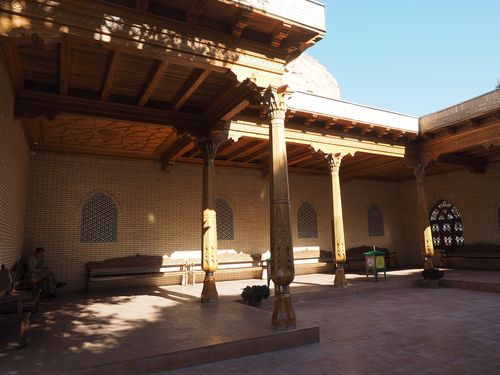
Samarkand • Tomb of the Prophet Daniel
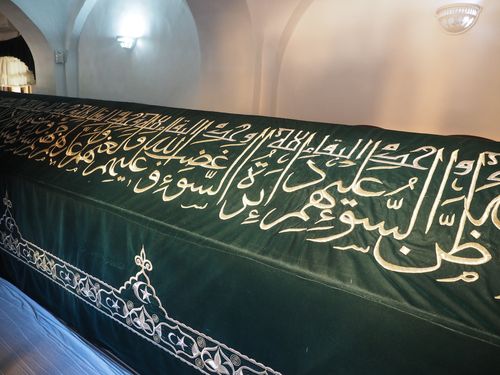
Samarkand • Tomb of the Prophet Daniel
Monument profile
Tomb of the Prophet Daniel
Monument categories: Pilgrimage site, Tomb
Monument families: Pilgrimage site or memorial • Tomb, Necropolis, Mausoleum or Cenotaph
Monument genres: Religious, Funerary
Cultural heritage: Islamic
Geographic location: Samarkand • Uzbekistan
Construction period: 14th century AD
This monument in Samarkand is inscribed on the UNESCO World Heritage List since 2001 and is part of the serial property "Samarkand – Crossroad of Cultures".See the UNESCO monuments featured on this site
• Links to •
• List of videos about Samarkand on this site •
Samarkand, the city of Amir Timur • Uzbekistan
• References •
Uzbekistan Tourism: Khoja Daniel and the legend about his mausoleum in Samarkand
UNESCO: Samarkand – Crossroad of Cultures
The Tomb of the Prophet Daniel in Samarkand: Historical Significance, Transformations, and Preservation Challenges
The Tomb of the Prophet Daniel in Samarkand, Uzbekistan, is a site of immense historical, cultural, and spiritual significance. Revered by multiple religious traditions, it reflects the vision of Timur (Tamerlane) in shaping Samarkand as a political and spiritual capital. Built in the 14th century, the tomb has undergone transformations over the centuries, symbolizing shifts in power and cultural influences. This article examines the motivations behind its construction, its historical impact, and the challenges of preserving this unique monument.
Political and Social Motivations for Construction
The decision to construct the Tomb of the Prophet Daniel was closely tied to Timur’s broader ambitions for Samarkand and his empire:
- Political Legitimacy: By bringing the remains of the prophet Daniel from Susa (in present-day Iran) to Samarkand, Timur sought to reinforce his authority as a ruler chosen by divine will. The tomb symbolized his role as a protector of faith and an agent of spiritual legitimacy.
- Religious Harmony: Daniel is a figure venerated in Islam, Christianity, and Judaism. Establishing his tomb in Samarkand promoted a sense of inclusivity and interfaith respect within Timur’s diverse empire.
- Cultural Prestige: Timur aimed to elevate Samarkand’s status as a center of religious and cultural significance. The tomb served as a focal point for pilgrims and a symbol of the city’s spiritual importance.
Historical Events and Regional Influence
14th Century: The construction of the tomb marked a deliberate act of political and spiritual consolidation. Timur reportedly brought Daniel’s remains to Samarkand, believing the prophet’s presence would bring blessings and protection to his empire.
Post-Timurid Era: As Samarkand’s political influence waned, the tomb retained its spiritual significance, continuing to attract pilgrims from across Central Asia and beyond.
Soviet Era: Under Soviet rule, religious practices were suppressed, but the tomb was preserved as a historical monument, emphasizing its cultural rather than religious value.
Post-Independence: Since Uzbekistan’s independence in 1991, the tomb has been revitalized as a site of national pride and a symbol of interfaith dialogue.
Global Context and Comparisons
During the 14th century, the world was experiencing significant cultural and political transformations:
Europe: The Late Middle Ages saw the rise of Gothic architecture and cultural shifts driven by the aftermath of the Black Death.
Middle East and North Africa: The Mamluks and Ottomans were solidifying their power, commissioning religious and civic architectural projects to demonstrate their dominance.
China: The Ming dynasty was asserting itself with projects like the Forbidden City, showcasing the emperor’s divine authority.
The construction of Daniel’s tomb aligns with this global trend of monumental architecture being used to assert political legitimacy and foster social unity.
Transformations and Cultural Influences
The tomb’s architecture and symbolic elements have evolved over time, reflecting changing political contexts and cultural exchanges:
Length of the Tomb: Measuring approximately 18 meters, the tomb’s extraordinary length is linked to the local legend that Daniel’s body continues to grow. This unique feature reinforces its mystical aura and draws pilgrims seeking blessings.
Natural Integration: The nearby sacred spring, believed to have healing properties, enhances the site’s spiritual significance, blending architectural and natural elements.
Cultural Fusion: The tomb incorporates elements of Central Asian Islamic architecture, such as simplicity and emphasis on the spiritual, while drawing inspiration from Persian and Mediterranean traditions.
These features illustrate Samarkand’s role as a crossroads of cultures during the Timurid era.
Cultural Significance and Conservation Status
Today, the Tomb of the Prophet Daniel remains a key symbol of Samarkand’s cultural and spiritual heritage. While it is not individually listed, it is part of the UNESCO World Heritage-listed Historic Centre of Samarkand. This recognition has:
Promoted Preservation: Efforts have focused on stabilizing the tomb’s structure and protecting the surrounding sacred spring.
Increased Global Attention: The site attracts visitors of various faiths, serving as a bridge between cultural and religious traditions.
Strengthened National Identity: The tomb is celebrated as part of Uzbekistan’s rich historical and cultural legacy.
Challenges in Preservation
Despite its cultural significance, the tomb faces several modern threats:
- Environmental Factors: Samarkand’s arid climate and temperature fluctuations accelerate the deterioration of the tomb’s structure and materials.
- Tourism Pressure: The growing number of visitors puts strain on the site, particularly the surrounding natural elements like the sacred spring.
- Resource Management: Ensuring the sustainability of the spring and preventing pollution are critical for maintaining the site’s spiritual and ecological integrity.
Continued conservation efforts, supported by local and international stakeholders, are essential to address these challenges.
Conclusion
The Tomb of the Prophet Daniel is a unique monument that embodies the political vision, cultural diversity, and spiritual depth of the Timurid Empire. Its architectural innovations and historical significance have made it a revered site for centuries. As a symbol of interfaith harmony and cultural heritage, preserving this monument is vital to ensuring its enduring legacy for future generations.
The Tomb of the Prophet Daniel in Samarkand: Architectural Uniqueness and Cultural Significance
The Tomb of the Prophet Daniel in Samarkand, Uzbekistan, is a remarkable site that embodies a blend of religious reverence, cultural fusion, and architectural simplicity. Revered by Muslims, Christians, and Jews alike, the tomb stands as a testament to the city's historical role as a crossroads of civilizations. This article explores how the tomb's architecture reflects the technological capabilities of its time, the materials and techniques used in its construction, and its unique blend of regional and foreign artistic influences.
Technological Aspects and Materials Used
While not as grandiose as some of Samarkand's other Timurid-era monuments, the Tomb of the Prophet Daniel showcases the technological practices and construction methods of the 14th and 15th centuries:
Materials:
- Baked Bricks: The primary construction material, baked bricks were widely used in Central Asian architecture for their durability in arid climates.
- Stone and Plaster: Used for certain structural elements and decorative finishes, providing both stability and aesthetic appeal.
- Wood: Employed in doors and window frames, often intricately carved.
Construction Techniques:
Simple Yet Robust Design: The tomb's construction reflects an understanding of building longevity, utilizing methods that have allowed it to withstand centuries.
Adaptation to Terrain: Built on a hillside overlooking the Siab River, the tomb integrates with the natural landscape, demonstrating skill in site planning.
While the tomb may not represent technological innovation in the same way as larger Timurid structures, its enduring construction highlights the effective use of available materials and techniques to create a lasting monument.
Architectural Features and Cultural Fusion
The tomb's architecture embodies a unique blend of regional traditions and foreign influences:
Regional Artistic Traditions:
Simplicity and Spirituality: The unadorned exterior reflects Central Asian preferences for modesty in sacred spaces, emphasizing spiritual significance over opulent display.
Use of Local Materials: The reliance on locally sourced bricks and stones connects the structure to the region's architectural heritage.
Foreign Influences:
Persian Elements: Subtle decorative motifs and the concept of venerating a prophet through monumental architecture draw inspiration from Persian traditions.
Interfaith Significance: As a figure revered in Islam, Christianity, and Judaism, the tomb symbolizes a convergence of religious cultures, uncommon in many other regional monuments.
Notable Structure and Layout
One of the most distinctive features of the Tomb of the Prophet Daniel is its unusual length:
Elongated Sarcophagus: The tomb measures approximately 18 meters (59 feet) in length. According to local legend, this is because Daniel's body continues to grow, and the elongated sarcophagus accommodates this miraculous occurrence.
Simple Interior Design: The interior is modest, focusing on the sarcophagus itself without extensive ornamentation, which directs attention to the spiritual significance of the site.
Integration with Nature: The tomb is situated near a sacred spring, believed to have healing properties, enhancing the site's spiritual ambiance and connecting it to natural elements.
Anecdotes and Notable Facts
Timur's Acquisition of the Relics: It is said that Timur brought the remains of the Prophet Daniel from Susa (in present-day Iran) to Samarkand to bless his capital. Unable to take the entire relic due to its sanctity, he supposedly took only a piece, which miraculously grew in size.
Interfaith Pilgrimage Site: The tomb attracts pilgrims from various faiths, a rarity that underscores Samarkand's historical role as a melting pot of cultures and religions.
International Recognition and UNESCO Status
UNESCO World Heritage Site: The Tomb of the Prophet Daniel is part of the Historic Centre of Samarkand, which was inscribed on the UNESCO World Heritage List in 2001.
Impact on Conservation:
Preservation Efforts: Inclusion in the UNESCO list has helped secure resources and international support for conservation, ensuring the tomb's structural integrity and accessibility.
Global Awareness: The site's recognition has increased global interest, promoting tourism and fostering appreciation for Samarkand's rich cultural tapestry.
Cultural Significance: The tomb's architectural simplicity combined with its profound spiritual importance contributes to its status as a symbol of cultural and religious harmony.
Conclusion
The Tomb of the Prophet Daniel in Samarkand may not boast the grand architectural innovations of other Timurid monuments, but its unique features and profound cultural significance make it a noteworthy site. Its construction reflects the effective use of materials and techniques suited to its purpose and environment. The blending of regional and foreign influences in its architecture underscores Samarkand's historical position as a nexus of cultural exchange. The tomb's inclusion in the UNESCO World Heritage List has bolstered efforts to preserve this sacred site, ensuring that it continues to be a place of reverence and unity for future generations.