

 Français (France)
  Nederlands (nl-NL)
 The Maharajah Swathi Thirunal Palace, located in Thiruvananthapuram in the Indian state of Kerala, stands as a significant landmark reflecting the region's rich cultural heritage. Closely associated with Maharajah Swathi Thirunal, a prominent 19th-century ruler known for his patronage of arts and music, the palace embodies the elegance of local architecture and houses various collections representing the royal legacy of Kerala. Today, it serves as a site of interest for visitors seeking to explore its cultural significance and historical influence.
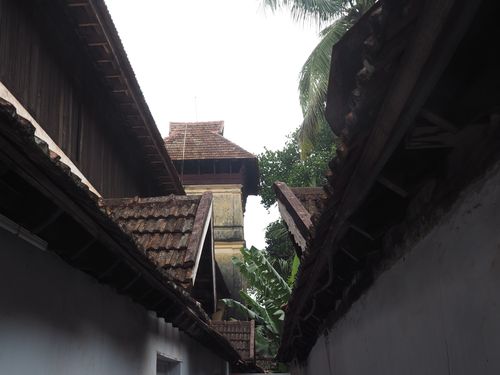
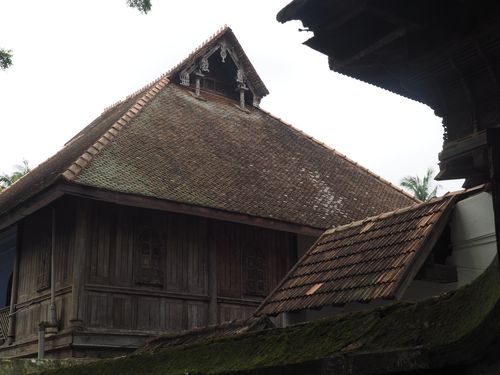
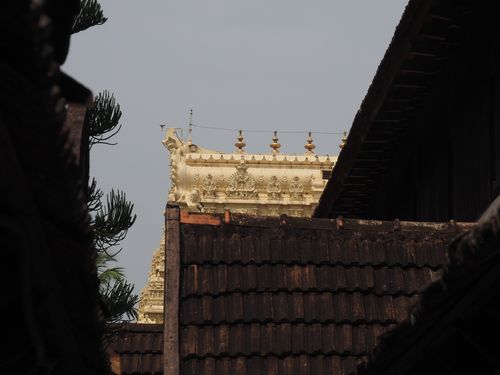
Monument profile
Maharajah Swathi Thirunal Palace
Monument category: Palace
Monument family: Palace and Annexes
Monument genre: Residential
Cultural heritage: Hindu
Geographic location: Thiruvananthapuram • Kerala • India
Construction period: 19th century AD
• Links to •
• Dynasties that contributed to the construction of the monument •

• List of videos about Thiruvananthapuram (Trivandrum) on this site •
Thiruvananthapuram (Trivandrum) • Kerala, India
• References •
Wikipedia EN: Kuthiramalika
• Sources •
Ayyappan, A. (1982). History and Culture of Travancore. Trivandrum University Press. Kerala State Department of Archaeology. (2023). Heritage Preservation Reports on Maharajah Swathi Thirunal Palace. Travancore Royal Family Archives. (2020). Royal Heritage and Architecture of Travancore. Menon, A. S. (2007). Travancore: A Historical Overview. Kerala State Department of Archaeology (2022). Preservation Strategies for Royal Heritage. Indian National Trust for Art and Cultural Heritage (INTACH). Travancore Royal Archives (2019). Cultural Heritage of Kerala’s Royal Families.
The Maharajah Swathi Thirunal Palace in Thiruvananthapuram: Political Significance, Historical Transformations, and Modern Challenges
The Maharajah Swathi Thirunal Palace, located in Thiruvananthapuram, the capital of the Indian state of Kerala, stands as a remarkable testament to the socio-political and cultural legacy of the Travancore kingdom. Constructed in the 19th century, during the reign of Maharajah Swathi Thirunal Rama Varma (1813-1846), the palace was designed not only as a royal residence but also as a center for cultural patronage and governance. Its construction reflects the political aspirations and social reforms of the time, aimed at modernizing the kingdom while preserving its rich heritage.
Political and Social Motivations Behind Its Construction
The primary motivations behind the construction of the Maharajah Swathi Thirunal Palace were both political and social. Politically, it was intended to assert the authority of the Travancore rulers and project the image of a progressive, enlightened monarchy in an era when Indian princely states were under increasing British influence. The palace served as a symbol of stability, emphasizing the kingdom's autonomy within the framework of British suzerainty.
Socially, Maharajah Swathi Thirunal was a renowned patron of the arts, particularly music and dance. The palace was envisioned as a cultural hub where classical art forms such as Carnatic music and Kathakali dance could flourish under royal patronage. It also functioned as an administrative center, reflecting the ruler's commitment to governance, social reforms, and the promotion of education and health initiatives for the people of Travancore.
Key Historical Events and Their Influence
Several key historical events have left their mark on the Maharajah Swathi Thirunal Palace and influenced the political and social landscape of Thiruvananthapuram:
- Travancore's Modernization under British Influence (19th century): During Swathi Thirunal’s reign, Travancore underwent significant modernization, including administrative reforms and infrastructure development. The palace became a focal point for governance and diplomatic interactions with the British East India Company.
- Travancore’s Merger with India (1949): After Indian independence, Travancore was merged with the Union of India in 1949, leading to the palace's transformation from a royal residence into a heritage site. The political significance of the palace declined, but its cultural role remained prominent.
- Post-Independence Preservation Efforts (20th-21st centuries): Efforts have been made to preserve the palace as an important cultural and historical landmark. It has since become a major tourist attraction and a center for cultural exhibitions and events celebrating Kerala's rich artistic heritage.
The Global Context and Comparisons
The 19th century was a period of profound transformation worldwide. While Travancore was modernizing under British influence, the world was experiencing significant shifts:
- Europe: The Industrial Revolution was reshaping economies and societies, with new architectural styles such as neoclassicism emerging in palaces and government buildings.
- China: The Qing Dynasty was facing internal strife and external pressures, leading to the Opium Wars and a period of social unrest.
- Africa: European colonial expansion was rapidly changing the political landscape, bringing new governance systems and architectural influences.
In comparison, the construction of the Maharajah Swathi Thirunal Palace represented a blend of traditional Kerala architectural styles with European influences, reflecting a nuanced balance between local identity and global trends.
Architectural Transformations Over the Centuries
The palace has undergone several transformations over the years, each reflecting changes in political power and cultural influences. Some of the major architectural modifications include:
- Expansion under later Travancore rulers: Additional structures were built to accommodate growing administrative and ceremonial functions.
- Introduction of colonial elements: European architectural influences, such as stained glass windows and carved wooden furniture, were integrated into the palace design.
- Conversion into a cultural site: In the post-independence period, certain sections of the palace were repurposed to host art exhibitions and public events.
Despite these changes, the palace has retained its core architectural identity, characterized by:
- Traditional Kerala-style sloping roofs, designed to withstand heavy monsoon rains.
- Intricate wood carvings, showcasing the skill of local artisans.
- Spacious courtyards, providing ventilation and light while serving as spaces for cultural gatherings.
Cultural Significance and Current State of Conservation
The Maharajah Swathi Thirunal Palace remains an important cultural symbol in Kerala. It houses valuable collections of artifacts, including royal memorabilia, musical instruments, and manuscripts, offering insights into the artistic and intellectual pursuits of the Travancore era.
The palace's current state of conservation is relatively stable, with periodic restoration efforts undertaken by the Kerala State Department of Archaeology. Restoration projects have focused on:
- Preserving delicate wooden structures affected by humidity and pests.
- Restoring faded murals and wall paintings that depict scenes from Hindu mythology and Travancore’s history.
- Upgrading infrastructure to accommodate increasing visitor footfall without compromising the site's historical integrity.
Challenges in Preserving Historical Integrity
Despite ongoing conservation efforts, several challenges threaten the integrity of the palace:
- Urbanization and Encroachment: The rapid expansion of Thiruvananthapuram poses a threat to the palace’s surroundings, leading to noise pollution, congestion, and potential structural vulnerabilities.
- Climate and Environmental Factors: Kerala's humid climate accelerates the deterioration of woodwork and traditional construction materials, necessitating continuous maintenance efforts.
- Tourism Pressure: The growing influx of tourists, while beneficial for awareness and revenue, puts strain on the fragile interiors and requires careful crowd management strategies.
- Limited Funding for Preservation: Conservation projects require substantial funding, which is often challenging to secure, leading to delays in essential maintenance work.
Conclusion
The Maharajah Swathi Thirunal Palace in Thiruvananthapuram stands as a living testament to the grandeur and vision of the Travancore rulers. It embodies a unique blend of indigenous and foreign architectural influences, reflecting the political, social, and cultural evolution of the region. As the palace continues to attract visitors and scholars alike, preserving its legacy remains a priority to ensure future generations can appreciate its historical significance.
While it is not yet listed as a UNESCO World Heritage Site, achieving such recognition could further bolster conservation efforts and elevate its global standing. However, striking a balance between modernization and preservation remains crucial to maintaining the palace’s authenticity and historical value.
Architectural features
Architectural Significance of the Maharajah Swathi Thirunal Palace in Thiruvananthapuram: Innovation, Materials, and Cultural Influences
The Maharajah Swathi Thirunal Palace, located in Thiruvananthapuram (formerly Trivandrum), Kerala, stands as a remarkable testament to the architectural ingenuity and cultural synthesis of the Travancore era. Built during the 19th century, under the reign of Maharajah Swathi Thirunal Rama Varma (1813-1846), the palace embodies the technological advancements and artistic grandeur of the time. It serves as an enduring symbol of the progressive governance and cultural patronage that characterized the Travancore kingdom.
Technological Advancements and Construction Techniques of the Travancore Era
The construction of the Maharajah Swathi Thirunal Palace demonstrates the advanced architectural techniques and innovative solutions employed by Travancore artisans. The design and materials used reflect a deep understanding of the region’s climate, as well as the kingdom's desire to blend functionality with aesthetic appeal.
Materials Used in Construction
- Teakwood and Rosewood: Extensively used for structural frameworks, doors, and ornamental carvings due to their durability and resistance to tropical humidity and termites.
- Intricately carved wooden panels showcase the skill of local craftsmen.
- Laterite Stone: A locally available and sustainable material used for building walls, providing excellent insulation against Kerala’s humid climate.
- Terracotta Roof Tiles: Handmade clay tiles, effective in regulating indoor temperatures and withstanding heavy monsoon rains.
- Lime Plaster: –Used for wall coatings, providing breathability and resistance to fungal growth.
Architectural Innovations
The palace incorporated several technological features that were advanced for its time:
- Ventilation System: The use of high ceilings, wooden lattices (jali), and open courtyards ensured passive cooling, essential in the tropical climate.
- Strategically placed cross-ventilation channels allowed continuous airflow.
- Sloping Roofs: Designed to facilitate rapid drainage during monsoons, a signature element of traditional Kerala architecture.
- Interlocking Wooden Joints: A technique that allowed the structure to expand and contract naturally with temperature variations, reducing the risk of damage.
Architectural Features and Cultural Fusion
The palace is a fine example of how Travancore architecture harmonized local traditions with foreign influences. The region's strategic coastal location facilitated cultural exchanges with European, Arab, and East Asian traders, which is reflected in the palace’s design elements.
Structural Layout : The Maharajah Swathi Thirunal Palace follows a traditional Kerala-style layout, emphasizing functionality and aesthetic appeal. The major components include:
- Central Courtyards: The palace features multiple courtyards (nadumuttam), which serve as focal points for light, ventilation, and social gatherings.
- Royal Assembly Halls: These halls exhibit a fusion of Indo-Saracenic and traditional Kerala styles, featuring wooden ceilings with intricate carvings and imported European chandeliers.
- Musical Halls: Given the maharajah’s passion for music, specific rooms were designed with acoustic considerations to enhance sound quality during performances.
- Residential Quarters: Private chambers are adorned with detailed frescoes and feature teakwood furniture influenced by colonial styles.
Decorative Elements: The decorative features of the palace highlight an amalgamation of artistic influences:
- Intricate Woodwork: Traditional Kerala motifs intertwined with European floral patterns and Persian geometric designs.
- Murals and Frescoes: Depictions of Hindu mythological themes, rendered using natural dyes in the Kerala mural painting style.
- Stained Glass Windows: Imported from Europe, adding a unique aesthetic element uncommon in traditional Kerala structures.
Anecdotes and Notable Facts
The palace is said to have been constructed within six years, an impressive feat considering the complexity of the architectural elements and intricate detailing.
Legend has it that Maharajah Swathi Thirunal personally oversaw aspects of the palace’s design, ensuring it met his vision for a cultural epicenter.
Some of the musical halls were reputed to have been acoustically optimized to resonate with the tonalities of Carnatic music, reflecting the ruler’s deep connection to the art form.
Recognition and UNESCO World Heritage Potential
While the Maharajah Swathi Thirunal Palace is not currently listed as a UNESCO World Heritage Site, it is recognized by the Kerala State Government as a heritage monument of significant cultural value. A UNESCO designation would provide numerous benefits, including:
- Enhanced Conservation Efforts: International funding and expertise could support long-term preservation projects.
- Increased Global Visibility: Inclusion in the UNESCO list would elevate the palace's status as a world-class cultural landmark.
- Tourism Management and Sustainable Practices: Recognition could lead to better crowd management strategies and sustainable tourism policies to protect the site.
Current State of Conservation
The palace has undergone several restoration projects to address the challenges posed by environmental and human-induced factors. Recent efforts have focused on:
- Restoring wooden carvings affected by humidity and termite infestation.
- Reinforcing the foundation using traditional techniques to maintain structural stability.
- Preserving the original mural artworks, which have faced deterioration due to exposure and aging.
Challenges to Preservation
Despite ongoing efforts, the Maharajah Swathi Thirunal Palace faces several preservation challenges:
- Urban Encroachment: Rapid urbanization of Thiruvananthapuram threatens the palace’s surroundings, impacting its aesthetic appeal and structural integrity.
- Climatic Conditions: The humid tropical climate accelerates the degradation of organic materials such as wood and plaster.
- Tourism Pressure: Increasing visitor numbers, while beneficial for the local economy, place stress on the palace’s delicate interiors.
- Funding Constraints: Limited financial resources pose difficulties in undertaking large-scale restoration projects and maintaining regular upkeep.
Conclusion
The Maharajah Swathi Thirunal Palace in Thiruvananthapuram stands as a beacon of Travancore's architectural brilliance and cultural vibrancy. Combining technological innovation with artistic excellence, the palace continues to attract scholars, historians, and tourists alike. While efforts are being made to preserve this historic gem, a more concerted approach involving government bodies, heritage organizations, and international collaborations is essential to safeguard its legacy for future generations.